



19th Century Open Cabinet
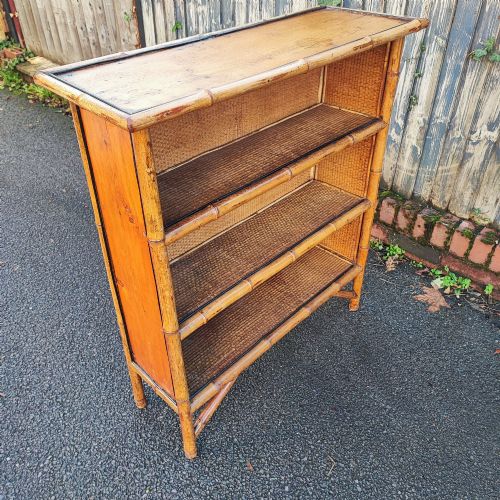
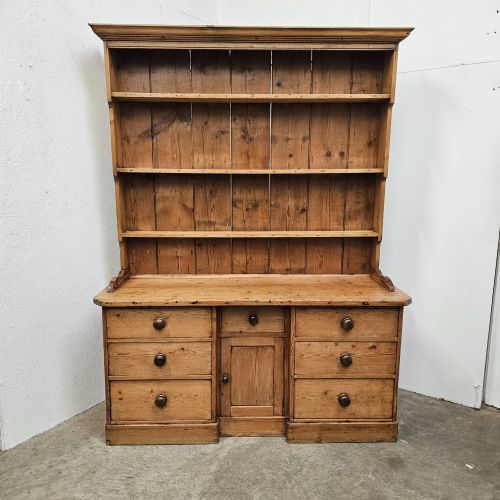
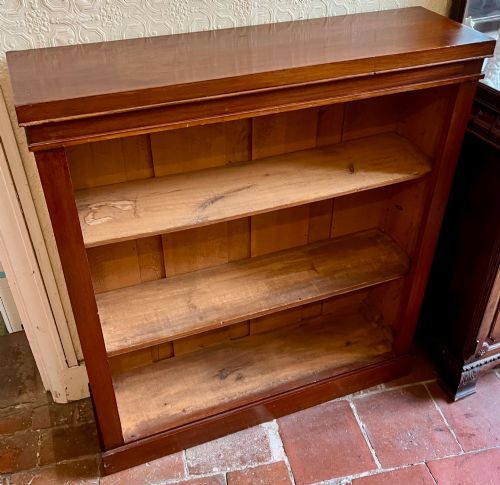
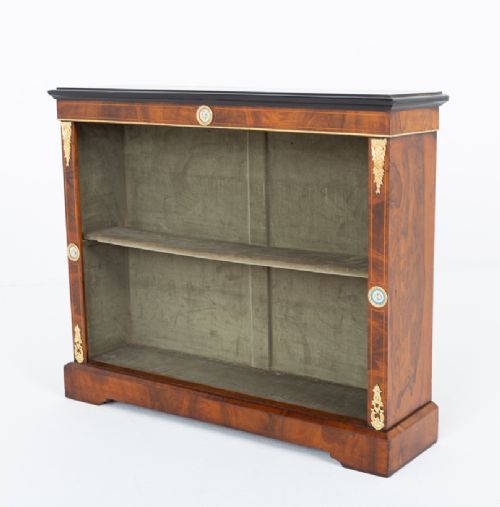
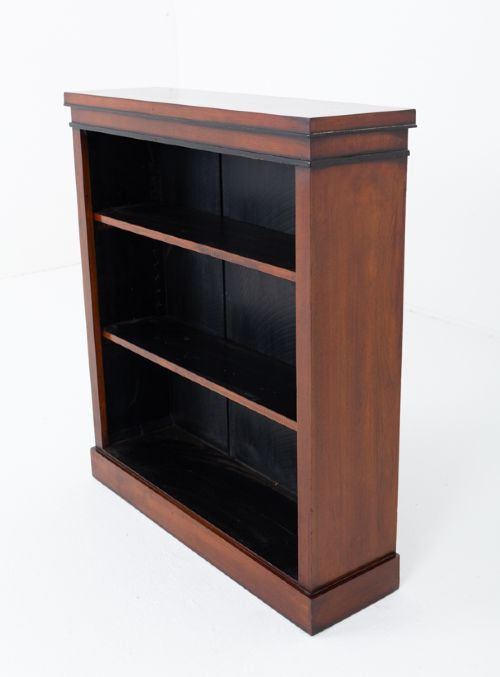
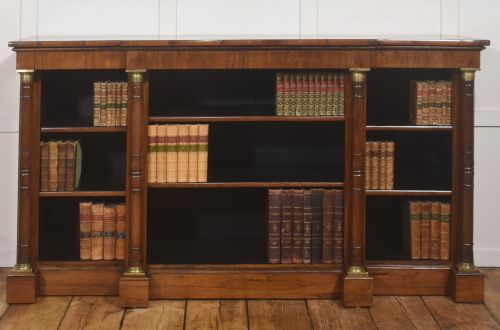
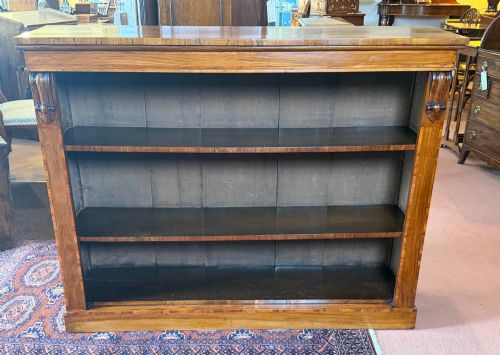
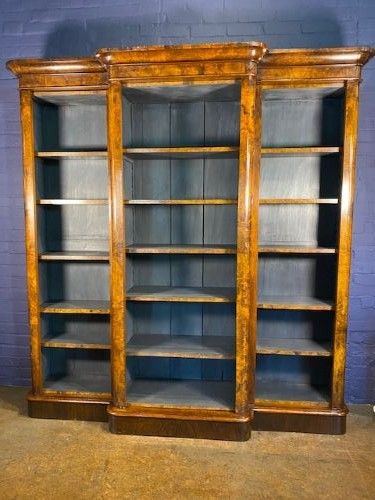
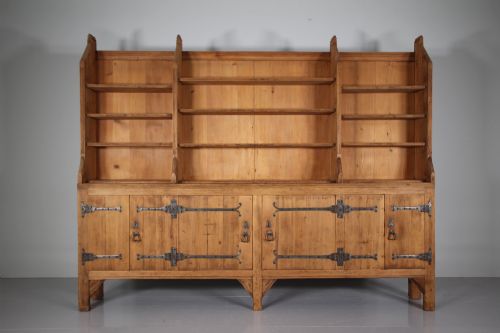
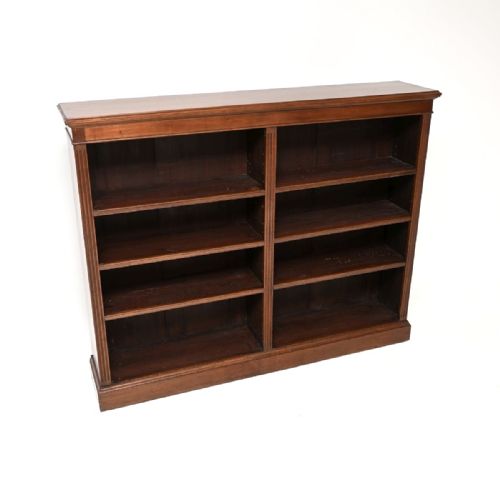
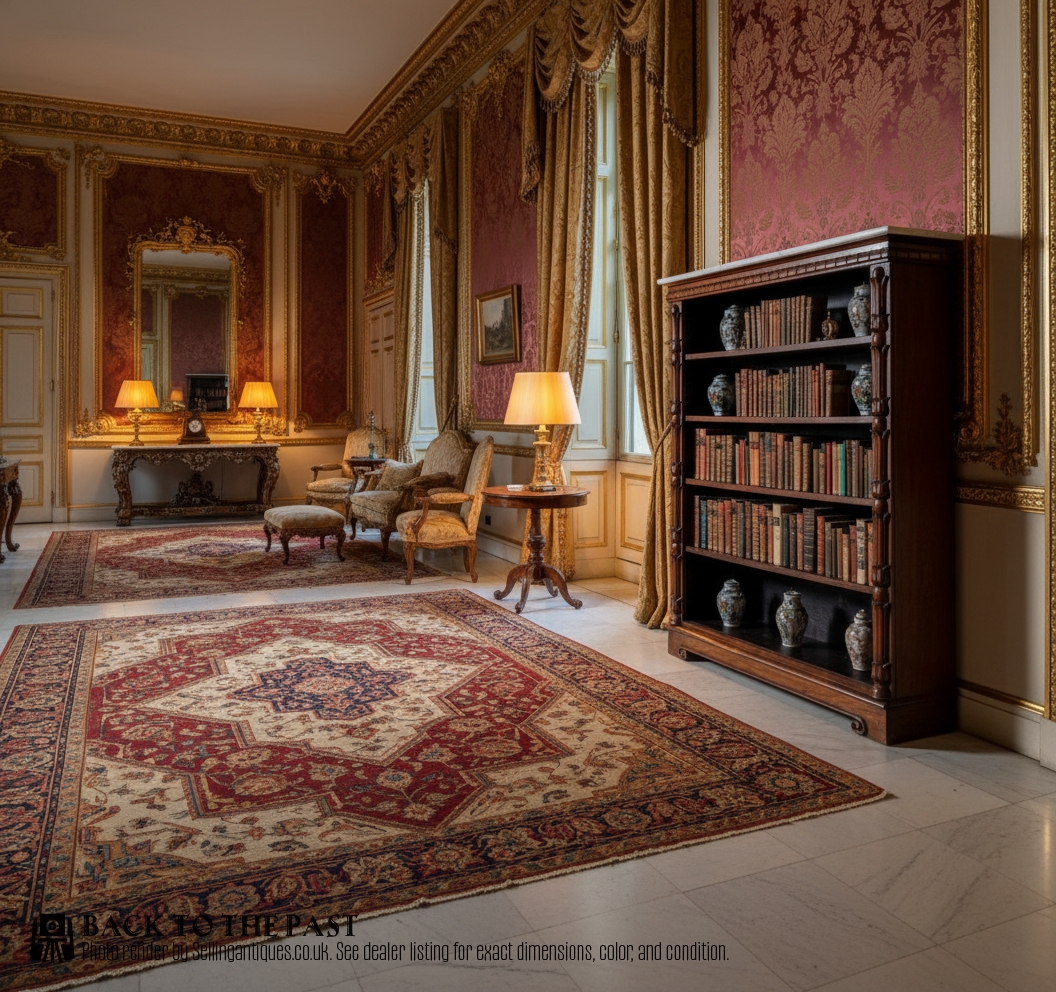
A 19th century open cabinet brings warmth and accessible display space to a room, offering sturdy shelves for books and objects.
19th Century Open Cabinet
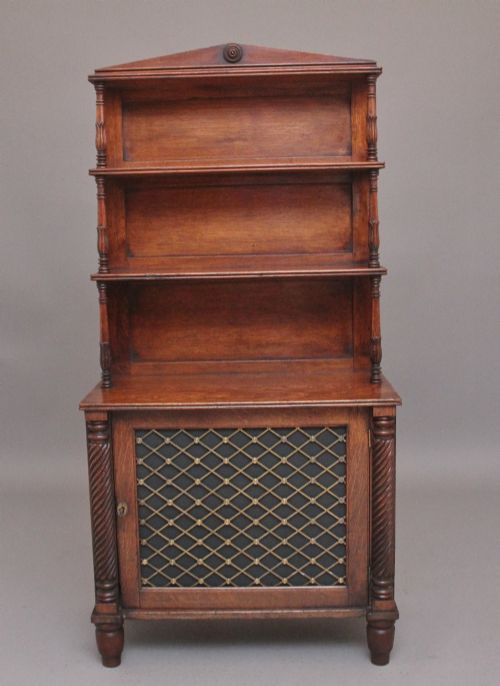
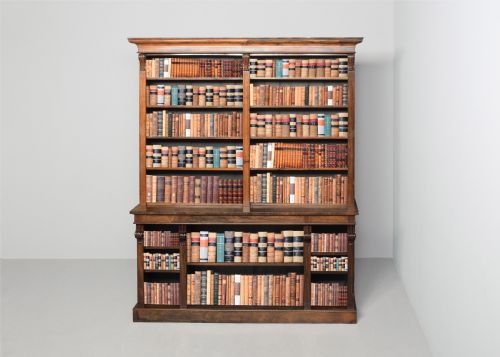
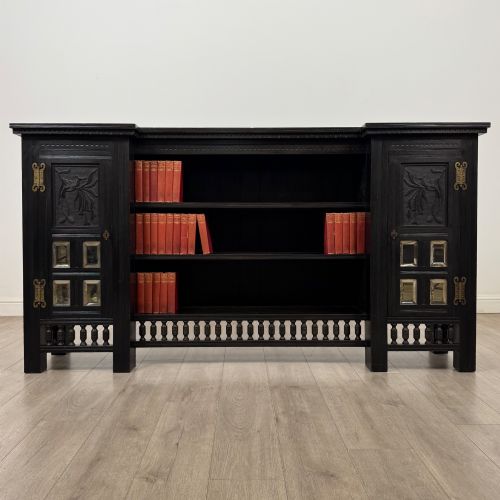
A 19th century open cabinet encompasses pieces designed for display and storage without enclosed front doors, spanning bookcases, waterfall bookcases, etageres, and credenzas. These items serve to hold books and decorative objects while maintaining an open silhouette within a room.
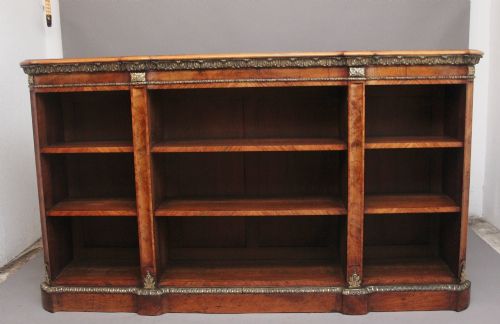
The pieces appearing most frequently across these listings take the form of open bookcases and low bookcases, often dating from the Victorian and Regency periods. Mahogany, walnut, and rosewood form the primary bodies of these accessible storage items.
Originating from British workshops as well as continental makers, these cabinets range from compact corner shelves and bedside cabinets to large breakfront library bookcases. Each variation provides shelf space suited to different domestic layouts.
How they were made
Cabinet makers utilised dense hardwoods such as mahogany, walnut, and rosewood, frequently selecting figured veneers like burr walnut and flame mahogany for visible surfaces. Pine and oak served as structural timbers for carcasses and internal shelving.
Decoration relied on brass inlays, gilt mounts, and ormolu detailing, alongside carved teak and turned legs depending on the regional style. Many examples incorporate adjustable wooden shelving supported by brass pins or rackwork.
19th Century Open Cabinet Retail Price Guide 2026
Typical asking prices for 19th century open cabinet among the pieces listed under this phrase on Sellingantiques today, from the lower quarter to the upper quarter. They describe what is for sale here now, not the wider market.
Several diminutive chiffoniers and bedside cabinets prove that nineteenth-century readers appreciated compact storage just as much as grand libraries.
What varies in quality
The calibre of a piece rests upon the selection of timber veneers and the crispness of applied ormolu mounts and brass details. Superior examples exhibit continuous grain matching across drawer fronts and doors, alongside robust carcass construction.
Detailing such as hand-carved mouldings, fine inlay work, and the inclusion of original adjustable shelving mechanisms distinguish workshop pieces from standard production items of the period.
Gabriel Viardot·Johnstone And Jeanes·Gillows·Edwards And Roberts
The 19th Century Open Cabinet Glossary
- Waterfall bookcase
- A set of open shelves diminishing in depth from bottom to top, popular during the Regency period.
- Credenza
- A low sideboard or cabinet, frequently mounted with ormolu and used for display in nineteenth-century interiors.
- Ormolu
- Gilt-bronze decorative mounts applied to furniture, common in French and high-end Victorian cabinet making.
- Burr walnut
- Timber taken from a walnut tree growth, yielding intricate, swirling grain patterns highly prized for veneer work.
- Shodona
- A Japanese-inspired display cabinet or etagere, reflecting the nineteenth-century European interest in Japonisme.
19th Century Open Cabinet: Frequently Asked Questions
Where should I place an open cabinet?
These cabinets suit living rooms, studies, and hallways where accessible display space is required for books and decorative objects. Their open fronts allow items to be retrieved easily without opening doors.
Position them against interior walls away from direct sunlight to protect polished wood surfaces and timber veneers from fading over time.
Are the shelves adjustable?
Many nineteenth-century open bookcases and cabinets feature adjustable shelving supported by brass pins or wooden rackwork strips. This allows the internal height to be altered for different book sizes.
Fixed shelves do appear in certain vernacular and regional pieces, so checking the internal configuration helps determine storage flexibility.
How do I tell Regency from Victorian pieces?
Regency pieces often display cleaner architectural lines, classical brass inlay, and lighter mahogany or rosewood tones reflecting early nineteenth-century neoclassical tastes. Waterfall forms are particularly typical of this era.
Victorian cabinets tend toward heavier proportions, darker walnut or burr walnut timbers, carved ornamentation, and sometimes gilt or ormolu mounts reflecting later industrial-era production.
What is an etagere?
An etagere is a piece of freestanding furniture consisting of a series of open shelves supported by slender columns or turned legs, used for displaying small ornaments.
Nineteenth-century examples range from French turned-leg designs to Japanese-influenced shodonas, offering a lighter alternative to traditional heavy bookcases.