


19th Century Oak Carvings
These 19th century oak carvings bring substantial architectural weight and intricate relief work into a room.
19th Century Oak Carvings
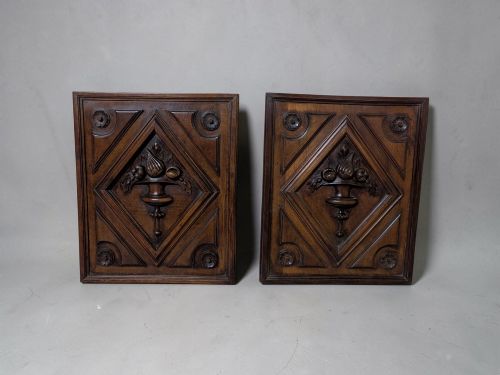
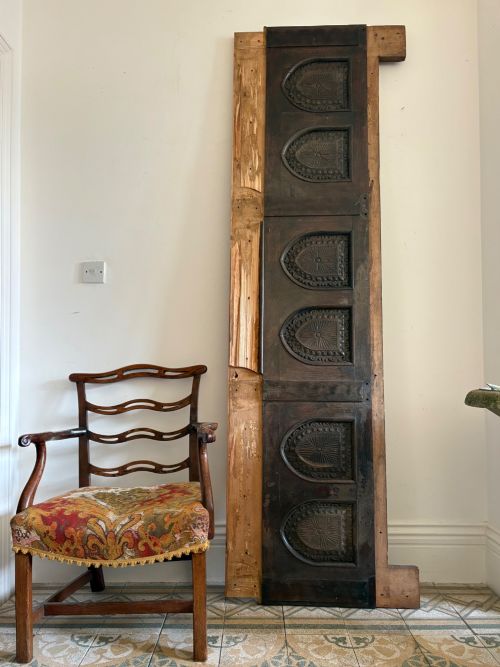
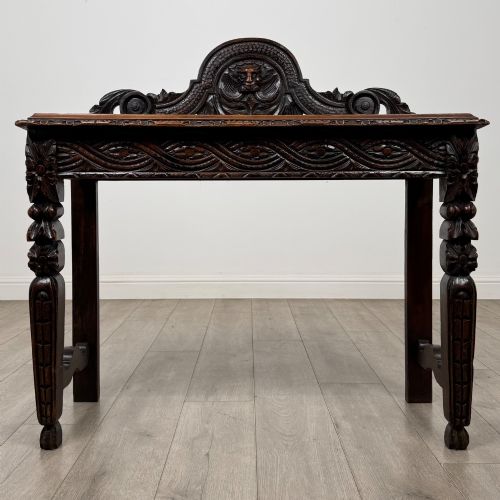
When you search for 19th century oak carvings, you encounter a diverse array of items ranging from architectural salvage and wall panels to figural sculptures and functional furniture. The selection includes architectural fragments like linenfold and parchemin panels alongside religious figures, heraldic shields, and Black Forest animal studies.
The objects stem from various regional traditions including Gothic Revival, German and Welsh folk art, and French Baroque Revival. Architectural elements such as griffin terminals, Tudor Rose ceiling panels, and monumental library bookcases appear frequently beside smaller decorative items like snuff boxes and inkwells.
Materials and Technique
The primary material across the selection is solid oak and hardwood, frequently paired with secondary elements in glass, brass, and metal. Artisans utilised hand-carving techniques to create deep relief figures, chip carving on small boxes, and elaborate scrollwork on furniture.
Surface finishes vary from dark wood patination to natural oiled oak, highlighting the grain and the depth of the chisel work. Construction methods combine traditional joinery for larger pieces like partners desks and bookcases with detailed surface modelling for animal masks and human figures.
The listings demonstrate a strong representation of 19th Century items alongside specific dated entries from 1800 through 1890.
Distinction in Execution
The integrity of the timber and the preservation of original surface patination also dictate distinction. Superior examples retain sharp undercut details in high relief without smoothing from over-cleaning or extensive modern repairs to the carved elements.
The 19th Century Oak Carvings Glossary
- Linenfold
- A style of relief carving used on wooden panels to imitate folded linen fabric. It appears commonly on Tudor and Gothic revival woodwork.
- Griffin
- A mythical creature with the body of a lion and the head and wings of an eagle. Sculpted pairs serve as architectural terminals or furniture supports.
- Green Man
- A sculptural face made of or entwined with leaves, branches, and vines. This motif symbolises rebirth and occurs frequently on nineteenth-century oak furniture.
- Black Forest
- A style of wood carving originating from the mountain region of Germany and Switzerland, characterised by realistic depictions of animals and foliage.
19th Century Oak Carvings: Frequently Asked Questions
How do I identify a genuine nineteenth-century carving?
Examine the tool marks left behind by the carver, as genuine period pieces show consistent hand-chiseled incisions rather than the uniform smoothness of modern machine routing. The timber should exhibit natural oxidation and shrinkage consistent with age.
Check the construction joints and fixings on furniture or panels to ensure they align with historical manufacturing methods. Old beeswax buildup in the recesses of the carving also indicates authenticity.
What is architectural salvage in wood carvings?
Architectural salvage consists of decorative wooden elements rescued from older buildings prior to demolition or renovation. These pieces include ceiling panels, mantel friezes, and wall brackets.
Such items allowed nineteenth-century interiors to incorporate earlier Gothic or Renaissance aesthetic styles into domestic settings. They function today as standalone wall art or integrated components in period room designs.
How should I care for antique oak carvings?
Maintain a stable room temperature and keep wooden carvings away from direct heat sources and strong sunlight. Sudden changes in humidity cause the oak to split or warp over time.
Apply a light coat of microcrystalline wax periodically to nourish the wood and protect the surface finish. Avoid liquid polishes that leave silicone residues in the carved recesses.
What distinguishes Gothic Revival oak work?
Gothic Revival pieces draw inspiration from medieval architecture, featuring pointed arches, tracery, and deeply undercut foliate patterns. The style gained popularity during the Victorian era for both ecclesiastical furnishings and domestic libraries.
Carvings in this tradition often use heavy dark oak to create a solemn and monumental atmosphere. Look for structural elements like linenfold panels and heraldic shields within this category.