



19th Century Metal Vase
A 19th century metal vase brings classical presence and enduring metalwork into a room.
19th Century Metal Vase
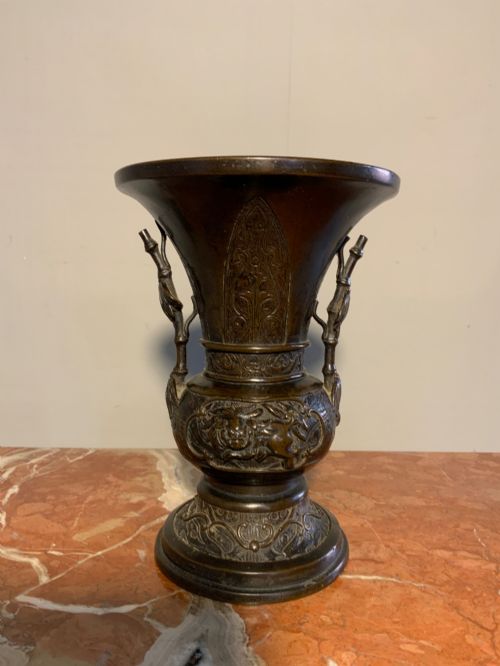
When you search for a 19th century metal vase, you encounter a diverse array of vessels produced across Europe, Asia, and Britain during the 1800s. These pieces encompass decorative urns, ewers, and traditional flower vases fashioned in varied sizes and distinct regional aesthetics.
The selections on this page span several defined periods, including the Victorian era, Regency, and specific decades from the 1860s through to 1900. Asian export pieces from the Meiji and Qing periods appear alongside European Grand Tour reductions and French neoclassical works.
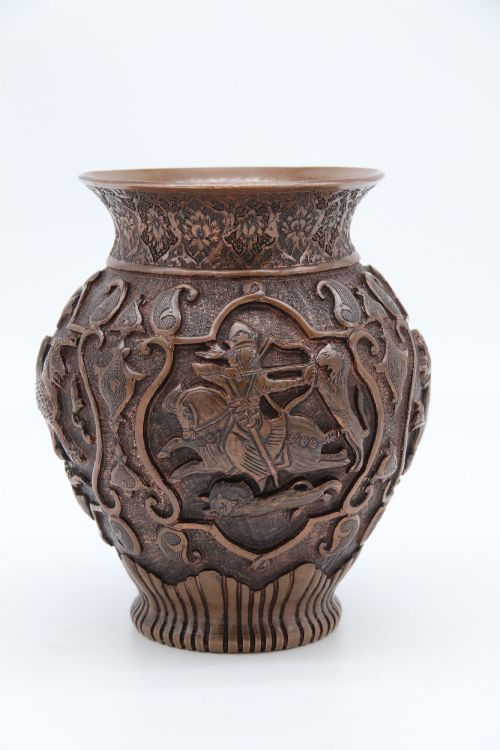
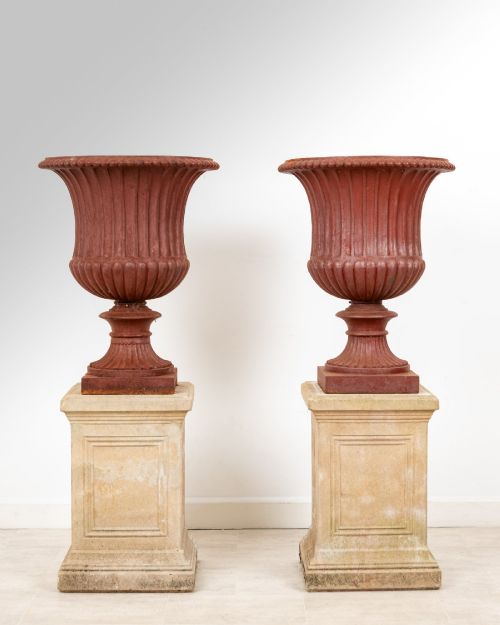
Forms range from compact cabinet miniatures to large palace vases and heavy garden urns mounted on stone pedestals or marble bases. Materials shift from solid bronze and cast iron to delicate cloisonné enamel and repoussé copper.
How they were made
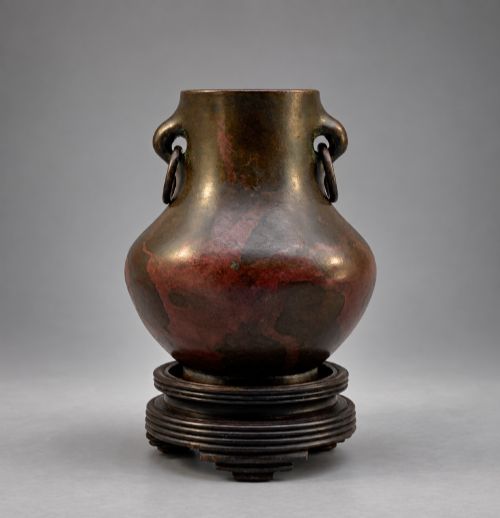
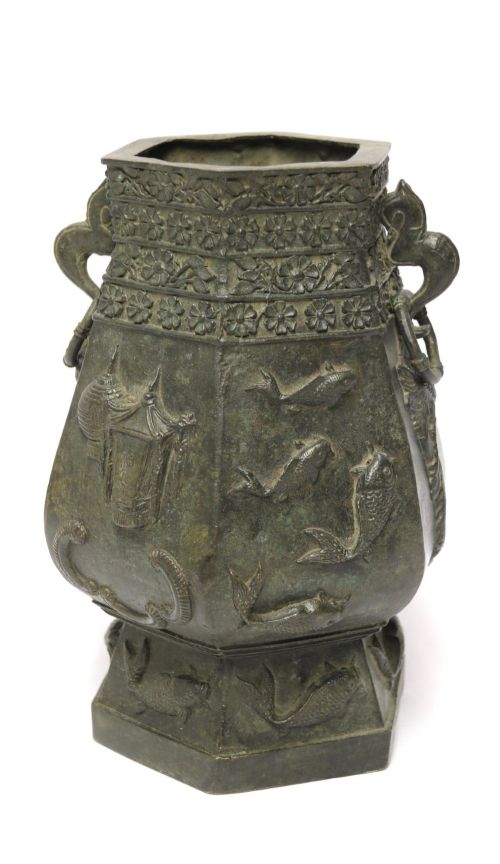
Makers utilised casting techniques for heavy metals, producing solid bronze vessels, cast iron garden urns, and spelter figures mounted on stone or marble bases. Bronze pieces often received patination or gilt bronze and ormolu applications to heighten decorative contrast.
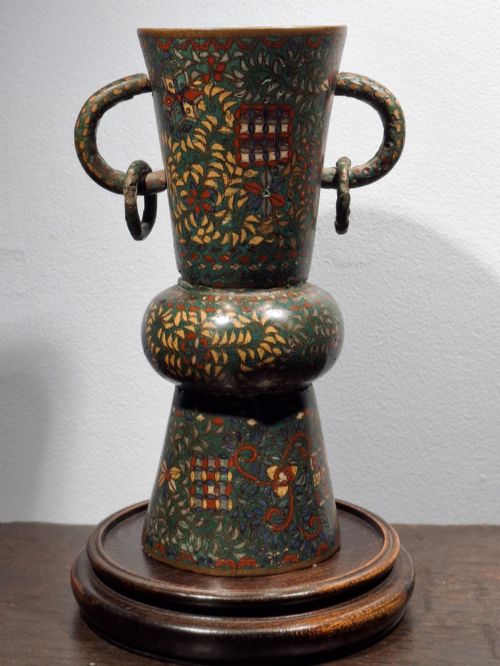
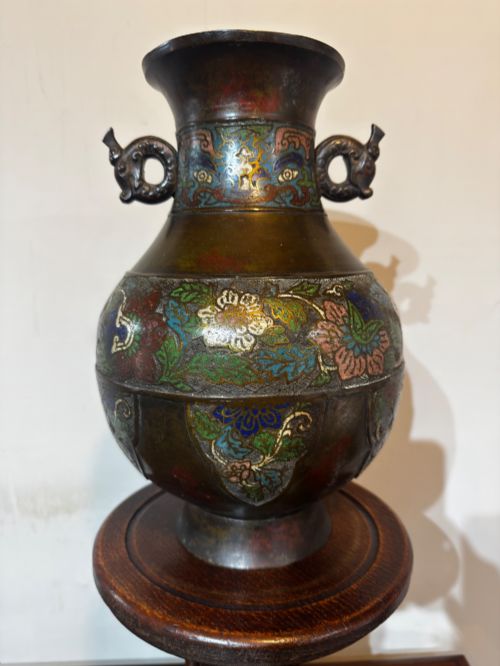
Enamelling techniques such as cloisonné and champlevé created intricate surface patterns on copper and bronze bodies, integrating coloured vitreous pastes within wire compartments or recessed channels. Artisans also worked in copper and silver-plated alloys, employing repoussé methods to hammer relief designs from the reverse side.
19th Century Metal Vase Retail Price Guide 2026
Typical asking prices for 19th century metal vase among the pieces listed under this phrase on Sellingantiques today, from the lower quarter to the upper quarter. They describe what is for sale here now, not the wider market.
The selection includes regional styles ranging from French neoclassical campana urns and Grand Tour reductions to Japanese Meiji bronzes.
What varies in quality
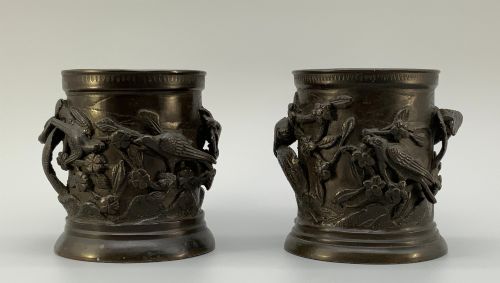
The standard of a vessel rests upon the crispness of its casting and the precision of its surface ornamentation. Superior examples display sharply defined relief work, whether depicting classical mythological scenes with bacchic masks and putti or naturalistic birds and blossoms.
Material composition and structural weight also differentiate the range, with solid bronze and heavy cast iron standing apart from lighter spelter alternatives. Furthermore, the complexity of applied finishes, from multi-coloured enamel work to fire-gilded ormolu, determines the sophistication of the piece.
The 19th Century Metal Vase Glossary
- Campana urn
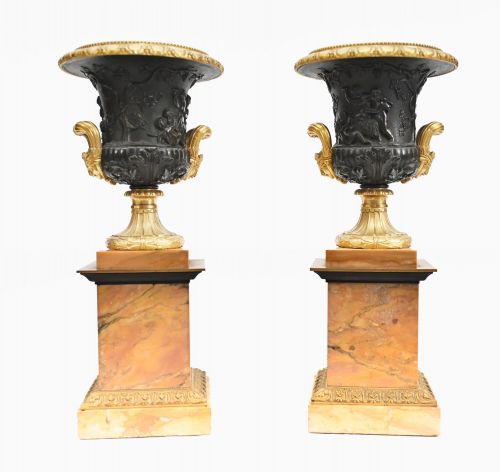
- A bell-shaped vessel with an everted rim, commonly associated with classical garden ornaments and Grand Tour souvenirs. These forms frequently rest upon square plinth bases.
- Cloisonné
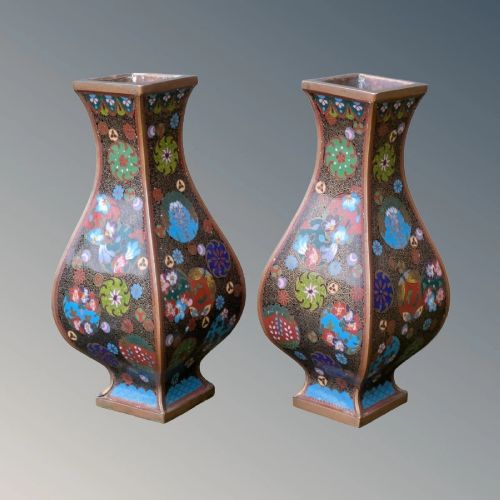
- An enamelling technique where metal wire is soldered to a metal base to form compartments, which are then filled with enamel paste and fired. This method produces intricate colourful designs across the body of the vase.
- Grand Tour
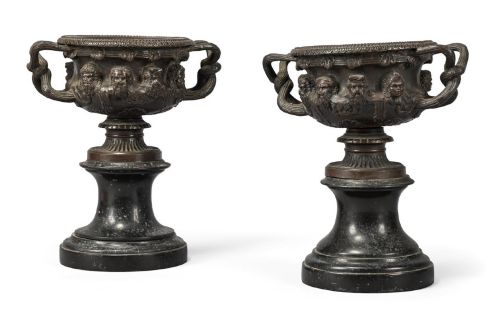
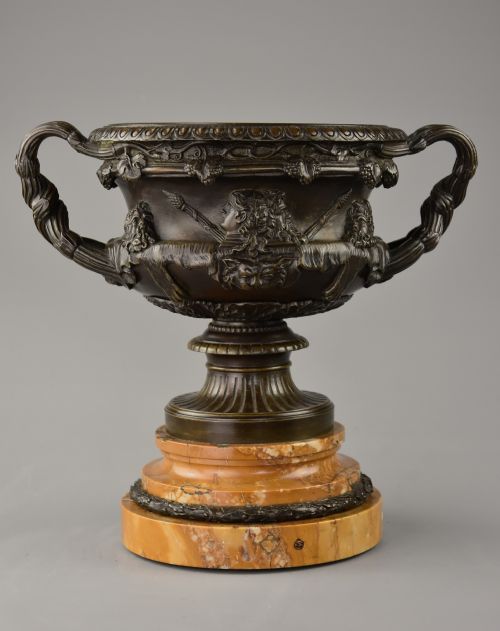
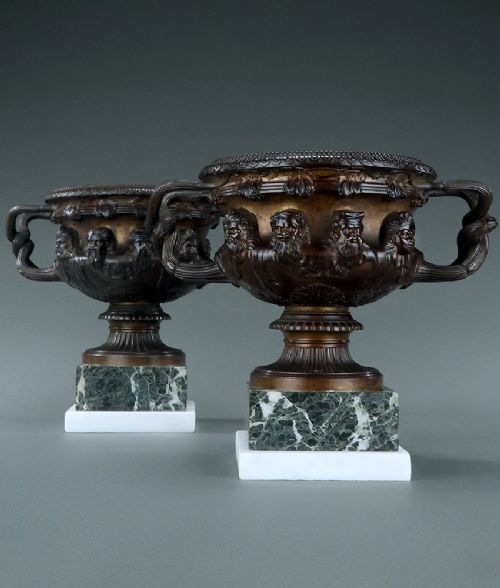
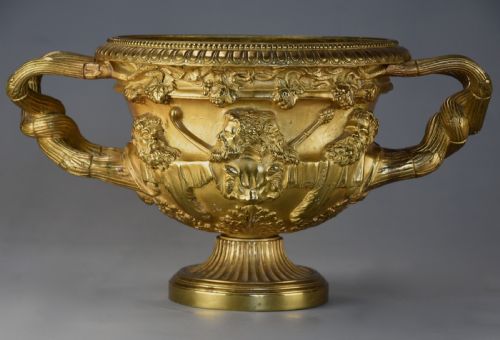
- A traditional trip of Europe undertaken by upper-class young men of the 18th and 19th centuries, resulting in the acquisition of art and bronze reductions of ancient monuments. These souvenir vases often depict famous antiquities such as the Warwick or Albani designs.
- Ormolu
- Finely ground high-carat gold applied to a bronze base using a mercury amalgamation process, creating a rich golden surface. The technique was widely utilised by French makers on decorative urns and clock sets.
- Repoussé
- A metalworking technique where an artisan hammers a sheet of metal from the reverse side to create a raised design in relief on the front. This method appears on copper vessels from the period.
19th Century Metal Vase: Frequently Asked Questions
What is a Grand Tour vase?
A Grand Tour vase is a smaller scale bronze or metal reduction of a famous classical antiquity, collected by travellers visiting Italy during the nineteenth century. These decorative objects replicate famous archaeological finds like the Warwick vase for display in domestic interiors.
They serve purely as decorative mantel or table pieces rather than functional flower holders, reflecting nineteenth century scholarly interest in classical antiquity and sculpture.
How do I care for antique bronze?
Antique bronze requires minimal intervention, needing only gentle dusting with a soft, dry cloth to preserve its natural patination. Avoid using chemical polishes or water, which can strip the aged surface finish and damage patinated or gilded details.
Stable indoor humidity helps prevent any surface corrosion on exposed copper alloys or cast iron. Keeping the pieces away from direct heat sources protects any underlying marble or wooden bases.
What is spelter?
Spelter is a zinc-alloy material that was frequently utilised in the nineteenth century as a less expensive alternative to bronze. It was cast into decorative urns and figures, then typically painted with a bronze-like finish to mimic heavier metal.
While lighter and softer than bronze, spelter allowed manufacturers to produce highly detailed decorative items at a lower cost. These pieces often appear mounted on slate or marble plinths for added stability.
How are Japanese export pieces dated?
Japanese export metalwork and cloisonné from this era are often dated by historical periods such as the Meiji era or through stylistic markers like signature panels. The opening of trade during the late nineteenth century led to an influx of intricate bronze and enamel vessels destined for Western markets.
Makers incorporated traditional motifs like phoenixes and dragons alongside refined chasing and wiring techniques. Many of these signed vessels reflect the transition of traditional temple craft into high-end decorative art.