

19th Century Medallion
When you examine a 19th century medallion, you hold a piece of history shaped by classical revival and global trade.
19th Century Medallion
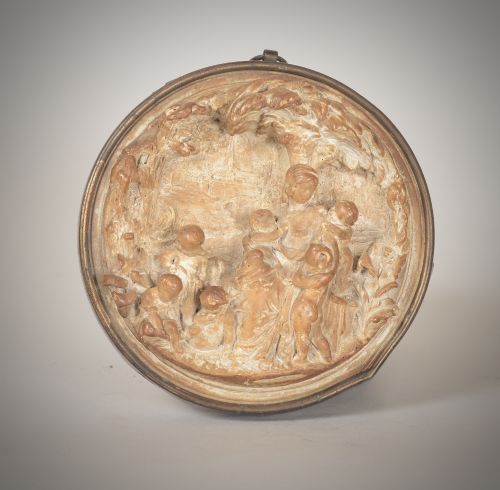
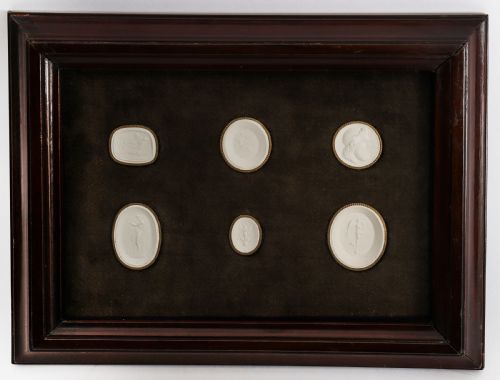
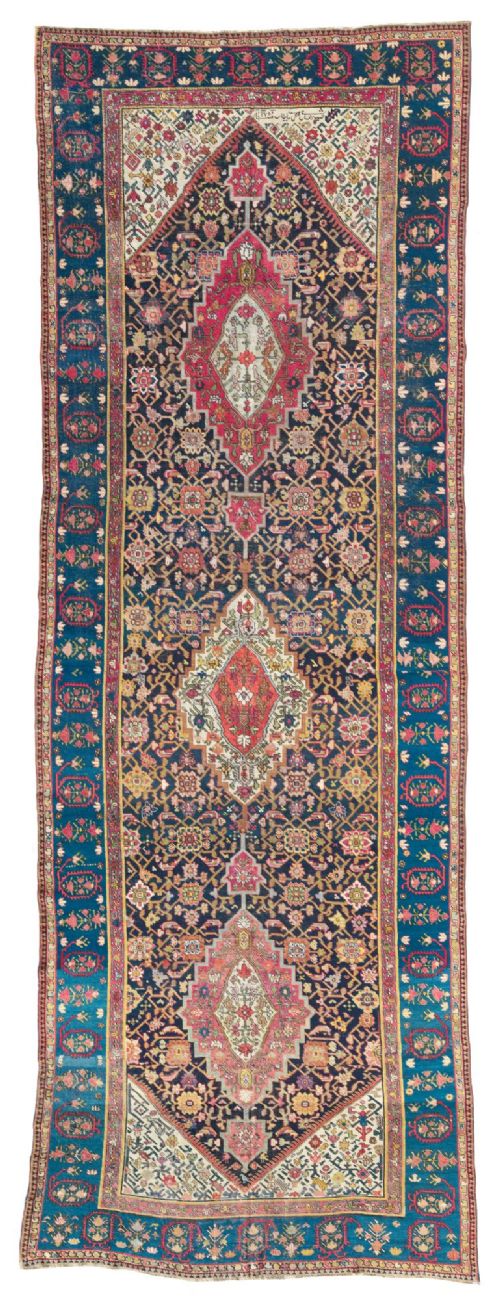
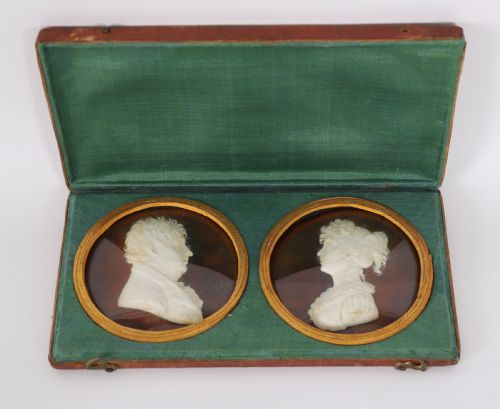
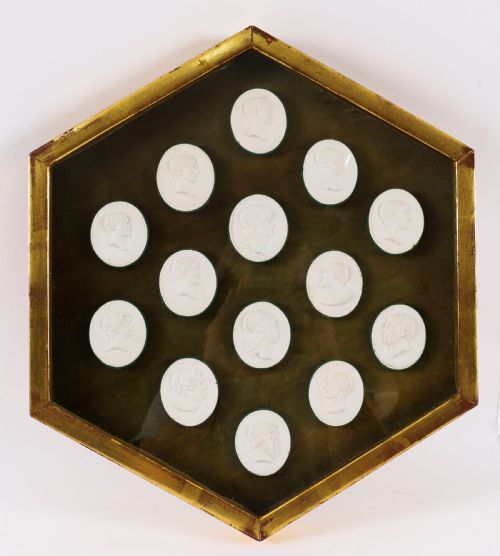
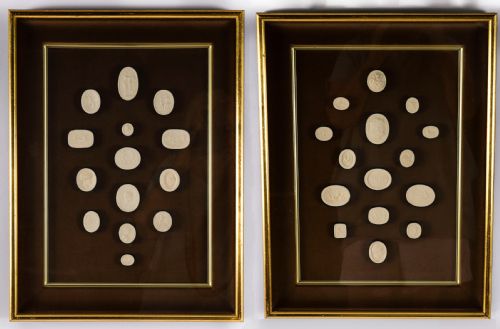
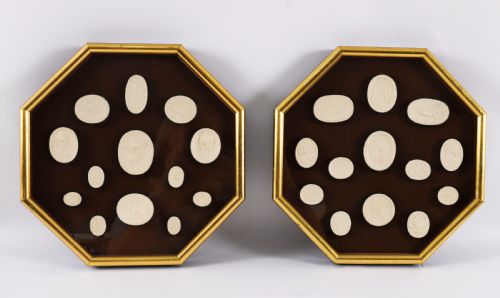
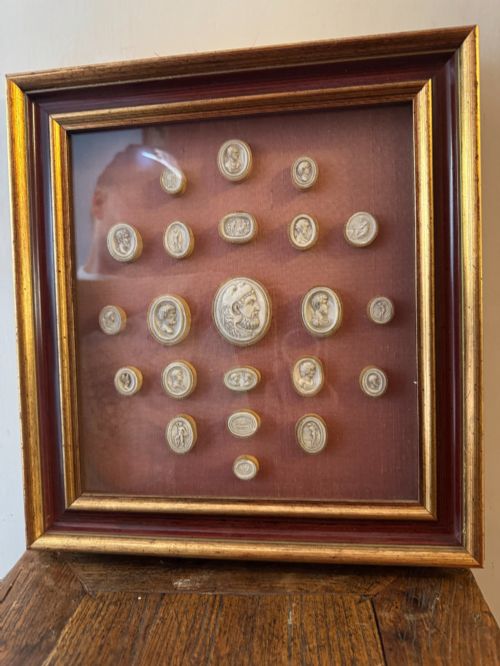
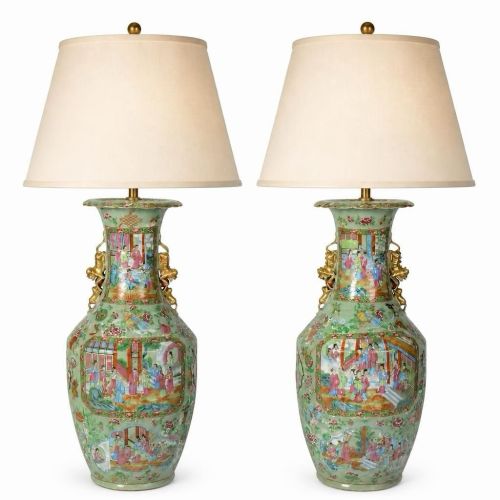
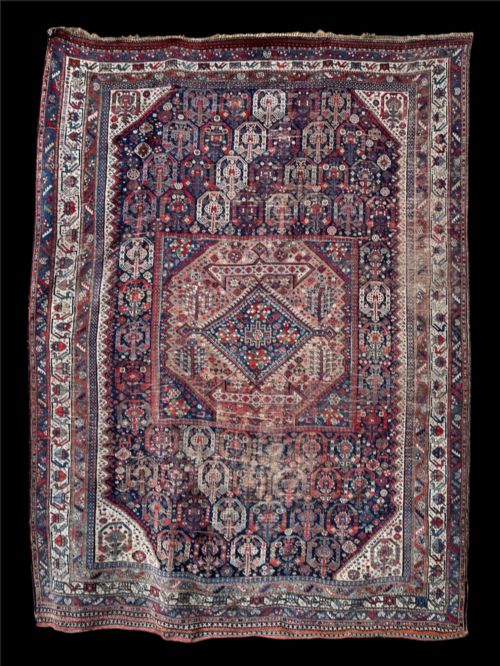
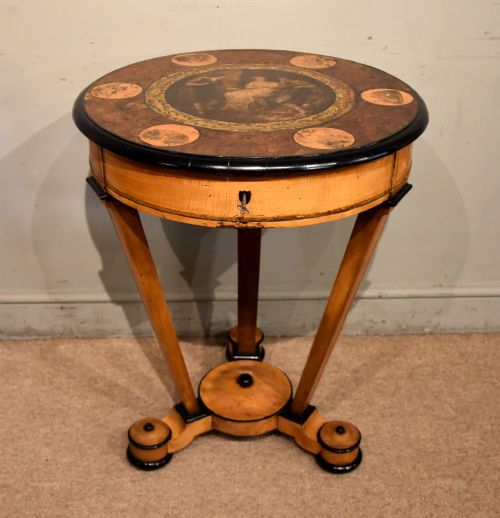
A 19th century medallion encompasses diverse objects ranging from framed classical intaglio collections and wax portraits to porcelain rose medallion dishes and woven tribal carpets featuring central motifs.
Buyers will frequently encounter Grand Tour plaster and gypsum intaglio panels alongside Chinese Canton export ceramics and Persian wool rugs when browsing this selection.
These items reflect both European academic interest in antiquity and the rich decorative arts of Persian, Caucasian, and Chinese traditions during the 1800s.
Materials and Techniques
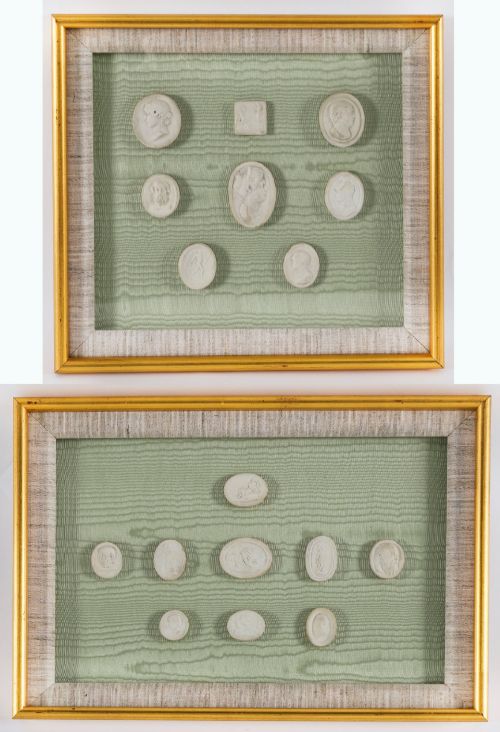
Plaster, gypsum, glass, and wax were utilised to cast detailed classical intaglios and portrait reliefs, often mounted within wooden frames or enclosed in boxes.
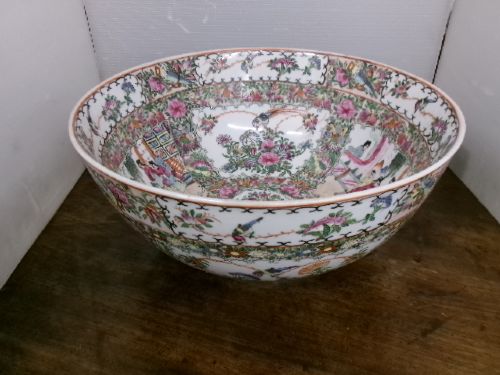
Ceramic pieces such as porcelain dishes and vases employ hand-painted enamel and gold leaf, characteristic of both European factory work and Chinese Canton production.
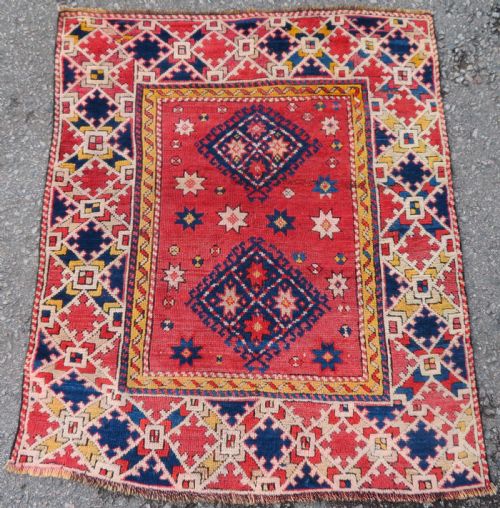
Woven carpets and textiles incorporate wool and cotton yarns, utilising natural dyes to build complex geometric and floral patterns.
Materials recorded on this page include glass, gold leaf, velvet, and cotton alongside traditional ceramics and carved wood.
Assessing Quality and Execution
The crispness of detail in moulded plaster or wax reliefs distinguishes finer sculptural works from softer, worn impressions.
In painted porcelain and enamel items, the precision of brushwork and the vibrancy of the palette determine the standard of execution.
For woven carpets and textiles, the density of the knotting and the complexity of the central design layout define the upper tier of production.
Giovanni Liberotti·Clement Messier·Mainfroy
The 19th Century Medallion Glossary
- Intaglio
- A design carved into a material so that the impression rises above the background when cast, or sinks below the surface. These were popular souvenirs during the Grand Tour.
- Grand Tour
- A traditional trip of Europe undertaken by upper-class European young men of means in the 18th and 19th centuries. Travellers collected plaster casts, intaglios, and bronzes as mementos.
- Rose Medallion
- A style of Chinese export porcelain decorated with panels of figures, birds, and flowers centred around a prominent pink medallion motif. Production peaked during the Qing dynasty.
- Famille Rose
- A major palette of Chinese ceramic glazes introduced in the Qing dynasty, distinguished by opaque pink or rose enamels. It allowed for greater shading and tonal gradation than earlier styles.
- Kelleh
- A large, elongated format of Persian rug, narrower than a carpet but longer than a standard rug, often featuring medallion designs.
19th Century Medallion: Frequently Asked Questions
What is a Grand Tour intaglio collection?
These collections comprise small-scale casts of classical engraved gems, moulded in plaster, glass, or wax by 19th-century artisans. Travellers purchased them housed in custom frames as scholarly souvenirs of ancient art.
They offer a window into Victorian collecting habits and classical education, preserved neatly in wooden display boxes or wall frames.
How do I care for antique porcelain dishes?
Keep painted porcelain away from direct sunlight to protect the enamel colours and gold leaf accents. Dust them gently with a soft, dry cloth rather than using liquid cleaners.
Display them securely on stable surfaces or mounted in appropriate frames to prevent chipping.
Where were rose medallion porcelain pieces made?
These decorative vessels and tableware items were manufactured in Canton, China, primarily for export to Western markets during the 19th century. They combine traditional Chinese ceramic techniques with motifs tailored for European and American tastes.
The distinctive pink enamel panels make them instantly recognisable among Qing dynasty export wares.