

19th Century Marble Top
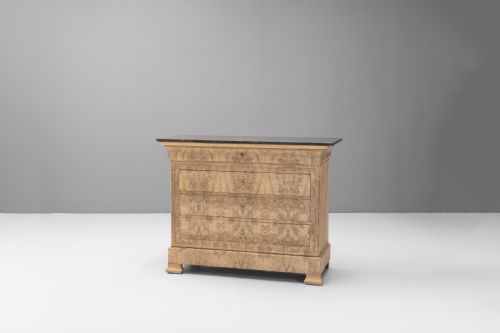
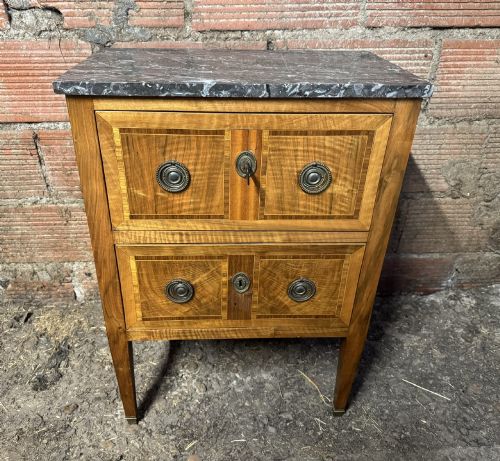
These pieces bring a robust surface to practical furniture, uniting stone slabs with timber frames across the 19th century marble top selection.
19th Century Marble Top
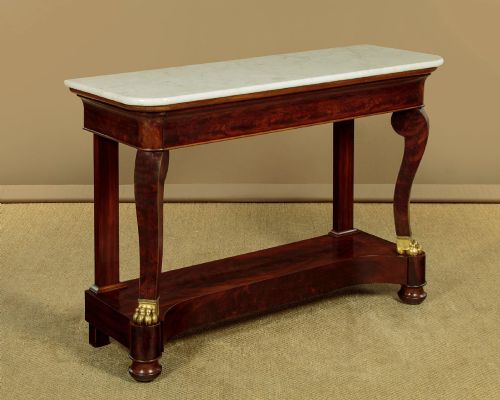
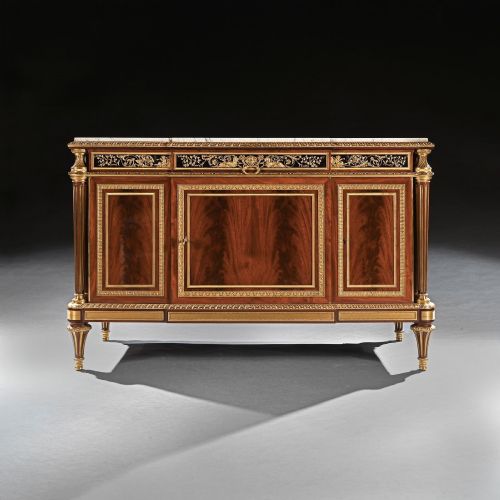
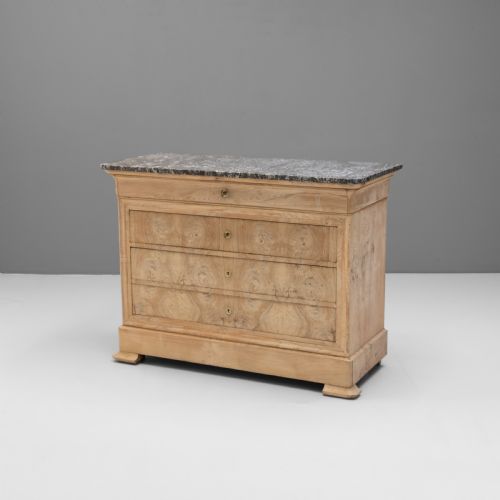
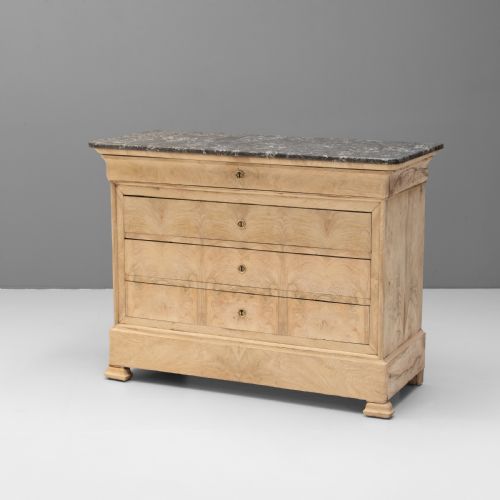
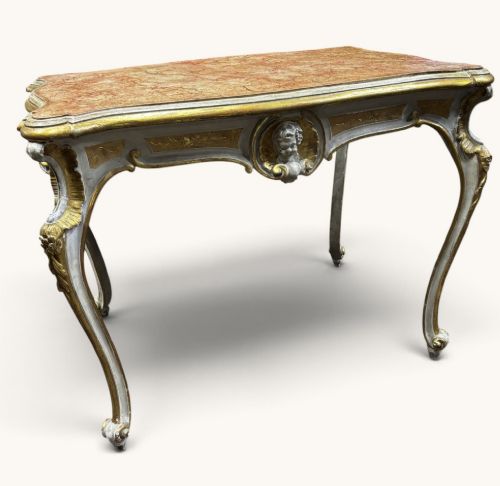
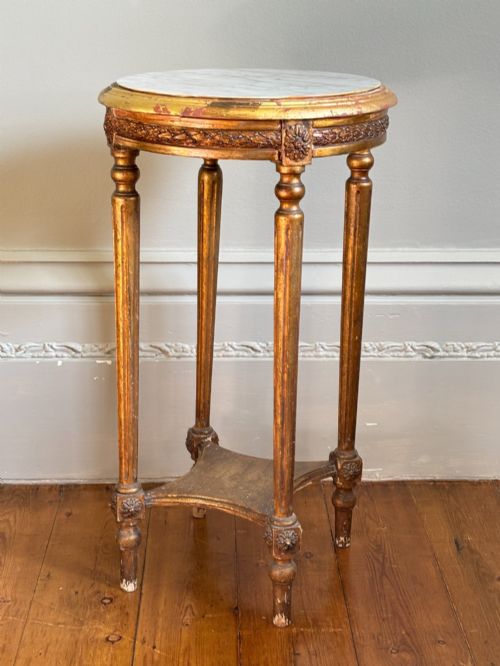
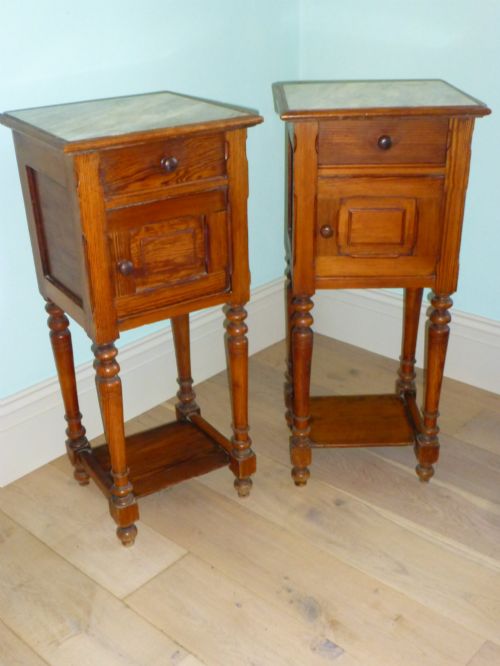
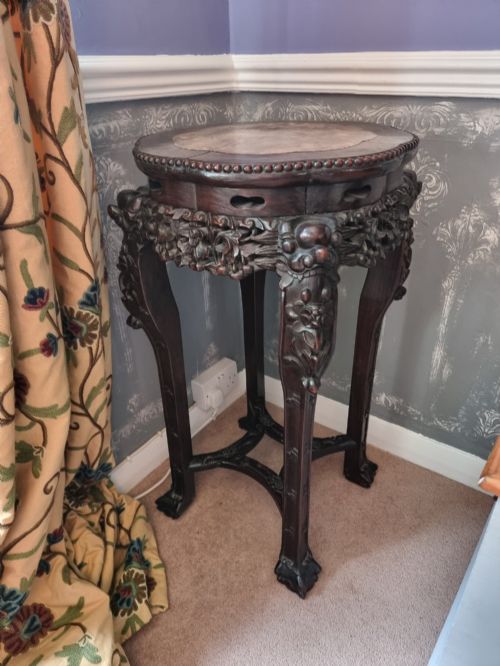
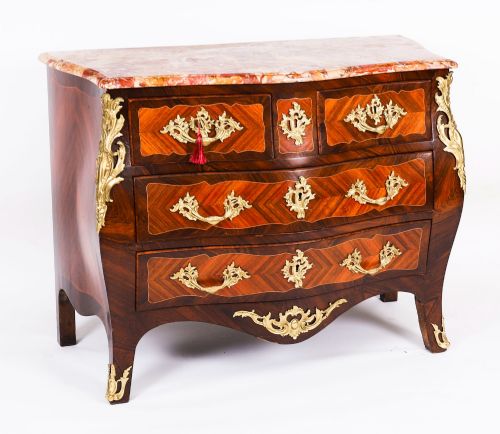
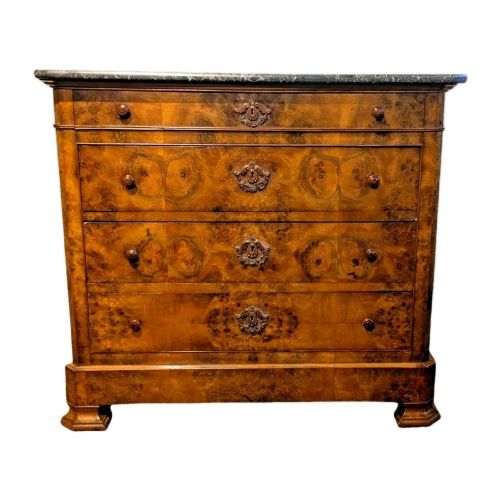
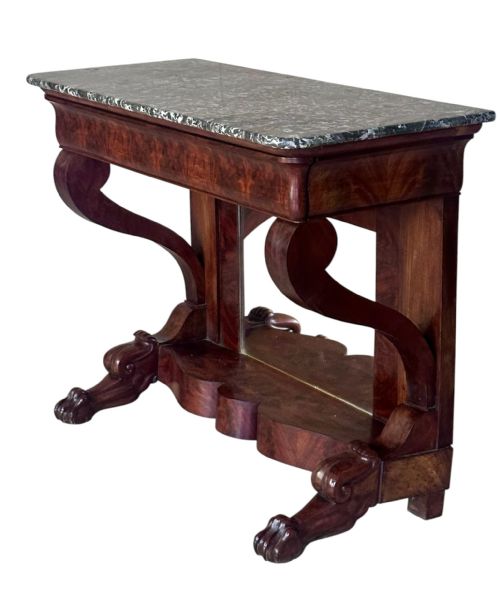
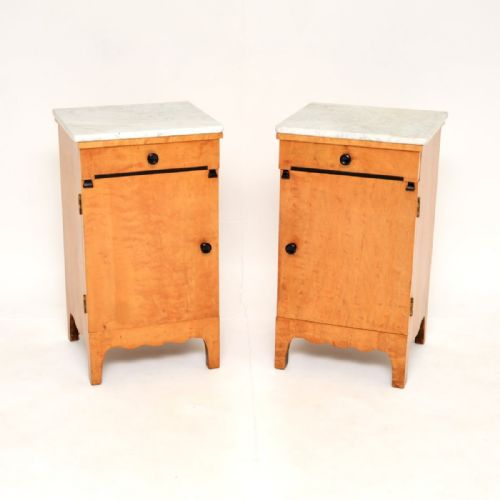
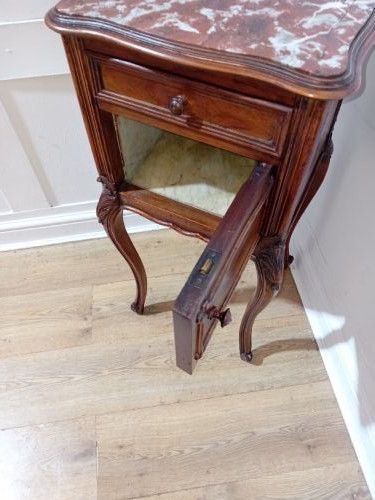
The 19th century marble top brings together solid stone surfaces and supportive timber or metal frames, taking forms such as commodes, console tables, and bedside cabinets. Buyers exploring this category encounter pieces designed for storage and display, where a cool stone slab meets the warmth of mahogany, walnut, or painted wood.
French regional and revival pieces dominate the selections here, alongside English Victorian and Scandinavian examples. Cabinets and commodes provide enclosed storage topped by fitted stone, while side tables and centre tables elevate stone to a primary display surface.
Periods span the Victorian era, Regency, and French Empire styles, reflecting diverse domestic interiors from the period. A 19th century marble top serves utilitarian duties in washstands and bedside cabinets while offering decorative elegance in console and pier tables.
How They Were Made
Carpeneters built structural frames from mahogany, walnut, satin birch, and pitch pine, often employing veneers of kingwood, rosewood, or marquetry. Ormolu mounts, brass details, and giltwood accents embellished the timber carcasses, while iron supported industrial or garden variations.
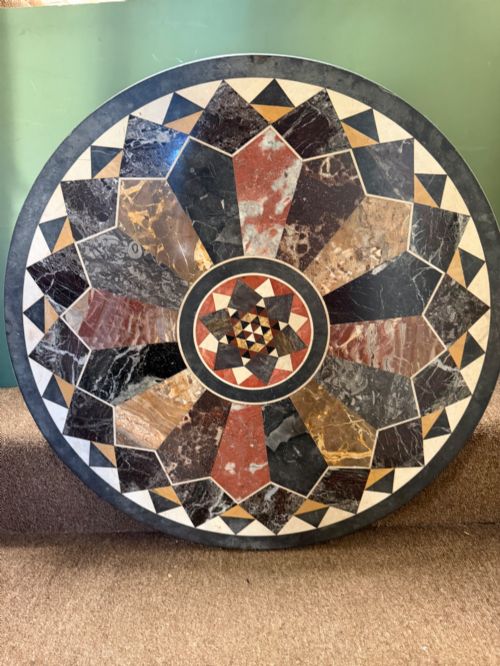
Masons shaped and polished marble, grey stone, and specimen stone slabs to fit precisely onto timber recesses. Marquetry inlays and parcel-gilt treatments added surface detail to the woodwork beneath the heavy stone plates.
19th Century Marble Top Retail Price Guide 2026
Typical asking prices for 19th century marble top among the pieces listed under this phrase on Sellingantiques today, from the lower quarter to the upper quarter. They describe what is for sale here now, not the wider market.
Periods represented span across the 19th century, incorporating Regency, Victorian, and French Empire designs.
What Varies in Quality
The integration of the stone to the timber base determines much of the structural harmony. Precision in the cut of the marble slab and the stability of the underlying commode or table carcass distinguish finer workshop output from simpler domestic furniture.
The selection of timber veneers and the intricacy of bronze, ormolu, or giltwood mounts elevate the visual weight of a piece. Specimen marble inlays and delicate marquetry indicate higher ambition in the original manufacture.
JACOB
The 19th Century Marble Top Glossary
- Commode
- A low chest of drawers or cabinet with a fitted top. These units frequently feature marble slabs designed to handle everyday use.
- Gueridon
- A small round table supported by a central column or pillar. Many examples pair a circular marble top with timber or iron bases.
- Ormolu
- Gilded bronze mounted onto furniture as decorative hardware. This technique provides metallic contrast against dark woods like mahogany and walnut.
- Bouillotte table
- A small card or game table with a raised gallery edge around the top. They commonly feature inset marble surfaces for stability during play.
19th Century Marble Top: Frequently Asked Questions
How do I clean a marble top?
Use a soft damp cloth with mild soap to wipe the surface clean. Avoid acidic cleaners that etch the polished stone.
Dry the slab thoroughly afterwards to maintain the natural sheen and prevent water marks.
Were these tables used for dining?
Centre tables and console tables served decorative and display purposes in drawing rooms and halls rather than heavy dining.
Their stone surfaces accommodated lamps, ornaments, and games rather than large meals.
Can bedside cabinets handle heavy items?
Bedside cabinets and commodes utilise sturdy timber carcasses beneath thick stone slabs to support substantial weight.
Their robust construction ensures stability for lamps and heavy objects placed on the surface.