



19th Century Mahogany Bar
A 19th century mahogany bar gathers diverse forms, from dining seating with curved rails to serving counters and instruments.
19th Century Mahogany Bar
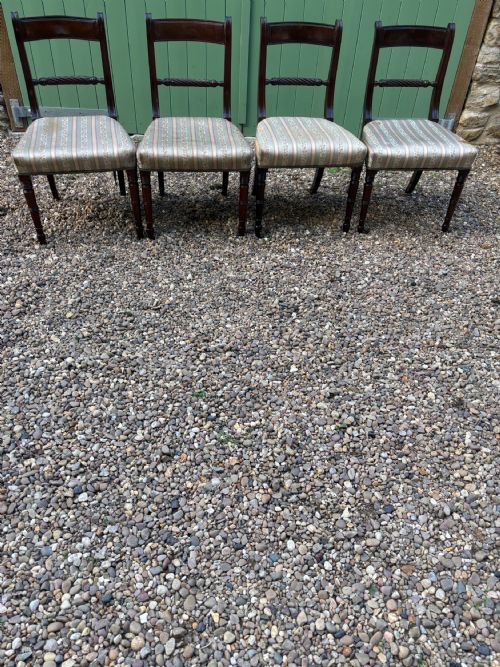
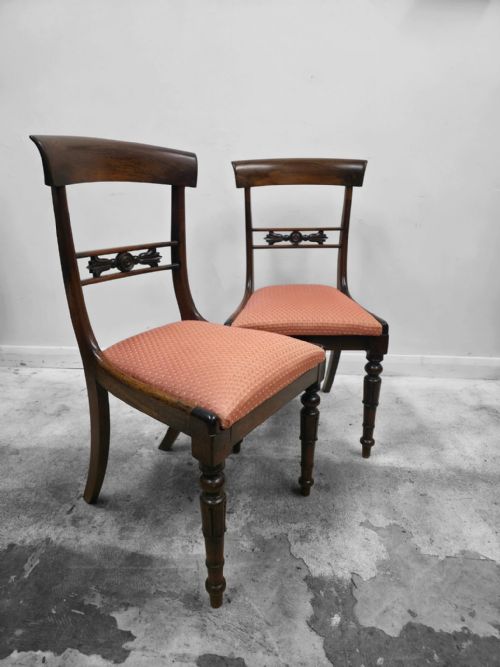
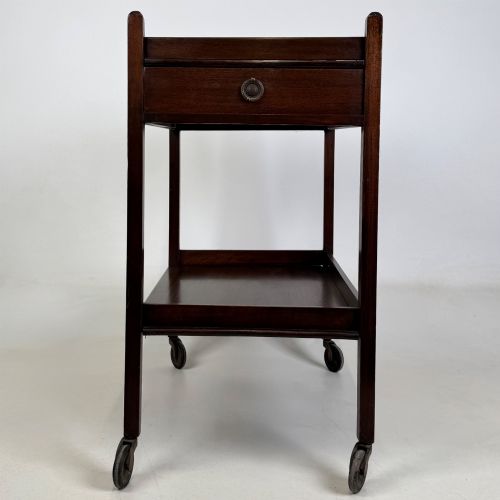
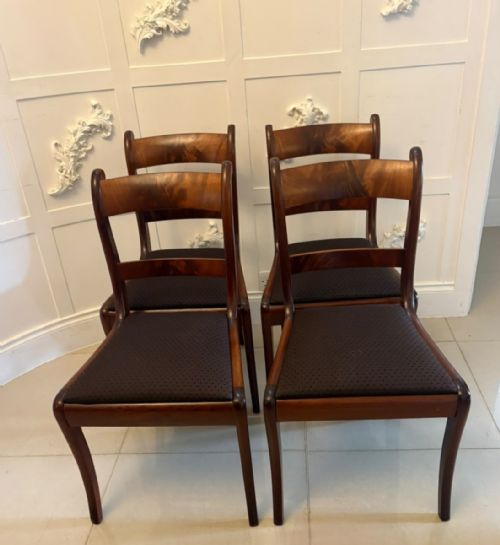
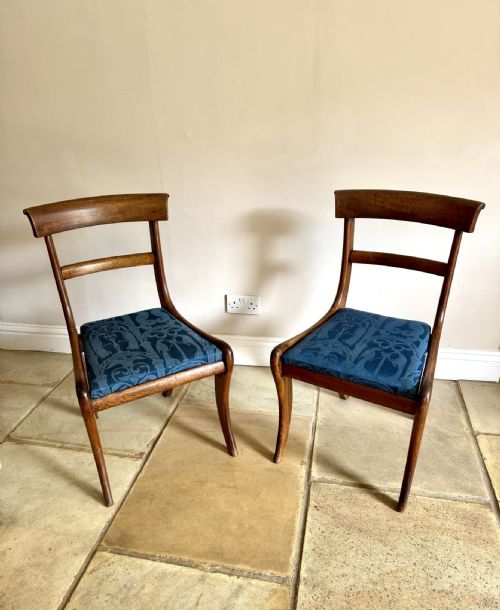
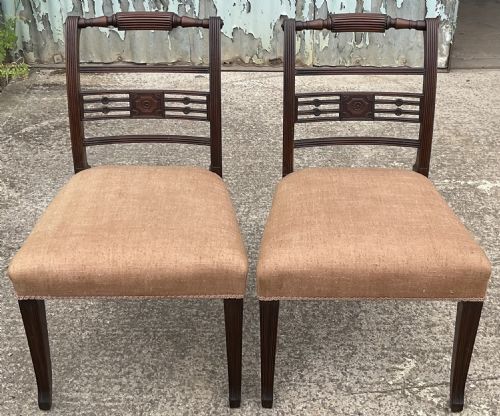
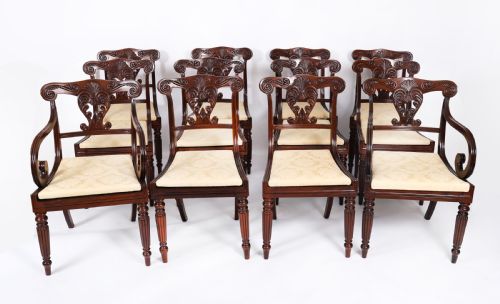
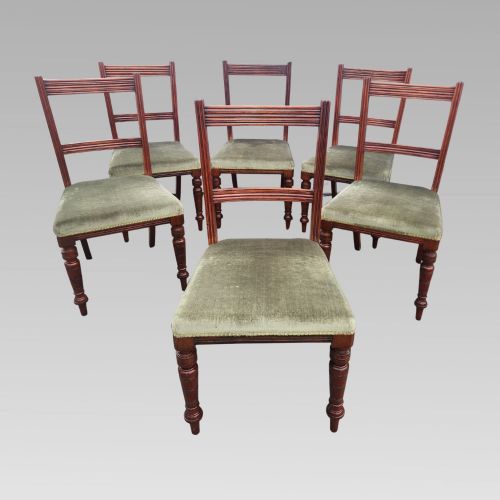
When searching for a 19th century mahogany bar, buyers encounter a mix of dining chairs featuring horizontal cross rails, architectural drinking counters, and scientific instruments housed in wood cases. The phrase spans specific seating with shaped top rails alongside actual front and back refreshment counters from the Victorian era.
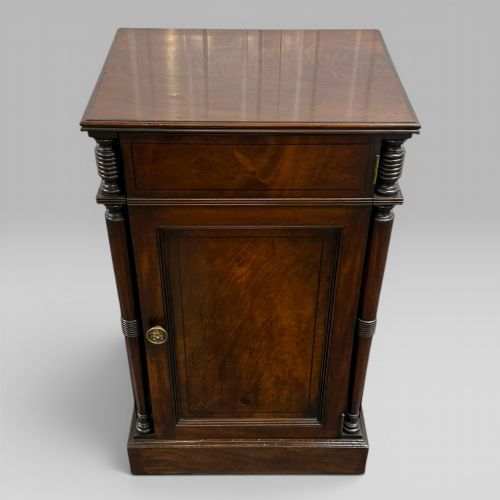
The most common items meeting this description are dining chairs displaying horizontal wooden support rails, often classified under Regency, William IV, and Victorian periods. Alongside these, trade items such as drinks cellarettes, bottle coolers, and commercial serving fixtures appear frequently within the records.
Materials and Construction Methods
Cabinet makers utilised solid mahogany and flame mahogany veneers applied to structural carcases, frequently combining the timber with brass mounts, leather, or velvet upholstery. Turning, reeving, and curved shaping defined the joinery techniques used across seating frames and cabinet work.
Scientific apparatus and drinking furniture employed staved construction and turned wooden barrels alongside glazed doors fitted with bronze framing bars. Surface finishes relied on natural polishing methods that highlighted the grain patterns inherent in the dense tropical timber.
Several items double as weather instruments, meaning your furniture could warn you about rain before you step outside.
Determinants of Quality
Quality rests upon the selection of timber figures, such as matched flame veneer panels, and the crispness of hand-carved details on splats, legs, and mouldings. Pieces exhibiting integrated structural harmony and sophisticated turning demonstrate superior craftsmanship compared to plain utility items.
Originality of components, including matching sets of chairs and intact hardware like brass castors or ormolu mounts, elevates a piece. The depth of the timber's natural patina and the precision of joinery separate standard production items from workshop examples attributed to notable makers.
Gillows·James Reilly·Barraud and Lunds
The 19th Century Mahogany Bar Glossary
- Bar Back
- A chair design featuring a horizontal wooden cross rail across the upper backrest, often curved to fit the spine. This style dominates Regency and Victorian seating.
- Cellarette
- A lockable container or cabinet designed to hold wine bottles and decanters safely. These were often lined and placed beneath sideboards or used freestanding.
- Wellington Chest
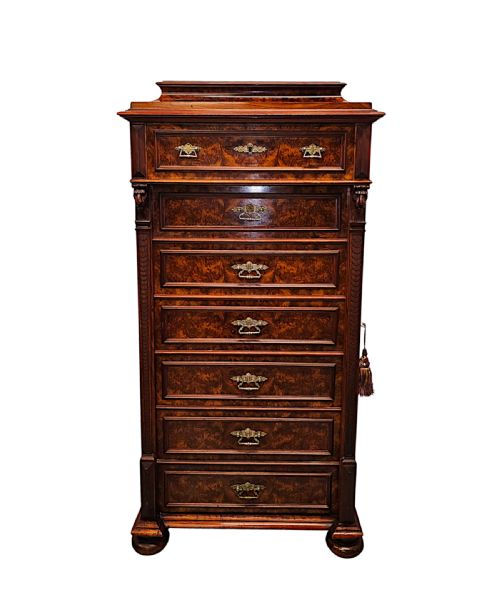
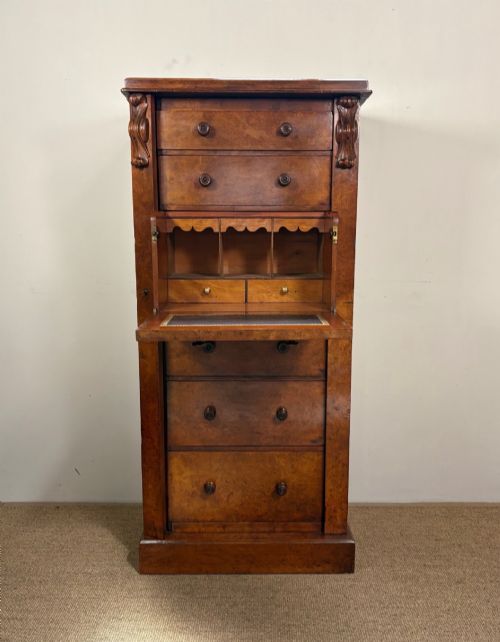
- A tall, narrow set of drawers secured by a hinged vertical locking side bar held with a padlock. They originate from the mid 19th century.
- Flame Mahogany
- A veneer cut from the fork of the mahogany tree where branches join the trunk. It creates a distinctive, highly figured flame-like pattern.
- Barometer
- A scientific instrument encased in mahogany used for measuring atmospheric pressure. Stick and wheel variants frequently date to the early 19th century.
19th Century Mahogany Bar: Frequently Asked Questions
What defines a bar back chair?
A bar back chair incorporates a curved horizontal wooden slat across the upper section of the backrest. This design offers ergonomic support and became widespread during the Regency and William IV periods.
Makers often embellished these horizontal rails with carved scrollwork, reeding, or inlaid brass details to distinguish finer dining sets.
How do I identify a Wellington chest?
A Wellington chest is instantly recognised by its tall, slender proportions and a hinged locking timber stile on the right side. This vertical bar secures all the drawers simultaneously when locked with a small key.
Most examples date from the Victorian era and were utilised as compact gentlemen's storage for papers or linen.
What is the difference between a cellarette and a wine cooler?
A cellarette is typically a freestanding or under-counter box designed specifically to store and sometimes chill wine bottles. Wine coolers can encompass similar fitted boxes, often elevated on stands or legs.
Both items frequently feature lead or zinc linings inside the mahogany casing to hold ice.
How should I care for mahogany furniture?
Mahogany benefits from protection against direct sunlight and excessive heat fluctuations that dry out the timber. Applying traditional beeswax polish helps maintain the lustre of the wood grain.
Avoid placing wet glasses directly on antique surfaces by using coasters or trays.