
19th Century Louis XV Table
A 19th century louis xv table brings curved rococo elegance and fine marquetry into a room, offering both practical surface space and decorative French style.
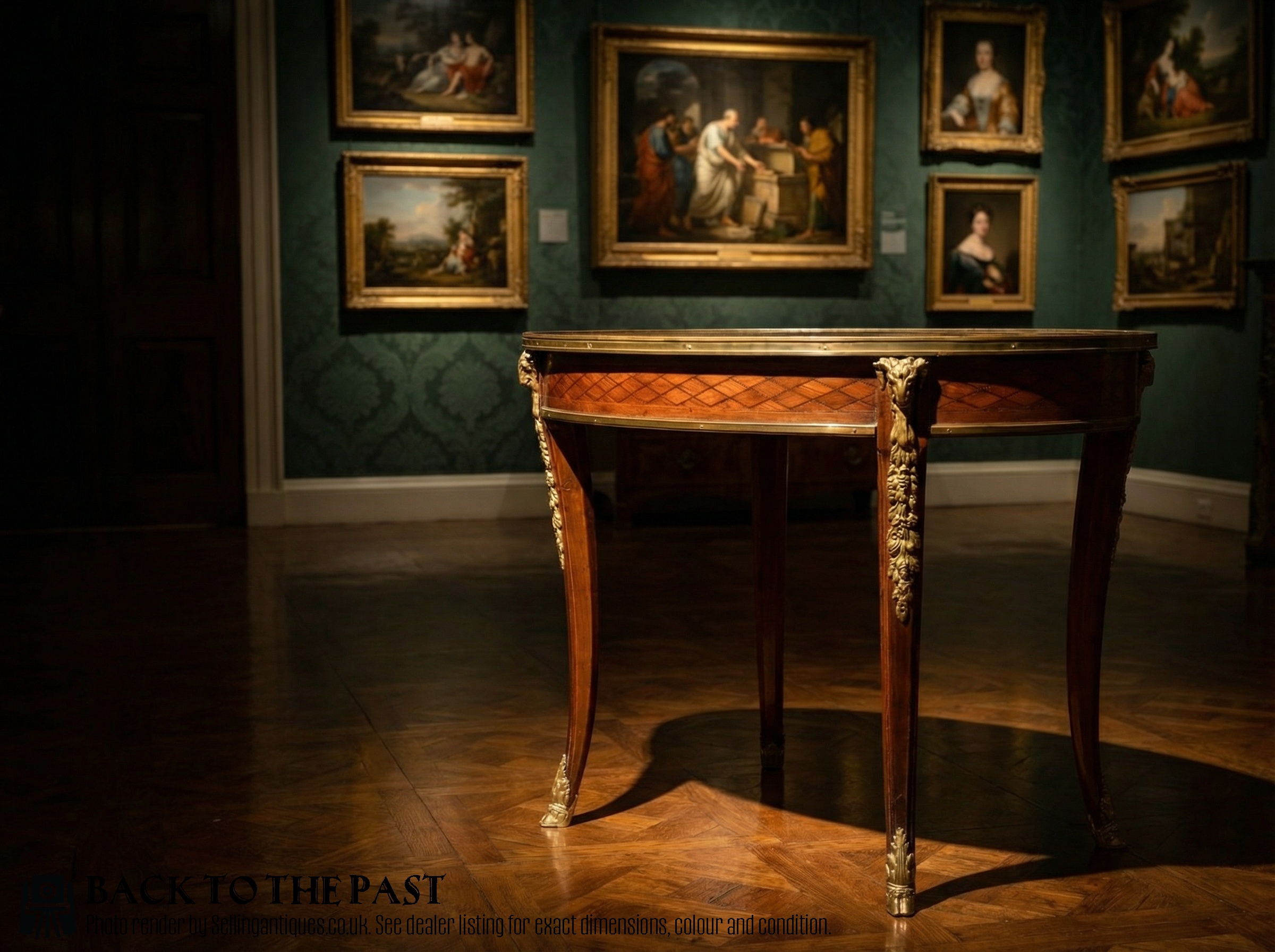
19th Century Louis XV Table
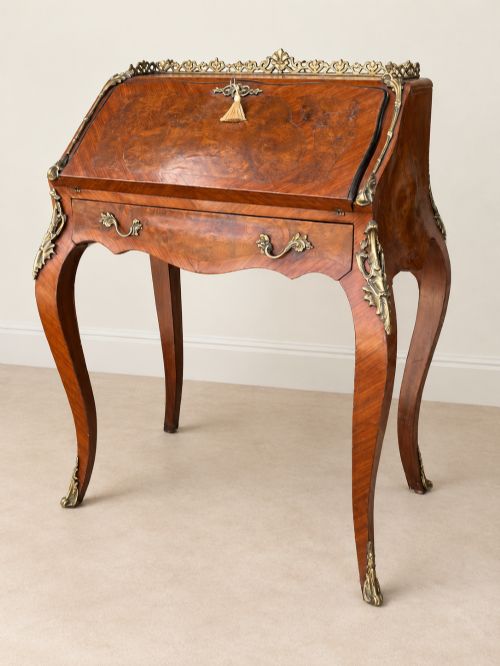
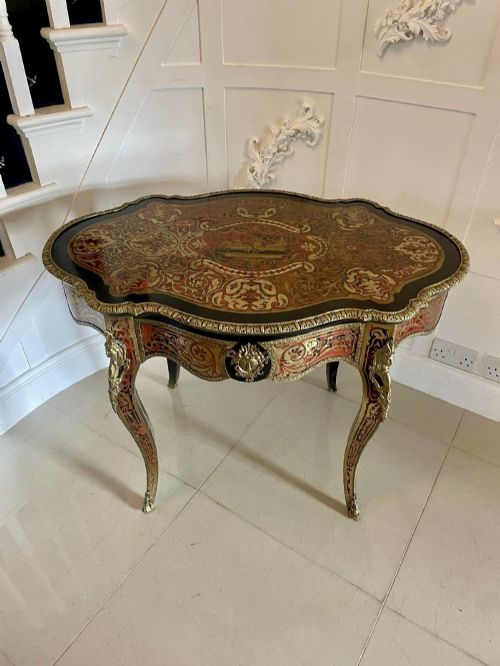
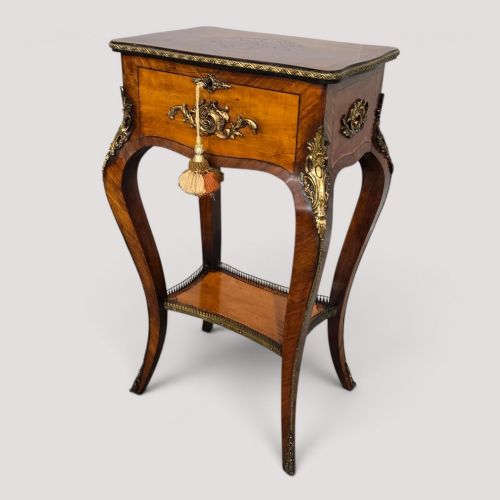
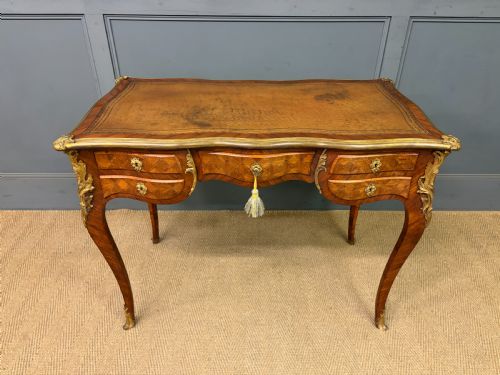
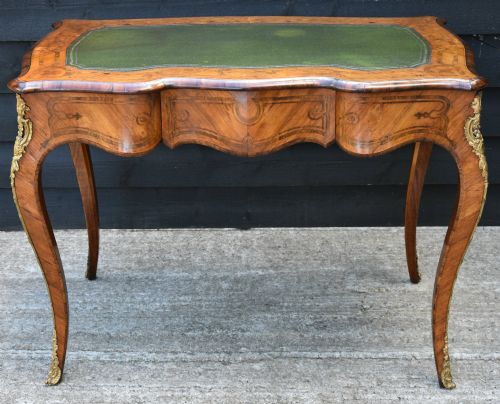
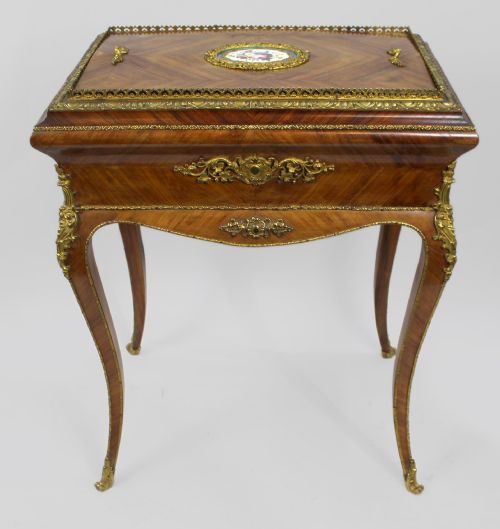
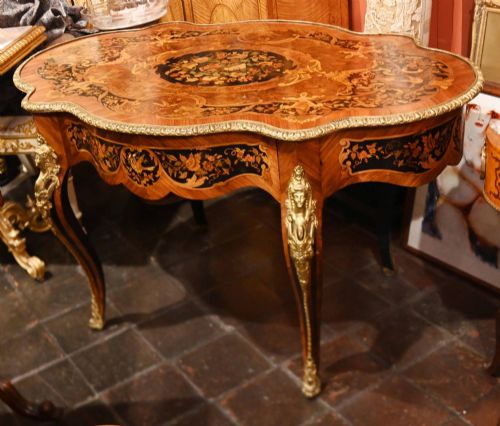
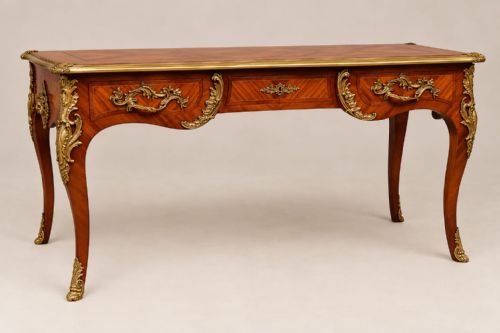
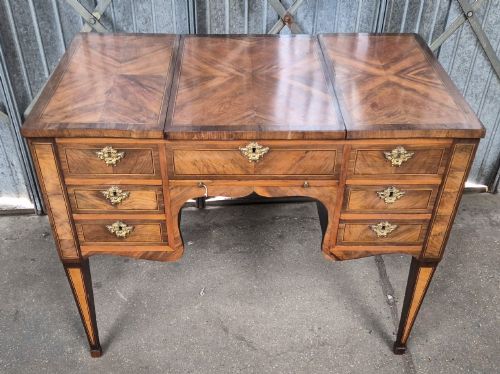
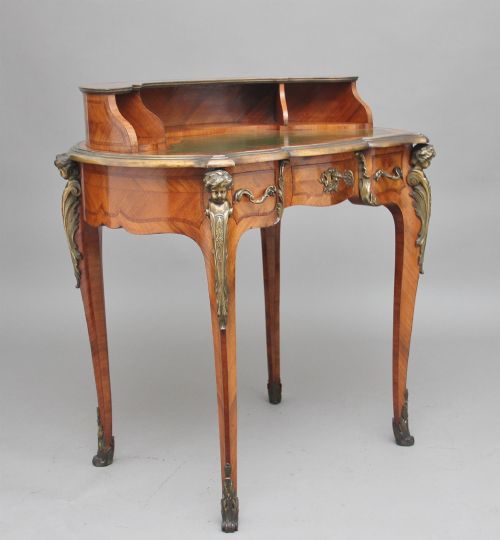
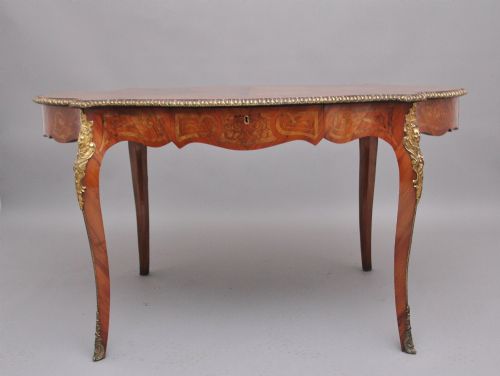
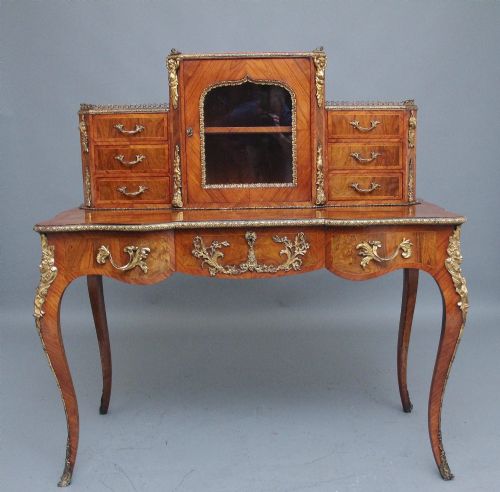
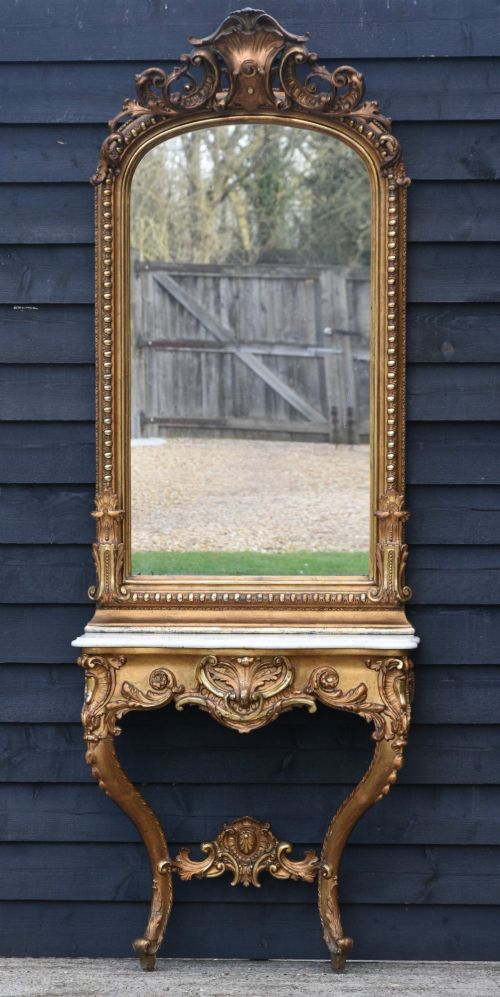
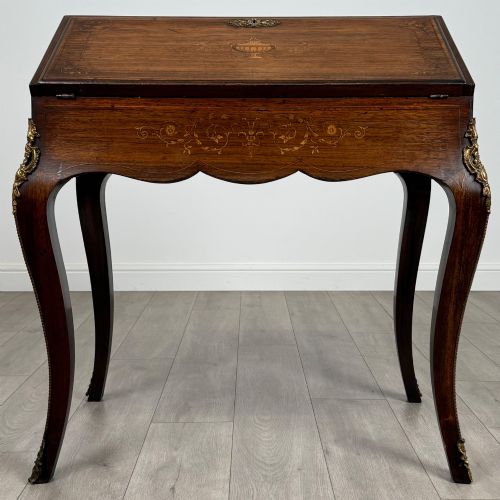
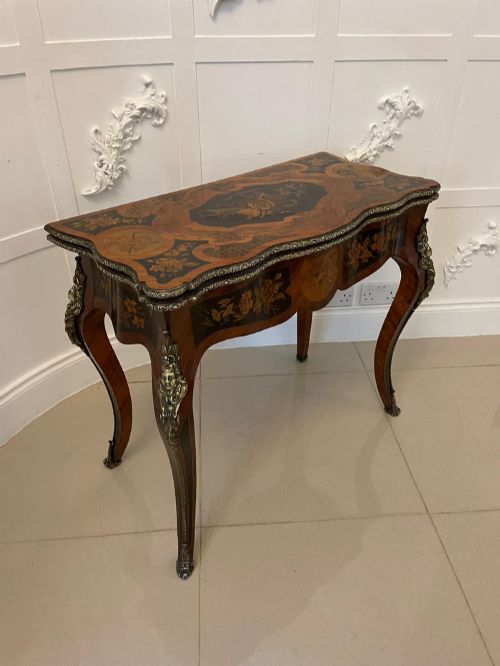
A 19th century louis xv table encompasses a diverse range of forms created during the revival of French rococo design. Buyers encounter varied shapes, from serpentine writing desks and bureau plats to centre tables, card tables, and console tables.
Most examples originate from the nineteenth century, drawing heavily on eighteenth-century aesthetics through asymmetrical cartouches, cabriole legs, and flowing floral marquetry. These pieces served elite domestic functions in salons and boudoirs, functioning as writing surfaces, games tables, or decorative display centres.
What varies in quality
The sophistication of the internal mechanism and the crispness of the gilt bronze mounts dictate the upper tier of execution. Master workshops employed heavier, finely chased ormolu and intricate multi-wood marquetry that aligned seamlessly over serpentine contours.
Lesser examples rely on stamped brass rather than heavy cast bronze and feature simpler, repetitive veneer patterns with minimal hand-chasing on the metal fittings. The fluidity of the cabriole leg and the joinery hidden beneath the veneer reveal the level of care invested by the maker.
Several desks conceal writing slides and secret compartments designed to keep nineteenth-century love letters hidden from prying eyes.
François Linke·Paul Sormani·Durand·E. Kahn·CH. Jeanselme & Co·Achille Brocot
The 19th Century Louis XV Table Glossary
- Ormolu
- Gilded bronze mounts applied to furniture for decorative enrichment. These metallic elements were cast and chased by hand to highlight the curves of the woodwork.
- Marquetry
- Inlaid wood veneers arranged to form pictorial or floral designs. Artisans used various coloured timbers to create contrast without paint.
- Bureau Plat
- A flat-topped freestanding writing desk typically fitted with drawers in the frieze. These desks often feature leather writing surfaces and elaborate bronze mounts.
- Cabriole leg
- A furniture leg featuring a double curve, swaying outward near the top and inward near the foot. This form mimics natural animal limbs and defines rococo revival design.
19th Century Louis XV Table: Frequently Asked Questions
Where should I place a console table?
Console tables suit entrance halls, drawing rooms, and dining spaces where floor depth is restricted. They attach to walls or stand firmly beneath large wall mirrors.
Because their rear sections are sometimes finished less meticulously than the front, placement against a vertical surface ensures stability and proper display.
What is the difference between marquetry and parquetry?
Marquetry involves cutting diverse veneers to form pictorial scenes, scrolls, or floral motifs. It requires patience and an eye for tonal variation in woods like kingwood and rosewood.
Parquetry uses geometric shapes such as cubes, chequers, orlozenges to cover table tops in repeating mathematical patterns. Both techniques decorated fine nineteenth-century French furniture.
How do I care for a marble top table?
Marble surfaces require simple cleaning with a damp cloth and mild soap to avoid acidic staining. Polishing the stone preserves its natural lustre without harming the surrounding wood.
Keep these tables away from direct heat sources and moisture fluctuations to protect the underlying timber carcass and nineteenth-century glue joints.