



19th Century Landscape View
A 19th century landscape view captures topographical scenes and romantic vistas across Britain and Europe, offering buyers historical charm through traditional oil and watercolour media.
19th Century Landscape View
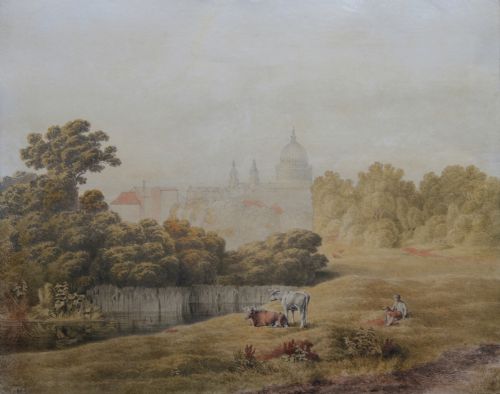
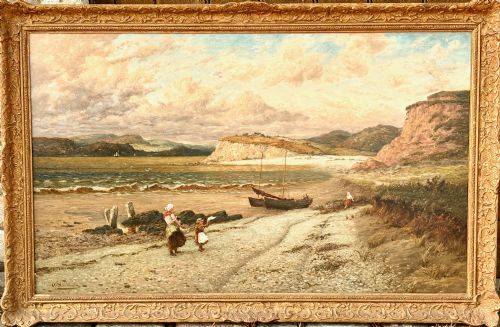
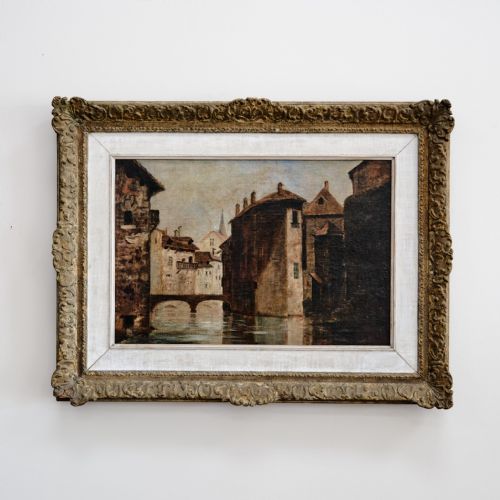
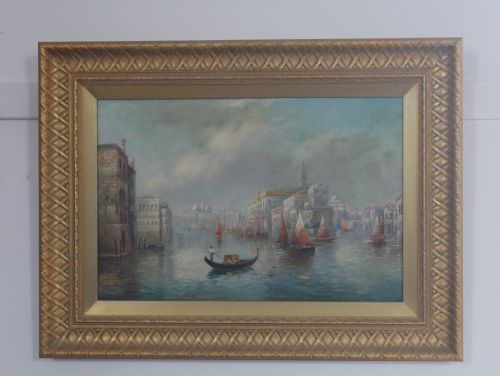
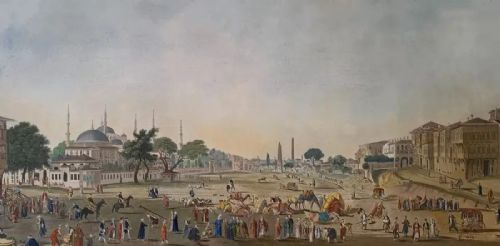
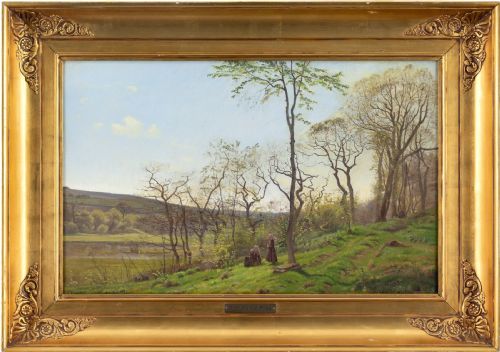
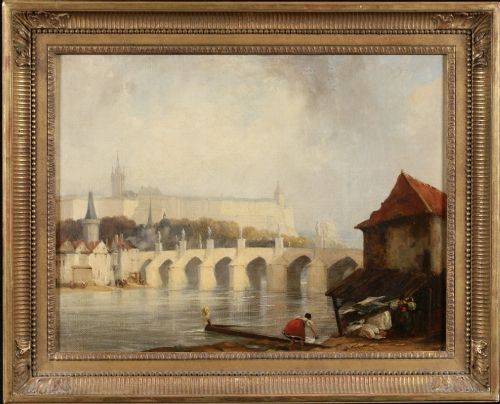
A 19th century landscape view encompasses paintings and prints depicting rural countryside, urban rivers, and mountainous terrain. Buyers encounter works ranging from intimate watercolours to large oil paintings on canvas or board.
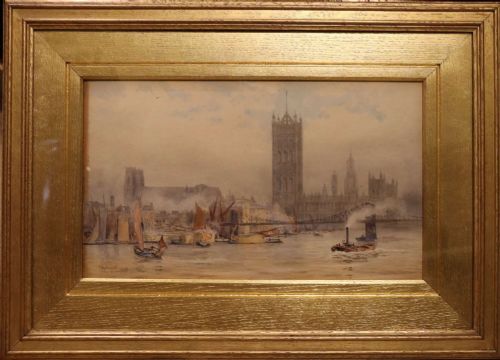
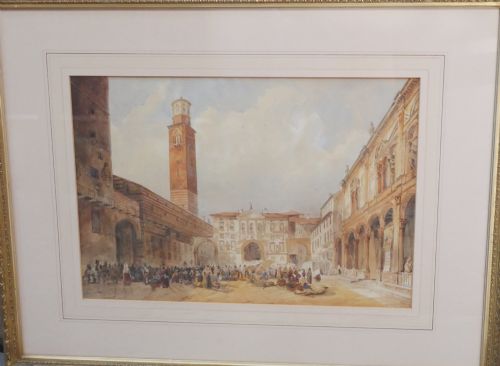
Many pieces record specific European and British destinations, including Venetian canals, Alpine peaks, and English rivers. The selection includes works created during the Victorian period alongside Georgian and early twentieth-century examples.
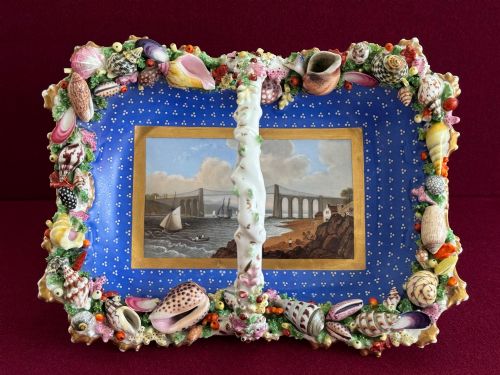
The category spans both delicate works on paper and substantial framed oils meant for wall display. Additionally, collectors find occasional decorative items like porcelain baskets featuring hand-painted vistas.
How They Were Made
Artists utilised oil paints on canvas, wood panel, or board to build rich textures and deep tones. Watercolours on paper offered a lighter medium for capturing atmospheric weather and transparent light.
Frames often consisted of carved wood with gold leaf or giltwood finishes to complement the artwork. Selected pieces utilised paper prints or pencil drawing techniques for topographical documentation.
19th Century Landscape View Retail Price Guide 2026
Typical asking prices for 19th century landscape view among the pieces listed under this phrase on Sellingantiques today, from the lower quarter to the upper quarter. They describe what is for sale here now, not the wider market.
Listings feature works created on canvas, paper, wood panel, and porcelain using both oil and watercolour media.
What Varies In Quality
Brushwork precision and handling of light separate accomplished paintings from simpler decorative efforts. Masters achieved depth and mood through careful pigment layering.
The preservation of the original surface and the condition of the period giltwood frame heavily influence the appeal of a piece. Signed works by documented artists command greater interest from collectors.
Anton Ignaz Melling·Thomas Cooper Moore·William Mellor·George Hilditch·Lewis J Wood·Alfred Pollentine·James Webb·Alfred Henry Vickers·Walter Heath Williams·Stephen John Batchelder·Hercules Brabazon Brabazon·Alfred de Breanski·David Cox Senior·James Arthur O'Connor·Joseph Thors·Daniel Sherrin·Julius Hare
The 19th Century Landscape View Glossary
- Oil on canvas
- Pigments bound in drying oil applied to stretched woven fabric. This medium allowed artists to work with thick impasto and deep colour ranges.
- Watercolour
- Pigments suspended in a water-soluble vehicle applied to paper. Painters used washes to create luminous effects and atmospheric skies.
- Giltwood
- Wood carved and coated with gold leaf or gold paint. This finish frequently adorned frames surrounding Victorian paintings.
- Topographical
- Representing a particular physical place accurately. These views often documented recognizable towns, rivers, and architecture.
- Romanticism
- An artistic movement emphasising emotion, nature, and awe. Works in this style often featured dramatic skies, mountains, and ancient ruins.
19th Century Landscape View: Frequently Asked Questions
What subjects appear in these views?
The subjects include rivers, canals, mountains, and coastal towns across Britain and Europe. Artists recorded both rural countryside and busy urban centres.
Many paintings focus on recognizable landmarks such as Venice, the River Thames, or Alpine peaks. Others depict quiet rural cottages and agricultural harvests.
How do I identify the period?
Stylistic clues and framing often indicate whether a piece originates from the Georgian, Victorian, or later eras. Costume details, architecture, and shipping vessels help date urban and marine scenes.
Signatures, inscriptions on the reverse, and period giltwood frames provide further evidence for dating. Many works include contemporary labels or dates written by the artist.
Were these painted outdoors?
Artists often sketched outdoors in pencil or watercolour to capture immediate atmospheric conditions and light. They subsequently completed larger oil paintings inside their studios.
Some creators produced finished watercolours on location during travels across Europe and Britain. This practice allowed for accurate recording of topography.
How should I display them?
These artworks suit traditional wall displays in living spaces, studies, or hallways. Their original giltwood frames complement period interiors.
Conservation involves avoiding direct sunlight to protect watercolours and oil pigments from fading. Proper placement away from excessive moisture preserves both the canvas and the frame.