



19th Century Kutani
These 19th century kutani works offer the rich palette and intricate detail that collectors seek for Japanese decorative interiors.
19th Century Kutani
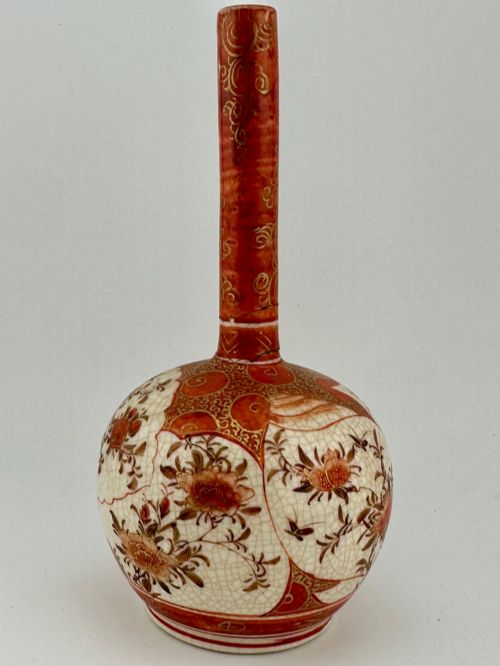
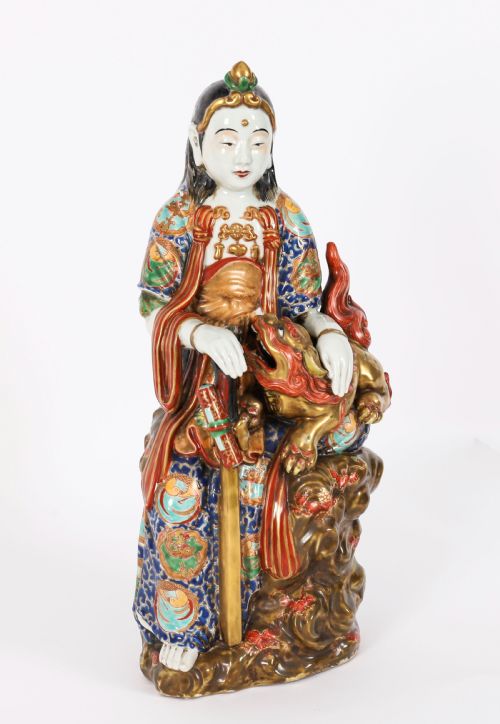
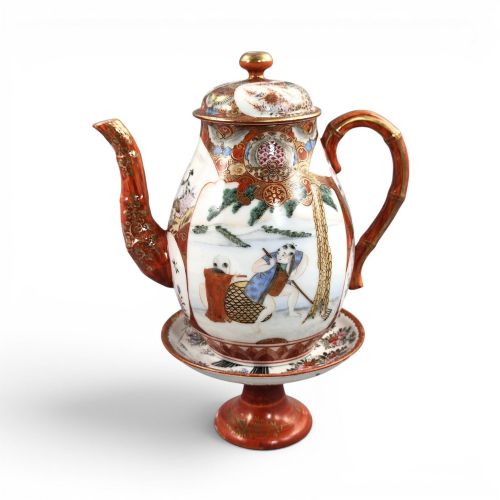
When searching for 19th century kutani, buyers encounter a diverse selection of porcelain objects originating from the Meiji period. The items on this page primarily consist of vases, cylindrical vessels, decorative plates, teapots, and figural sculptures depicting subjects like Guanyin and Kannon.
The assortment spans several decades of the nineteenth century, including pieces dated around 1870, 1880, and 1890. Many examples arrive paired or accompanied by stands, while others have been adapted into table lamps.
Materials and execution
These pieces are constructed from porcelain and decorated using coloured enamel, iron red, and gold leaf highlights. Artisans applied glaze and moriage relief techniques to create textured surfaces on vessels and figures.
Supporting components utilise brass, gilt, fabric, and wood, particularly in stands and lamp fittings adapted from the original ceramics.
19th Century Kutani Retail Price Guide 2026
Typical asking prices for 19th century kutani among the pieces listed under this phrase on Sellingantiques today, from the lower quarter to the upper quarter. They describe what is for sale here now, not the wider market.
Evaluating the range
The distinction across the range rests on the complexity of the painting and the precision of the enamel and gold leaf application. Finer examples display meticulous brushwork in the red and gilt motifs, whereas simpler items rely on broader decorative schemes.
Sculptural definition also dictates standing, as modelled figures like lions and deities require sharper carving before firing to achieve presence.
The 19th Century Kutani Glossary
- Kutani
- A style of Japanese porcelain traditionally associated with polychrome enamel decoration and iron red pigments. It developed distinct characteristics during the Meiji period.
- Meiji Period
- The era in Japanese history spanning from 1868 to 1912, corresponding to the reign of Emperor Meiji. Pieces from this time frequently incorporate intricate gilding and varied vessel forms.
- Moriage
- A decorative ceramic technique where slip or enamel is applied in raised dots or lines to create a textured, three-dimensional surface relief. This method adds tactile depth to floral and figurative designs.
- Guanyin
- A deity representing compassion in East Asian traditions, frequently rendered in porcelain sculpture. These figures often appear seated or mounted on protective animals.
- Iron Red
- A reddish-orange enamel pigment utilised extensively in Japanese ceramic decoration. It provides a foundational tone often contrasted with gold leaf details.
19th Century Kutani: Frequently Asked Questions
What is 19th century kutani porcelain?
It refers to ceramic wares produced in Japan during the 1800s, characterised by colourful enamel painting and iron red motifs.
These items range from large decorative vases and plates to teapots and figural sculptures.
How do I date a Meiji period piece?
Dating relies on stylistic markers, historical records, and specific production techniques recorded during the nineteenth century.
Many listings reference specific decades such as 1870, 1880, or 1890 based on these design characteristics.
Were these vases used for display?
Most large vessels and decorative plates served primarily as ornamental display items in domestic interiors.
Teapots and smaller vessels fulfilled functional roles before entering collections as decorative objects.
Can I use kutani lamps safely?
Several pairs of vases have been adapted into table lamps using electrical fittings and wooden or brass bases.
They allow period ceramics to function as lighting while retaining their original exterior decoration.
What subjects appear on figures?
Sculptural works frequently depict religious or mythical figures such as Guanyin and Kannon, sometimes accompanied by shishi guardian lions.
These figurative pieces highlight the sculptural capabilities of Meiji period ceramic workshops.