

19th Century Jug
A 19th century jug brings utilitarian craft and domestic history into a room through earthenware, glass, and stoneware forms.
19th Century Jug
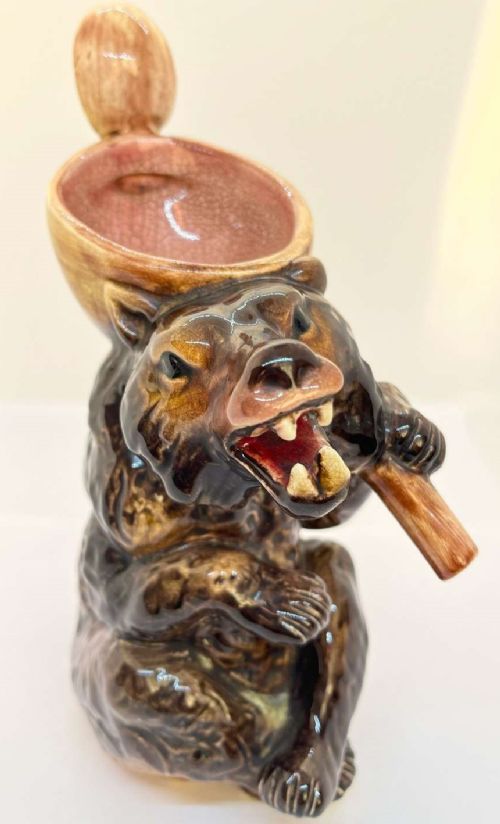
When you search for a 19th century jug, you encounter a diverse array of utilitarian and decorative vessels spanning earthenware, stoneware, and glass. The selections on this page bridge Georgian utility and Victorian ornamentation, reflecting the changing tastes of homes across the decades.
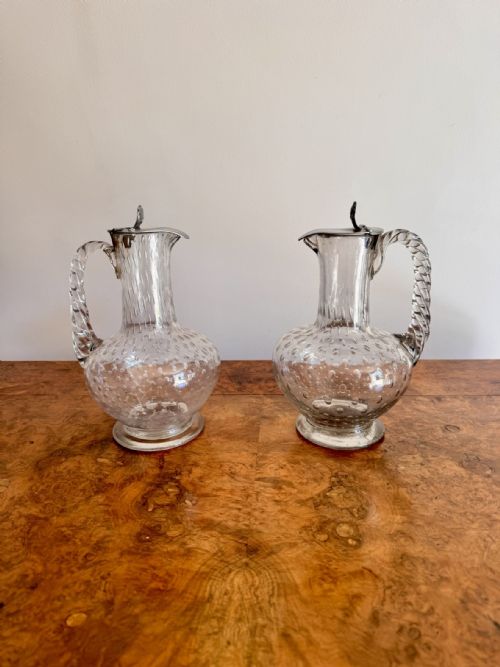
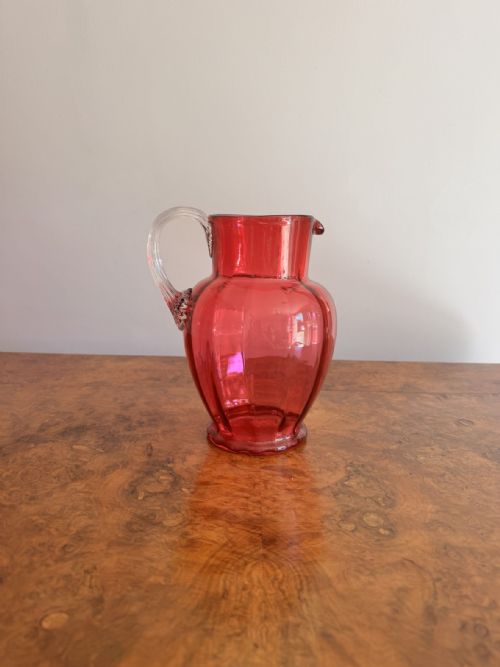
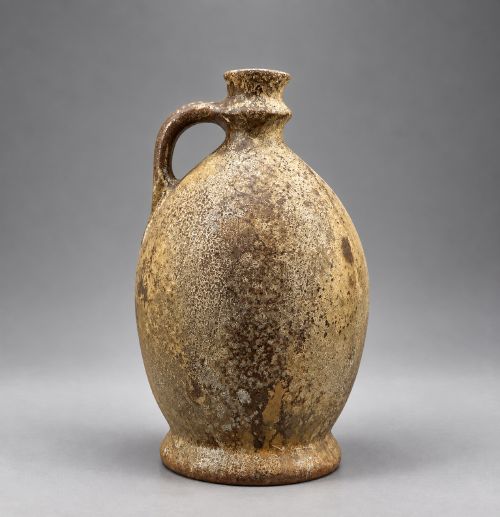
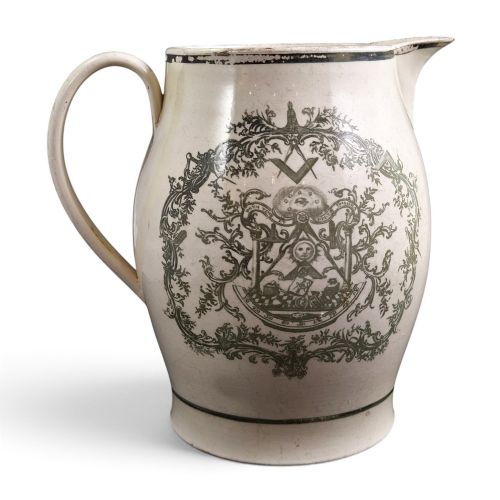
You are most likely to meet ceramic examples originating from Staffordshire potteries, alongside glassware from various European and English glasshouses. These range from heavy salt-glazed flagons to delicate cranberry glass pitchers and transfer-printed creamware.
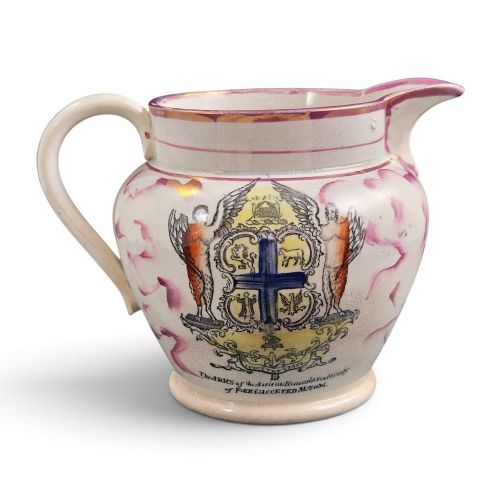
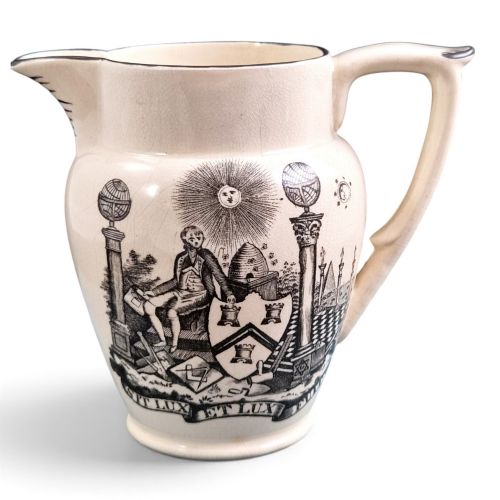
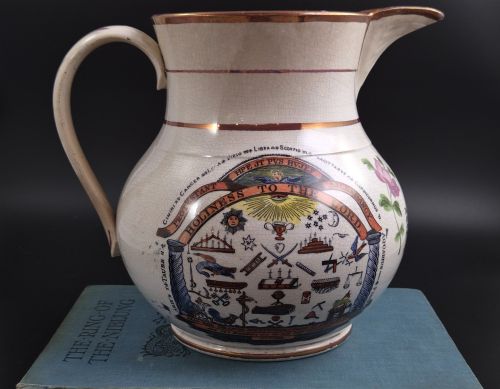
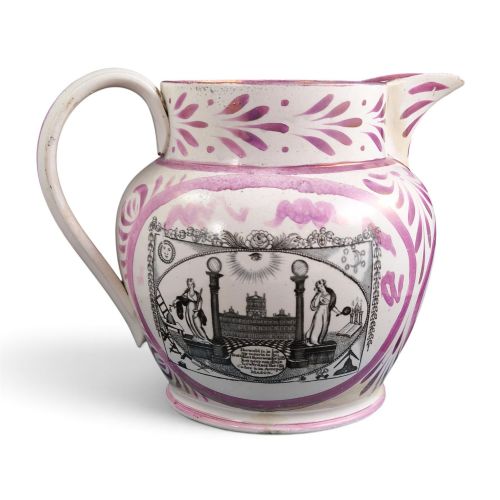
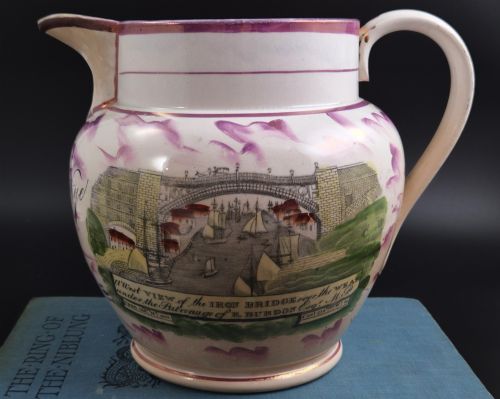
The forms serve multiple historical functions, encompassing claret jugs, water pitchers, cream jugs, and commemorative pieces bearing masonic or maritime motifs. Each object records the domestic routines and decorative ambitions of its era.
Materials and construction
Potters shaped these bodies from earthenware, creamware, ironstone, and stoneware, frequently applying glazes, enamel, or lustres to the surfaces. Transfer printing and hand-painted polychrome decoration added intricate imagery, from nautical scenes to floral patterns.
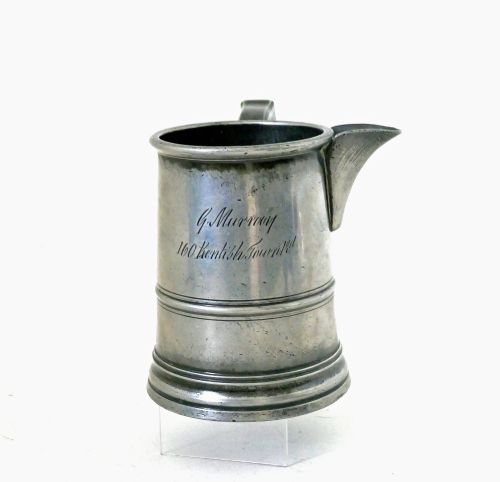
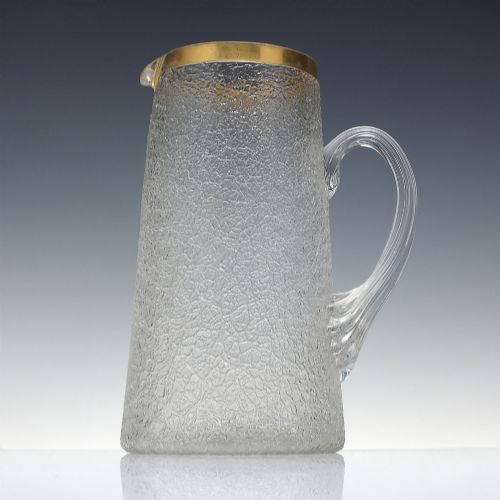
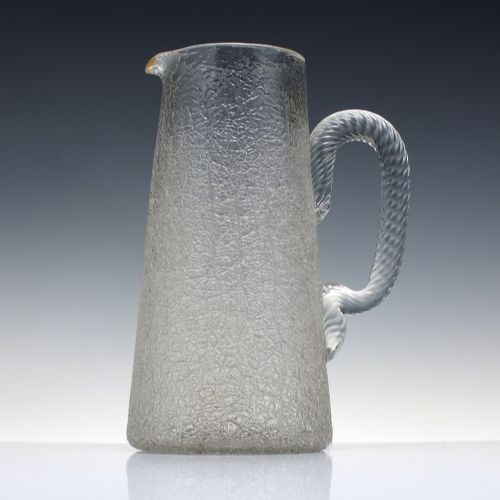
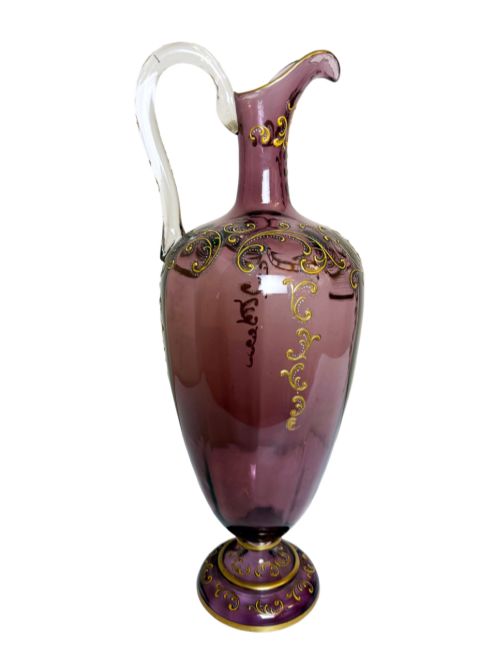
Glassmakers blew pieces like overshot and cranberry glass into moulds, occasionally adding gilded rims, hand-painted gilt applique, or silver mounts. Metalware examples relied on pewter casting and detailed engraving by hand.
The material record includes transfer-printed creamware, pink lustre, flow blue, and overshot glass alongside metal ale jugs.
Evaluating the craftsmanship
The distinction between ordinary utility ware and superior examples rests on the crispness of the moulding, the precision of transfer printing, and the depth of the glaze. Hand-painted enamel work and applied details such as gold leaf demonstrate the artisan's skill.
Durability of the material and the preservation of decorative surfaces dictate the standing of a piece within its category. Intact handles, unblemished glazes, and well-preserved metal mounts separate standard domestic items from exhibition pieces.
Holdcroft·Sunderland Garrison Pottery·Minton·Cantagalli Florence·Mason's·Henry Matthews·Wedgwood
The 19th Century Jug Glossary
- Creamware
- A fine-grained earthenware with a pale yellowish-buff glaze developed in the eighteenth century and produced into the nineteenth.
- Lustreware
- Pottery decorated with a metallic film that produces an iridescent sheen, often seen in pink or copper tones on nineteenth-century vessels.
- Salt-glazed stoneware
- A dense, impermeable ceramic fired at high temperatures with salt thrown into the kiln, leaving a distinctive pitted texture resembling orange peel.
- Transfer printing
- A decoration technique where an engraved copper plate transfers an ink design onto paper and then onto the ceramic body before glazing.
- Ewers
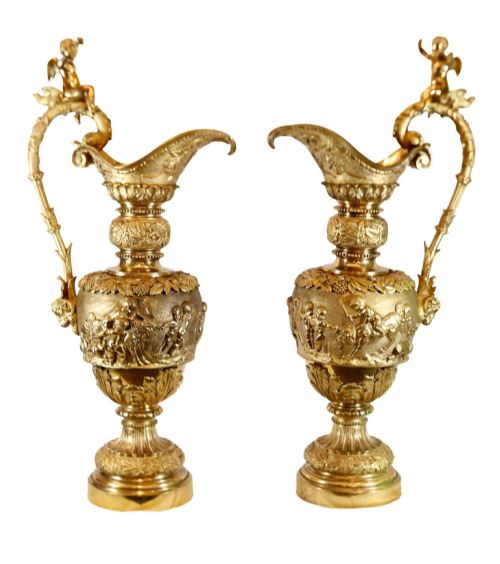
- Large jugs with wide spouts and looped handles, historically used for pouring water rather than serving drinks.
19th Century Jug: Frequently Asked Questions
How do I date a ceramic jug?
Dating relies on stylistic markers, pottery marks, and manufacturing techniques such as transfer printing or glaze types.
Examining the base and the handle construction helps align the piece with documented periods like the Georgian era or the Victorian reign.
Were these jugs used daily?
Many ceramic and pewter vessels served practical functions for ale, milk, water, or spirits in households.
Others, particularly lustreware and decorative ewers, served primarily as ornamental display pieces on mantelpieces or sideboards.
How should I clean antique glass?
Glass pieces require gentle washing in lukewarm water with mild soap to preserve delicate gilt rims and appliques.
Harsh scrubbing or soaking should be avoided to protect nineteenth-century glass bodies and applied decoration.