


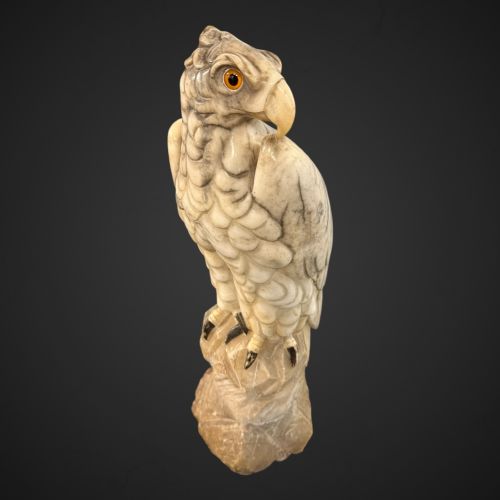
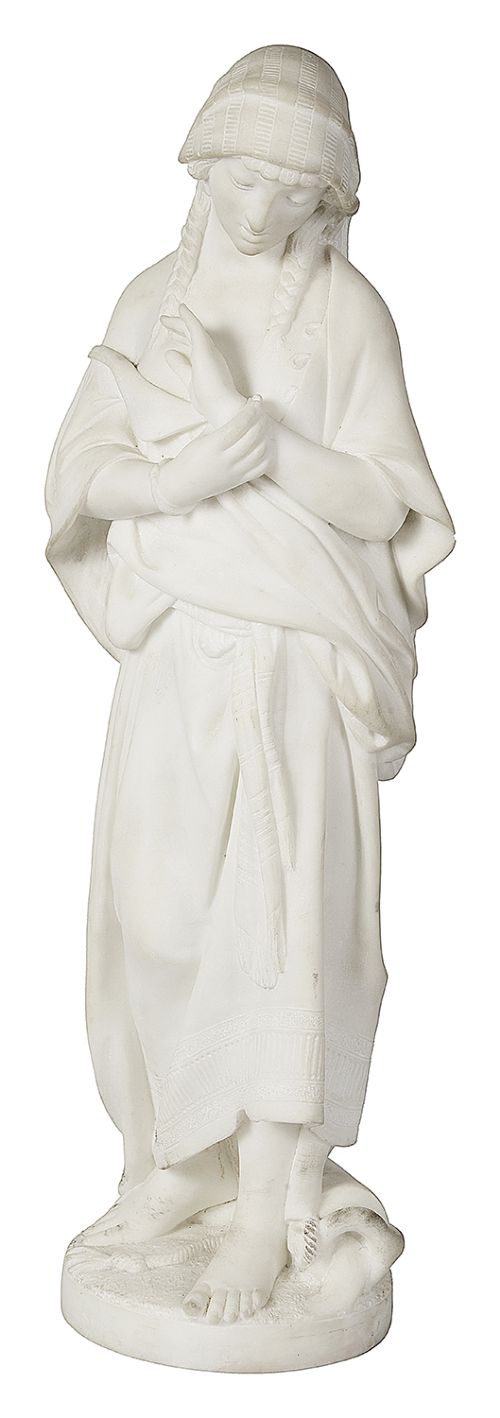

19th Century Italian Figure
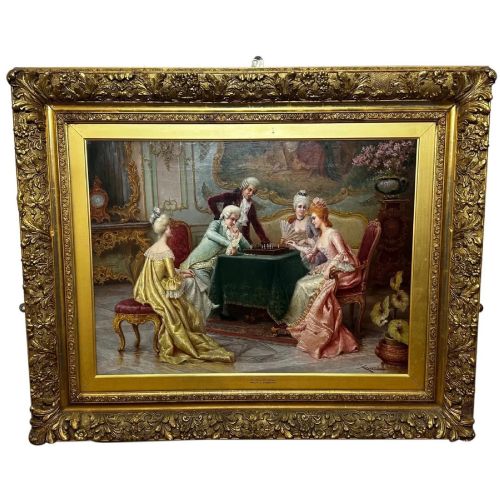
A 19th century italian figure brings classical antiquity and continental romance directly into a room through bronze, marble, and carved wood.
19th Century Italian Figure
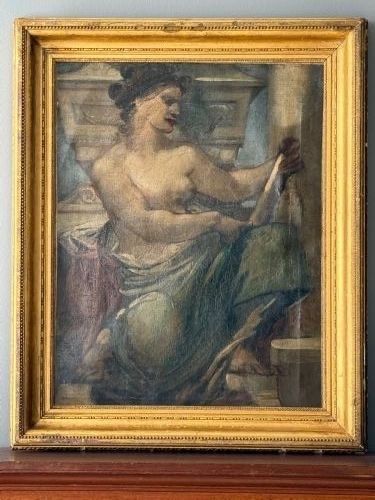
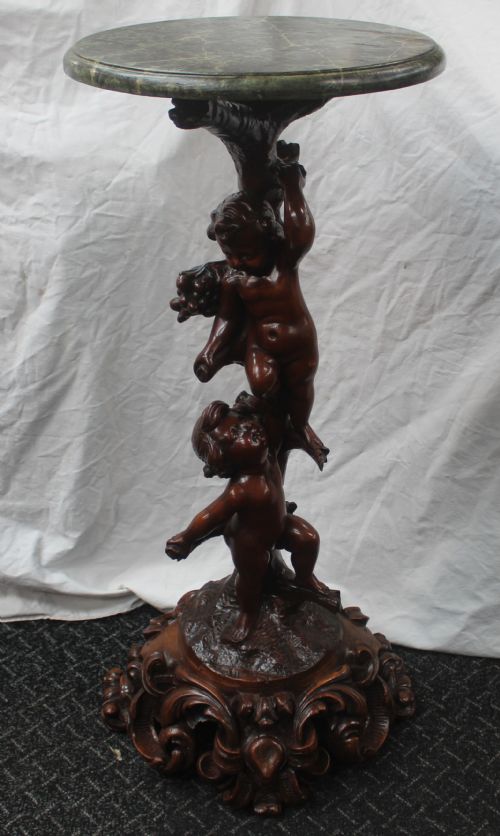
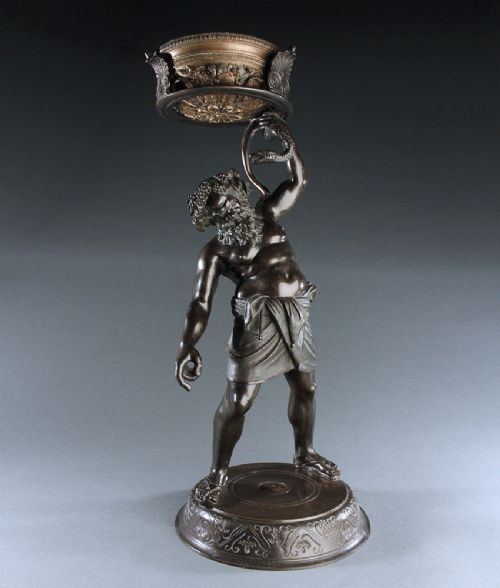
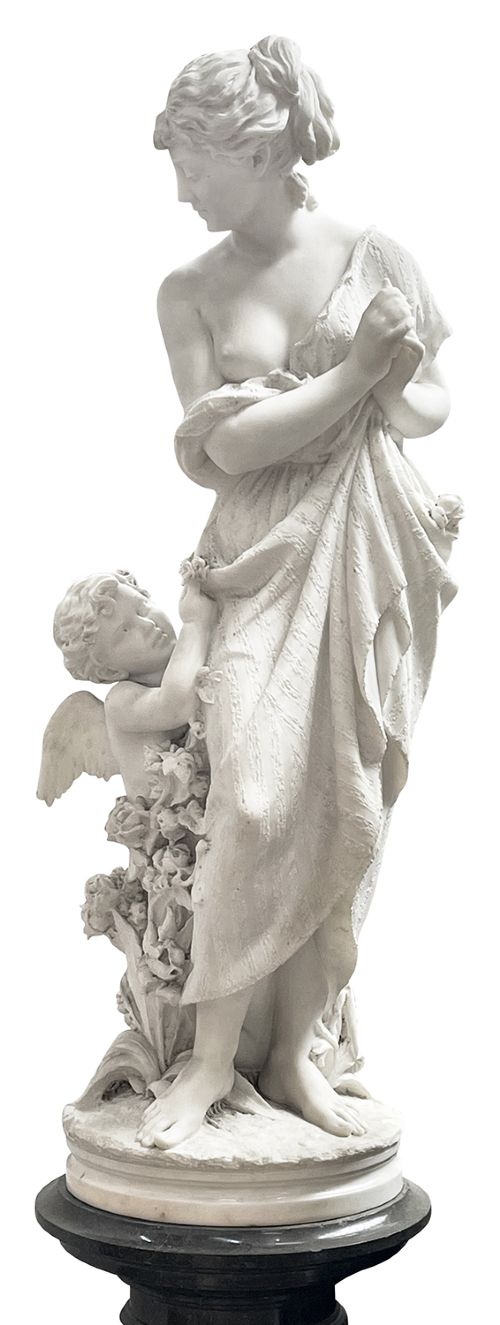
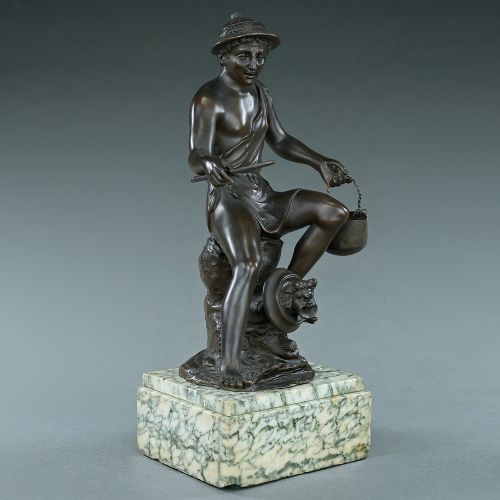
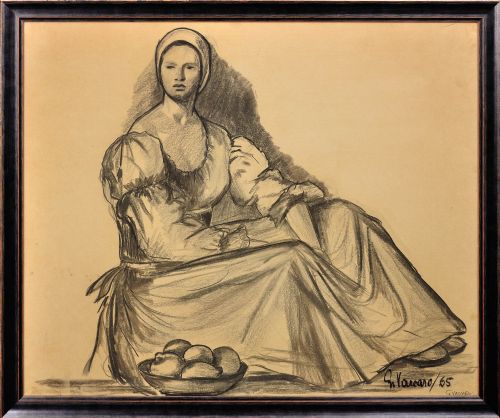
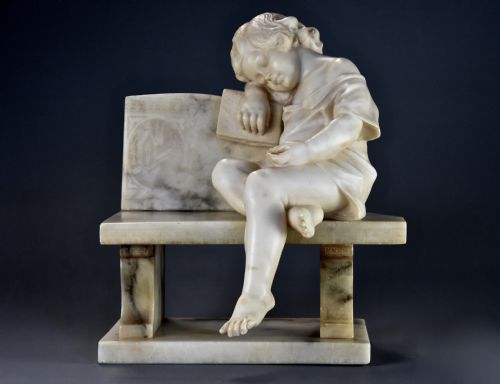
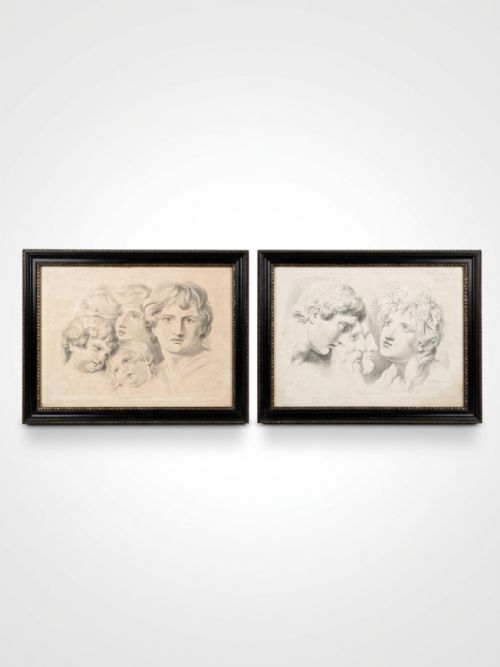
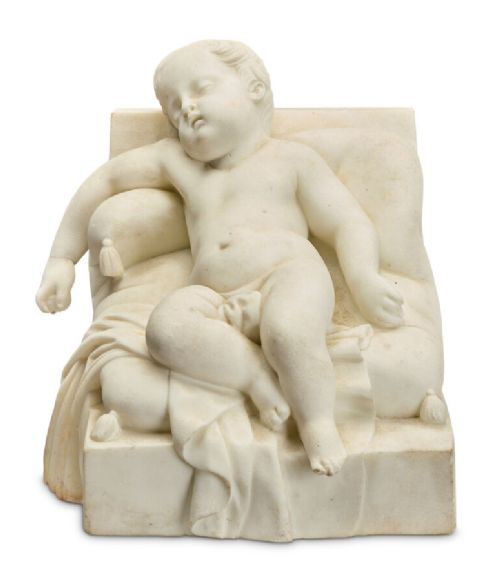
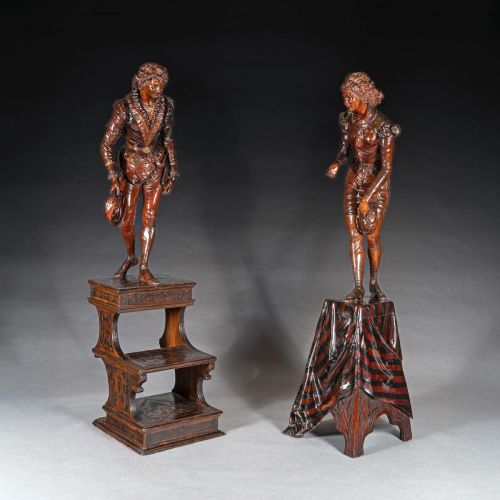
A 19th century italian figure encompasses small-scale Grand Tour bronze reductions of classical sculpture, carved marble mythological subjects, and painted wooden decorative works. Buyers encounter subjects drawn from ancient Rome and Greece, alongside depictions of Venetian gondoliers, peasants, and saints.
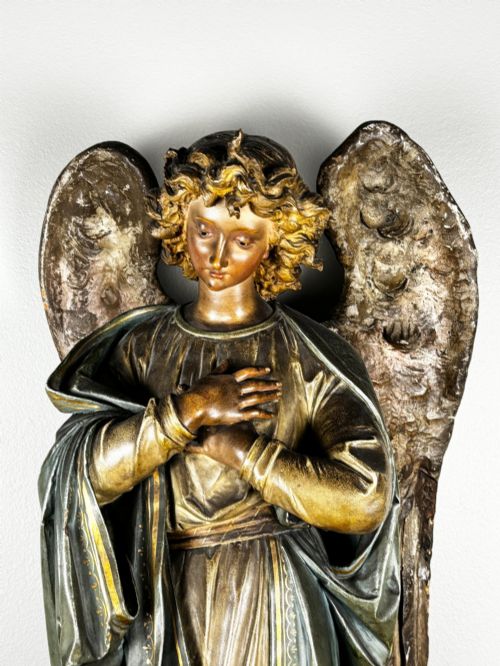
The selection spans severe Neoclassical figures after Canova and Michelangelo, alongside ornate Venetian Baroque and Renaissance Revival pieces. Forms range from freestanding bronze statuary and marble busts to polychrome wooden angels and terracotta animals.
Most examples originate from Florentine, Roman, and Neapolitan workshops catering to nineteenth-century travellers collecting souvenirs of their travels. These pieces bridge classical archaeology and domestic nineteenth-century interior decoration.
Materials and methods of creation
Bronzes were cast using the lost-wax technique or sand-casting methods, then treated with chemical patinations ranging from deep black to vibrant green. Marble and serpentine sculptures were hand-carved using traditional chisels and abrasive powders to achieve smooth, finished surfaces.
Wooden figures frequently combine carved elements with polychrome paint, gesso, and gold leaf applications. Bases often incorporate contrasting materials such as black marble, veined Carrara, or olive wood to support the main composition.
19th Century Italian Figure Retail Price Guide 2026
Typical asking prices for 19th century italian figure among the pieces listed under this phrase on Sellingantiques today, from the lower quarter to the upper quarter. They describe what is for sale here now, not the wider market.
Sculptors frequently immortalised classical fighting dogs, dancing fawns, and strutting cockerels alongside solemn emperors and mythological deities.
Assessing craftsmanship and execution
Quality rests upon the crispness of the casting in bronze work and the depth of undercut detail in carved marble or wood. Finer examples display accurate anatomical proportions and careful attention to facial expressions, drapery folds, and surface textures derived directly from antique prototypes.
The choice of base materials and the subtlety of the chemical patination or polychrome paint application further separate workshop output. Superior pieces maintain clean joinery where multi-part bronze elements meet and secure mountings to their heavy stone plinths.
Guido Bach·Carlo Albacini·Barranti·Umberto Volpato·Valentino Besarel·Zoffoli
The 19th Century Italian Figure Glossary
- Grand Tour
- A cultural journey of Europe undertaken by wealthy young men in the eighteenth and nineteenth centuries. These travellers acquired small bronzes and marbles as tangible records of their classical education.
- Patination
- The surface coloration of a bronze sculpture achieved through natural ageing or chemical treatment. This process creates distinct tones from dark chocolate brown to rich verdigris green.
- Serpentine
- A group of green silicate minerals often used in Italian carving. It mimics the appearance of jade and was favoured for nineteenth-century decorative models and architectural ornaments.
- Polychrome
- The practice of decorating architectural elements, wood, or terracotta in a variety of colours. Italian workshops used this technique extensively on religious figures and decorative pedestals.
- Lost-wax casting
- A metal-casting method in which a molten metal is poured into a mould that has been created by means of a wax model. The wax is subsequently melted and drained away.
19th Century Italian Figure: Frequently Asked Questions
What is a Grand Tour bronze?
A Grand Tour bronze is a miniature or reduced-scale replica of a famous classical sculpture cast in Italy during the eighteenth or nineteenth century. Travellers purchased these metal figures as portable education and sophisticated interior ornaments.
Found commonly in studies and libraries, these bronzes preserved the memory of ancient ruins and museum collections for the foreign visitor. They represent a significant commercial output for Italian foundries of the period.
How do I distinguish marble from alabaster?
Marble is a hard, crystalline metamorphic rock that resists scratching from a steel blade and feels cool to the touch. Alabaster is softer, easily scratched by a fingernail or metal point, and sometimes exhibits translucent qualities.
Italian carvers utilised both stones depending on the desired finish and translucency of the intended figure. Examining the underside or unpolished areas usually reveals the density of the stone.
Where should I display these figures?
These sculptures suit tabletops, mantelpieces, and dedicated pedestals where adequate lighting reveals their patination and carved details. Placing them away from direct sunlight and heavy moisture protects painted wooden surfaces and delicate patinas.
Pairing bronze figures with contrasting marble backgrounds enhances their sculptural silhouettes within a room. Smaller pieces work effectively when grouped on secure wooden surfaces alongside books.
How are patinated bronzes cleaned?
Patinated bronzes require only gentle dusting with a soft, dry brush to prevent the accumulation of grit in crevices. Liquid cleaners, abrasives, and oils should be avoided because they strip the original chemical patination from the metal.
Preserving the stable surface layer ensures the historical integrity and visual depth of the sculpture remain intact. Professional conservation is advised only for stable structural repairs.