
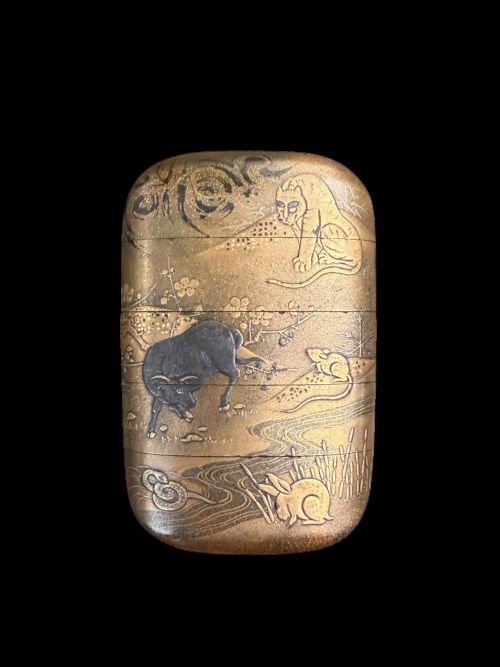
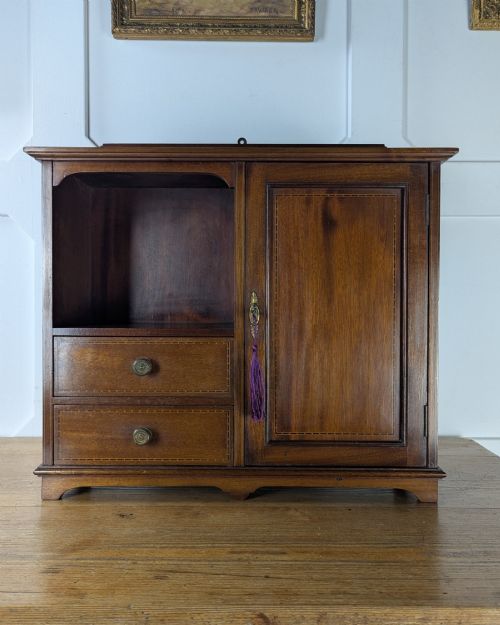
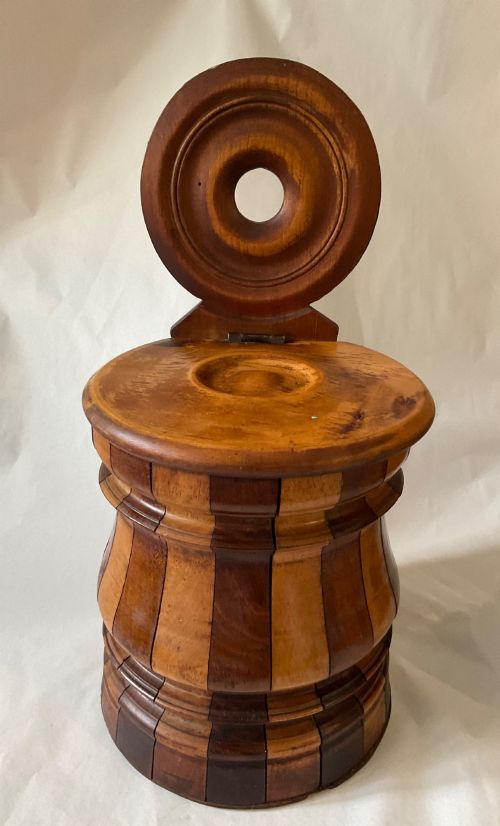


19th Century Hanging Box
These 19th century hanging box pieces are wall-mounted domestic timber containers designed to keep household provisions and letters secure and tidy.
19th Century Hanging Box
A 19th century hanging box encompasses a variety of wall-mounted timber containers used for domestic organisation across homes of the period. When buyers search for this phrase, they encounter practical utility pieces such as salt boxes, spice cabinets, candle boxes, and letter boxes.
The versions most frequently met on this page include oak, pine, and mahogany wall-mounted boxes originating from vernacular and country traditions. Formats range from simple single-compartment candle boxes to multi-drawer spice cabinets and glazed wall cabinets.
Materials and construction methods
Cabinet makers and vernacular joiners utilised native and imported hardwoods and softwoods including oak, pine, mahogany, and satinwood. Construction relies on traditional joining methods suited to wall-mounted items that needed to bear weight securely.
Surface treatments vary from plain waxed timber to painted finishes, decorative carving, gilding, and brass hardware such as hinges and latches. Certain regional pieces incorporate glass panels or intricate inlay work to elevate simple domestic storage.
Certain salt boxes doubled as covert spots for hiding small love letters behind the kitchen salt.
Determinants of quality
Quality in these domestic containers rests upon the choice of timber and the precision of the joinery used in their construction. Better examples display carefully selected grain, dovetailed joints, and original brass fittings rather than utilitarian mass production.
Distinction also arises from surface preservation and decorative ambition, moving from plain functional kitchenware to refined inlaid satinwood or carved and gilded display pieces.
The 19th Century Hanging Box Glossary
- Salt box
- A wall-mounted container specifically shaped with a sloping hinged lid to keep domestic salt dry and accessible in the kitchen. These utilitarian items formed a standard fixture in period households.
- Candle box
- A lidded timber receptacle designed to protect tallow or wax candles from dust and pests while hanging on a wall. They frequently feature a notched sliding lid or a hinged top with a suspension hole.
- Spice cabinet
- A small wall-hanging case containing multiple internal drawers for storing culinary spices and herbs. These functional items often showcase finer cabinet-making than standard kitchenware.
- Diorama
- A three-dimensional scenic representation enclosed within a glazed case, sometimes recorded among hanging box formats. They depict maritime subjects such as sailing vessels at sea.
- Vernacular
- Everyday objects made by local joiners for practical domestic use rather than following strict high-style metropolitan fashions. These pieces prioritise utility and local timber availability.
19th Century Hanging Box: Frequently Asked Questions
Where were hanging boxes placed in period homes?
These containers hung on walls in kitchens, hallways, and living spaces where daily provisions or post needed quick access. Kitchen salt boxes and knife boxes stayed close to hearths and preparation areas, whilst letter boxes remained near entrances.
Their suspension kept contents off damp stone floors and away from household pests, making them essential space-saving furniture for compact rooms.
How do I distinguish a candle box from a salt box?
Candle boxes typically feature a narrow, elongated vertical profile with a shaped backboard and a sliding or hinged lid designed to hold dipped tapers. Salt boxes possess a broader, deeper body with a sloping lid that allowed cooks to scoop salt easily.
Both items include hanging holes or brackets on their back panels, but their internal capacities reflect the specific dry goods they stored.
What woods were commonly used for these boxes?
Joiners relied heavily on accessible local timbers such as oak and pine for vernacular kitchenware and country wall boxes. Mahogany and satinwood appeared in more refined domestic interiors and gentleman's rooms.
Combinations of oak and pine often occur together in single cabinets, where visible exterior frames used harder timber while secondary woods formed internal partitions.
How should I hang a antique wooden box?
Utilise the original suspension holes or brackets integrated into the backboards whenever structurally sound and secure. Weight distribution must be supported properly against the wall surface without placing undue stress on historic joints.
Professional framing fixings or custom concealed brackets can assist in bearing the weight safely without altering the timber frame.