
19th Century Gothic Cupboard
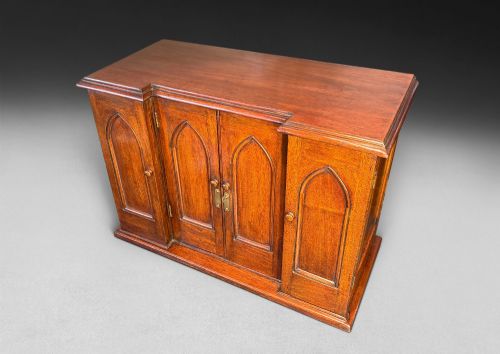
When you handle a 19th century gothic cupboard, you touch heavy timber and pointed arches built to echo medieval stone.
19th Century Gothic Cupboard
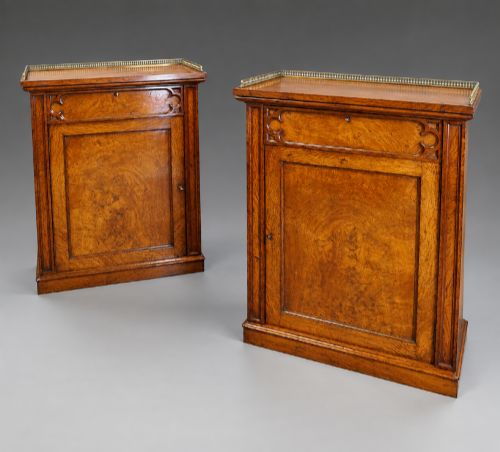
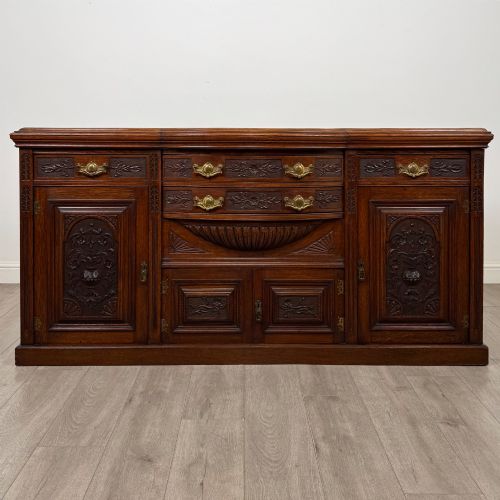
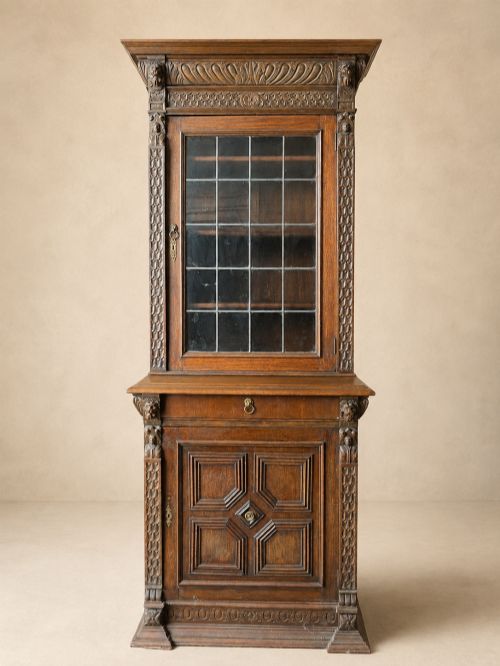
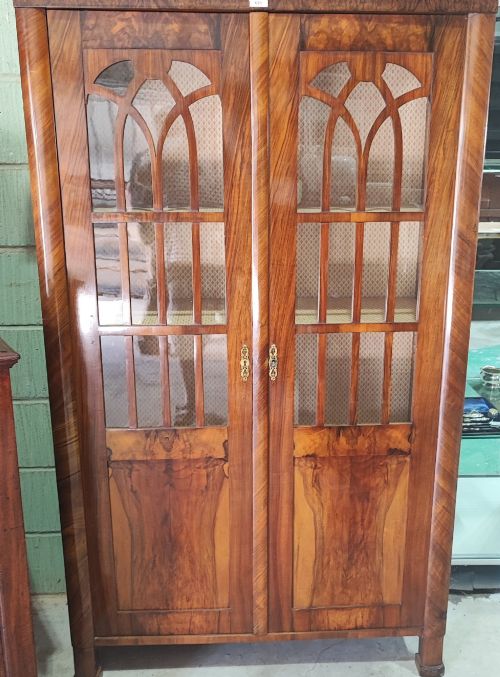
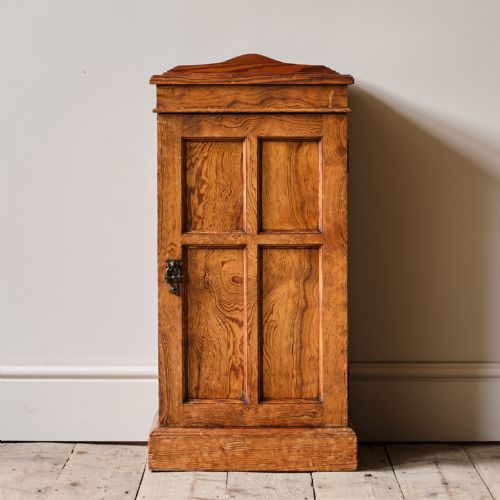
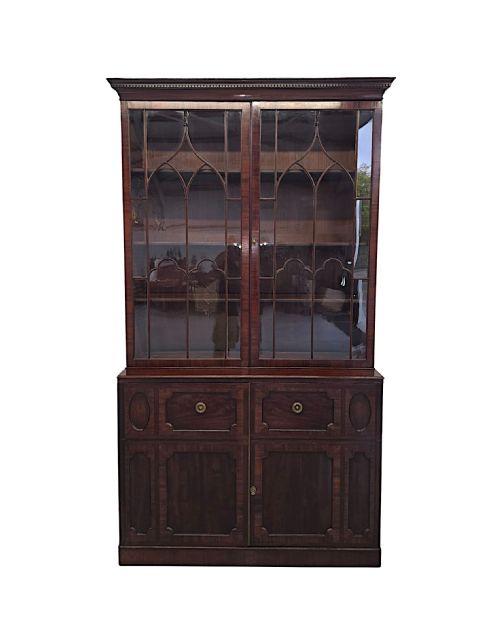
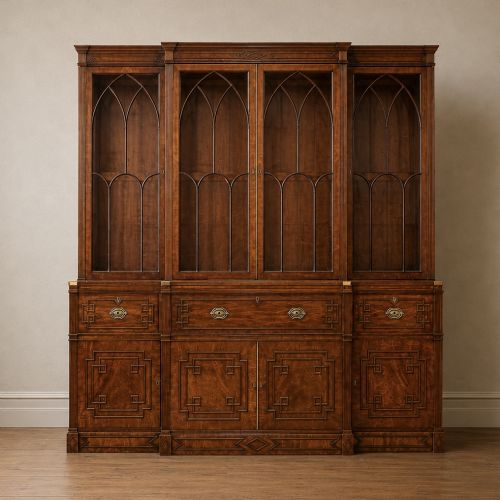
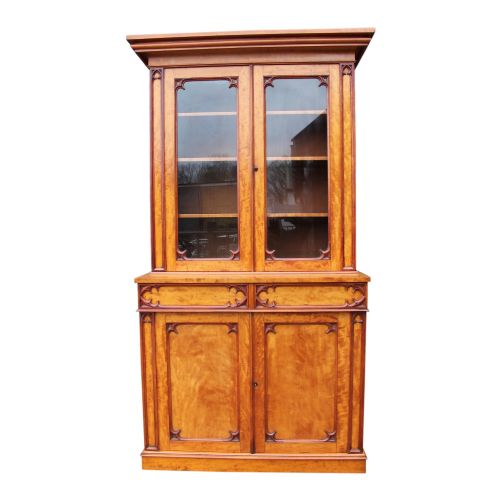
A 19th century gothic cupboard brings ecclesiastical and medieval lines into domestic interiors through architectural panels, pointed arches, and sturdy timber construction. These pieces span small bedside lockers and table-top collectors' cabinets up to substantial vestry and housekeepers' cupboards.
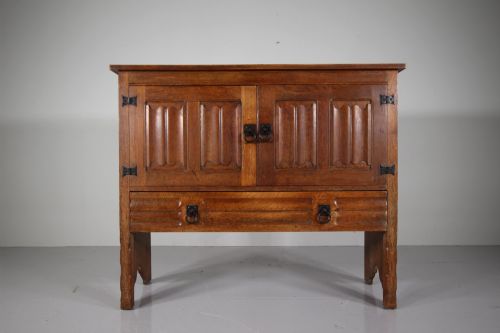
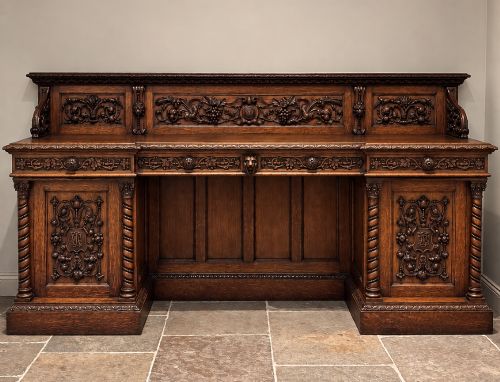
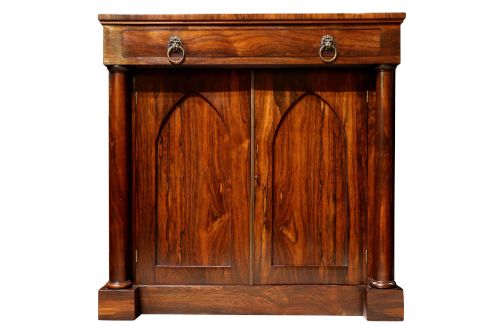
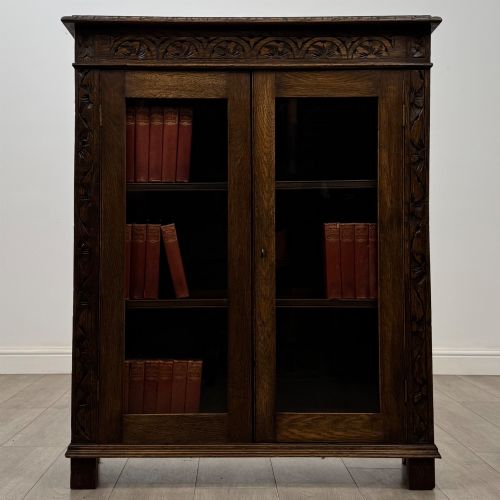
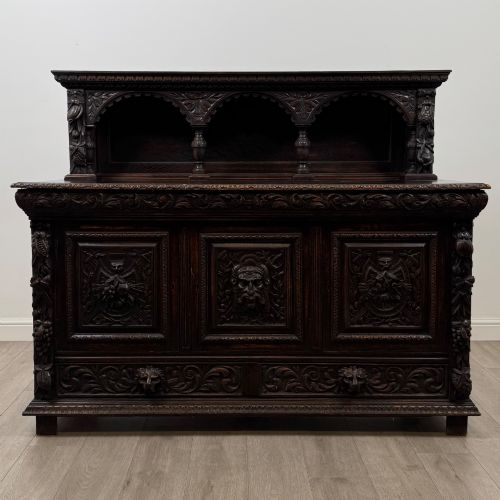
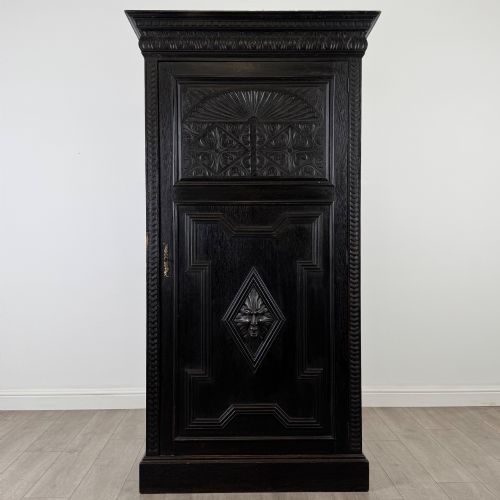
Oak dominates the surviving pieces, often carved deeply with tracery, linenfold panels, or green man motifs. Walnut, pine, rosewood, and mahogany also appear, frequently dressed with brass or iron hardware suited to the revival style.
Victorian examples sit alongside earlier Regency and Georgian pieces, reflecting a continuous appetite for Gothic Revival, Jacobean Revival, and Renaissance revival designs. Many pieces originate from English country houses and churches, while others arrive from French and Northern European workshops.
Materials and construction methods
Carpenters relied heavily on solid oak, pollard oak, and pine, joining panels with traditional frame and panel construction to accommodate seasonal timber movement. Surfaces received deep hand-carved ornamentation, including tracery, barley twists, and applied mouldings.
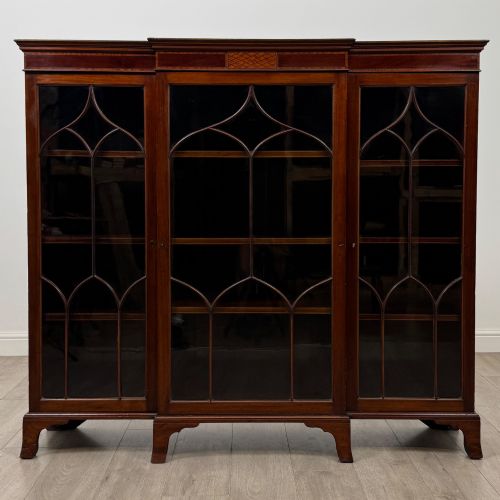
Metalwork played a structural and decorative role, with heavy brass and iron hinges, lock plates, and drop handles securing doors and drawers. Glass panels appeared in glazed display variants, while some pine surfaces bore scrumbled or painted finishes.
Listings feature oak, mahogany, rosewood, pine, and limewood, alongside glass, brass, and iron hardware.
Distinguishing quality in craftsmanship
The standard of a 19th century gothic cupboard rests in the crispness and depth of its carving rather than plain surface area. Superior pieces display sharply defined tracery, well-chosen timber grain like pollard oak or figured walnut, and hand-forged or heavy cast brass hardware.
Construction integrity separates workshop production from standard commercial output, seen in tight joinery, original backboards, and substantial timber thickness. Secondary woods match the primary timber choice, and internal fittings remain unaltered from their original period use.
Jas Shoolbred·Gillows
The 19th Century Gothic Cupboard Glossary
- Gothic Revival
- An architectural and decorative movement drawing inspiration from medieval forms, pointed arches, and ecclesiastical design. This style dominated much of the nineteenth century across furniture and buildings.
- Tracery
- Openwork stonework patterns translated into carved woodwork, typically seen on cupboard doors and panel fronts. It forms a central visual element in gothic furniture.
- Linenfold
- A style of wood carving used to decorate vertical panels, resembling folded fabric or linen. Cabinet makers utilised this technique extensively on revival cupboards.
- Ecclesiastical
- Pertaining to the Christian church or clergy, often describing pieces sourced from vestries, churches, or domestic items built with chapel-like architectural details.
- Pollard Oak
- Timber taken from trees that were pollarded, resulting in a highly figured, mottled grain pattern. Makers prized this wood for decorative fronts and panels.
19th Century Gothic Cupboard: Frequently Asked Questions
How do I spot a true 19th century piece?
Examine the timber shrinkage, hand-cut joinery, and the consistency of the wear around handles and hinges. Genuine nineteenth-century examples show appropriate patination and traditional construction methods without modern adhesives.
Look closely at the backboards and interior secondary woods, which should match the expected ageing of the period. Machine-cut screws or modern plywood indicate later replacements or spurious dating.
Were these cupboards meant for home use?
Many pieces served practical domestic storage needs in hallways, bedrooms, and dining rooms as wardrobes, housekeepers' cupboards, or bedside lockers. Others held ecclesiastical origins, built specifically for vestries or churches before entering the domestic market.
Cabinet makers adapted medieval architectural motifs to fit standard household furniture sizes, balancing decorative ambitions with everyday utility.
How should I care for heavy oak timber?
Maintain a stable room temperature away from direct heat sources and strong sunlight to prevent the timber from splitting or warping. Dust regularly with a dry cloth and apply a traditional beeswax polish sparingly to nourish the grain.
Avoid liquid cleaners or silicone polishes, which can build up on carved surfaces and damage the historic finish over time.
How do I tell Gothic Revival from Jacobean Revival?
Gothic Revival pieces emphasise pointed arches, vertical lines, and ecclesiastical tracery derived from medieval stone architecture. Jacobean Revival furniture relies heavier on geometric moulding, strapwork, and turned elements like barley twists.
While both styles frequently utilise oak and heavy carving, the architectural vocabulary of the arches and panels points directly to the intended historical inspiration.