

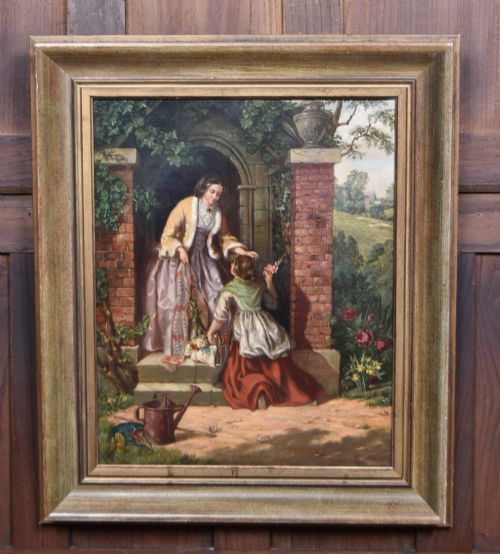
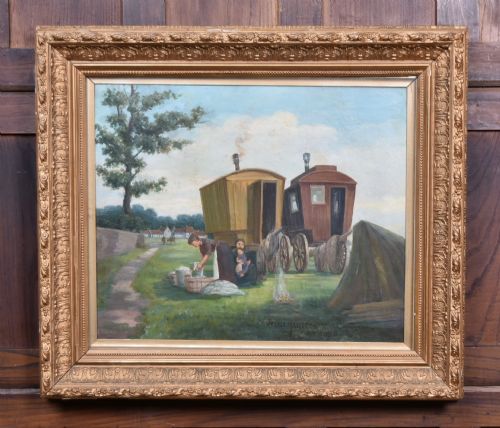
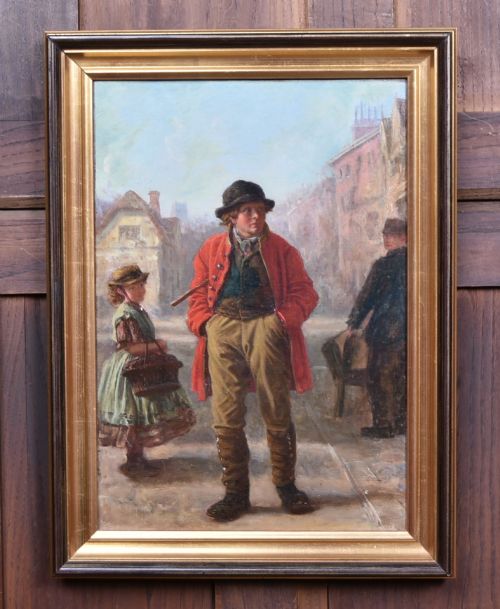
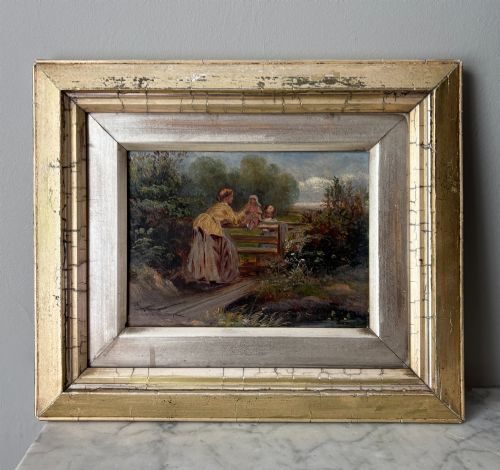
19th Century Genre Scene Oil Painting
A 19th century genre scene oil painting captures everyday human narratives on canvas, offering a vivid window into past domestic and social life.
19th Century Genre Scene Oil Painting
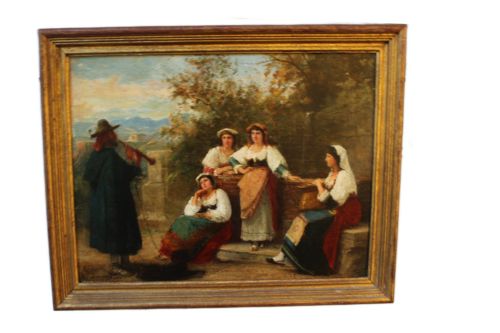
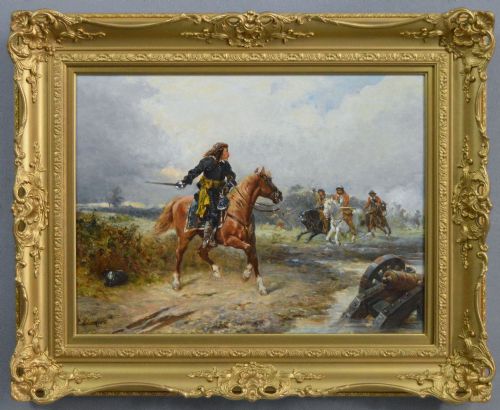
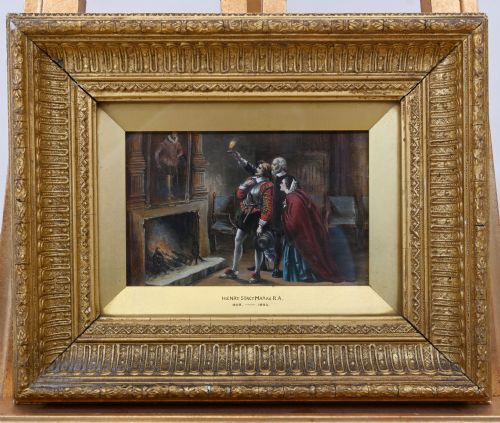
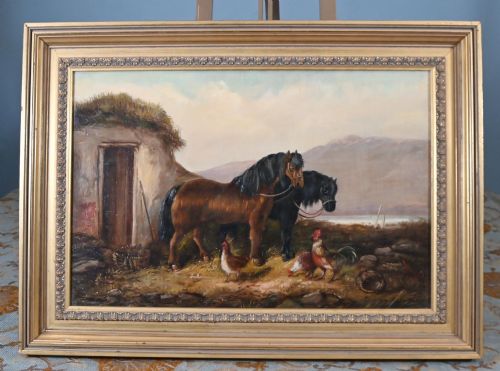
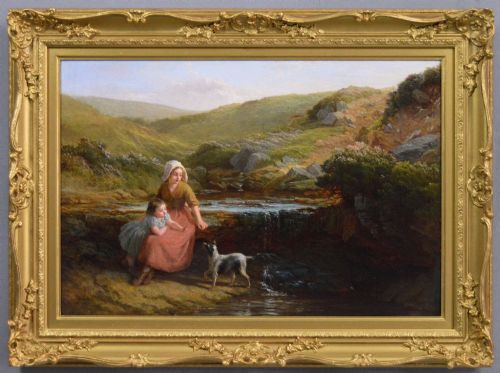
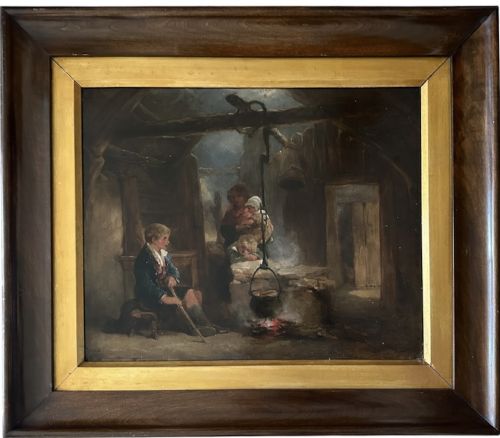
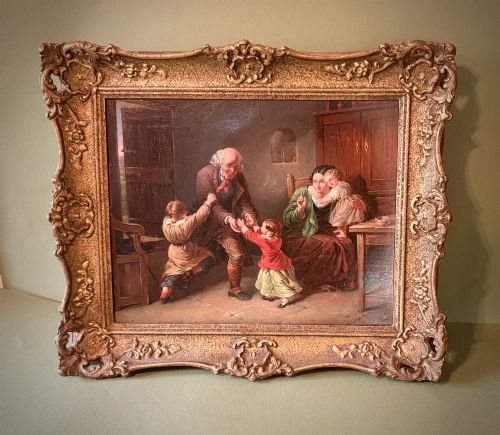
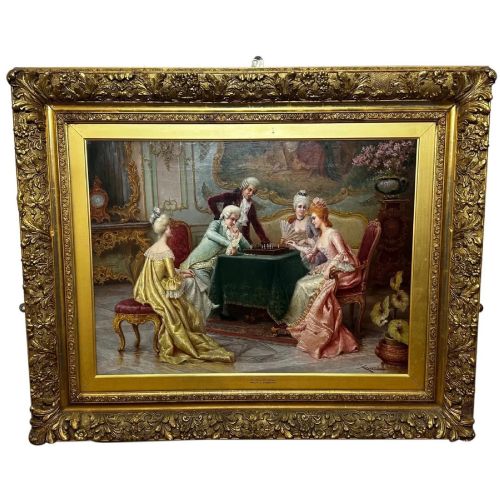
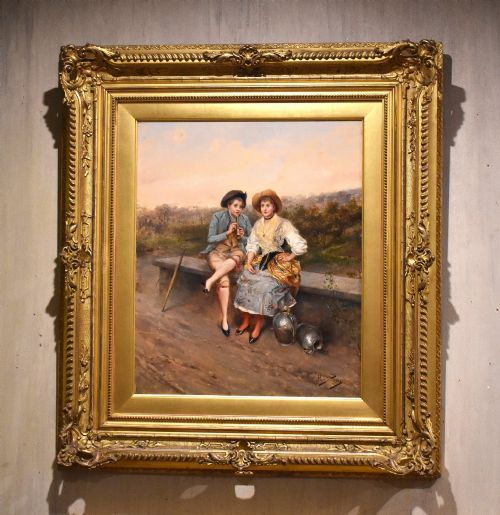
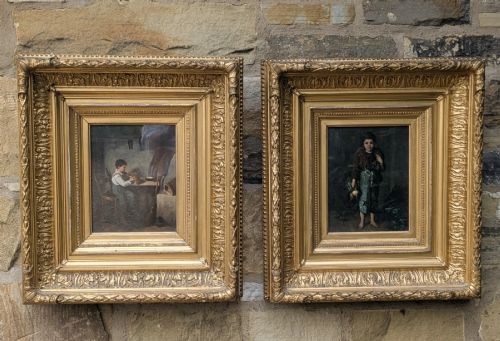
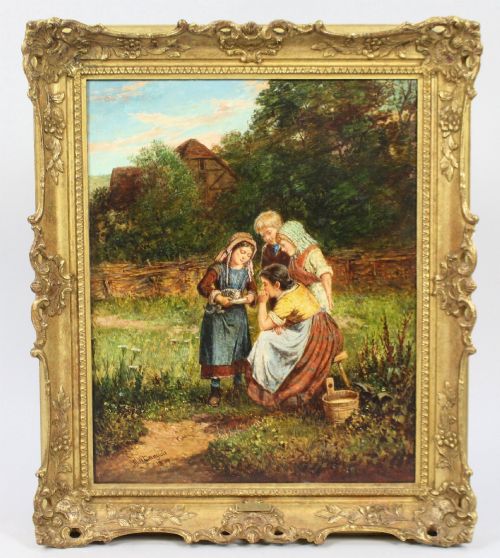
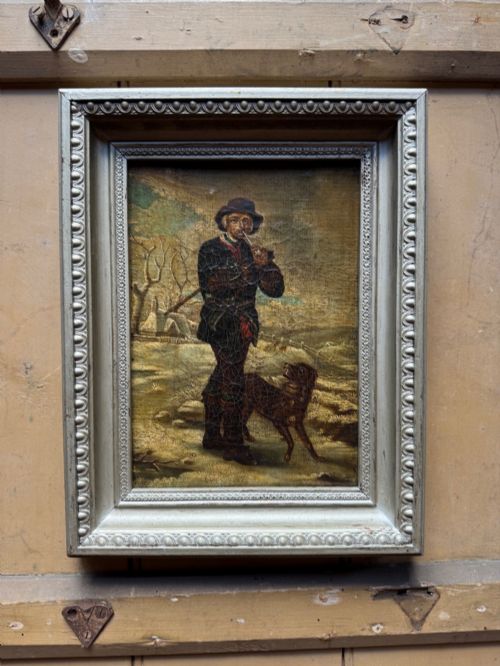
A 19th century genre scene oil painting depicts human figures engaged in daily activities, domestic moments, and historical narratives. These works range from intimate cottage interiors with children and animals to lively tavern gatherings and rural farmyard views.
The pieces on this page span the Victorian era and the broader nineteenth century, reflecting academic realism and Victorian genre painting styles. Subjects frequently include women sewing, children playing, or peasants working, captured by British and European artists.
Buyers encounter compositions set on canvas, panel, or board, often housed in period frames. The overarching focus remains the storytelling element embedded in ordinary human moments.
Materials and technique
Artists applied oil paint to prepared canvas, wood panel, or board using traditional brushwork techniques. Canvas stretched over wooden frames provides the primary ground for larger compositions.
Framing often involves gesso and giltwood or gold leaf, providing ornate decorative borders that complement the academic and realist painting styles of the period.
19th Century Genre Scene Oil Painting Retail Price Guide 2026
Typical asking prices for 19th century genre scene oil painting among the pieces listed under this phrase on Sellingantiques today, from the lower quarter to the upper quarter. They describe what is for sale here now, not the wider market.
Listings feature works created on canvas, wood, and board, utilising oil paint alongside gesso and giltwood frames across the nineteenth century.
Distinguishing quality
Quality in a nineteenth-century painting rests upon the artist's handling of human anatomy, facial expression, and narrative clarity. Superior works demonstrate meticulous brush control and a convincing sense of light and atmosphere within the interior or landscape.
The depth of characterisation in the figures and the structural integrity of the underlying canvas or wood panel further separate standard decorative works from accomplished academic and realist fine art.
José Jiménez Aranda·Alonso Perez·Edward Holmes·Carlo Ferranti·Robert Alexander Hillingford·George Whitton Johnstone·Mark William Langlois·Howard Helmick·Adelaïde Salles-Wagner·Max Kaltenmoser·George Augustus Holmes·Louis Charles Verwee·Charles Hunt·Joseph Farquharson·Bernard De Hoog·Renato Moretti·Jacob Akkersdijk·Miles Birkett Foster·Harry Brooker·A. McDonald·Benjamin Eugene Fichel·Alexander Rosell·Charles Zacharie Landelle·Haynes King·James Kyd
The 19th Century Genre Scene Oil Painting Glossary
- Genre painting
- Depiction of aspects of everyday life by depicting ordinary people engaged in common activities. These works focus on narrative rather than portraiture or landscape.
- Oil on canvas
- Pigments bound in a drying oil applied to a woven fabric support. This combination allows for rich colour blending and textural variation.
- Gesso
- A paint mixture consisting of a neutral binder mixed with chalk, gypsum, or pigment. It prepares rigid panels or carved wood for gilding and framing.
- Academic realism
- A style of painting produced under the influence of European academies of art. It emphasises precise drawing, smooth surfaces, and historical or moral narratives.
- Giltwood
- Wood that has been covered with a thin layer of gold leaf or gold paint. Frames utilising this technique surround many nineteenth-century fine art pieces.
19th Century Genre Scene Oil Painting: Frequently Asked Questions
What subjects appear in these paintings?
These artworks depict everyday human life, including domestic interiors, farmyard scenes, and historical narratives. Figures engaged in reading, sewing, or rural labour form the primary subjects.
Artists frequently portrayed ordinary people in cottages, taverns, or landscapes, focusing on storytelling and social interaction.
How do I care for an oil painting?
Keep the artwork away from direct sunlight and steady humidity levels to protect the canvas and paint layers. Avoid touching the painted surface directly with bare hands.
Dust the frame gently with a soft, dry brush and consult a professional conservator for any cleaning needs.
Are these works signed by the artist?
Many pieces feature visible artist signatures or inscriptions, while others are attributed based on stylistic evidence and historical records. Documentation often accompanies works by known Victorian and continental painters.
Unsigned paintings remain common, particularly among smaller nineteenth-century academic and realist studies.
What framing is typically included?
Many listings feature period frames made of wood with gesso and giltwood or gold leaf ornamentation. These surrounds often reflect Victorian aesthetic preferences.
Frames protect the edges of the canvas or panel and complement the academic style of the artwork.