



19th Century Garden Trough
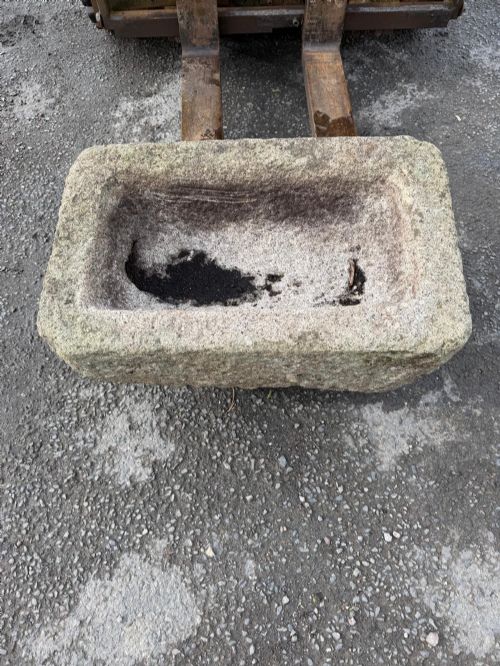
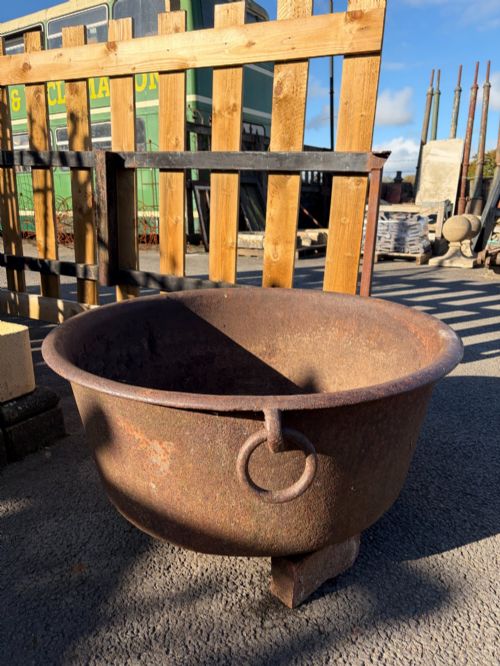
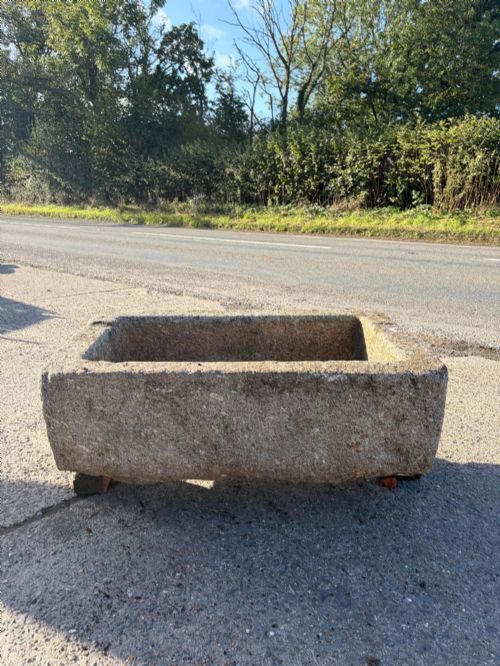
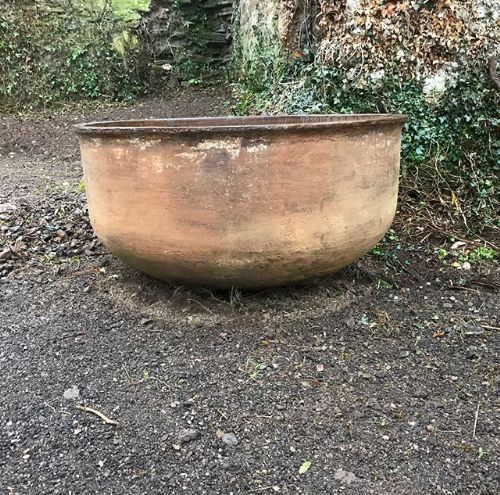
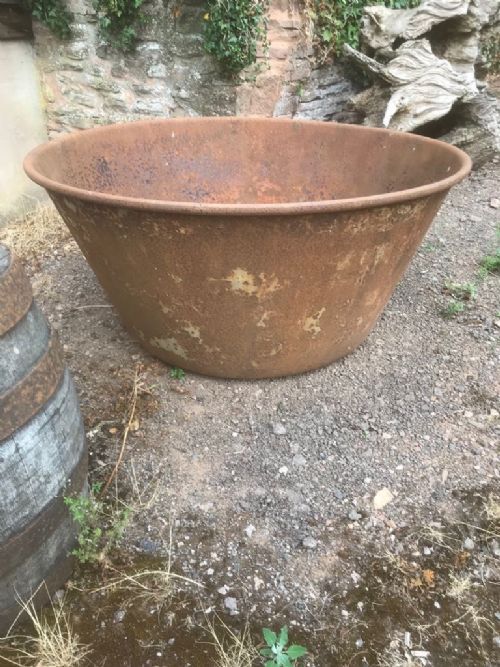
These 19th century garden trough examples are heavy outdoor vessels shaped from granite, iron, and stone to hold soil and plants.
19th Century Garden Trough
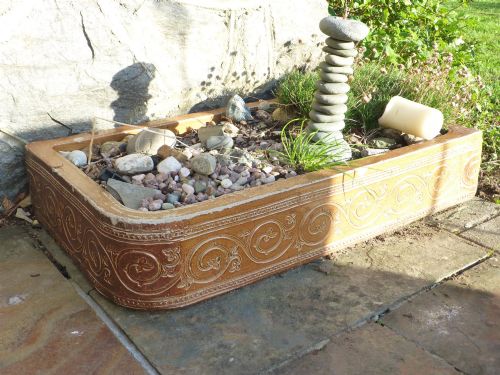
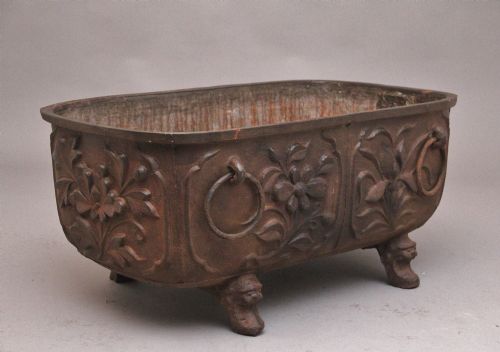
A 19th century garden trough is a utilitarian or decorative vessel designed for planting, originating from periods such as the Georgian era and the wider 19th century. The pieces recorded here include granite, sandstone, and salt-glazed stoneware troughs alongside cast iron planters and copper vessels.
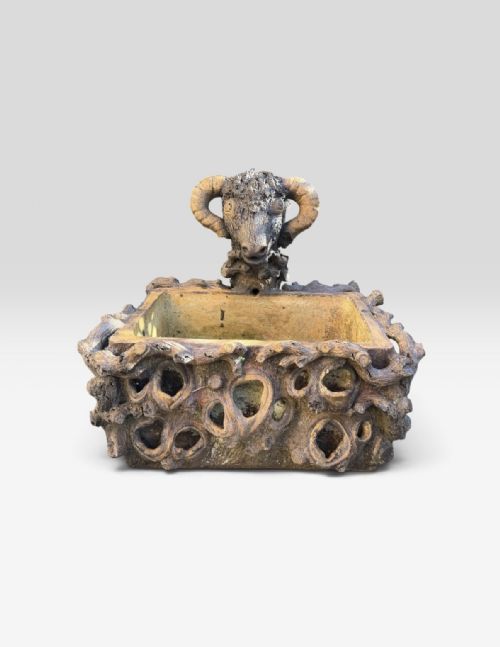
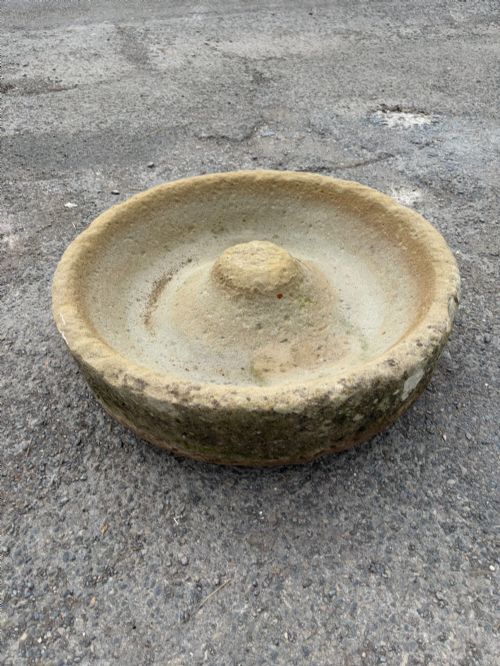
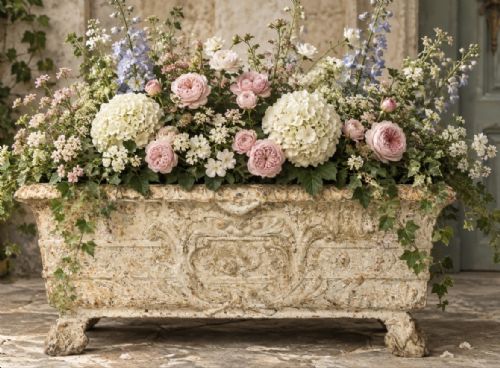
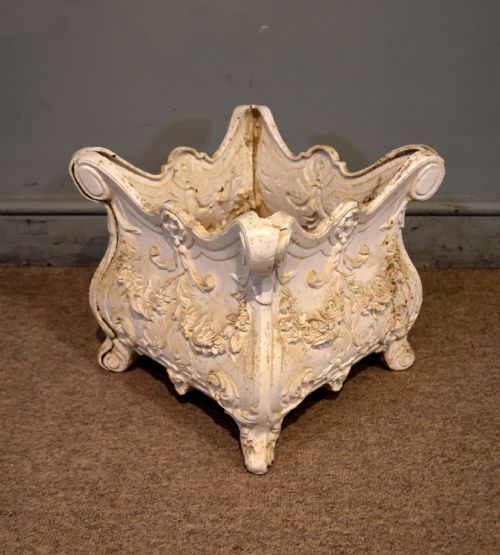
Buyers meet forms ranging from agricultural pig troughs and stone bird baths to ornate French jardinières and Coalbrookdale cast iron planters. Stylistic variations span Victorian rustic, vernacular designs, and French chateau aesthetics.
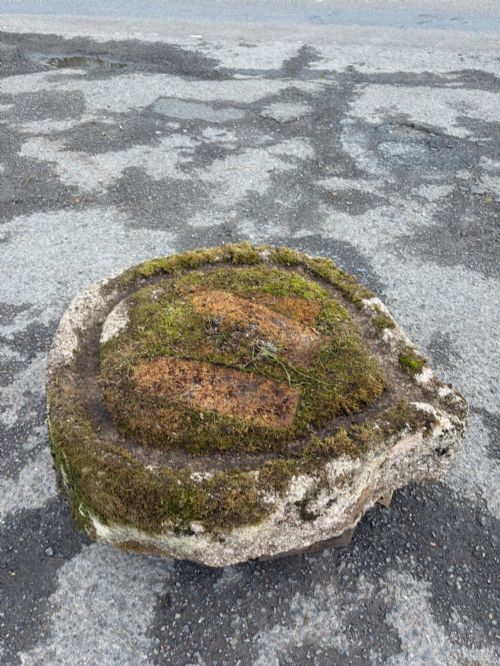
Objects on this page also encompass corner hay racks, steel planters, and limestone mill stone bases adapted for garden use. Each piece reflects the functional roots of nineteenth-century domestic and agricultural life.
What varies in quality
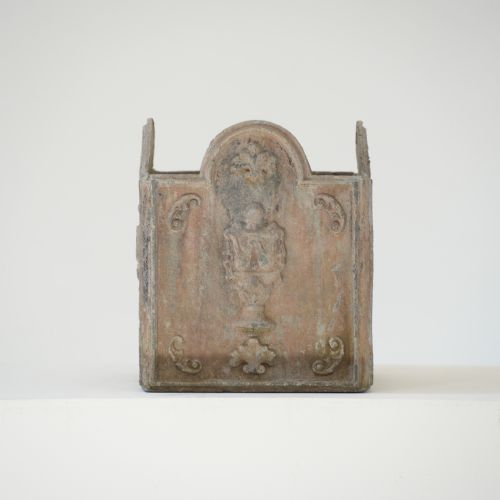
Quality rests on the integrity of the material and the clarity of the maker's hand, whether in the precision of stone-carving or the crispness of iron castings. Finer cast iron examples display sharp relief ornament without distortion from worn moulds.
Durability and surface character distinguish better specimens, particularly where natural patination on copper or the weathering of granite enhances the visual weight of the trough. Plain utilitarian items differ from decorative Victorian pieces through ornament rather than functional capacity.
19th Century Garden Trough Retail Price Guide 2026
Typical asking prices for 19th century garden trough among the pieces listed under this phrase on Sellingantiques today, from the lower quarter to the upper quarter. They describe what is for sale here now, not the wider market.
An eighteenth-century Cornish granite trough stands alongside nineteenth-century pig troughs, proving hogs had architectural standards.
Coalbrookdale·Guichard Carriès
The 19th Century Garden Trough Glossary
- Salt-glazed stoneware
- Pottery fired at high temperatures where salt is thrown into the kiln to produce a vitreous, glossy coating. This impervious finish suited damp outdoor environments.
- Jardiniere
- An ornamental pot or stand for holding plants or flowers, often rendered in cast iron or ceramic during the nineteenth century. These items frequently sat in gardens or conservatory spaces.
- Hay rack
- A slatted metal rack originally used to hold fodder for livestock, occasionally repurposed as a wall-mounted plant holder. Iron examples display riveted or strapwork construction.
- Vernacular
- Architecture and objects built by local craftspeople to traditional designs using local materials, rather than following high architectural styles. These rustic troughs prioritise utility over ornament.
- Patina
- The surface alteration and mellowing of a material over time through exposure to the elements. Copper and iron develop distinctive oxidation effects across decades of use.
19th Century Garden Trough: Frequently Asked Questions
What is a stone garden trough?
A stone garden trough is a heavy carved receptacle originally hewn from granite, sandstone, or limestone for agricultural or domestic chores. These vessels later found second lives as durable planters for alpine plants and perennials.
The density of stone protects roots from frost heave during winter months. Their weathered surfaces integrate naturally into established garden landscapes.
How do I care for cast iron planters?
Cast iron planters require periodic inspection for surface rust, which can be treated with wire brushing and protective coatings if needed. Keeping drainage holes clear prevents trapped water from expanding during freezing weather.
Heavy iron vessels should rest on level paving or feet to avoid damp contact with soil. Regular cleaning removes accumulated debris and preserves the integrity of the metal.
Where should I place a heavy trough?
Heavy troughs need stable, level ground capable of supporting substantial weight once filled with wet soil and stones. Courtyards, terraces, and gravel paths provide secure foundations for large stone or iron pieces.
Positioning them near water sources or seating areas makes maintenance and viewing convenient. Consideration of sunlight exposure helps determine suitable planting choices for each specific vessel.
Can copper planters stay outside?
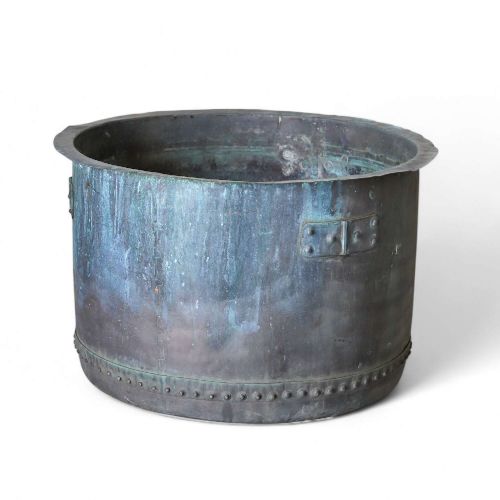
Copper planters withstand outdoor conditions well, developing a stable natural patina over time through atmospheric exposure. Hand-riveted construction provides structural strength for holding earth and moisture.
These metal vessels add reflective warmth to garden settings against green foliage. Ensuring adequate drainage prevents standing water from stressing the metal joints.