
19th Century Garden Planter
These pieces bring character to outdoor spaces, offering the weight and history of a genuine 19th century garden planter for modern planting schemes.
19th Century Garden Planter
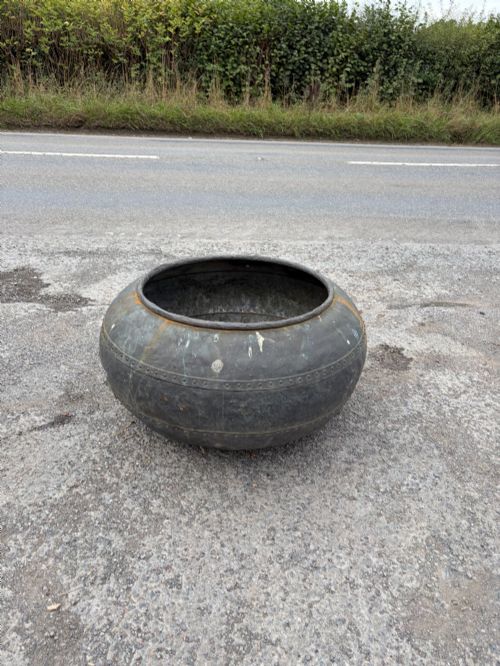
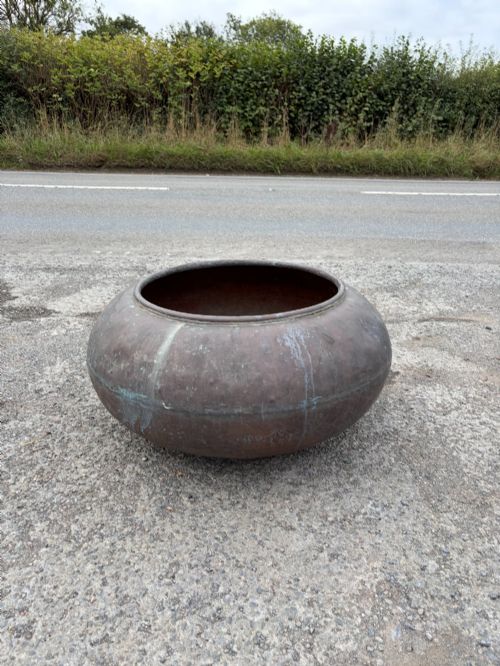
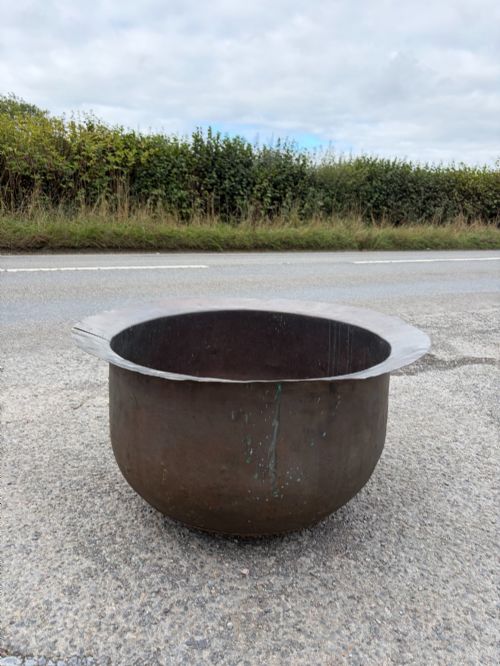
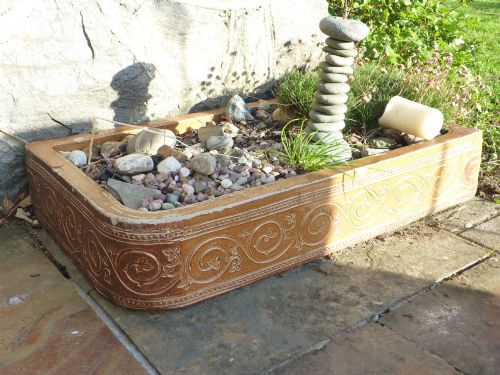
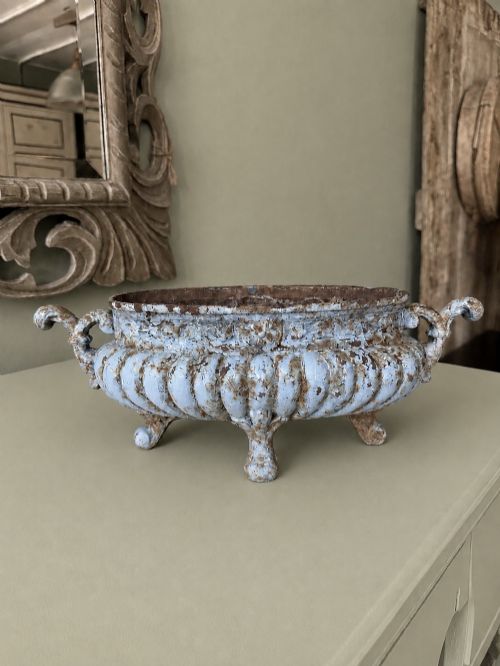
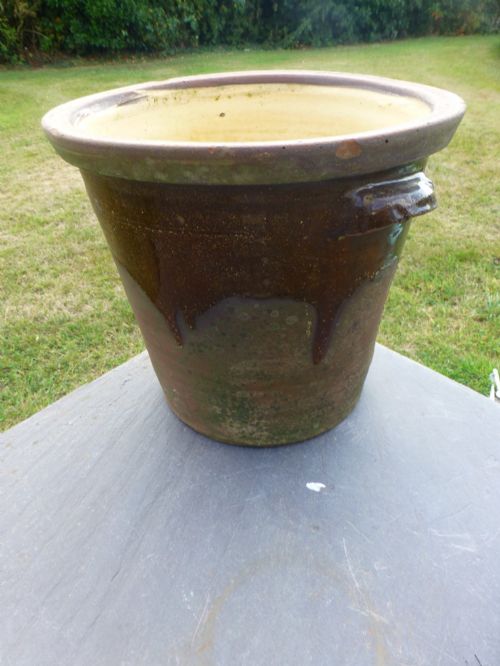
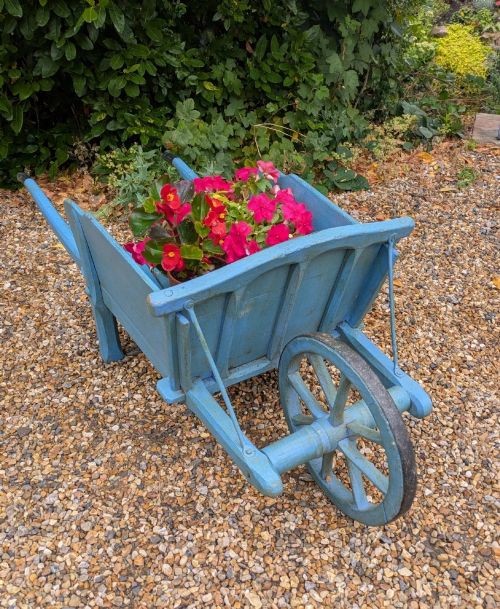
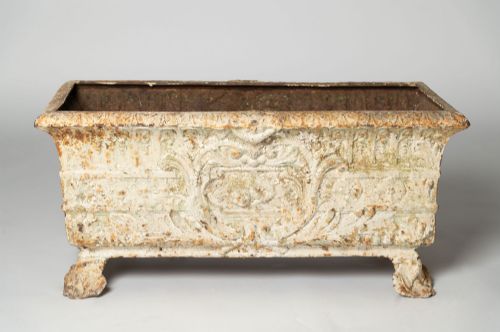
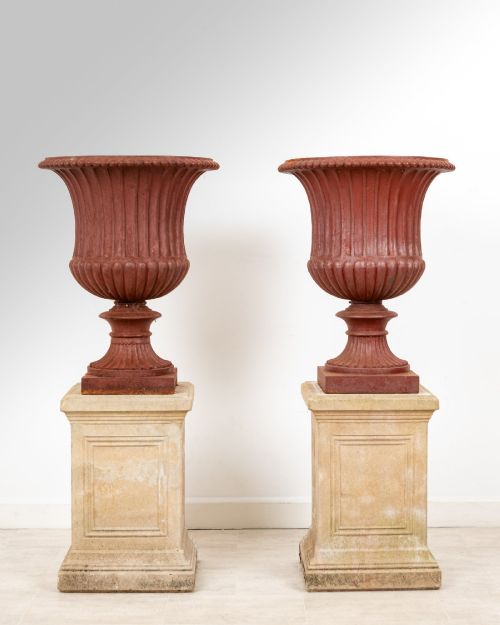
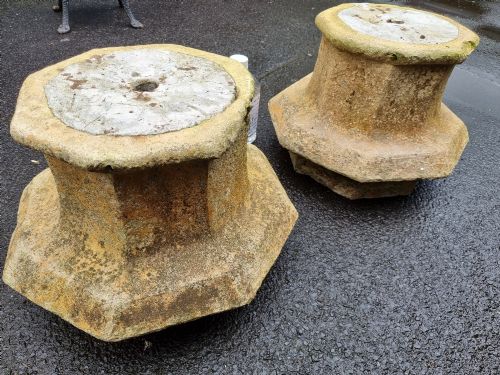
A 19th century garden planter encompasses a wide variety of utilitarian and decorative vessels designed to hold plants, including heavy cast iron urns, copper pots, and salt-glazed stoneware troughs. These items reflect the diverse manufacturing output of the Victorian period and surrounding decades, spanning styles from rustic country forms to neoclassical garden furniture.
Buyers will most frequently encounter cast iron campana urns, hand-riveted copper vessels, and terracotta pots originating from English, French, and Scottish makers. These vessels range from simple dairy salting crocks repurposed for the garden to elaborate architectural jardiniere stands and wirework baskets.
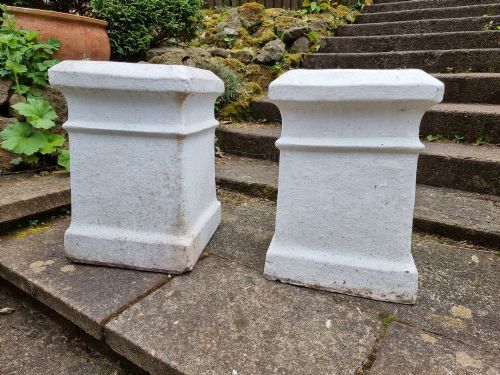
The selection includes both individual statement pieces and matched pairs intended to flank entrances, pathways, or formal terraces. Their historical utility extends from functional water filtration and washing to pure ornamentation.
How They Were Made
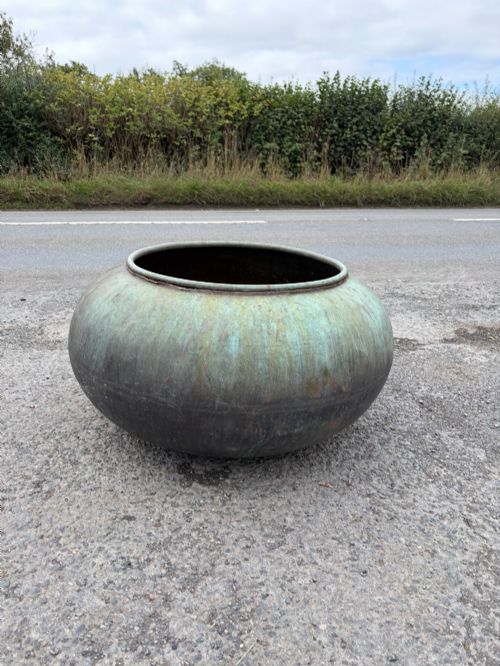
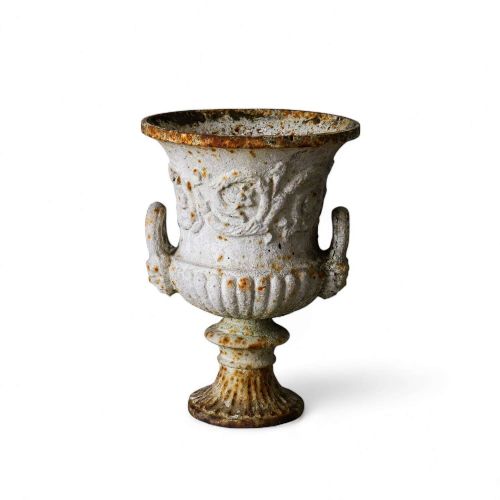
Cast iron examples were produced in foundries using detailed moulds, resulting in crisp classical details or robust utilitarian forms that often received layers of paint. Iron pieces frequently exhibit surface weathering and verdigris developed over decades of outdoor exposure.
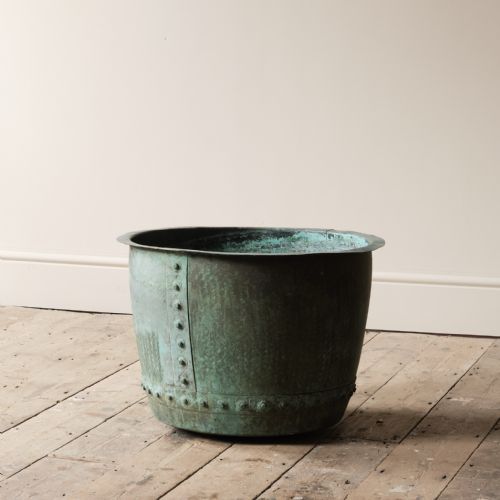
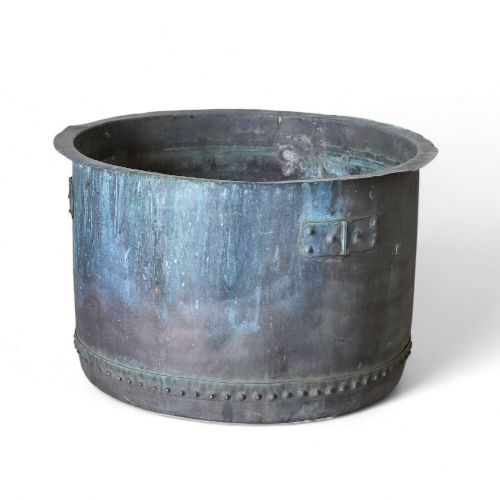
Metal vessels such as copper pots and trugs rely on hand-riveted sheet construction, combining durability with functional metalworking techniques. Meanwhile, terracotta and salt-glazed stoneware items were thrown or moulded from regional clay bodies before kiln firing, yielding distinctive surface textures and natural patinas.
Materials span cast iron, copper, terracotta, stone, and wrought iron, reflecting diverse domestic and garden uses.
What Varies in Quality
Quality rests on the crispness of the original casting or hand-formed construction, where finer pieces display precise detailing on classical urns or clean, secure riveting on copper vessels. The integrity of the material itself, whether dense cast iron, thick-walled stoneware, or heavy copper, dictates the longevity of the object.
The nature of the surface finish also plays a role, with original distressed paint, honest verdigris, and weathered patinas indicating age and proper atmospheric ageing rather than artificial distress. Maker attributions or factory stamps further distinguish standard utility items from exceptional workshop productions.
Guichard Carriès·Andrew Handyside·Coalbrookdale
The 19th Century Garden Planter Glossary
- Campana Urn
- A bell-shaped garden vessel on a pedestal, typical of classical design and widely produced in cast iron during the Victorian era.
- Jardiniere
- An ornamental pot or stand designed to hold growing plants or flowers, often executed in wrought iron or ceramic.
- Salt Glazed
- A ceramic finish created by throwing common salt into the kiln during high-temperature firing, producing a textured, glass-like coating on stoneware.
- Verdigris
- A green patina formed naturally on copper, brass, or bronze through atmospheric weathering over long periods.
- Faux Bois
- An artistic imitation of wood, frequently modelled in stone or concrete to create rustic garden ornaments.
- Trug
- A traditional shallow basket or container, historically used for gathering garden produce or transporting goods.
19th Century Garden Planter: Frequently Asked Questions
How were these planters used historically?
These vessels served diverse practical and decorative functions across Victorian estates, farmyards, and urban spaces. Many held specimen plants, flowers, or small trees to ornament formal terraces and entranceways.
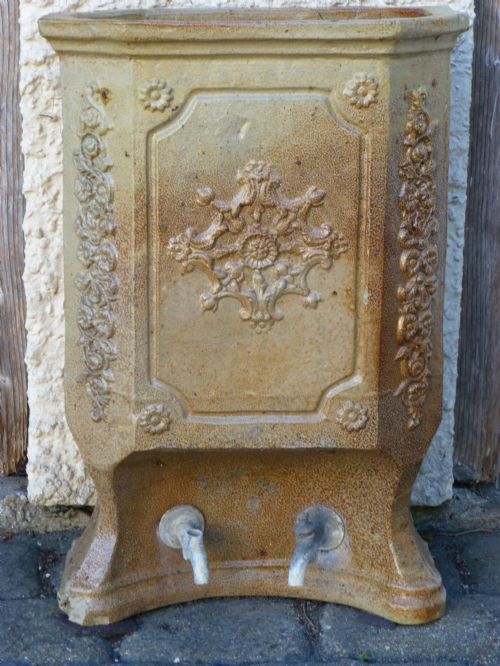
Other items began life as utilitarian objects, such as copper boiling pots, dairy salting crocks, or salt-glazed water filtration units, before finding a second life in the garden.
Can I leave cast iron urns outside in winter?
Cast iron is robust and generally tolerates outdoor conditions well throughout the winter months. The thick metal withstands low temperatures, though adequate drainage prevents water accumulation and ice expansion.
Terracotta and stone pieces require more attention during freezing weather to avoid cracking from trapped moisture.
How do I identify a French piece?
French vessels often display distinct regional characteristics, such as the specific yellow-buff terracotta of Biot jars or the salt-glazed stoneware typical of regional potteries. Design motifs may also lean towards French country aesthetics or carry stamps from continental workshops.
Matching forms with documented origin styles helps confirm where a particular planter was produced.