





19th Century Game Painting
These 19th century game painting works capture rural pursuits and still life subjects on canvas and wood panel for period interiors.
19th Century Game Painting
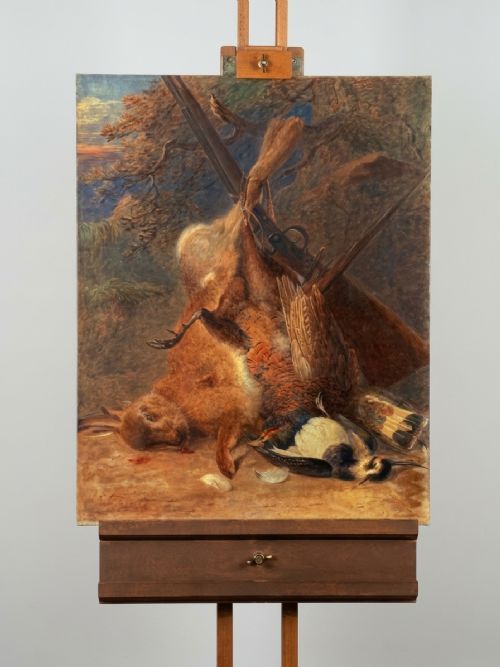
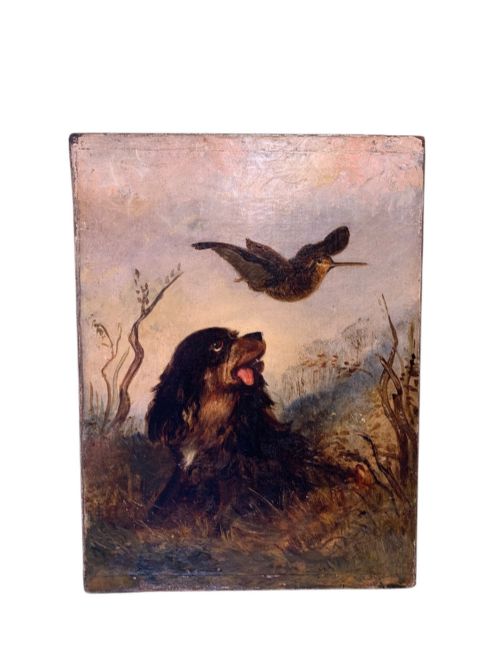
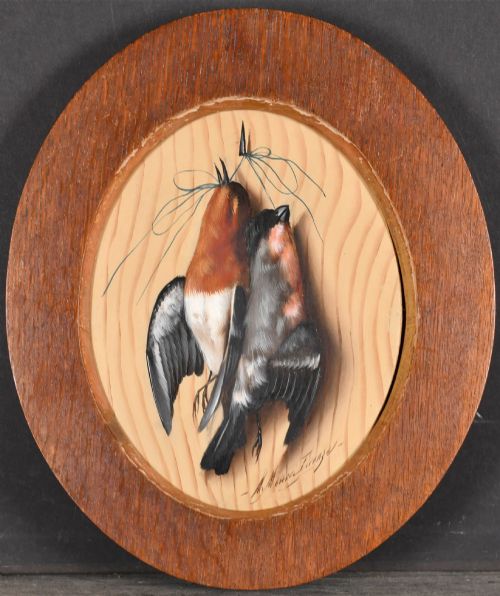
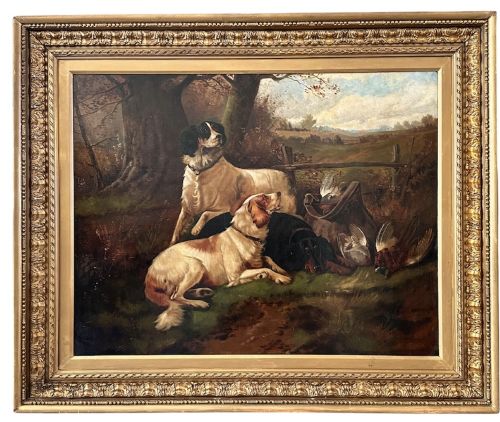
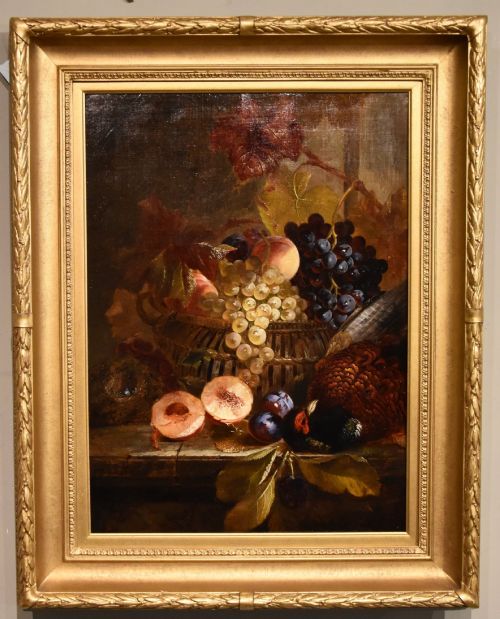
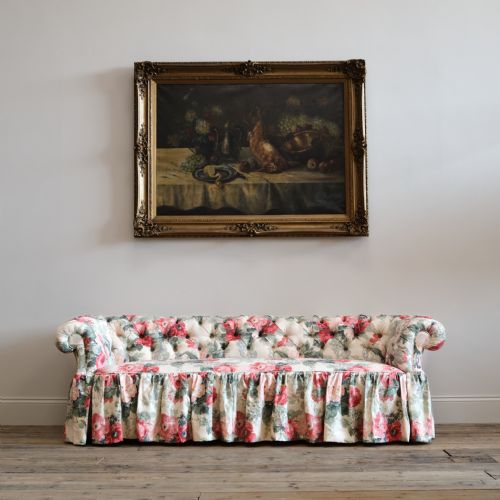
A 19th century game painting typically depicts harvested wildlife, sporting dogs, larder scenes, or rural card and board pastimes from the Victorian, Regency, and Edwardian eras. Buyers encounter oil paintings on canvas or wood panel alongside watercolours showing hares, game birds, and gun dogs.
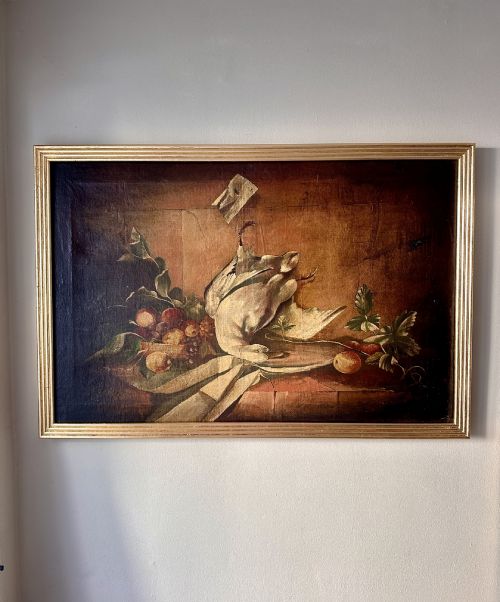
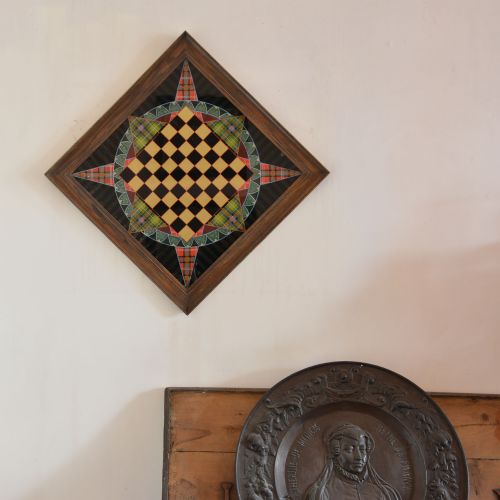
The selection ranges from continental still life compositions of feathered game to British sporting art featuring pointers and setters with the day's bag. Domestic gaming equipment and painted tables also appear within the broader scope of period pursuits.
Works originate from British, French, Dutch, and Italian schools, reflecting diverse regional approaches to natural history subjects and leisure activities. These pieces suit studies, libraries, and country houses seeking authentic period atmosphere.
Materials and construction
Artists painted primarily in oil upon stretched canvas or prepared wooden panels, applying pigment to build up detailed textures of fur, feathers, and foliage. Watercolour and bodycolour on paper appear in smaller works and preparatory studies.
Framing often utilised giltwood and gold leaf moulding to complement the dark, rich palettes typical of Victorian and continental still life traditions. Support structures employ traditional timber joinery for panels and stretchers.
Monkeys occasionally join the card players and game birds, proving that nineteenth century artists enjoyed eccentric company in the studio.
Distinctions in quality
Anatomical precision in depicting animals and birds separates accomplished works from standard decorative pieces, with master painters rendering bone structure and plumage with exactness. Brushwork dexterity in capturing the glossy sheen of feathers or the damp texture of a dog's nose indicates higher technical skill.
Compositional balance within larder arrangements and sporting scenes determines artistic merit, as does the condition of the original paint layer and canvas tension. Finer examples retain clear signatures, historical provenance, and period frames that enhance their integrity.
George Sydney Shepherd·Michelangelo Meucci·Henry Travis·John Sargent Noble·William Henry Ward·Johann Hamza·Benjamin Blake·Thomas Blinks·Marcel Brunery·Robert Cleminson·Emile Lecomte
The 19th Century Game Painting Glossary
- Trumeau
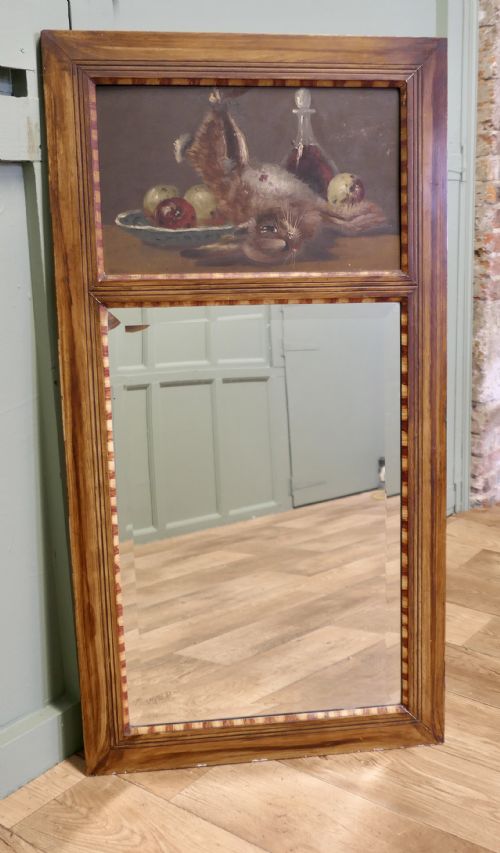
- A decorative wall mirror featuring an oil painting or carved panel above the glass plate. This form frequently incorporates French country styling from the period.
- Larder view
- A still life genre depicting hanging game birds, fish, or butcher's meat arranged for domestic provisioning. These compositions emphasise realistic textures and subdued lighting.
- Penwork
- A decorative technique using fine ink lines on wood surfaces, often seen on Regency games boxes and small tables. Artisans combined this linear detail with painted highlights.
- Giltwood
- Timber carved and coated with gold leaf or metallic powder to create a reflective gilded surface. Frames and decorative mouldings utilised this finish during the Regency and Victorian periods.
- Demi-lune
- A half-moon shape characteristic of certain card and games tables designed to sit flush against a wall. Satinwood veneers and painted decoration often adorn these semicircular pieces.
19th Century Game Painting: Frequently Asked Questions
What subjects feature in these paintings?
Paintings show dead game birds, hares, gun dogs, and rural card players in structured interior or larder settings.
Artists documented traditional country pursuits and wildlife using oil or watercolour mediums.
How were game paintings displayed originally?
Works hung in country house dining rooms, libraries, and studies alongside sporting equipment and trophies.
Heavier oil works sat within deep giltwood frames to command attention on panelled walls.
How do I care for an antique canvas?
Keep paintings away from direct sunlight and steady humidity levels to prevent paint cracking and canvas slackening.
Dust surfaces gently with a dry, soft brush without applying liquid cleaners.
Can I date a painting from its stretcher?
Older stretchers feature handmade wedges, pegged corners, and oxidation patterns on the exposed timber.
Canvas stamps and paper labels from historical colourmen also help establish a production era.