

19th Century French Timepiece
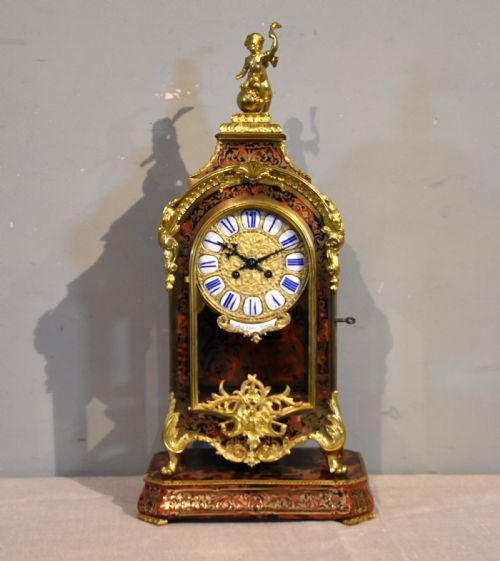
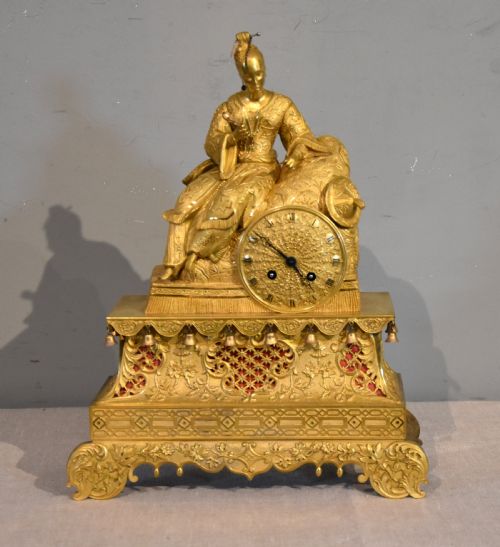
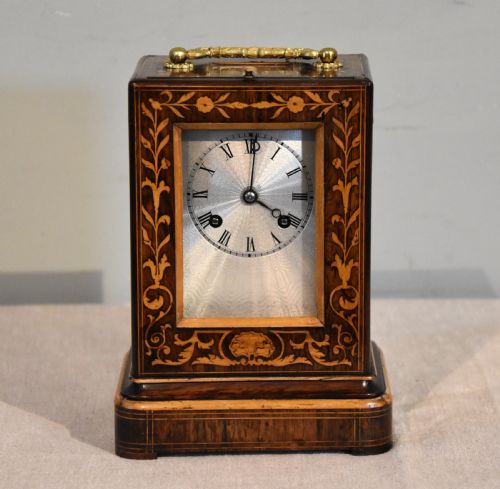
These 19th century french timepiece examples bring brass cases, enamel dials, and steady movement to a mantel or desk.
19th Century French Timepiece
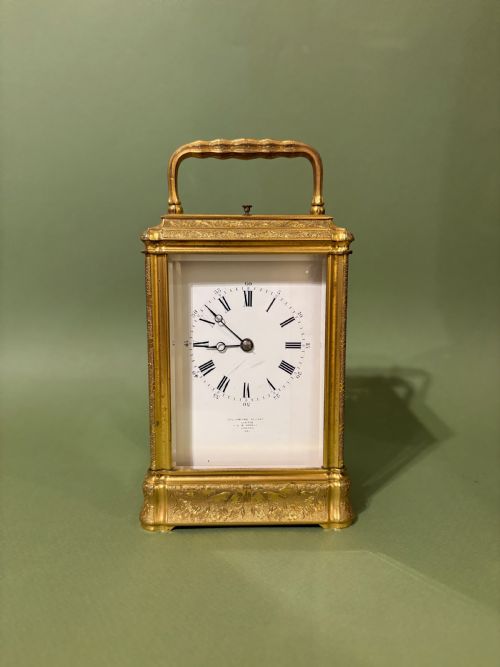
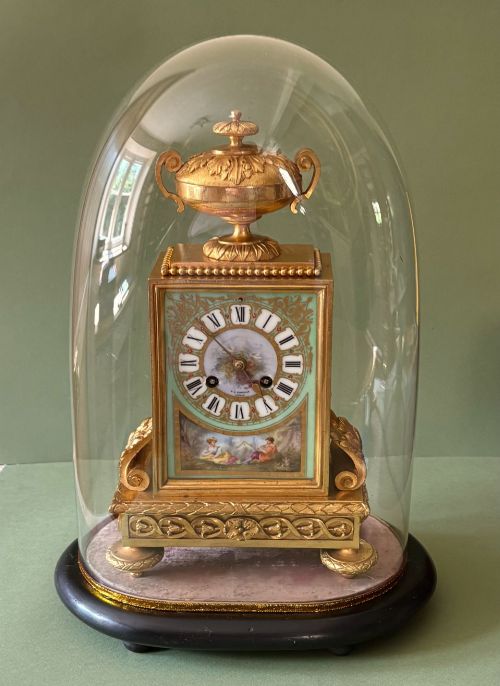
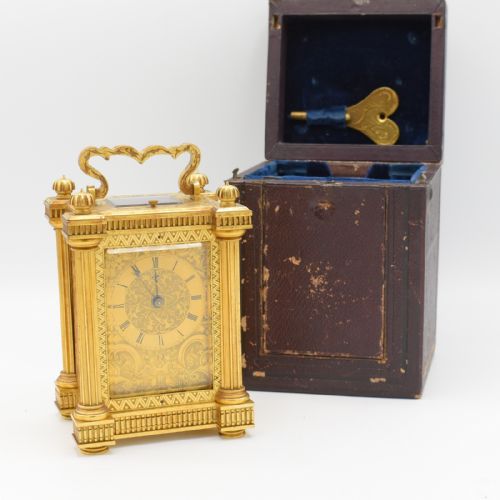
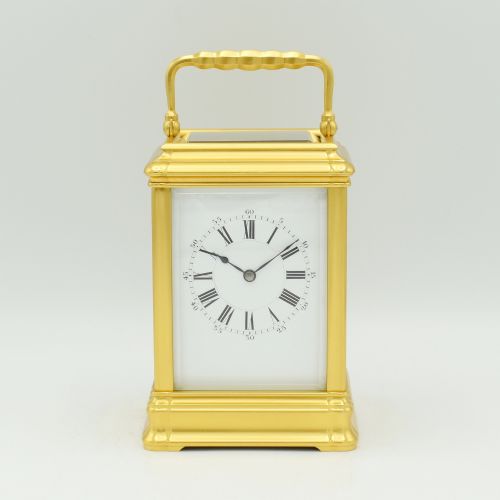
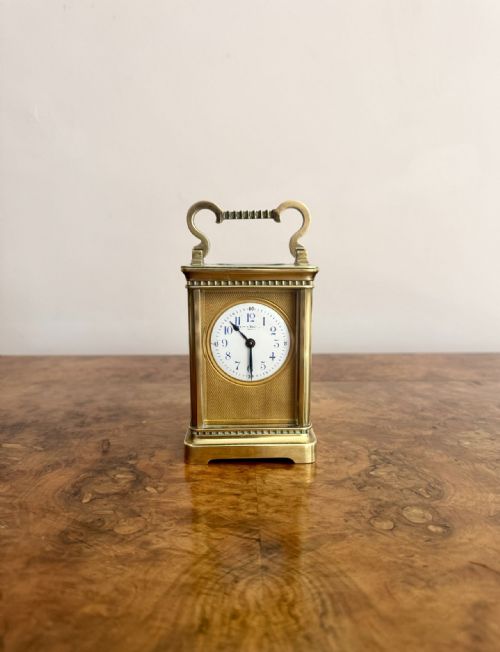
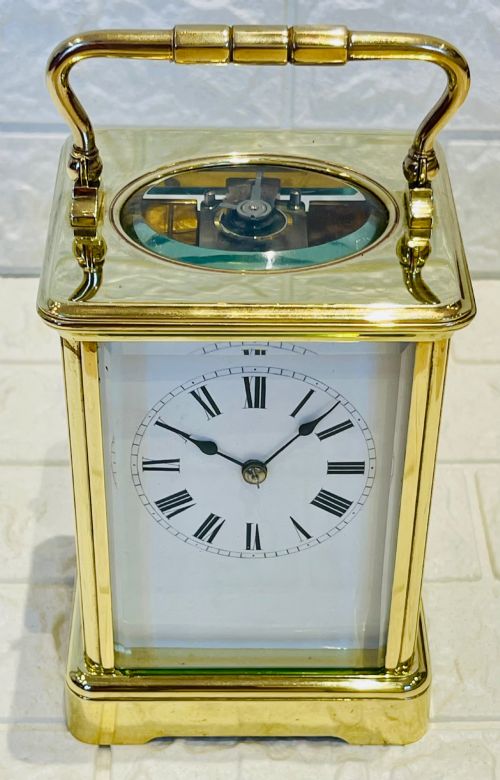
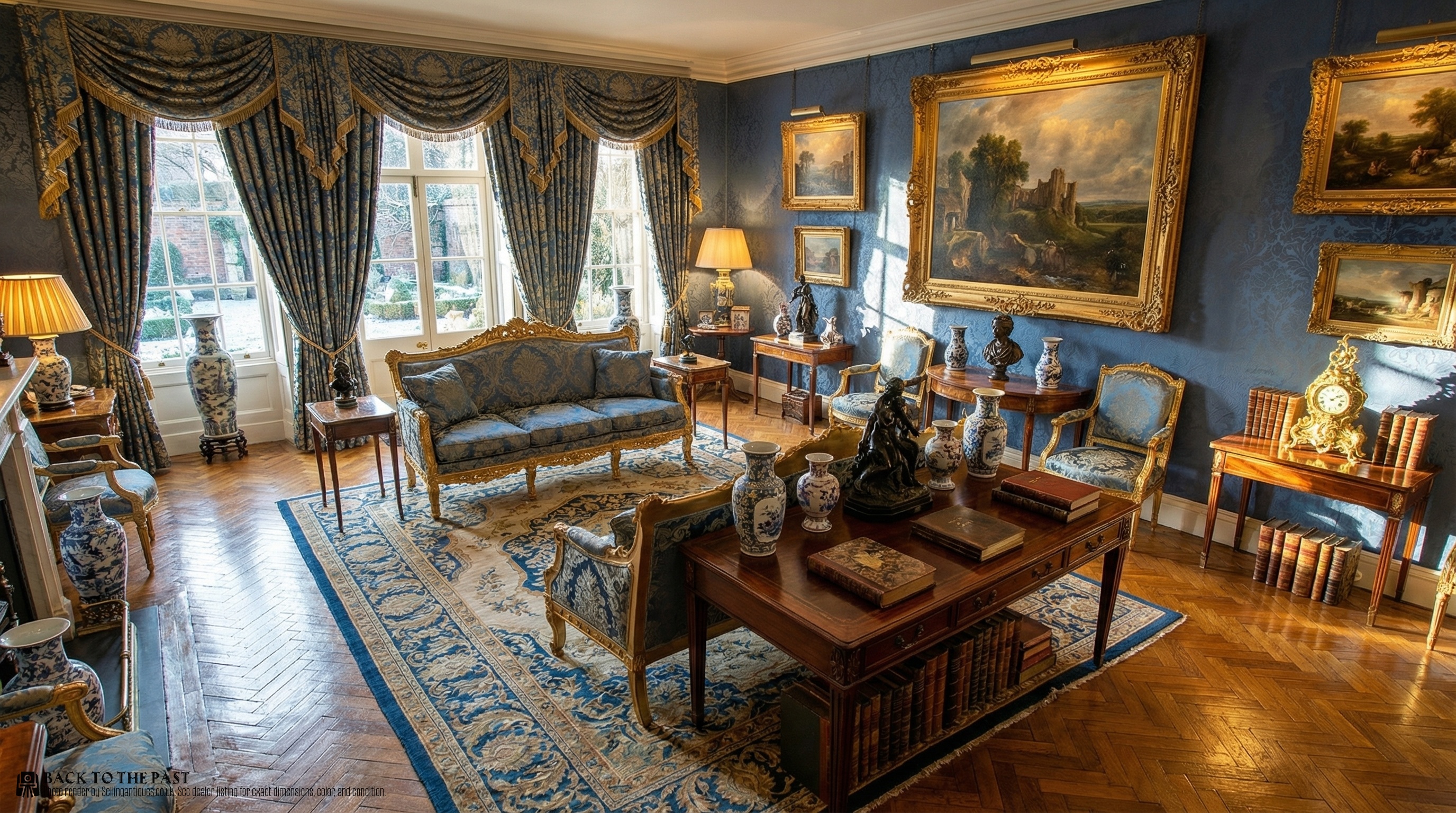
A 19th century french timepiece bridges practical timekeeping and architectural ornament, turning domestic spaces into galleries of applied art. When you search for a 19th century french timepiece, you encounter a wide spectrum of functional objects ranging from travelling carriage clocks housed in glass and brass to substantial mantel clocks designed for fixed placement.
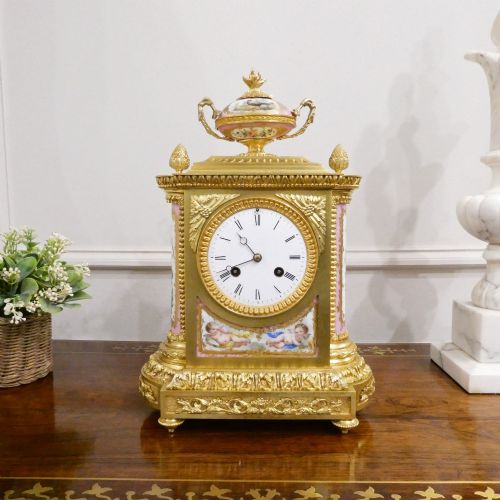
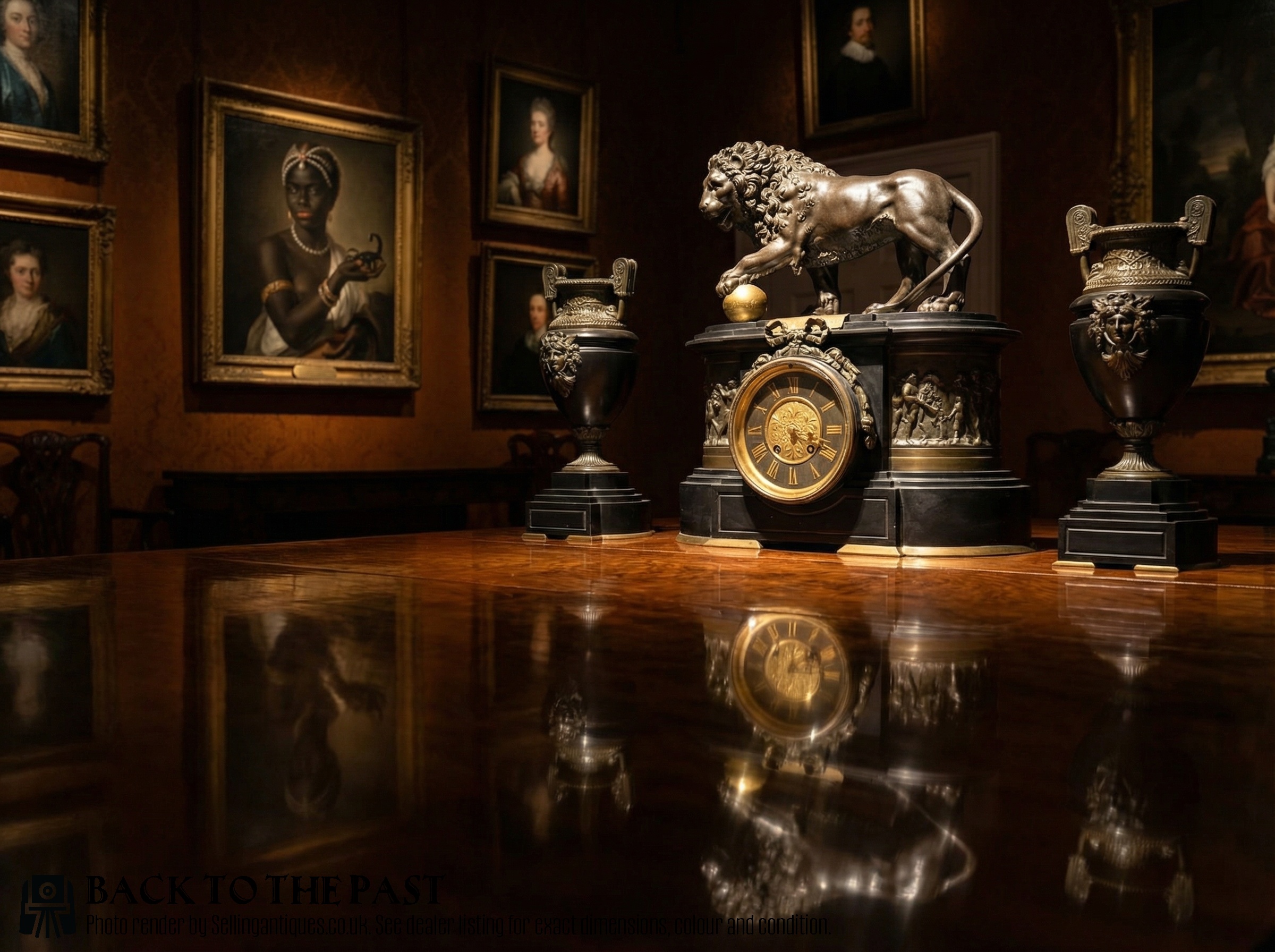
The objects on this page fall primarily into distinct stylistic categories shaped by nineteenth-century revivals. Carriage clocks appear frequently alongside formal mantel clocks finished in ormolu, gilt bronze, and various marbles.
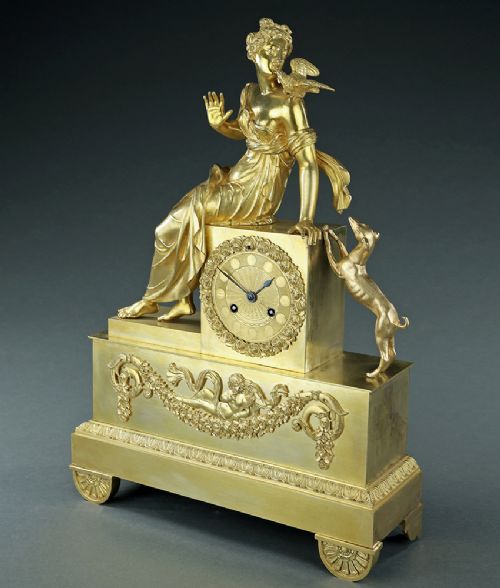
Makers and retailers during this era produced both utilitarian pieces for travellers and highly decorative sculptural clocks depicting historical or allegorical themes. Regional variations and specific periods such as the 1870s, 1880s, and 1890s dictate the exact proportion of each form you meet.
How They Were Made
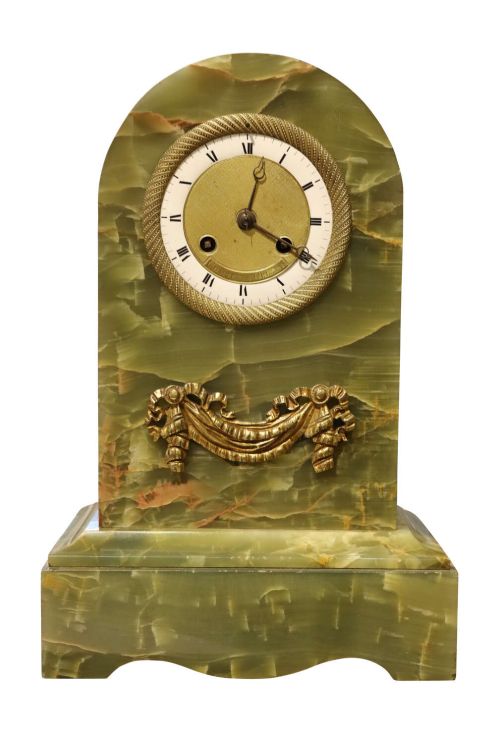
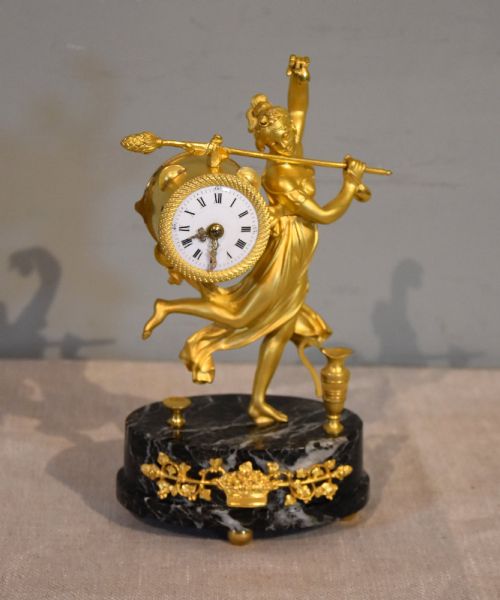
Horologists and metalworkers utilised solid brass, gilt bronze, and ormolu to construct robust internal chassis and ornate external housings. Heavy stones like sienna and green marble provided stable architectural plinths for larger mantel clocks, while bevelled glass panels protected the delicate escapements of carriage clocks.
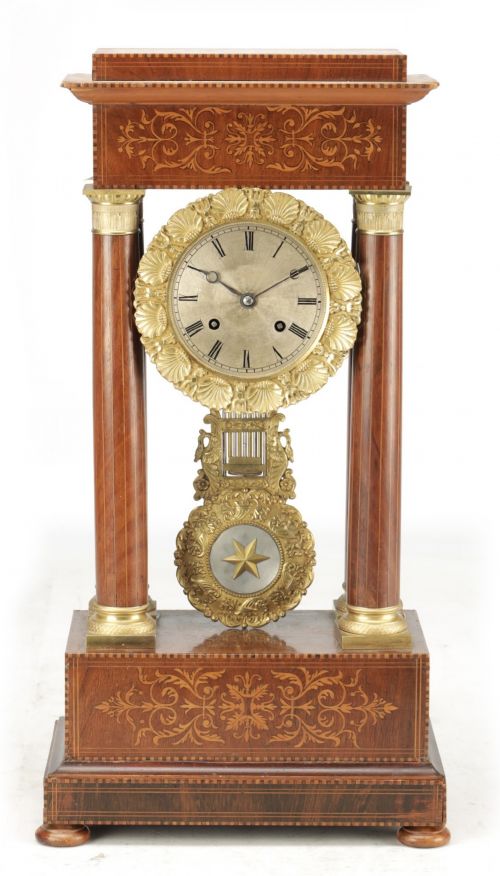
Surface decoration required skilled handcrafting, incorporating champlevé enamel, painted porcelain plaques, and detailed floral or geometric engraving upon the brass framework. Rosewood inlay and patinated bronze figures added further textural contrast to the metal and stone foundations.
Clockmakers fitted precision escapements and striking trains within these housings, often including repeating mechanisms and bell-strike complications that required careful manual adjustment and calibration.
Listings feature carriage clocks, mantel clocks, and wall clocks spanning the nineteenth century in brass, glass, enamel, and various marbles.
What Varies in Quality
The distinction between ordinary production and superior work lies in the crispness of the cast bronze ornament and the depth of the gilding. Higher quality examples exhibit sharply defined hand-chased details on ormolu mounts rather than soft, mass-produced edges.
Movement execution defines the upper tier of these timepieces, distinguished by fully engraved plates, signed escapements, and functional repeat mechanisms that operate smoothly. The inclusion of signed enamel dials and original travelling cases elevates an example above standard factory output.
HENRI JACOT·Charles à Orléans·Howell & James London·Pickford of London·Drocourt Paris·T. Martin & Co·Rodier
The 19th Century French Timepiece Glossary
- Ormolu
- Gilt bronze produced by applying a finely ground high-carat gold-mercury amalgam to a bronze object before firing. This technique creates a rich, durable golden surface characteristic of fine nineteenth-century decorative arts.
- Carriage Clock
- A portable spring-driven timepiece designed for travel, typically featuring a brass frame inset with bevelled glass panels and a folding handle on top.
- Champlevé
- An enamelling technique where troughs or cells are hollowed out of a metal surface and filled with vitreous enamel powder before being fired. The resulting piece is then polished flush with the metal.
- Repeater
- A mechanical complication that sounds the hours and quarters upon demand when a lever or button is pressed. This feature required advanced gear trains within the clock movement.
- Boulle
- A method of marquetry using brass and tortoiseshell inlaid in contrasting patterns, named after the famous cabinetmaker. It adorns select wooden mantel clock cases from the period.
19th Century French Timepiece: Frequently Asked Questions
What is a carriage clock?
A carriage clock is a small, portable spring-driven timepiece created for travel during the nineteenth century. These clocks typically feature a rectangular brass case with glazed windows that reveal the internal escapement.
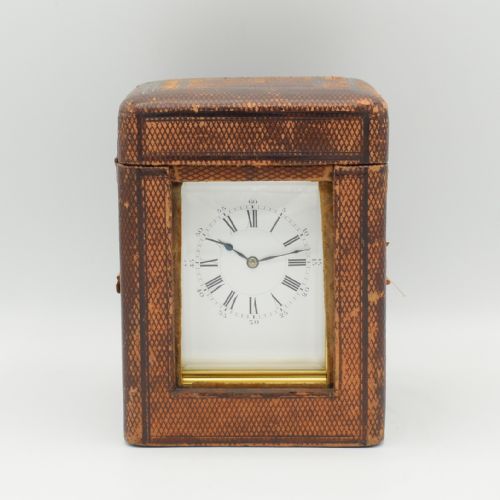
Most include a pivoting handle on the top for easy transport. Makers often housed them in fitted leather travel cases to protect the exterior gilding during journeys.
How do repeater clocks work?
A repeater clock contains an additional mechanism that chimes the time on demand rather than only at the hour. Pressing a button on the case activates small hammers that strike gongs or bells inside.
This complication allowed owners to check the time in the dark without lighting a candle. It represents a high level of nineteenth-century horological skill.
Where were mantel clocks placed?
Mantel clocks stood upon the mantelpiece above a fireplace, serving as both functional timekeepers and decorative focal points in nineteenth-century reception rooms. Their heavy marble or bronze bases provided stability on wide wooden ledges.
Smaller desk clocks and portico timepieces occupied writing tables and sideboards. They integrated directly into the domestic interior architecture of the period.
How do I identify the period?
Dating these timepieces relies on observing stylistic markers, revival movements, and manufacturer signatures stamped on the back plates. Pieces from the middle decades often favour classical bronze figures, while later nineteenth-century examples display champlevé enamel or architectural marble cases.
Serial numbers and maker marks offer direct links to specific workshops operating in Paris or London. Comparing case construction details clarifies the exact decade of manufacture.