
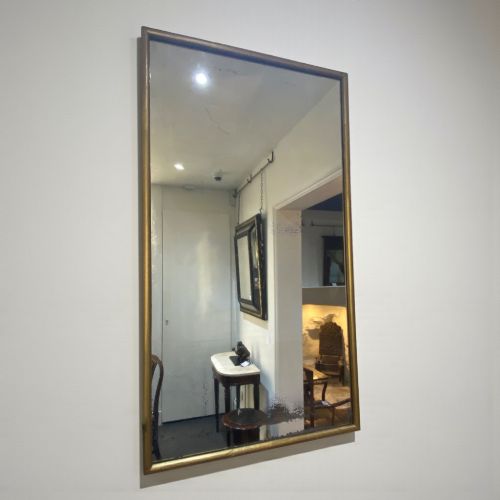
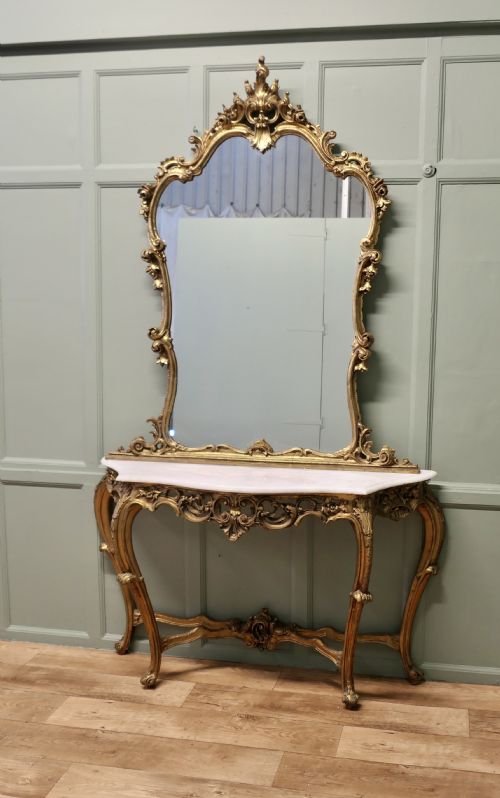
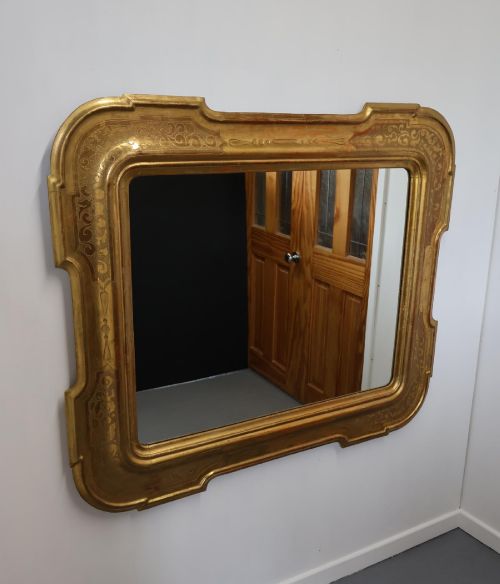
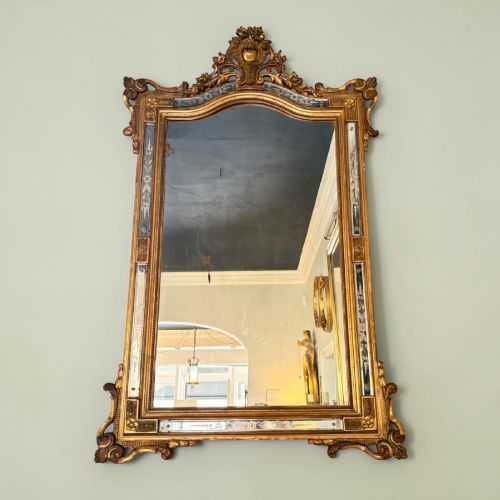
19th Century French Giltwood Mirror
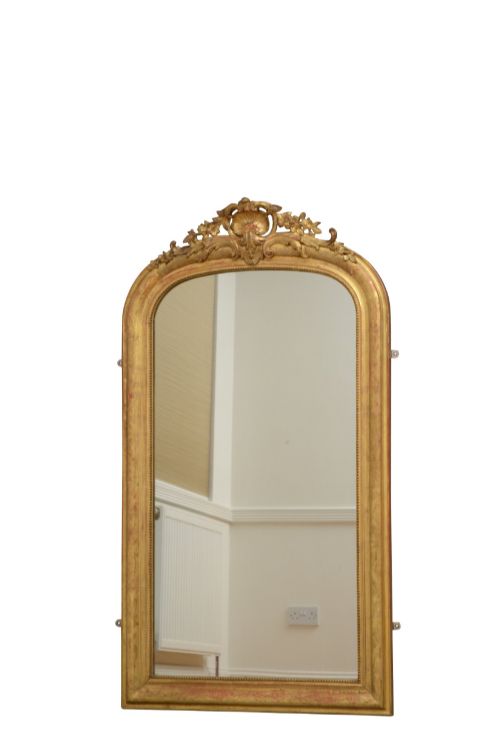
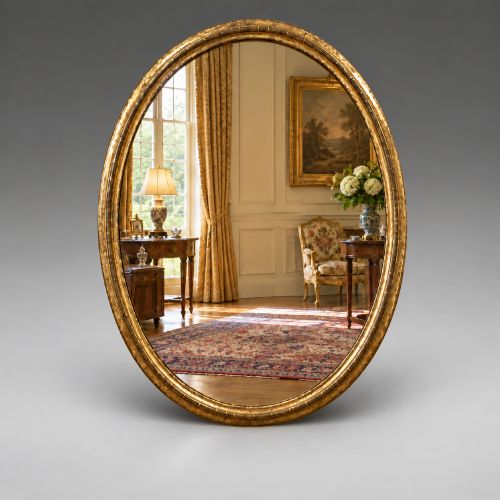
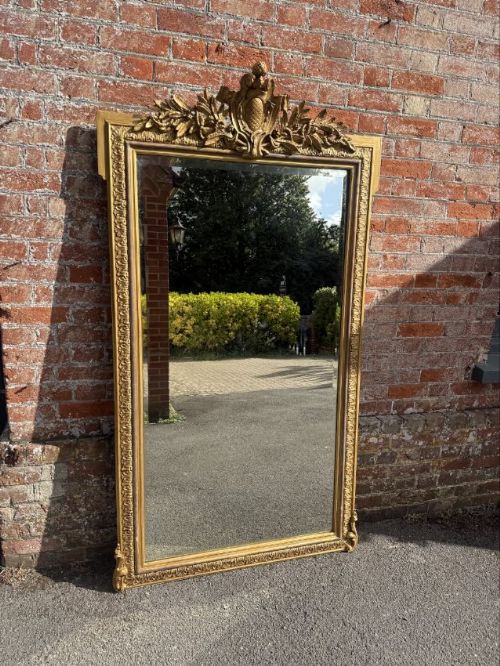
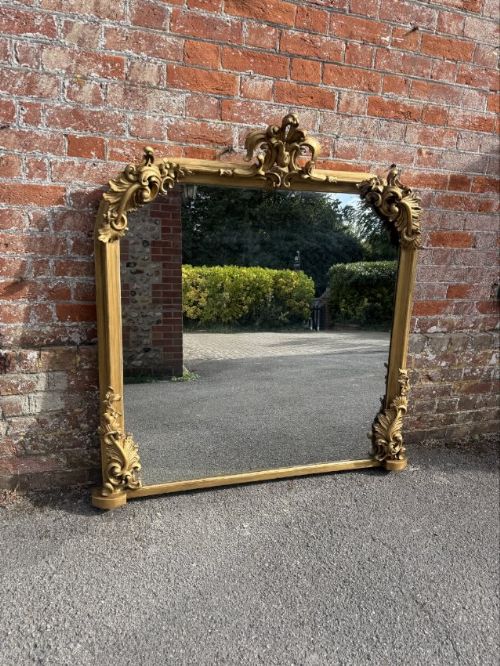
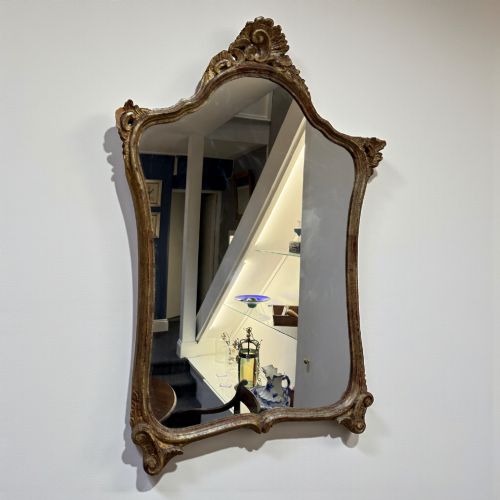
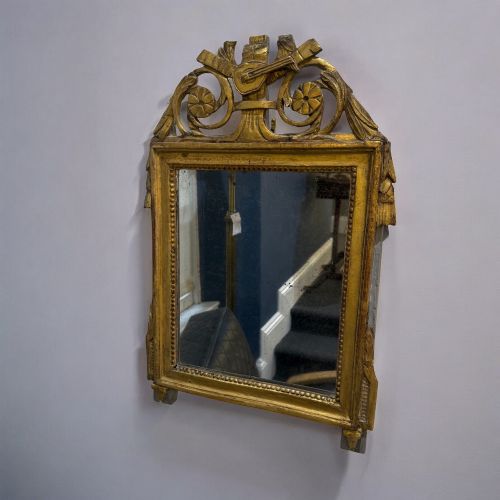
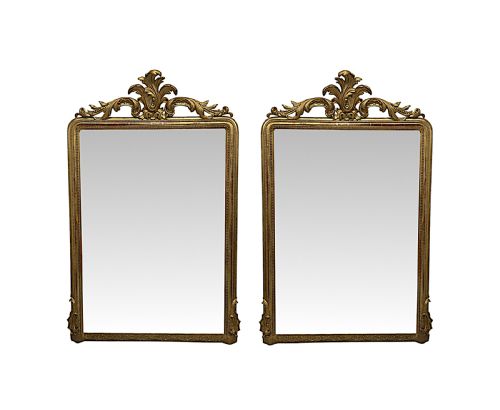
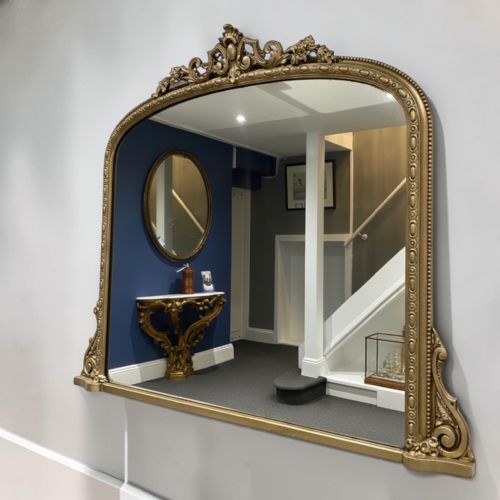
When you choose a 19th century french giltwood mirror, you bring home an ornate wall or overmantel piece defined by carved wood, gesso, and gilded surfaces.
19th Century French Giltwood Mirror
A 19th century french giltwood mirror is typically found in large formats such as overmantels, pier glasses, and tall wall pieces designed to dominate a room's proportions. These items reflect the decorative tastes of periods spanning from the early 1800s through the late Victorian era and the French 19th century.
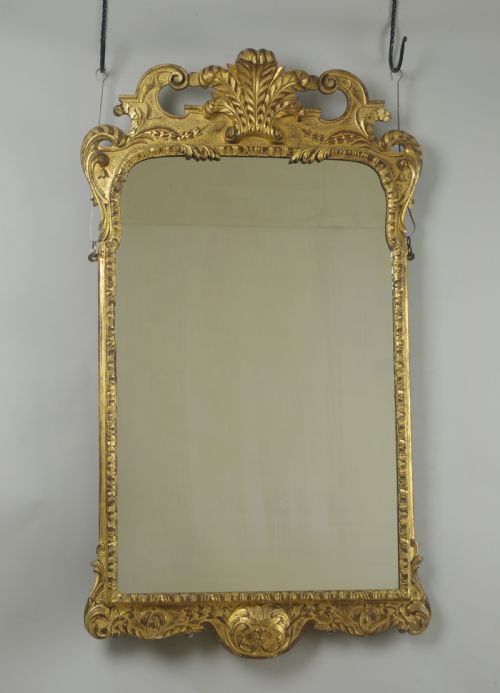
Buyers encounter distinct regional styles within this category, including Rococo Revival, Louis Philippe, and Louis XV or Louis XVI revivals. Such frames frequently feature architectural arched tops, shaped crestings, and elaborate floral or mythological carvings suited for formal interiors.
The objects serve functional and decorative roles, acting as dressing mirrors, console table accompaniments, or grand mantel focal points. Their presence bridges domestic utility with ornamental artistry through substantial gilt frames.
How they were made
Maker workshops constructed the primary structure from carved wood, utilising timber frames to support heavy glass plates. Artisans then applied layers of gesso over the wood substrate to build up crisp relief details and ornamental motifs.
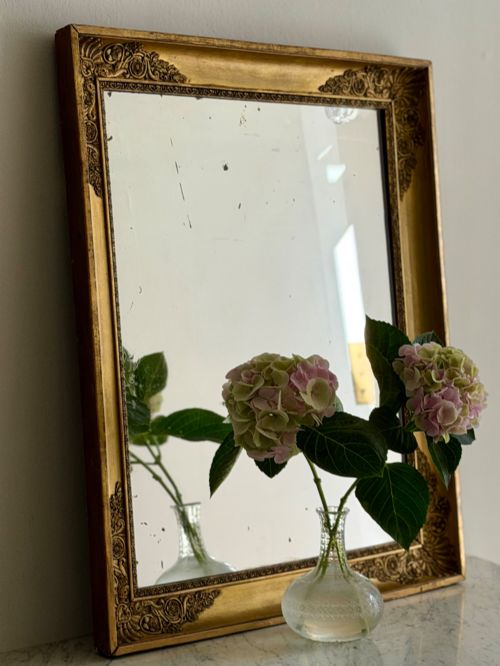
The decorative surfaces received gold leaf or gilt paint applications to achieve a brilliant metallic sheen. Many surviving examples retain original mirror glass, occasionally showing foxing or age spots from centuries of oxidation.
Some mirrors come with unexpected companion tables, proving that 19th-century French furniture designers understood the value of a matched outfit.
What varies in quality
The depth and crispness of the carved wood and gesso ornamentation separate standard decorative frames from exceptional artistic examples. Finer pieces display deeply undercut foliage, scrolls, and balanced proportions without heavy plaster buildup.
The integrity of the original gilding and the condition of the mirror plate heavily influence the overall character of the piece. Intact gold leaf finishes and authentic period glass hold more historical interest than later replacements.
The 19th Century French Giltwood Mirror Glossary
- Giltwood
- Wood covered with a thin layer of gold leaf or gold paint. This finish creates the characteristic bright metallic appearance seen on antique frames.
- Gesso
- A plaster mix applied over a wooden base to create a smooth surface for carving and gilding. It allows for intricate relief ornamentation.
- Overmantel mirror
- A large wall mirror designed specifically to hang above a fireplace mantel. These pieces often feature horizontal or arched formats.
- Pier glass
- A tall mirror designed to fit on the wall space between two windows. They frequently pair with matching console tables.
- Foxed glass
- Mirror plate displaying dark spots or patches caused by the degradation of the silver backing over time. This ageing process indicates original antique glass.
19th Century French Giltwood Mirror: Frequently Asked Questions
How do I hang a heavy overmantel mirror safely?
Due to the substantial weight of carved wood and gesso frames, secure wall anchoring into structural studs is essential. Professional installation ensures the mounting hardware supports the vertical load securely.
Placement should also account for the mirror's proportions relative to the mantelpiece or console table below it. Proper height positioning prevents strain on the hanging wire and frame joints.
What is a Louis Philippe mirror?
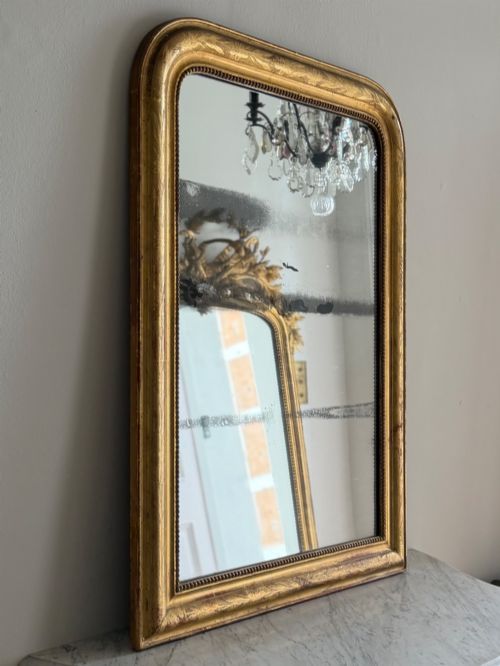
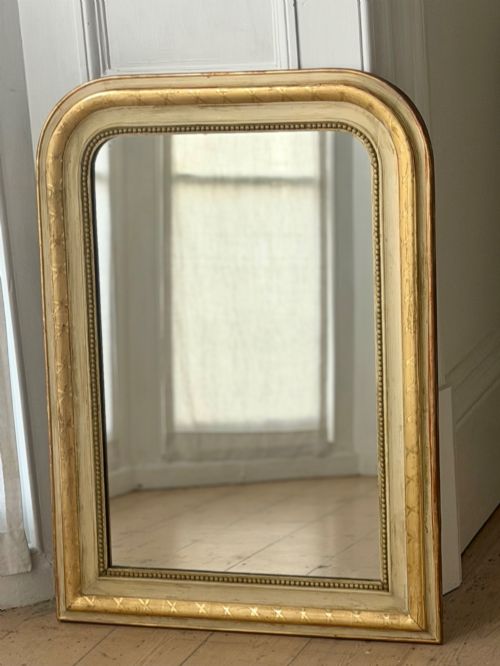
A Louis Philippe mirror is a 19th-century French style characterised by a simple rectangular shape with a rounded upper corners. The frames are typically cleaner and less frantic than Rococo Revival designs.
These pieces offer a restrained elegance that fits easily into both traditional and contemporary interior schemes. They often feature subtle beaded or moulded border details rather than heavy floral carvings.
How should I clean a giltwood frame?
Dusting the frame gently with a soft, dry brush prevents dirt accumulation without disturbing the delicate gold leaf surface. Moisture and chemical cleaners must be avoided to protect the underlying gesso.
Glass plates can be wiped with a standard glass cleaner applied to a cloth rather than sprayed directly onto the mirror. This prevents liquid from seeping behind the frame rabbet and damaging the silver backing.
What does foxed glass mean?
Foxed glass refers to mirror plates that have developed mottled spots or cloudiness as the reflective backing oxidises with age. This chemical change occurs naturally over long periods.
Many collectors prize foxed glass because it proves the authenticity of the original antique mirror plate. It provides a softer, more atmospheric reflection than modern manufactured glass.