


19th Century French Dressing Box
A 19th century french dressing box brings fitted glass, silver, and rosewood onto a dressing table to hold small valuables and scents.
19th Century French Dressing Box
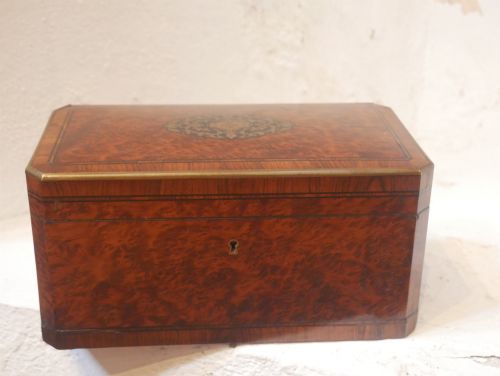
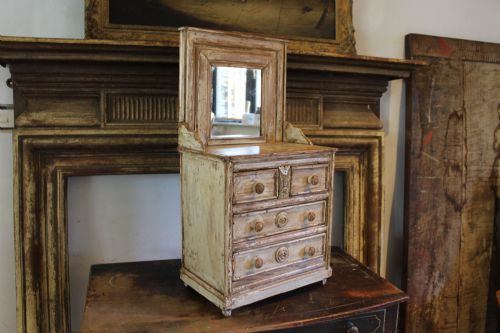
A 19th century french dressing box encompasses vanity items like dressing table jars, perfume caskets, trinket boxes, and miniature chests of drawers designed for personal grooming and storage. These pieces originate from periods spanning the 19th century, including the Regency, Victorian, and Napoleon III eras, reflecting the domestic habits of the period.
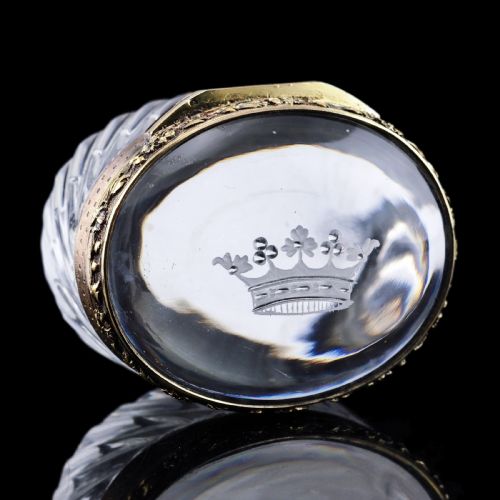
The objects take various forms, from brass-inlaid rosewood and amboyna boxes to silver-gilt mounted crystal and enamelled Bristol blue glass. Buyers frequently encounter fitted dressing cases, campaign pieces, and small table boxes intended for vanity tables and travel.
The selection ranges from simple glass jars with silver mounts to elaborate bronze and champleve enamel caskets created in Paris workshops. Each piece served a specific function in the daily toilette, whether holding pills, perfumes, or trinkets.
What Varies in Quality
The distinction between standard and superior pieces rests on the refinement of the metal mounts, the clarity of the crystal or glass, and the precision of the woodwork. Signed works by makers like Tahan or Emile Langlois demonstrate higher standards in assembly and material selection.
Internal fittings, such as the completeness of original glass bottles, intact velvet linings, and working locks with keys, elevate the standing of a box. The complexity of the decorative techniques, from multi-coloured enamel to hand-cut brass stringing, separates basic containers from luxury commissions.
A tiny pill box hidden inside a larger perfume set proves that 19th-century makers loved architectural nesting.
Tahan Paris·Tonnel Paris·Emile Langlois Paris
The 19th Century French Dressing Box Glossary
- Champleve enamel
- A technique where troughs are dug into a metal surface and filled with vitreous enamel before firing. This method creates richly coloured decorative patterns on bronze and brass boxes.
- Silver gilt
- Silver that has been coated with a thin layer of gold on its surface. It provides the appearance of solid gold while utilising a silver base.
- Clichy glass
- Glass produced in the French commune of Clichy, known for colourful layered designs and millefiori work. It frequently appears in 19th century dressing table jars and flasks.
- Perfume casket
- A decorative box specifically partitioned to hold scent bottles securely. These containers often featured velvet interiors and secure brass locks.
19th Century French Dressing Box: Frequently Asked Questions
What is inside a dressing box?
These boxes typically contain fitted compartments designed to hold glass dressing table jars, perfume flasks, and small pill containers.
Many examples also include velvet-lined trays and hidden drawers for jewellery and personal documents.
How do I date a French dressing box?
Dating relies on stylistic markers such as Napoleon III or Regency design motifs, alongside material choices like champleve enamel and brass inlay.
Maker signatures or retailer marks stamped on the mounts or linings provide further chronological context.
Were these boxes meant for travel?
Certain forms, such as campaign dressing chests and fitted cases, were constructed for mobility during journeys.
Table boxes and perfume caskets remained stationary on dressing tables and boudoir surfaces.
How do I care for velvet interiors?
Velvet linings require gentle dry dusting with a soft brush to prevent dust accumulation within the compartments.
Avoiding direct sunlight and moisture preserves the fabric colour and the underlying wood structure.