
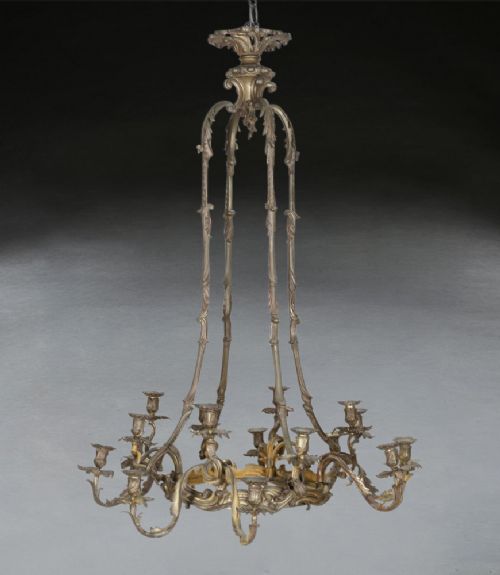


19th Century French Chandelier
Choosing a 19th century french chandelier brings grand illumination, ornate bronze frameworks and cascading crystal drops to a high-ceilinged room.
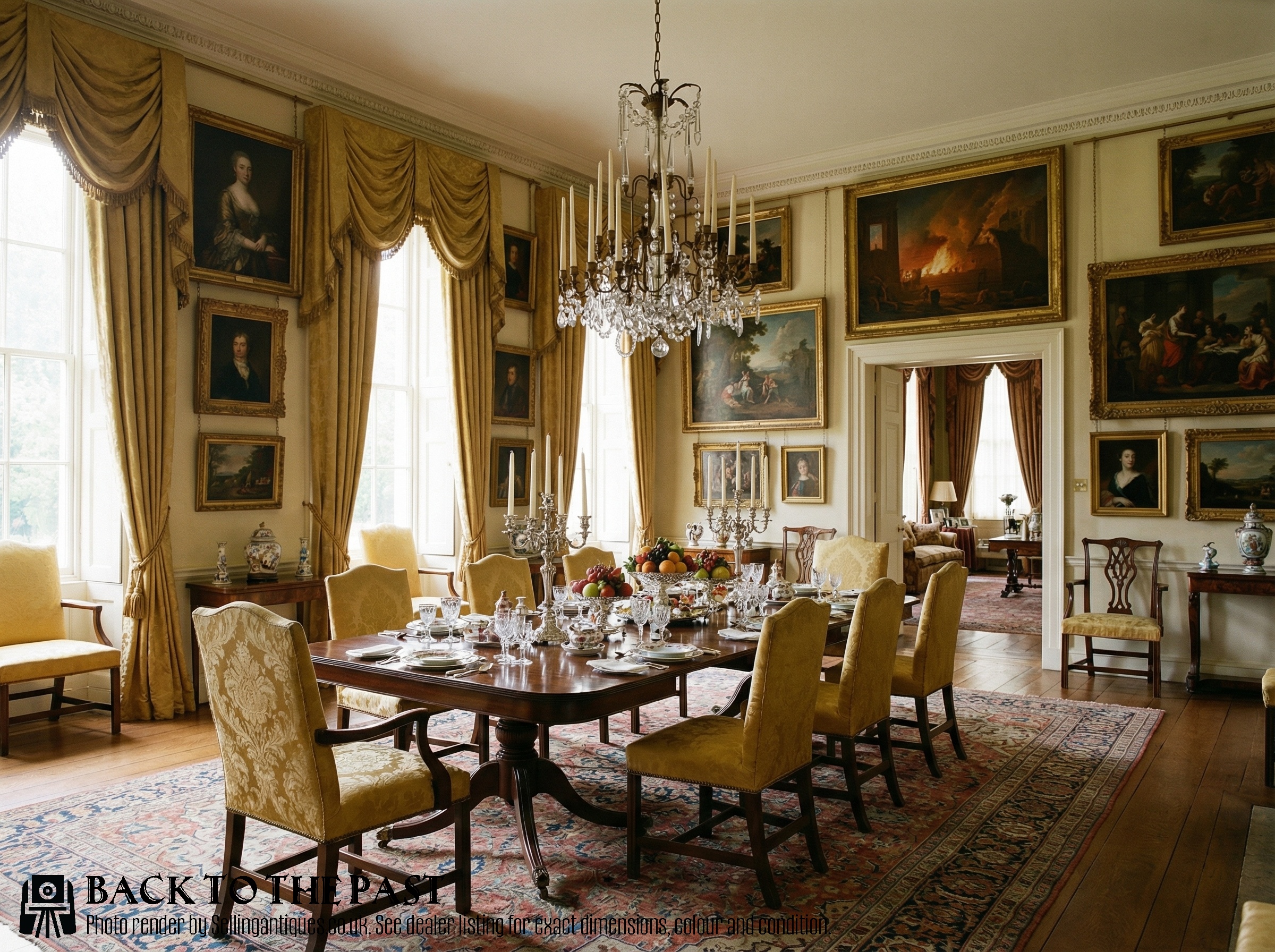
19th Century French Chandelier
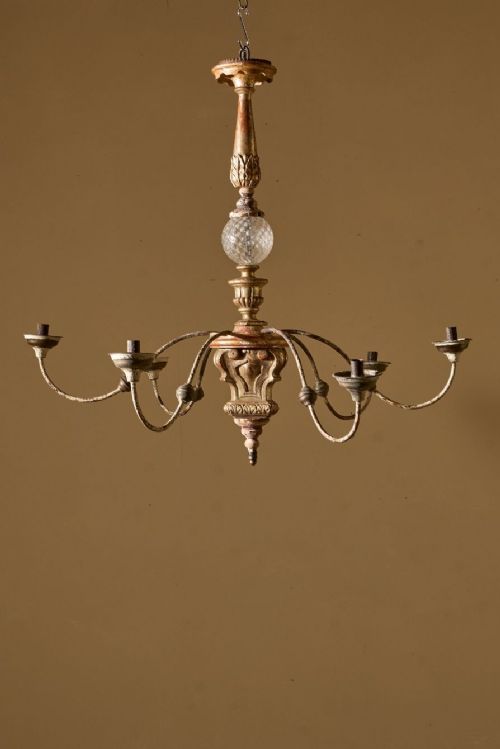
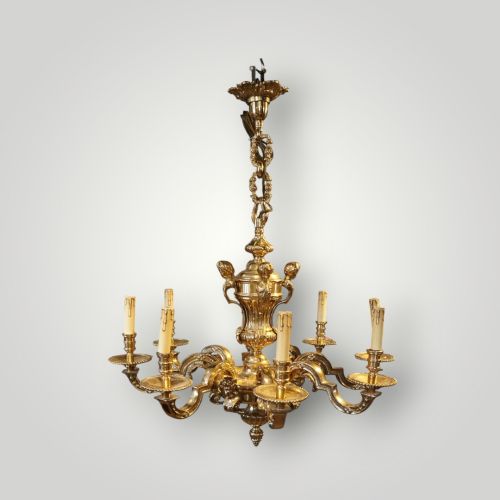
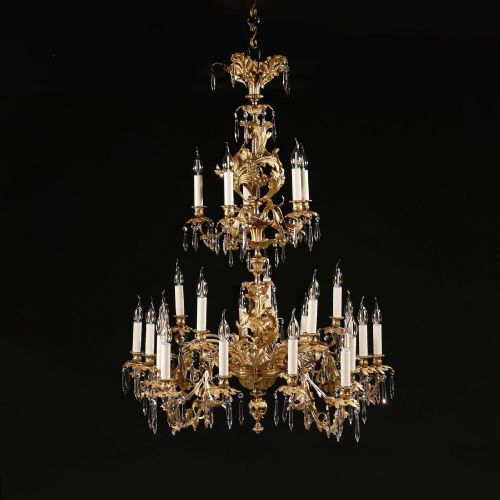
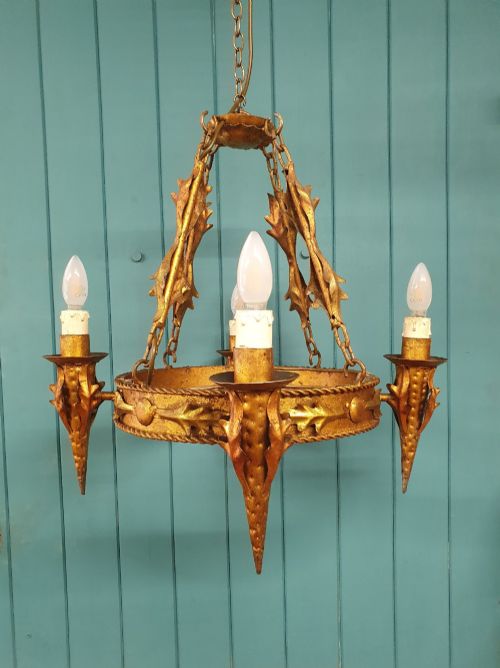
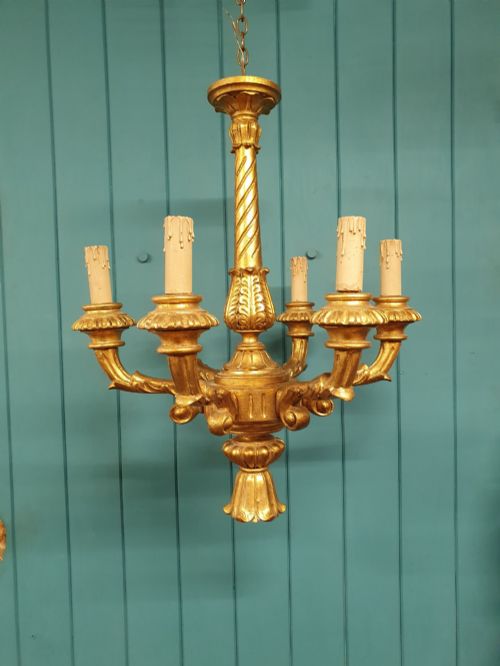
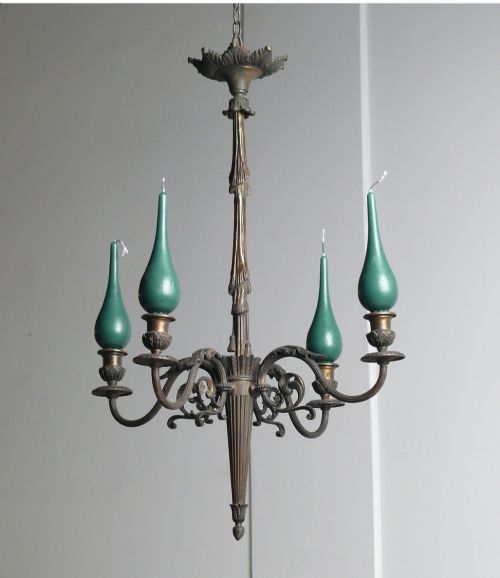
A 19th century french chandelier encompasses a grand variety of ceiling illumination, ranging from multi-branch candelabra fittings to elaborate cage and tent designs hung with crystal drops. Buyers searching for a 19th century french chandelier encounter forms such as open-cage frames, coronets, hall lanterns and monumental ballroom fixtures holding numerous lights.
Makers of the period drew upon diverse stylistic vocabularies, producing pieces aligned with French Empire, Rococo, Baroque Revival and Louis XVI aesthetics. These overhead fixtures served both practical lighting needs and dramatic decorative functions in formal interiors across the nineteenth century.
Materials and Construction
Foundational structures rely heavily upon cast bronze, gilt bronze, ormolu, brass and giltwood, providing a robust metal armature to support multiple candle arms or electrified branches. Artisans employed detailed casting and chasing techniques to articulate floral motifs, cherubs and classical scrollwork along the metal bodies.
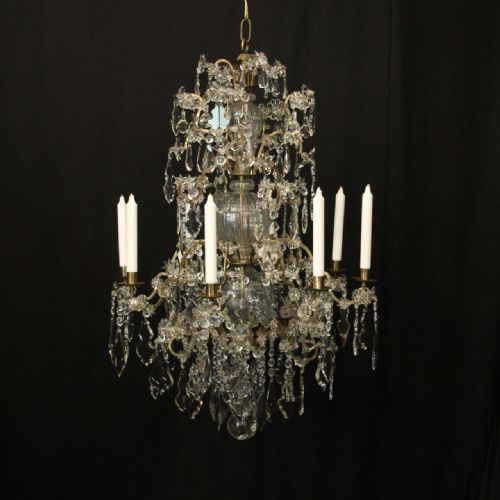
Translucent elements consist of cut glass, moulded crystal, and specialised configurations such as waterfall and bag drops that catch and refract illumination. Metal components often received a gilded or silver-plated finish to enhance the reflective properties of the fixture when lit.
Listings feature periods spanning the Regency era through the nineteen-thirties, utilising glass, gilt bronze, brass and crystal.
The Markers of Fine Execution
Superior examples display crisp, deeply chased metalwork where decorative details remain sharp and well-defined rather than soft or blurry. The density and clarity of the crystal drops, along with the complexity of the cage or tent assembly, distinguish standard production from exceptional artistry.
Proportion and structural integrity dictate the overall presence of the piece, with finer chandeliers exhibiting balanced arm placement and substantial, high-grade bronze or brass castings rather than thin or hastily assembled components.
Baccarat
The 19th Century French Chandelier Glossary
- Ormolu
- Gilded bronze produced by applying a mercury-gilding amalgam to a bronze base. This technique creates a durable, bright golden surface finish frequently seen on high-end nineteenth-century French metalwork.
- Tent and waterfall
- A specific crystal arrangement where strings of beads form an upper tent shape above a wider cascading waterfall of drops. It directs the eye outward and multiplies the refractive points of light.
- Hall lantern
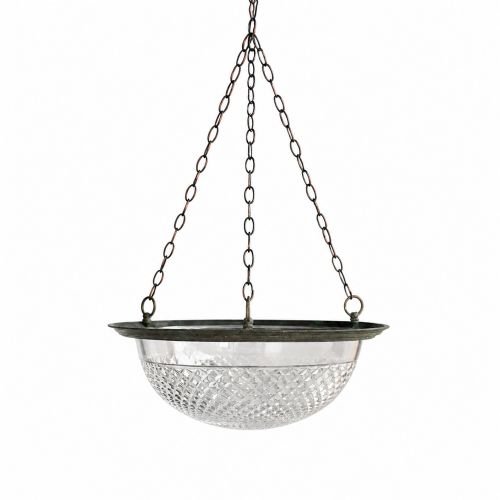
- An enclosed ceiling-hung light fixture designed primarily for corridors or entranceways. These are often hexagonal or cylindrical with glazed glass panels set within a brass or bronze frame.
- Gasolier
- A hybrid lighting fixture originally designed to burn gas before later conversion to electricity. They often feature hollow arms engineered to route fuel to the burners.
- Pricket
- A sharp metal spike upon which a large candle is impaled rather than dropped into a socket. This medieval form occasionally appears in nineteenth-century revival candle chandeliers.
19th Century French Chandelier: Frequently Asked Questions
How do I clean a crystal chandelier?
Maintenance requires gentle hand-washing of individual glass and crystal drops using warm water and mild soap while the elements remain attached or carefully removed. Avoid harsh chemical cleaners that can strip the gilt finish from the surrounding bronze framework.
Allow all components to dry completely before restoring illumination to prevent electrical hazards or spotting on the metal.
Were these chandeliers originally wired for electricity?
Most nineteenth-century pieces were originally designed for wax candles or oil, and later adapted for gas or modern electric bulbs as technology advanced. Conversions are common and allow these historical fixtures to function safely in modern domestic spaces.
Inspect the internal wiring of any prospective purchase to ensure it meets contemporary safety standards before installation.
How do I determine the period of a chandelier?
Dating relies upon stylistic cues, material composition, and manufacturing methods visible in the metal castings and glass cuts. Pieces often reflect revivals of earlier design movements like Louis XV or the French Empire alongside the prevailing tastes of the eighteen-eighties or nineties.
Comparing the assembly techniques against documented pieces helps narrow down the decade of production.