

19th Century Framed Artwork
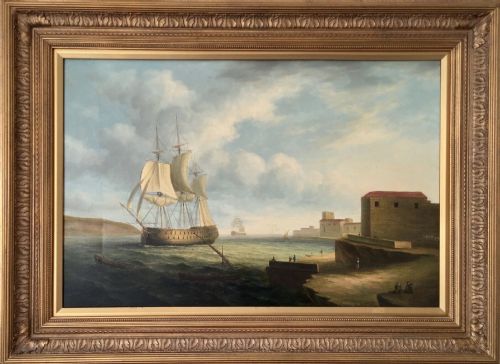
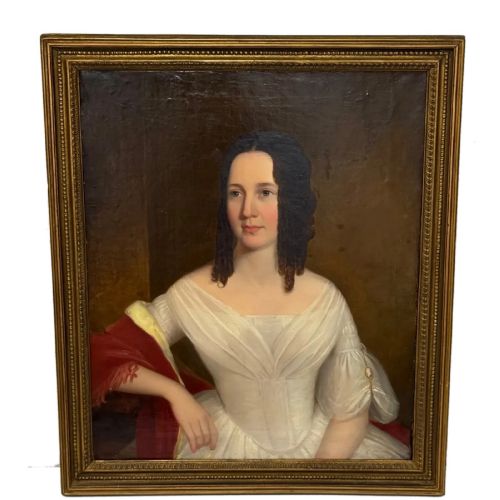
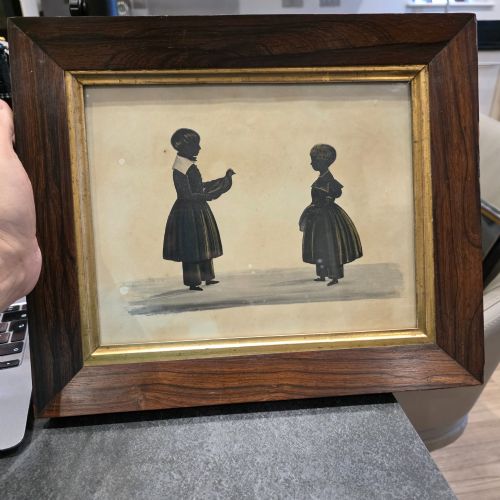
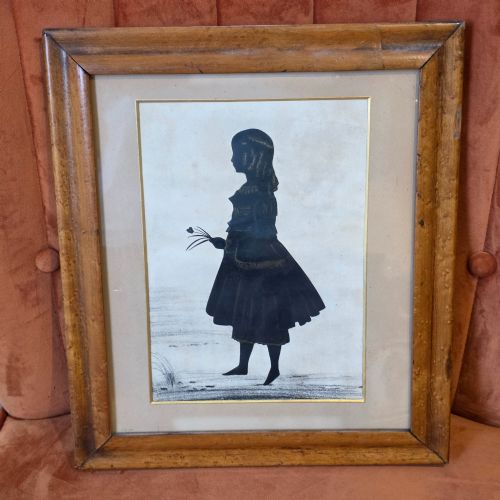
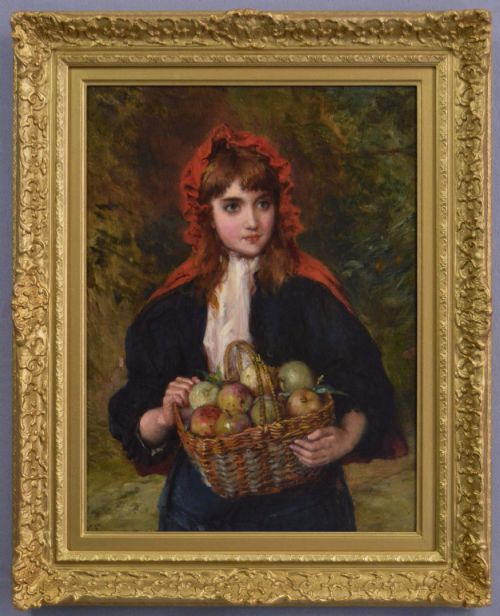
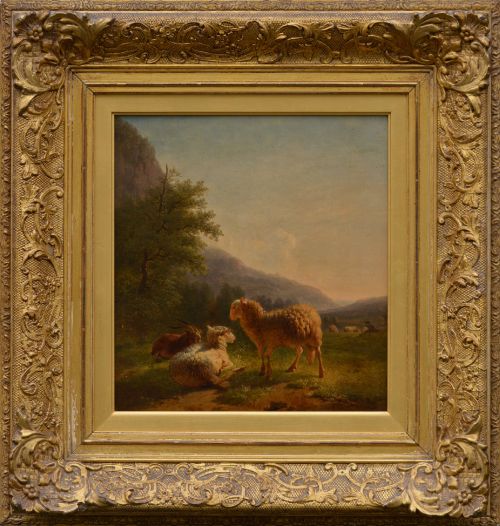
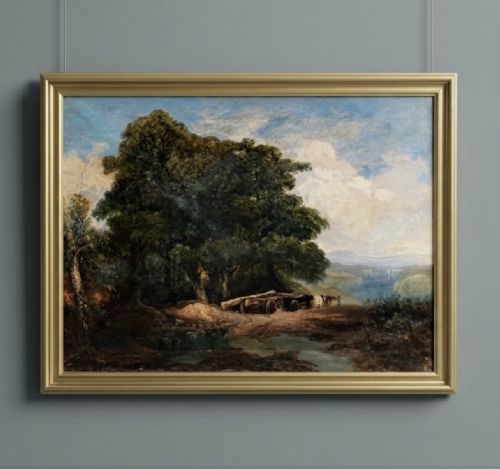
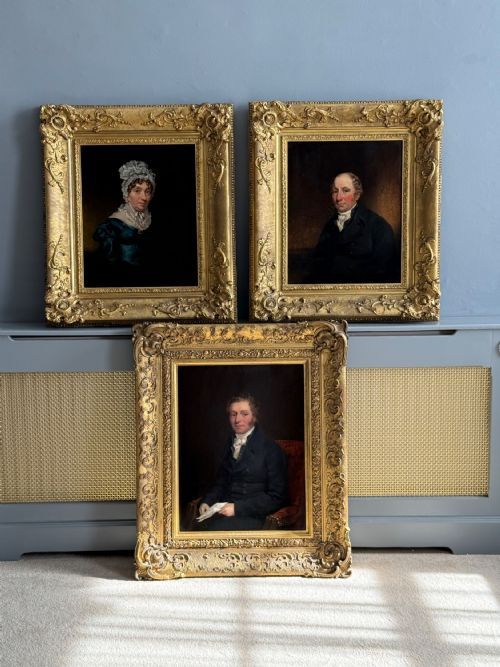
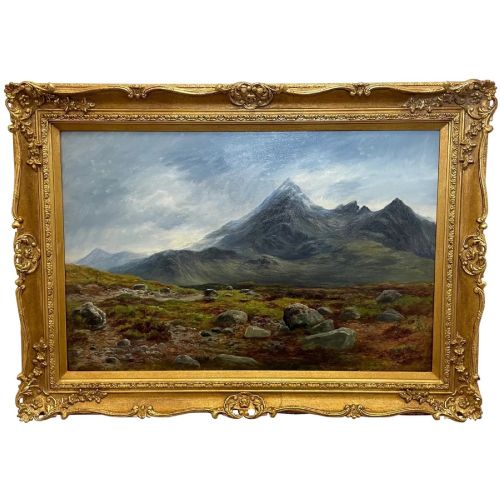
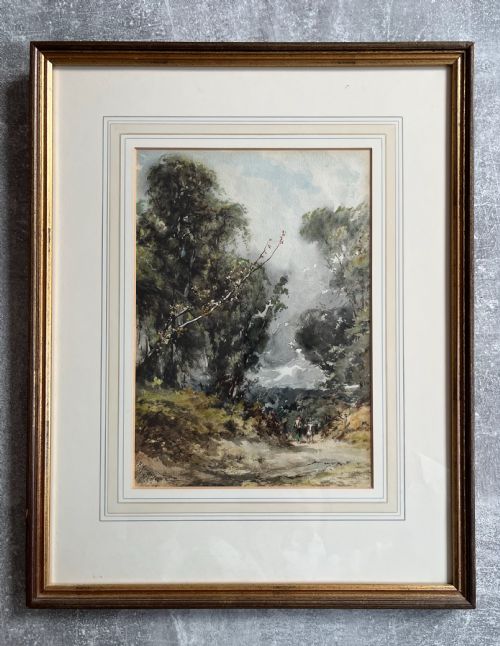
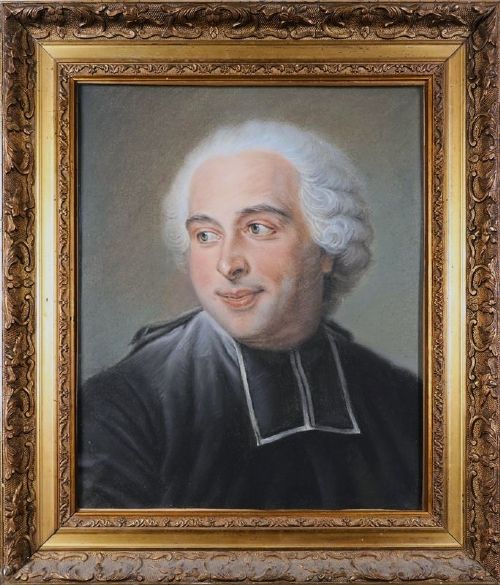
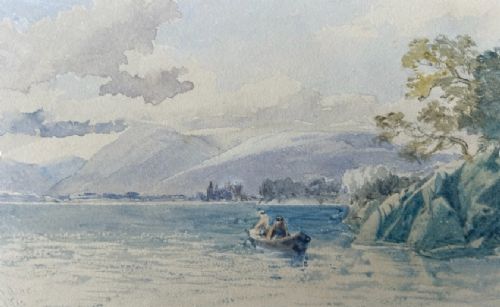
Nineteenth century framed artwork brings together oil paintings, watercolours and silhouettes enclosed in timber or giltwood.
19th Century Framed Artwork
When you search for 19th century framed artwork, you encounter wall art spanning oil paintings, watercolours, and cut-paper silhouettes. These pieces originate from periods including the Regency, Victorian and Edwardian eras, as well as the broader 19th century.
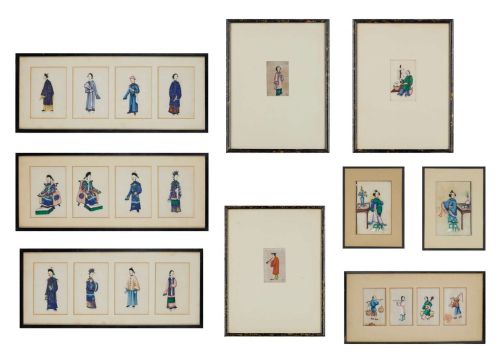
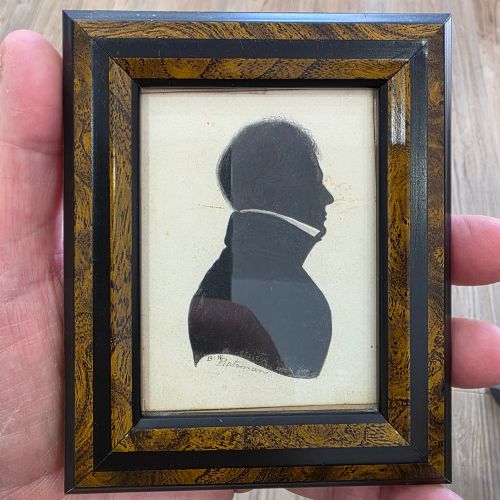
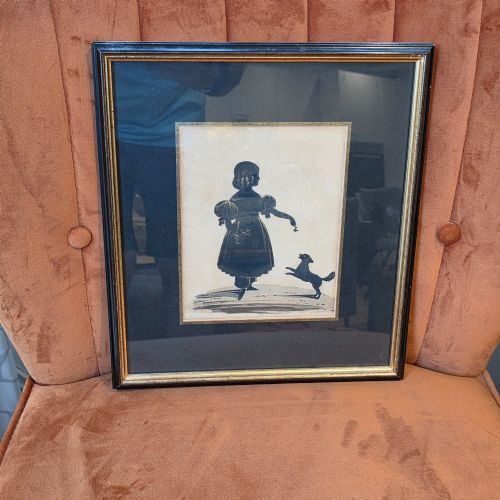
The selections on this page lean heavily towards British and Scottish landscape watercolours, intimate portrait oils on canvas or wood panels, and finely detailed silhouette profiles. Works range from romantic landscapes to social history scenes and figural pith paintings.
Makers and artists represented span named painters and institutions such as the Royal Academy, alongside traditional provincial schools. Buyers select these framed works to anchor historic interiors with original period portraiture and topographical views.
How They Were Made
Makers employed oil paint on canvas, wood panels and boards, alongside watercolour and ink applied to paper surfaces. Pith paintings utilised delicate plant material native to China, mounted carefully within protective frames.
Support structures combined traditional timber joinery with glass to shield fragile paper, silhouettes and watercolours. Frames frequently incorporated carved giltwood or polished wood to complement the imagery contained within.
Listings incorporate works from the Regency, Victorian and Edwardian periods, utilising oil paint, watercolour, paper and giltwood.
What Varies in Quality
Differentiation across the range depends upon the execution of the hand and the precision of the portraiture or landscape perspective. Masterly brushwork in oil or deft handling of watercolour pigment distinguishes accomplished professional output from simpler studio pieces.
The integrity of the original framing, whether giltwood or timber, influences the overall character of the work. Preservation of the paper, canvas or panel without intrusive intervention maintains the historical authenticity of each piece.
William James Hubard·Joseph Clover·Thomas Miles Richardson Jnr·William Henry Earp·Felix Stone Moscheles
The 19th Century Framed Artwork Glossary
- Giltwood
- Wood that has been coated with a thin layer of gold leaf or gilt paint. This finish frequently characterises the ornate frames surrounding 19th century paintings.
- Watercolour
- A painting method where fine pigment is suspended in a water-based solution on paper. British artists utilised this medium extensively for landscapes and marine views.
- Silhouette
- A solid dark profile portrait, typically cut from paper or painted en grisaille. Examples from this era occasionally incorporate delicate watercolour additions and gold highlights.
- Pith painting
- Artwork created on porous plant pith material. Chinese export pieces from the 19th century frequently employed this fragile medium for figural studies.
- Oil on canvas
- Pigment bound in drying oil applied to a woven fabric support. This combination allowed artists to build rich textures and deep tones across landscape and portrait subjects.
19th Century Framed Artwork: Frequently Asked Questions
How do I care for framed paper watercolours?
Paper and watercolours require protection from direct sunlight to prevent fading of the pigments. Maintaining stable indoor humidity levels safeguards the paper and the surrounding mount.
Displaying works away from moisture sources ensures the longevity of both the artwork and its historic frame. Original glass should be cleaned gently without moisture seeping behind the rebate.
How are oil paintings on panel distinguished from canvas?
Wood panels offer a rigid support that prevents the flexing associated with woven canvas. Artists utilised panels for smaller, highly detailed works that required a smooth painting surface.
Canvas supports show a characteristic textile texture beneath the paint layer. Both methods were common throughout the Regency and Victorian periods.
What defines a silhouette portrait?
Silhouettes present a profile likeness filled in with a solid dark tone, cut from paper or painted directly. Mid-century examples often display meticulous detail in costume and hair.
Many silhouette portraits include watercolour highlights and ink additions. These works were housed in miniature timber or gilt frames for domestic display.