
19th Century Figurative Painting
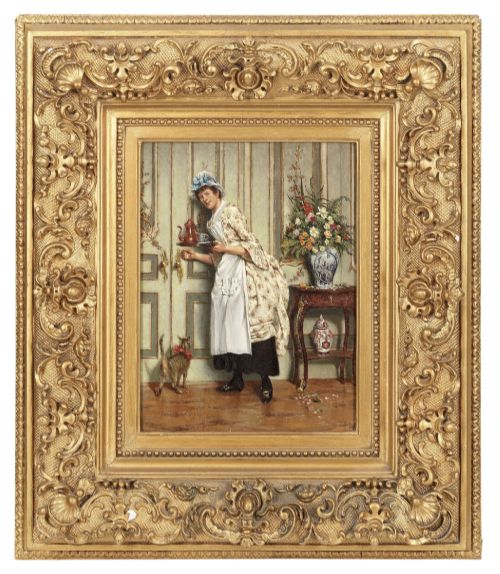
A 19th century figurative painting brings human narrative and domestic drama directly into a room through oil on canvas or watercolour.
19th Century Figurative Painting
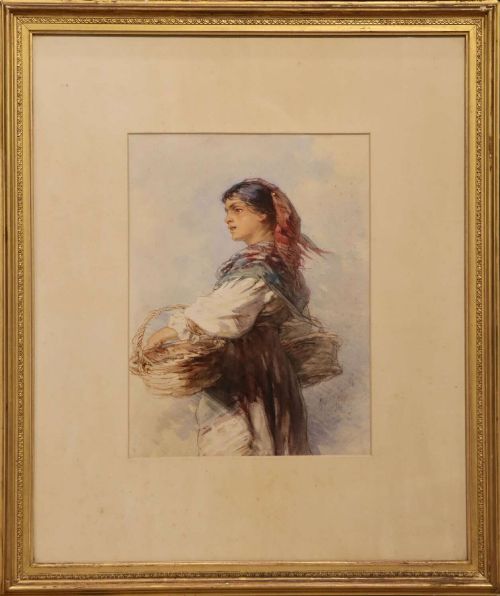
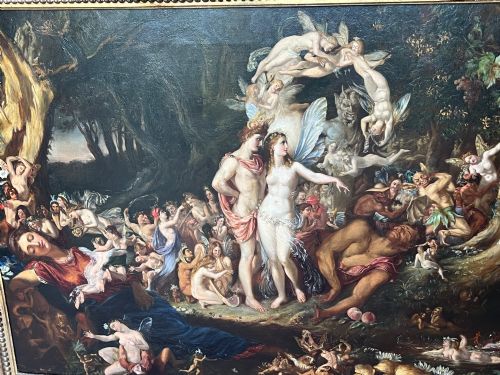
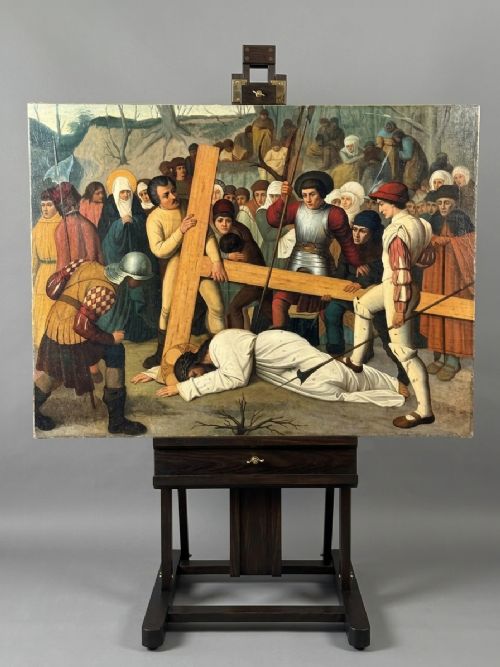
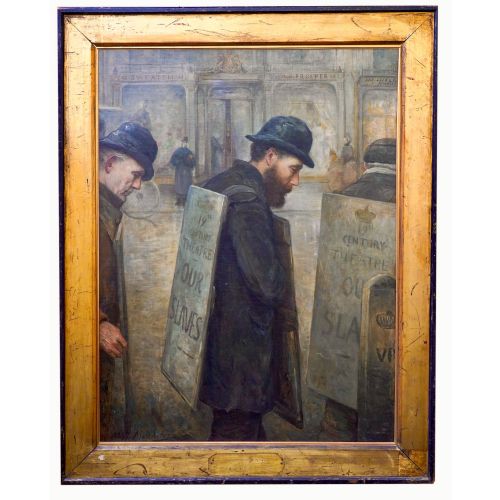
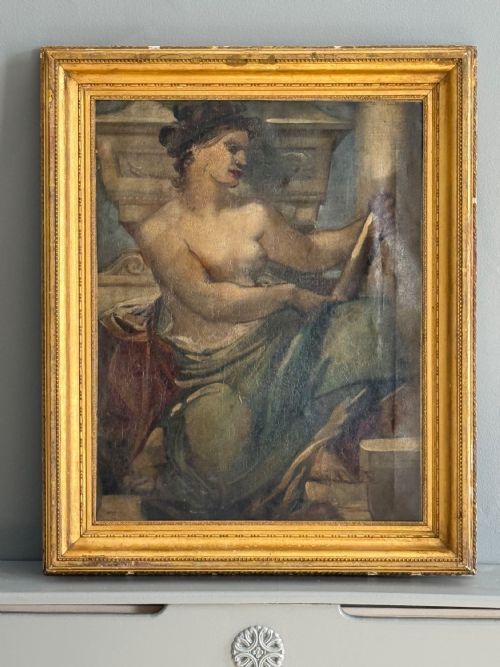
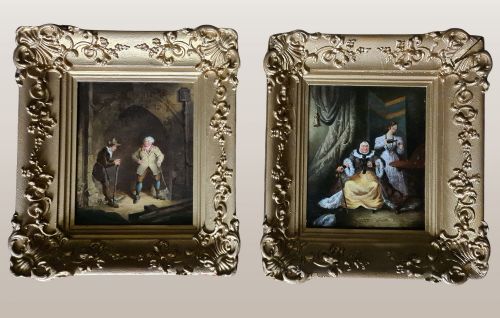
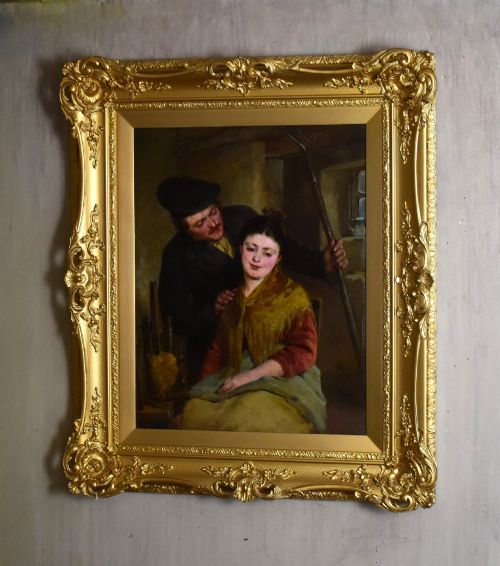
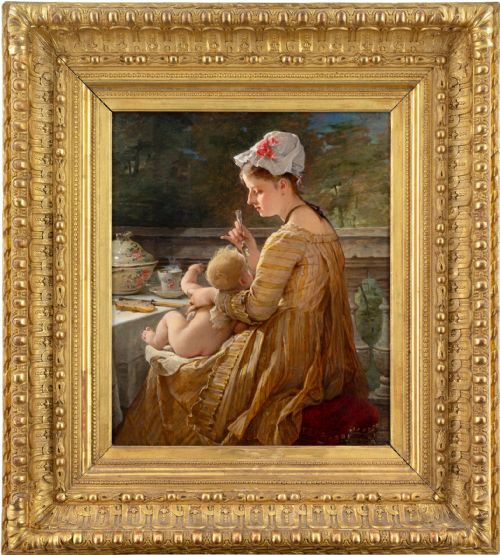
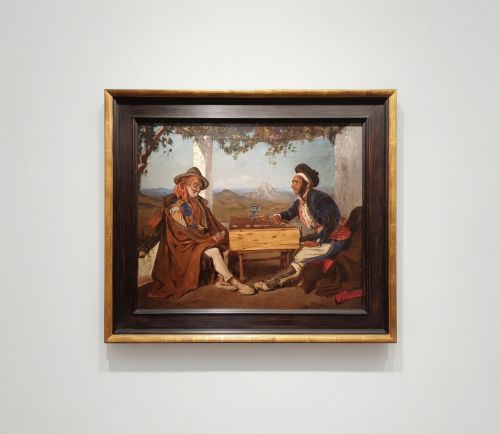
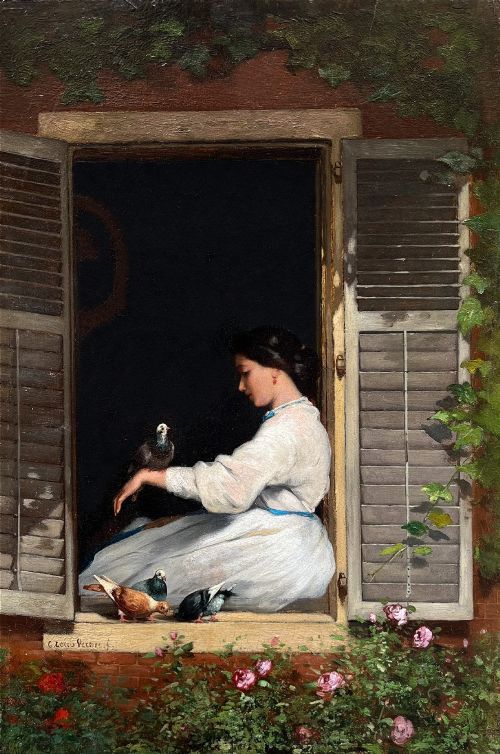
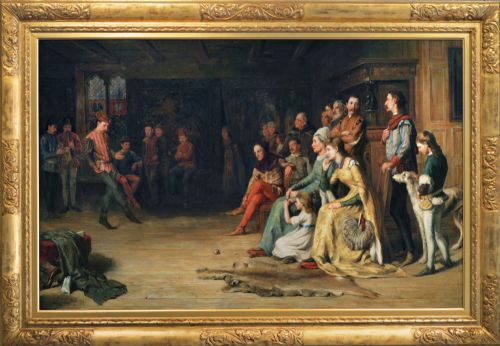
A 19th century figurative painting depicts human subjects ranging from social history scenes and cottage interiors to portraits and romantic encounters. Buyers hunting for a 19th century figurative painting encounter works executed in oil on canvas, wood panels, zinc panels, and watercolour.
The selections span Victorian genre painting, Academic realism, and Impressionist interpretations. Subjects frequently include peasants, card players, children, and historical figures captured by British, French, Italian, Belgian, and Dutch artists.
Most examples date between 1860 and 1900, reflecting the period's intense focus on narrative storytelling and character study. Domestic interiors and pastoral settings dominate the available compositions.
Materials and methods of construction
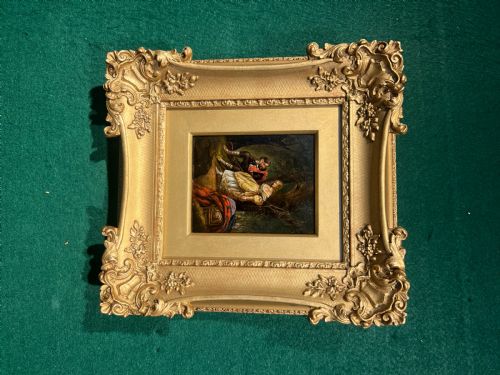
Artists painted primarily with oil paint applied to stretched canvas, wooden panels, or occasionally zinc panels, often framed in giltwood and gesso. Watercolours on paper also appear, frequently protected behind glass.
Preparation involved priming the canvas or panel before building up layers of pigment to achieve depth in drapery, flesh tones, and interior shadows. Gilding on the accompanying frames utilised traditional techniques involving gesso and gold leaf.
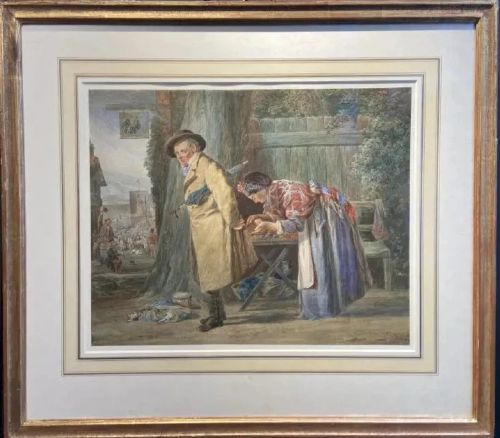
One canvas captures the remarkably specific domestic emergency of a chimney sweeper pausing mid-task.
Indicators of distinction in execution
Quality rests upon the artist's handling of human anatomy, facial expression, and light distribution across the interior or landscape. Superior works demonstrate confident brushwork that defines texture in fabrics and glassware without stiffness.
The sophistication of the composition and the psychological depth of the human subjects separate standard decorative pieces from accomplished masterworks. Original framing in period giltwood further elevates the integrity of the piece.
Guido Bach·Sir Joseph Noel Paton·Felix Stone Moscheles·Stephen Samuel Lewin·Howard Helmick·Adelaïde Salles-Wagner·Joseph H Barnes·Louis Charles Verwee·James Hamilton·Umberto Volpato·Renato Moretti·Jacob Akkersdijk·Thomas Kent Pelham·John A Monteith·James Hayllar·Harry Brooker·Johann Hamza·A McDonald·Alexander Rosell·Charles Zacharie Landelle·Philip Richard Morris·William Arthur Breakspeare·Frans Gailliard·Charles Haigh Wood·Gabriel Puig Roda
The 19th Century Figurative Painting Glossary
- Genre painting
- Depiction of aspects of everyday life by depicting ordinary people engaged in common activities. These works form the core of narrative art from the Victorian period.
- Academic realism
- Style of painting produced under the influence of European academies of art, emphasising precise drawing and smooth finishes. This approach ensures meticulous attention to historical and anatomical detail.
- Gesso
- Plaster-like material applied to wooden frames or panels as a base for paint or gold leaf. It provides a smooth surface essential for traditional gilding.
- Zinc panel
- Flat sheet of metal used occasionally as a rigid support for oil painting instead of canvas or wood. It offers a stable, smooth ground that prevents cracking in the pigment layer.
19th Century Figurative Painting: Frequently Asked Questions
What is a genre painting?
A genre painting shows scenes from everyday life involving ordinary people rather than grand historical or mythological subjects. Common themes include cottage interiors, market stalls, and family gatherings.
These artworks gained immense popularity during the Victorian era for their ability to tell relatable human stories. Collectors prize them for capturing authentic social history.
How do I care for an oil painting?
Keep oil paintings away from direct sunlight and dramatic fluctuations in temperature and humidity to prevent the canvas or panel from warping. Dust the surface gently with a soft, dry brush without applying pressure.
Avoid using water or chemical cleaners on the paint surface or the gilt frame. Professional conservation is recommended for any deep cleaning.
Are watercolours framed differently?
Works on paper such as watercolours require glass protection to shield them from atmospheric dust and moisture. They are typically mounted behind acid-free mats within wooden frames.
Oil paintings on canvas or panel do not require glass, allowing the textured pigment layers to remain exposed to the air.
How can I identify the period?
Dating relies on stylistic clues, artist signatures, framing materials, and inscriptions on the reverse of the canvas or panel. Costume details and interior furnishings depicted in the scene also offer reliable chronological markers.
Examine the construction of the stretcher frames and the type of canvas weave for additional physical evidence of age.