

19th Century Figurative Artwork
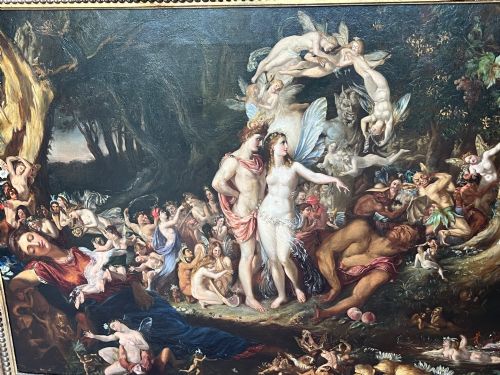
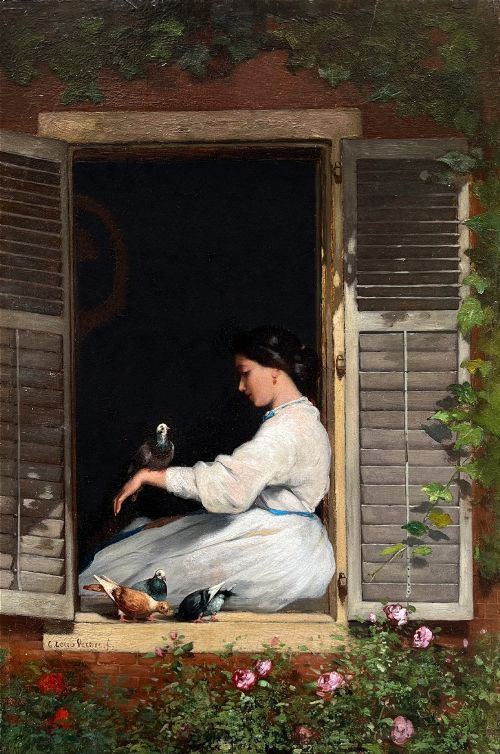
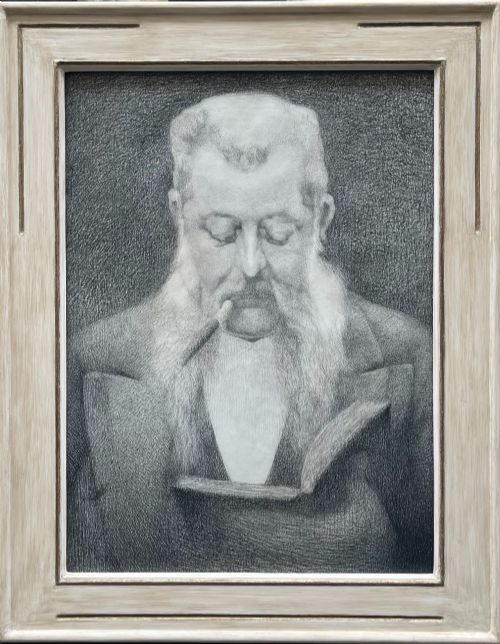
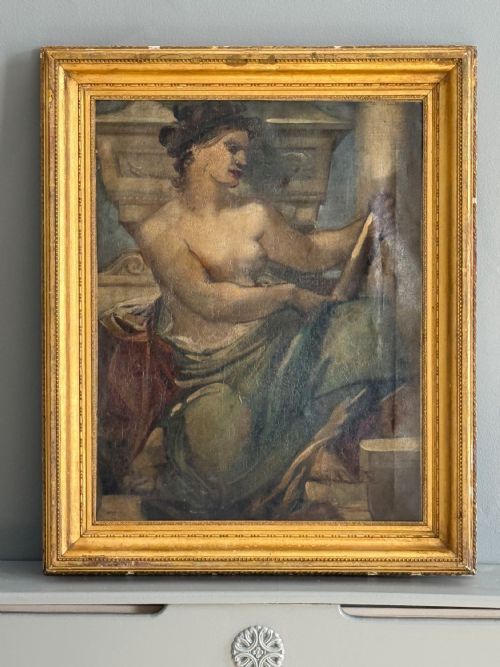
These 19th century figurative artwork pieces capture human character and narrative scenes on canvas, panel and paper, offering buyers a window into Victorian and European social history.
19th Century Figurative Artwork
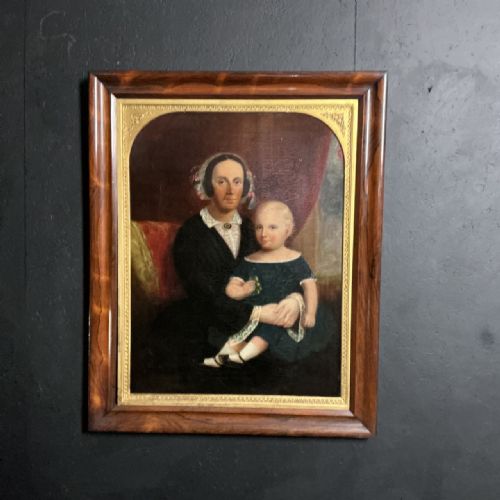
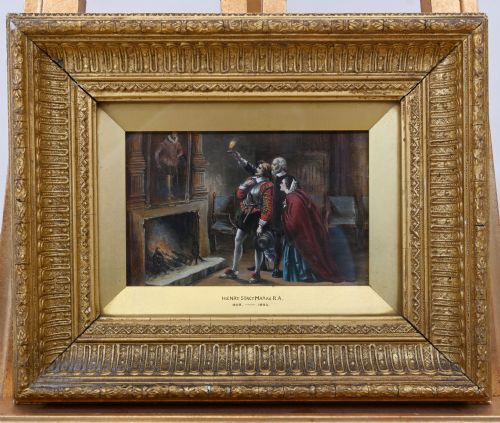
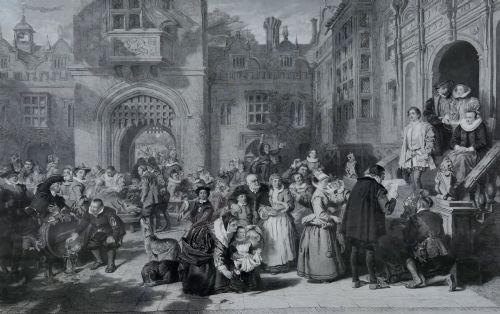
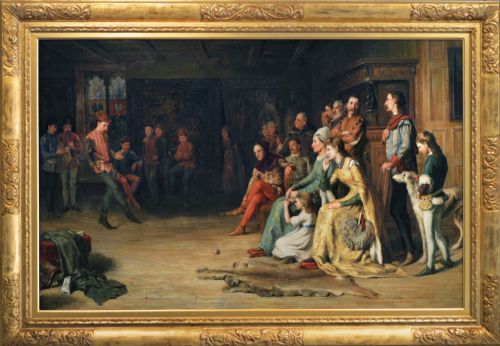
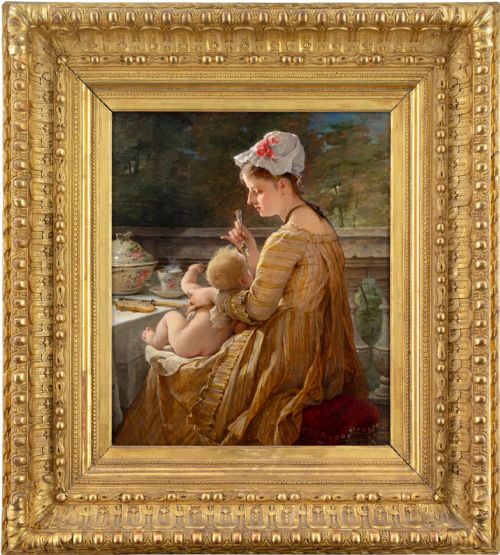
A buyer examining 19th century figurative artwork encounters painted and watercoloured studies of people, ranging from quiet domestic interiors to bustling historical scenes. These pieces capture individuals in specific moments, such as card players, market sellers, or children playing in cottages.
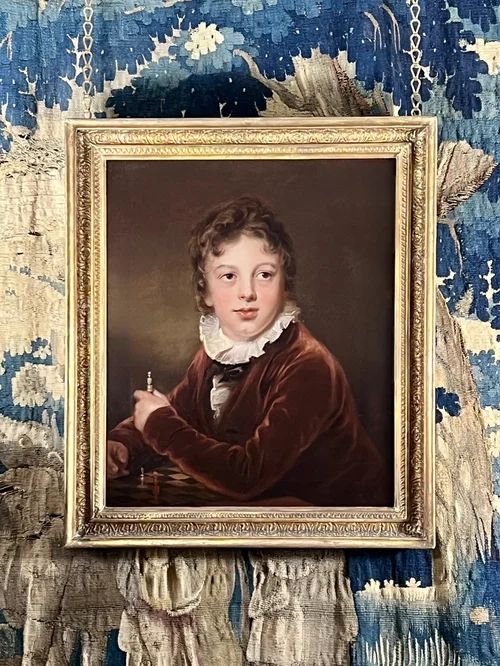
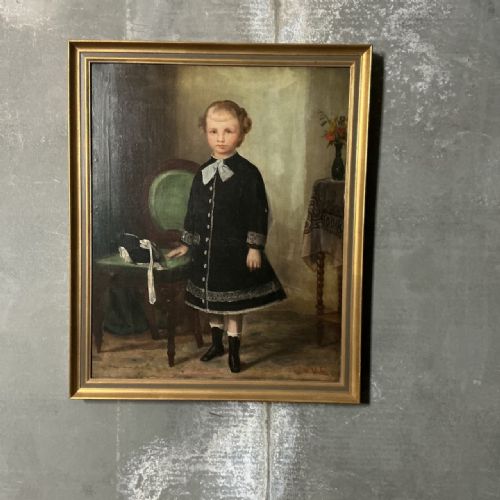
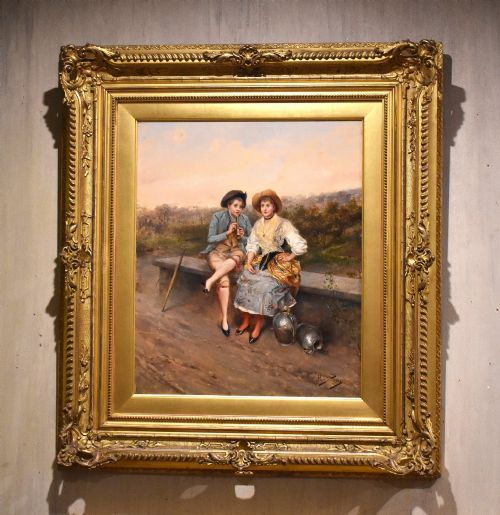
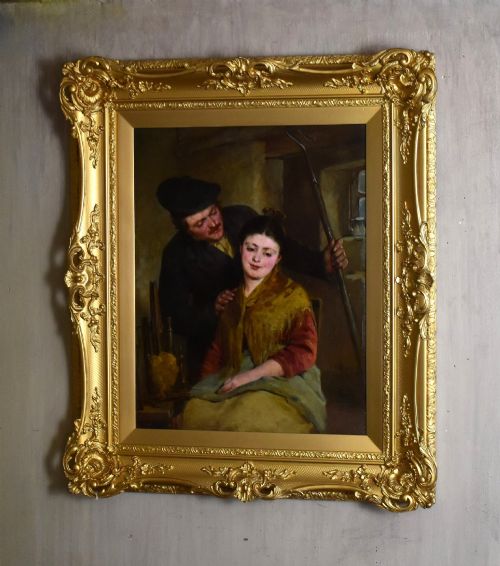
The predominant form on this page is the oil painting on canvas or panel, frequently framed in period giltwood and gesso mouldings. Works span Victorian genre painting, realist studies, and academic compositions originating from British, French, Italian, and Belgian schools.
Subjects often focus on narrative domestic life, social history, and romantic encounters set within country houses or pastoral landscapes. Portraiture and devotional religious compositions also appear alongside everyday peasant and working-class figures.
Materials and Techniques
Artists of this period applied oil paint primarily to woven canvas stretched over wooden frames, though prepared wood panels and zinc supports also serve as grounds. Pigments were worked with brushes to build up layered glazes and opaque highlights, capturing light on interiors and fabrics.
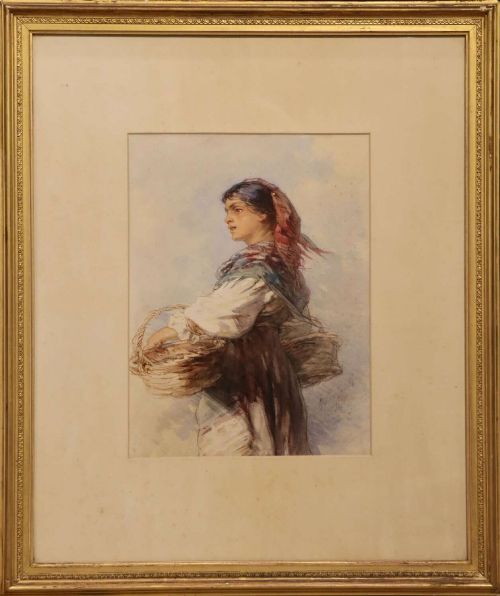
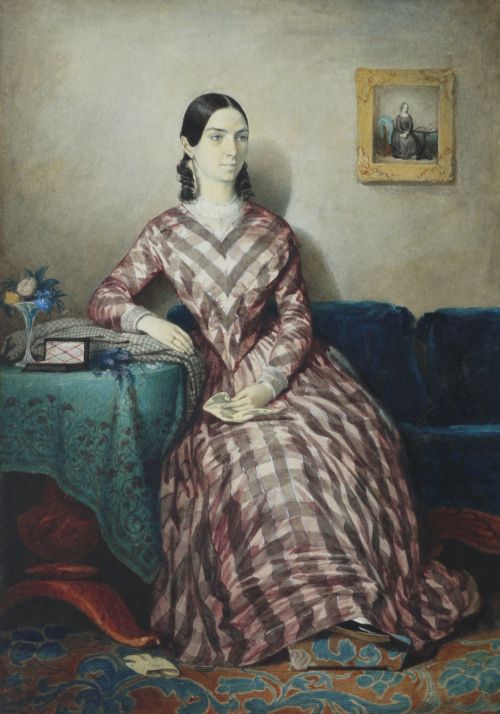
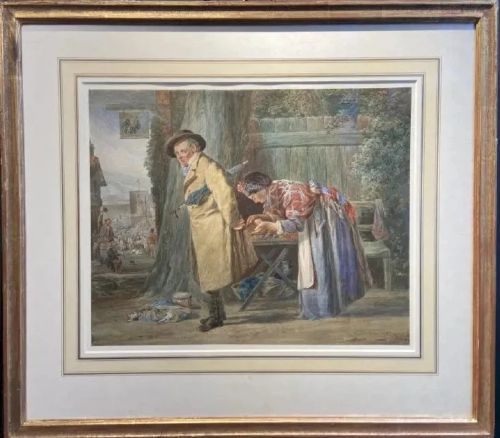
Watercolour pigments on paper appear in specific works, often mounted and framed behind glass to preserve delicate washes. Frames accompanying these pieces commonly utilise carved wood finished with gesso and gilt layers to complete the presentation.
19th Century Figurative Artwork Retail Price Guide 2026
Typical asking prices for 19th century figurative artwork among the pieces listed under this phrase on Sellingantiques today, from the lower quarter to the upper quarter. They describe what is for sale here now, not the wider market.
Listings feature oil paintings and watercolours across the 19th Century, including specific dates such as 1870, 1875, 1880, 1890, and 1900.
Differentiating Quality
Quality in these figurative works rests upon the precision of draughtsmanship, particularly in the rendering of hands, facial expressions, and anatomical structure. Superior pieces demonstrate a confident handling of light and shadow that defines space and draws the viewer into the narrative.
The integration of background detail and compositional balance separates accomplished academic or realist works from simpler studio output. Preservation of the original paint surface and the character of the period frame further influence the standing of an individual piece.
Guido Bach·Sir Joseph Noel Paton·Felix Stone Moscheles·Stephen Samuel Lewin·Howard Helmick·Adelaïde Salles-Wagner·James Hamilton·Umberto Volpato·Renato Moretti·Thomas Kent Pelham·James Hayllar·Harry Brooker·Johann Hamza·Alexander Rosell·Charles Zacharie Landelle·Philip Richard Morris·William Arthur Breakspeare·Frans Gailliard·Charles Haigh Wood·Haynes King·James Kyd·C.S. Lidderdale·Edward Stodart
The 19th Century Figurative Artwork Glossary
- Genre painting
- Depiction of aspects of everyday life by depicting ordinary people caught in common activities. These scenes form a substantial portion of the figurative works available.
- Giltwood
- Wood carved and treated with gold leaf or a gold-coloured metallic finish. It forms the primary material for traditional ornate picture frames.
- Gesso
- A paint mixture consisting of a binder mixed with chalk, gypsum, or pigment. It is applied to wood or canvas to prepare a smooth surface for painting or used to build up frame mouldings.
- Academic art
- A style of painting and sculpture produced under the influence of European academies of art. These works follow strict standards of composition and finish.
- Panel painting
- A painting made on a flat panel made of wood or metal. Zinc and prepared timber boards are common alternatives to canvas in this medium.
19th Century Figurative Artwork: Frequently Asked Questions
What is 19th century figurative artwork?
These pieces comprise paintings and watercolours depicting human subjects, ranging from solitary portraits to complex narrative scenes of daily life. Artists across Europe recorded historical moments, domestic interiors, and working people.
Most examples utilise oil paint on canvas or panel, framed in period wooden mouldings. They reflect the stylistic movements of the era, including realism, academic art, and Victorian genre painting.
How do I identify Victorian genre paintings?
Victorian genre paintings typically show everyday people engaged in narrative moments, such as children playing, tea time, or domestic labour. They focus on storytelling rather than formal portraiture.
Artists used realistic detail to evoke emotional responses or social commentary. Costumes, interior furnishings, and settings often provide clues to the specific decade of creation.
What is the difference between canvas and panel works?
Canvas works involve woven fabric stretched over a wooden frame, offering a flexible surface that responds to atmospheric changes. Panel paintings use rigid supports made from wood or metal, such as zinc.
Panel works often allow for finer, more detailed brushwork due to the stable, rigid ground. Both supports were standard practice among nineteenth-century artists.