






19th Century European Fine Art
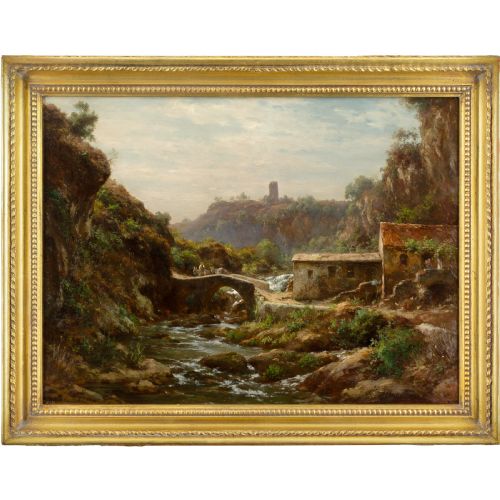
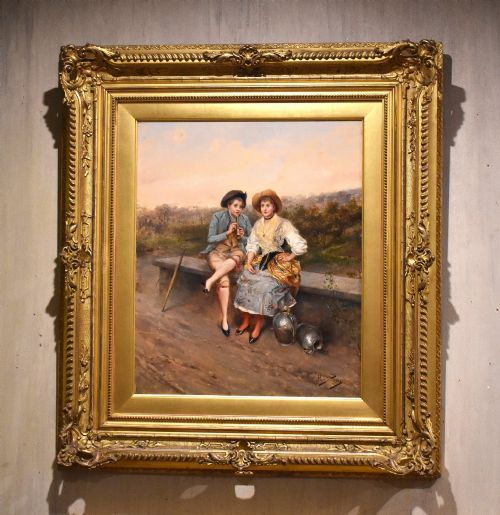
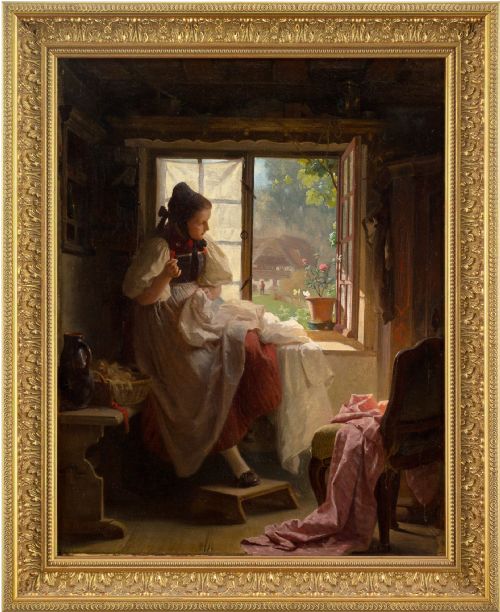
19th century european fine art brings domestic interiors and grand landscapes into focus through oil paintings set in giltwood frames.
19th Century European Fine Art
When you search for 19th century european fine art, you encounter oil paintings on canvas and board spanning portraits, genre scenes, and landscapes. These works originate from regional schools across Europe, including Swiss, Austrian, and Belgian traditions.
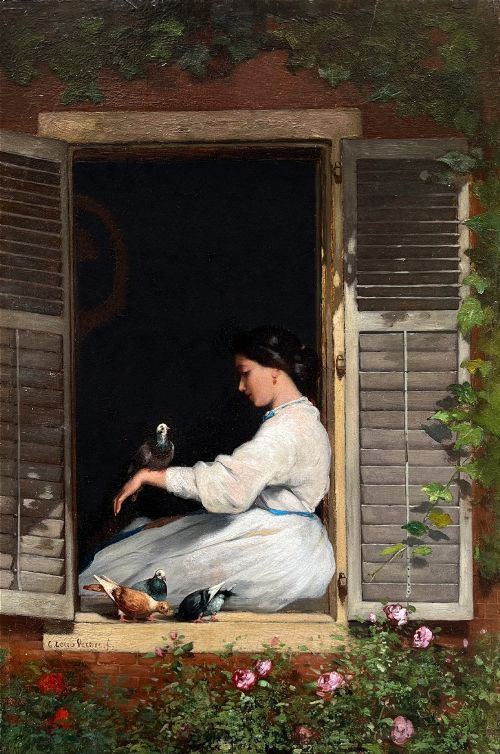
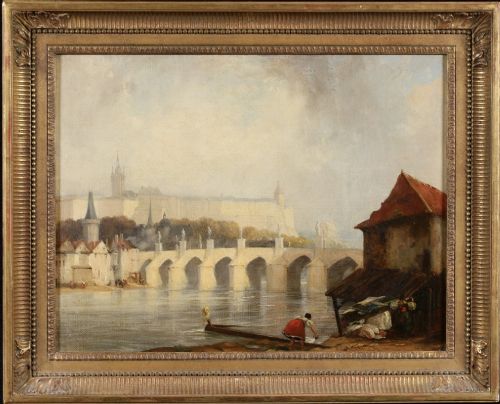
The pieces on this page lean heavily towards oil paintings from the 1860s, 1870s, and 1880s. You find rural genre paintings, townscapes, and floral still lifes alongside devotional subjects.
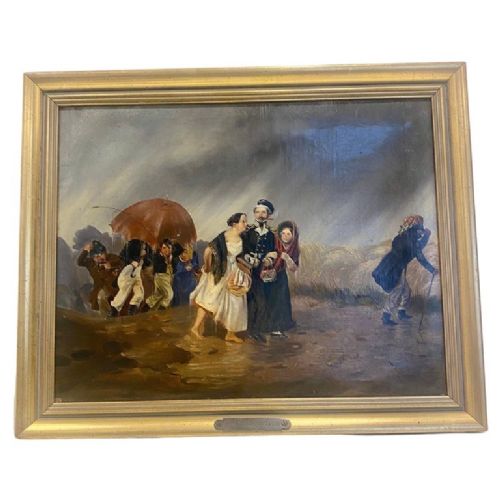
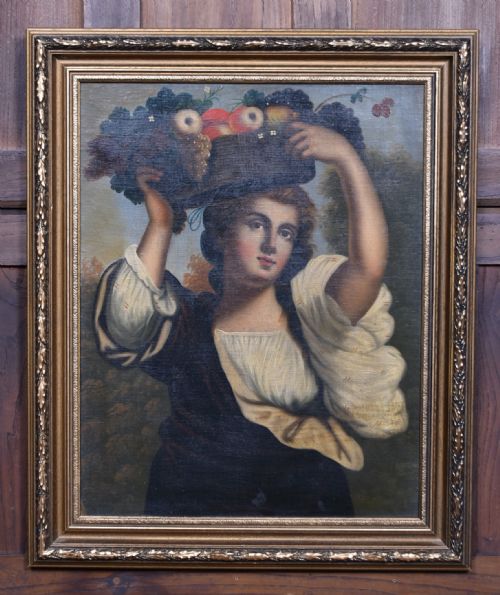
Framing plays a major role in these selections, with period giltwood frames frequently accompanying the canvas. Works range from intimate portraits to detailed narrative scenes featuring figures in various settings.
How these artworks were produced
These works use oil paint applied to canvas or wood board. Painters built up compositions using layered oil pigments to capture light and shadow.
Frames employ gesso applied over wood, finished with gold leaf or gilding techniques to create ornate borders.
19th Century European Fine Art Retail Price Guide 2026
Typical asking prices for 19th century european fine art among the pieces listed under this phrase on Sellingantiques today, from the lower quarter to the upper quarter. They describe what is for sale here now, not the wider market.
Skaters glide across frozen Dutch lakes while shoppers browse Belgian markets, all captured in oil across the nineteenth century.
What separates works within this range
Brushwork and handling of light define the distinction between standard regional output and accomplished mastery. Works demonstrating precise control over luminosity and atmosphere stand apart from simpler compositions.
The integration of the original frame adds considerable character. Surviving period giltwood frames that complement the specific palette and period of the canvas elevate the presentation.
Max Kaltenmoser·Louis Charles Verwee·Frans Gailliard·Frederick Tully Lott·Hendricus Joseph Dillens·Karel Frans Philippeau·Joseph Emmanuel Weiser·Louis Smets·Wilhelm Alexander Meyerheim·Paul Paul
The 19th Century European Fine Art Glossary
- Oil on Canvas
- A traditional painting medium where oil paint is applied to a stretched woven fabric support. This combination allows for rich blending and depth of colour.
- Giltwood
- Wood carved and coated with gold leaf or a gold-coloured metallic finish. This material forms the ornate frames typical of the period.
- Genre Painting
- A style depicting scenes from everyday life involving ordinary people. These works often show domestic interiors, markets, or rural activities.
- Gesso
- A plaster-like mixture applied to wood frames as a base for gilding. It provides a smooth surface for shaping decorative mouldings.
- Luminism
- An aesthetic style focusing on the effects of light on landscapes. Artists using this approach prioritise atmospheric clarity and subtle tonal gradations.
19th Century European Fine Art: Frequently Asked Questions
What subjects appear in 19th century european fine art?
The works encompass portraits of gentlemen and ladies, winter landscapes, and religious themes. You also find genre scenes of daily life, such as markets and domestic interiors.
Floral still lifes and architectural views further broaden the scope of subjects available.
How do I identify a period frame?
Period frames often utilise carved wood finished with gesso and gold leaf. They show signs of age consistent with the canvas they enclose.
These surrounds match the stylistic tendencies of the nineteenth century, ranging from simple moulded profiles to elaborate gilt designs.
Where did these regional schools originate?
The selections draw from various European traditions including Belgian, Austrian, Swiss, and German schools. Each region developed distinct approaches to portraiture and landscape.
Works often reflect local topographical views or cultural practices specific to those communities.
How should I care for an oil painting on canvas?
Keep the artwork away from direct sunlight and steady temperature fluctuations to protect the canvas and paint layers. Dust the surface gently with a soft, dry brush.
Avoid using liquid cleaners on the paint or the giltwood frame to prevent moisture damage.