


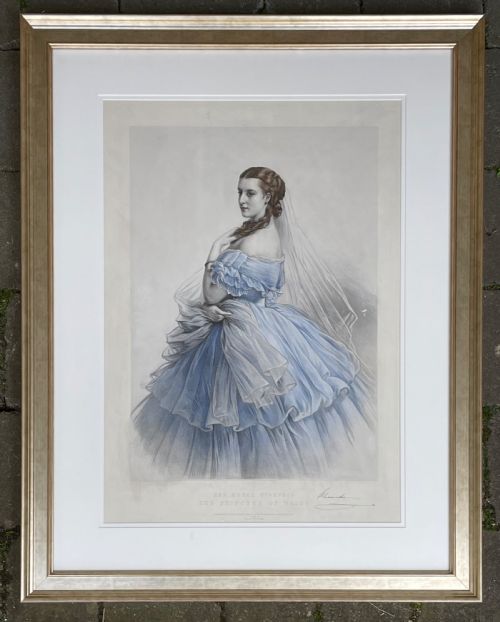


19th Century Engraved Portrait
A 19th century engraved portrait captures notable figures, politicians, and actors through meticulous ink work on paper, offering a direct window into historical likenesses.
19th Century Engraved Portrait
A 19th century engraved portrait brings historical likenesses into domestic spaces through detailed prints and engravings on paper. These works capture political figures, actresses, and notable personalities across various periods from Georgian to Victorian times.
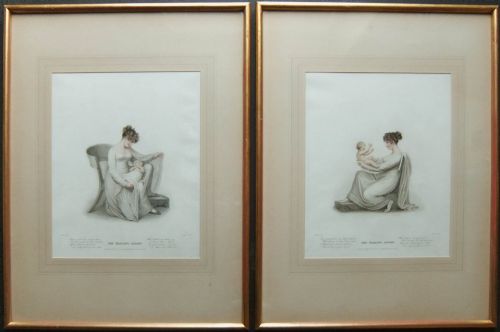
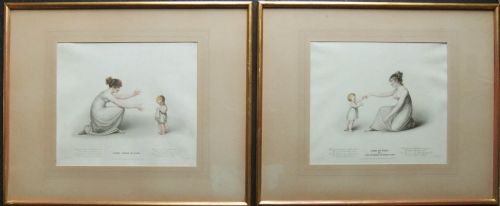
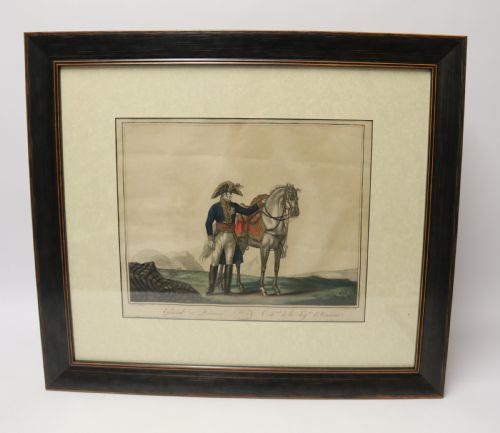
The selection ranges from classical portraits of politicians to equestrian subjects and theatrical pairs. Collectors encounter works framed in wood, gilt wood, and glass, reflecting the framing tastes of the nineteenth century.
Originating from periods such as Regency, Napoleonic, and Late Georgian, these pieces often credit the original artist and the master engraver. They function as both historical documents and decorative wall art.
Materials and methods of production
Makers utilised paper as the primary medium for impressions, applying ink through engraved metal plates or drypoint etching techniques. Some pieces incorporate hand colouring to add vibrancy to the printed lines.
Framing materials included wood and gilt wood, frequently protected by glass to preserve the delicate paper surfaces. Gold leaf accents sometimes enhanced the surrounding frames of these portraits.
Lucy, a celebrated bull bitch, shares the gallery with human politicians and actors.
Distinctions in quality and execution
The condition of the paper and the integrity of the original frame contribute significantly to the overall merit of the piece. Surviving frames in gilt wood or wood add historical context to the artwork.
Adam Buck·W Roffe·Sir Thomas Lawrence·J Brown·Blockey
The 19th Century Engraved Portrait Glossary
- Engraving
- A printmaking technique where an artist cuts lines into a metal plate to hold ink. This method produces crisp and enduring lines on paper.
- Etching
- A process using acid to cut lines into a metal plate before applying ink. Drypoint is a related method where lines are scratched directly into the surface.
- Lithograph
- A print produced from a flat stone or metal plate treated to retain ink only in specific areas. This technique allowed for broader tonal ranges in nineteenth-century imagery.
- Stipple engraving
- A method using dots of varying sizes and densities to create tonal gradients and soft shadows. It was frequently employed for classical portraiture.
19th Century Engraved Portrait: Frequently Asked Questions
How do I care for a 19th century engraved portrait?
Keep the framed work away from direct sunlight to prevent the paper and ink from fading over time. Maintain stable humidity levels to protect both the paper and the wooden frame.
Avoid using liquid cleaners on the glass directly above the engraving. A dry microfiber cloth is sufficient for dusting the exterior frame.
What subjects appear in these portraits?
The subjects range from politicians and historical figures to actresses and sporting personalities. Military officers and royalty also feature prominently in the available prints.
Some pieces depict allegorical scenes or specific animals alongside human portraits. Each subject reflects the cultural interests of its specific period.
Are these portraits original prints from the period?
The listings comprise works created during the nineteenth century, utilising historical printmaking techniques. They reflect the eras in which the sitters lived and worked.
Signatures, dates, and printer credits often provide evidence of the authentic period of production. These details help distinguish nineteenth-century printings from later reproductions.
How are these portraits typically framed?
Many examples are preserved in period frames made of wood or gilt wood, often protected behind glass. The framing materials frequently match the aesthetic of the Georgian or Victorian era.
Original frames enhance the historical context of the artwork. Collectors often value pieces that retain their period framing.