



19th Century English Sideboard
These pieces provide grand dining rooms and country kitchens alike with robust storage, uniting formal mahogany sideboards and rustic oak dressers under the heading of a 19th century english sideboard.
19th Century English Sideboard
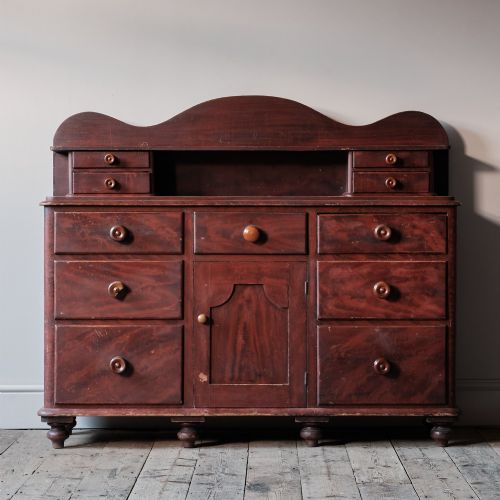
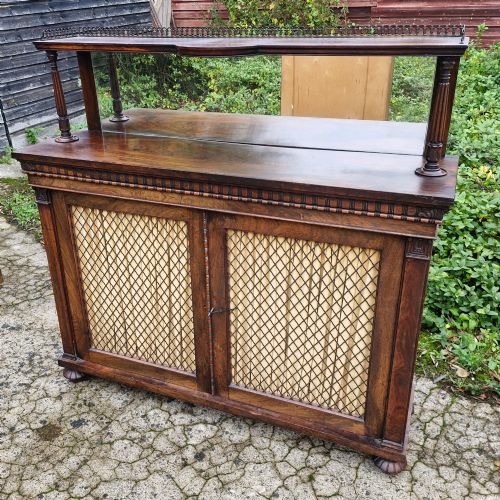
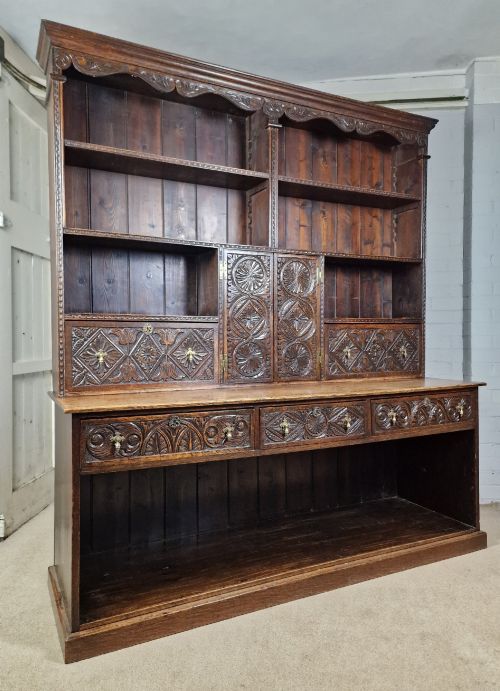
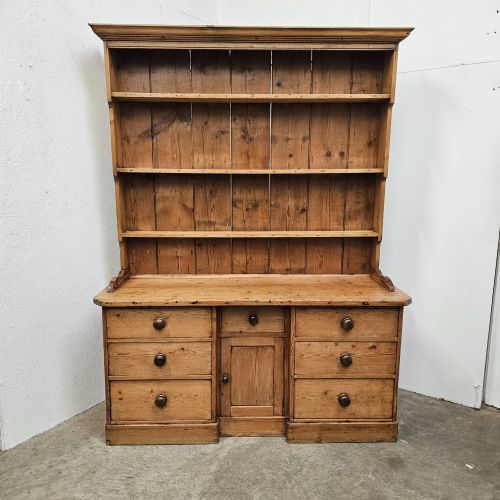
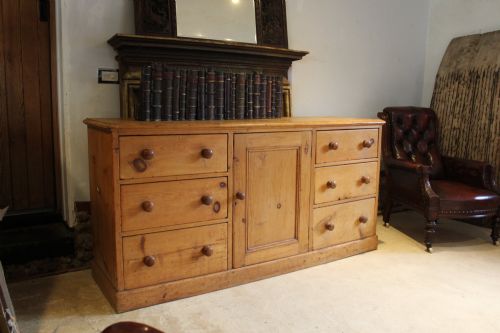
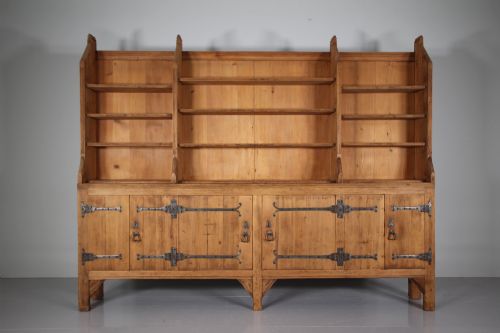
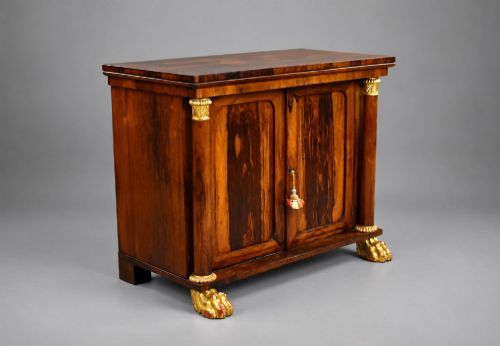
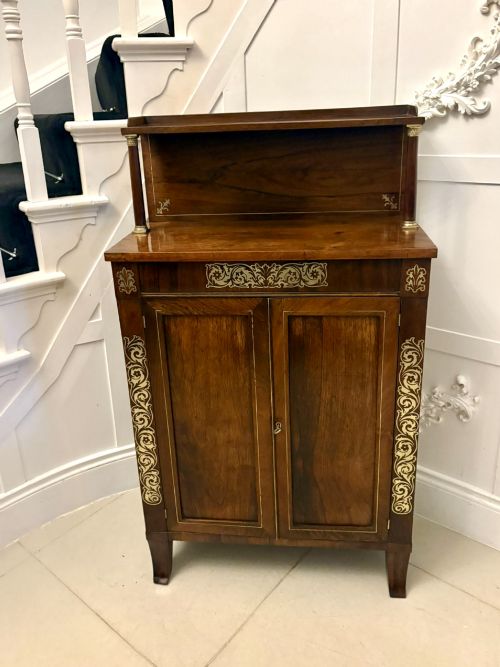
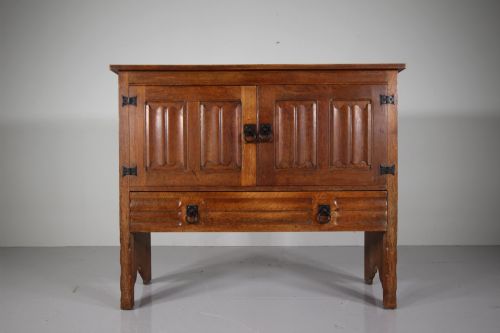
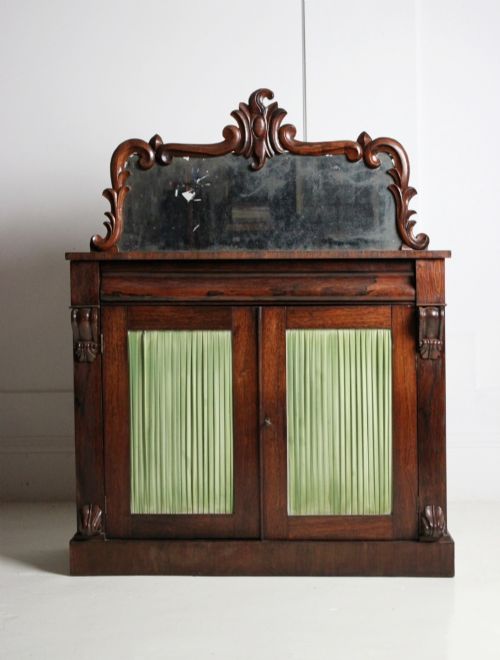
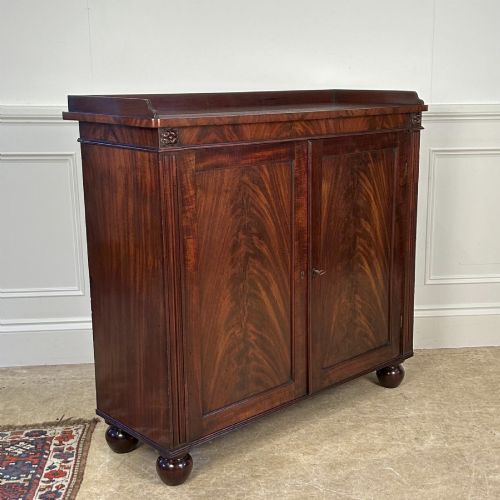
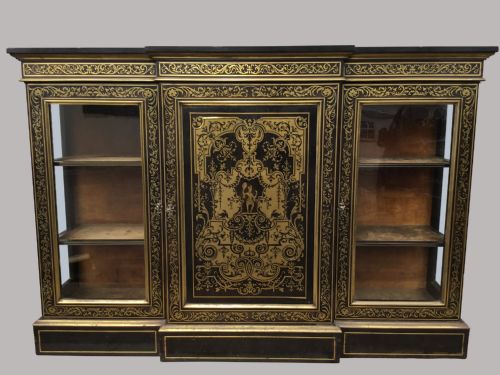
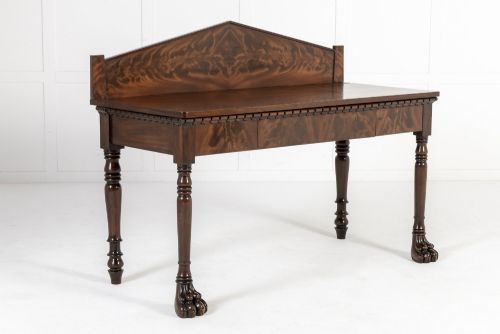
A 19th century english sideboard encompasses formal dining room servers, pedestal sideboards, and breakfront cabinets alongside country kitchen dresser bases and pot boards. Pieces range from grand Regency flame mahogany designs to sturdy Victorian oak cupboards, reflecting varied domestic uses across the century.
The selection includes specialised forms such as chiffoniers, low presses, and secretaire cabinets that combined surface display with enclosed storage. Regional vernacular pieces, including Shropshire joined low dressers, appear alongside urban cabinet work from recognised workshops.
Materials and Technique
Cabinet makers utilised dense native timbers like oak and pine for vernacular dressers and structural carcasses, applying figured mahogany veneers, rosewood, and pollard oak to showy exterior surfaces. Brass inlays, ormolu mounts, and ebony stringing accented formal Regency and Victorian pieces.
Joinery combined traditional frame and panel construction with hand dovetailing for drawers and elaborate marquetry for decorative credenzas. Surfaces received hand-applied polish or paint finishes that highlighted the natural grain of flame mahogany and satinwood.
19th Century English Sideboard Retail Price Guide 2026
Typical asking prices for 19th century english sideboard among the pieces listed under this phrase on Sellingantiques today, from the lower quarter to the upper quarter. They describe what is for sale here now, not the wider market.
Several pieces conceal practical additions like built-in dry bars and secretaire drawers designed for discreet letter writing.
Assessment of Quality
Quality rests in the selection of timber figures, such as matching flame mahogany veneers across a breakfront facade, and the crispness of hand-carved mouldings or rams head details. Superior cabinet work shows tight dovetailing in drawer construction and well-matched grain patterns that flow across multiple doors.
The integrity of secondary woods, the weight and original state of brass hardware, and the subtlety of marquetry inlay distinguish high-end urban workshop production from simpler country vernacular furniture.
Gillows·Cowtan And Sons·Melissa White
The 19th Century English Sideboard Glossary
- Breakfront
- A cabinet or sideboard whose central section projects forward from the recessed outer sections. This arrangement creates visual depth and architectural presence in formal dining rooms.
- Chiffonier
- A compact low sideboard or cabinet featuring enclosed cupboards below, sometimes surmounted by a shelf or mirror. It gained popularity during the Regency and William IV periods for smaller sitting rooms.
- Dresser Base
- A low rectangular cabinet fitted with drawers and cupboards beneath a flat top surface, originating from country kitchens. Pot boards often sit beneath the main body for storing large dishes.
- Flame Mahogany
- Timber cut from the fork of the mahogany tree where the branch joins the trunk, producing a rippling, flame-like grain pattern. Cabinet makers used veneers of this wood on prominent drawer fronts and doors.
- Ormolu
- Gilded bronze used for decorative mounts, handles, and feet on high-end Regency and Victorian furniture. It provides metallic contrast against dark rosewood and mahogany surfaces.
19th Century English Sideboard: Frequently Asked Questions
How do I date a sideboard?
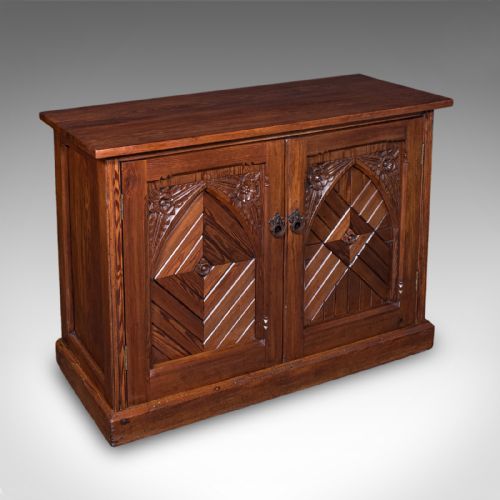
Examine the secondary woods, construction methods like hand-cut dovetails, and stylistic markers such as Regency brass inlay or Gothic Revival carving. Comparing hardware and veneer types against documented period pieces helps narrow down the decade.
Regional vernacular furniture often retains traditional building techniques longer than urban workshop pieces, meaning stylistic clues must be weighed alongside timber choice and joinery.
Where were sideboards placed?
These pieces traditionally stood against dining room walls to hold serving dishes, silverware, and linens during meals. Smaller chiffoniers and side cabinets also served in parlours and drawing rooms for displaying decorative objects.
In country houses, simpler dresser bases functioned as primary work surfaces and storage units within kitchens and sculleries.
How do I care for mahogany surfaces?
Maintain polished mahogany and rosewood by dusting regularly with a soft, dry cloth and avoiding direct sunlight that can fade the timber. Apply a quality beeswax periodically to nourish the wood and preserve the depth of the polish.
Keep furniture away from direct heat sources and drastic humidity changes to prevent timber movement and veneer lifting.
What is the difference between a chiffonier and a sideboard?
A chiffonier is typically smaller and more compact, often featuring a raised shelf on top and enclosed lower cupboards suited for parlour use. Sideboards are generally larger dining room pieces designed for extensive storage and serving.
Regency and Victorian variations blur these lines, but overall scale and the presence of superstructure shelves remain key distinctions.