



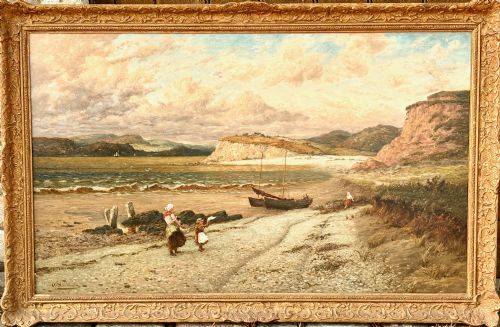
19th Century English Landscape Painting
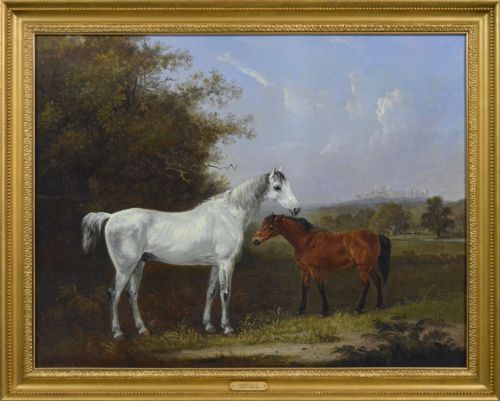
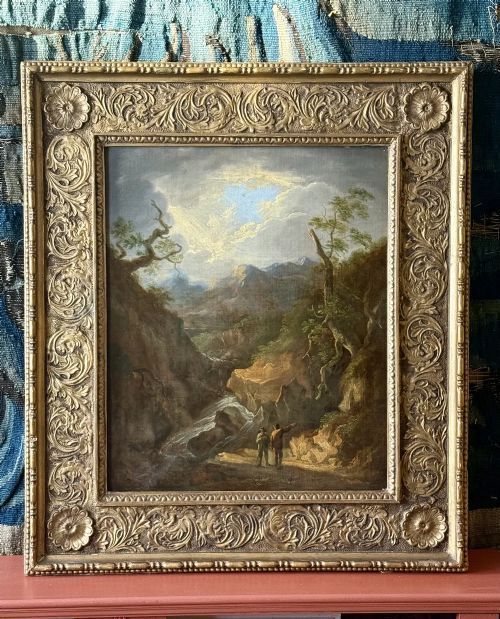
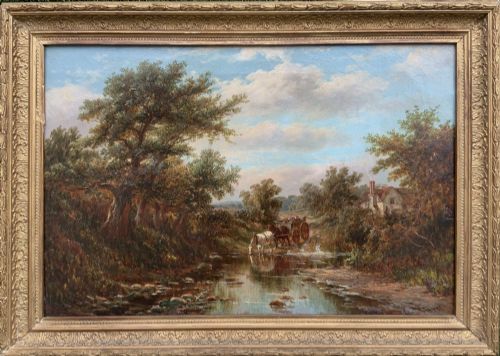
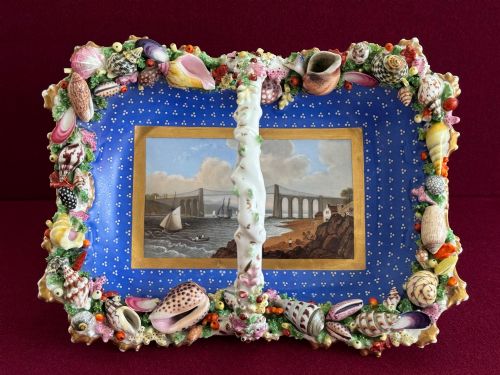
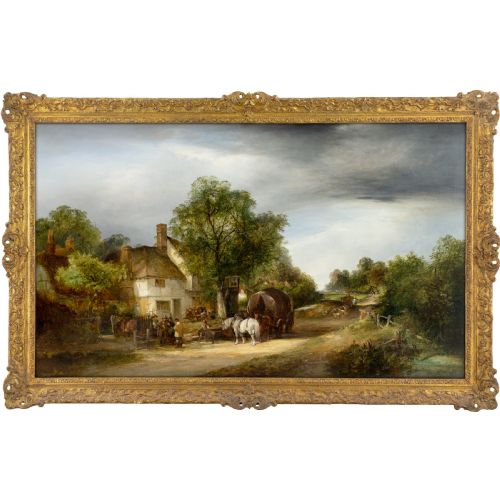
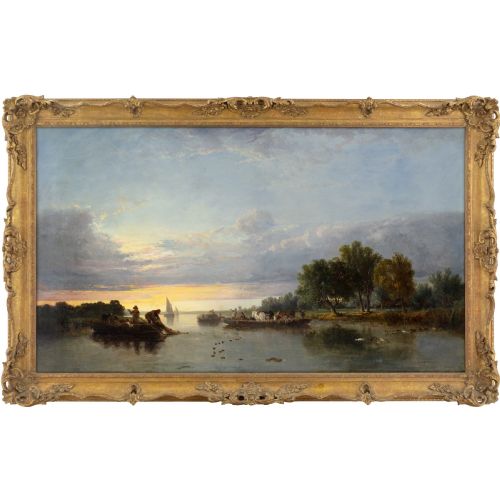
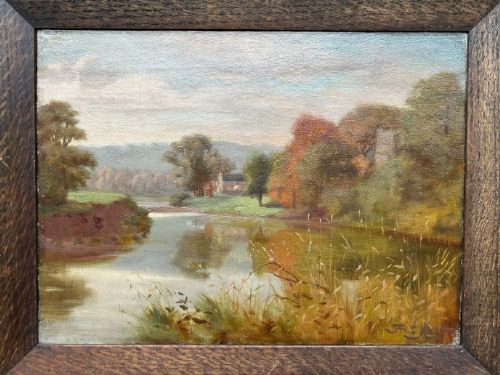
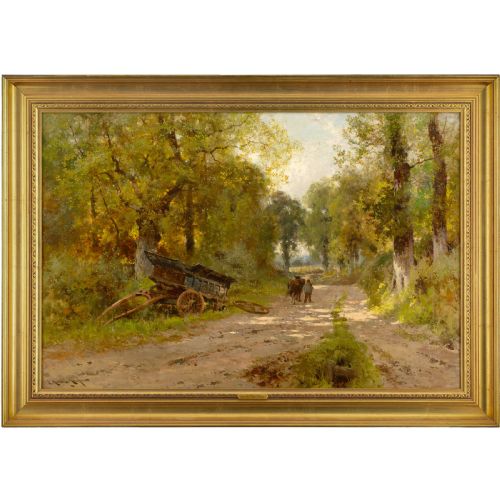
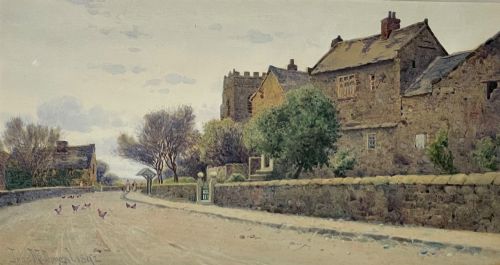
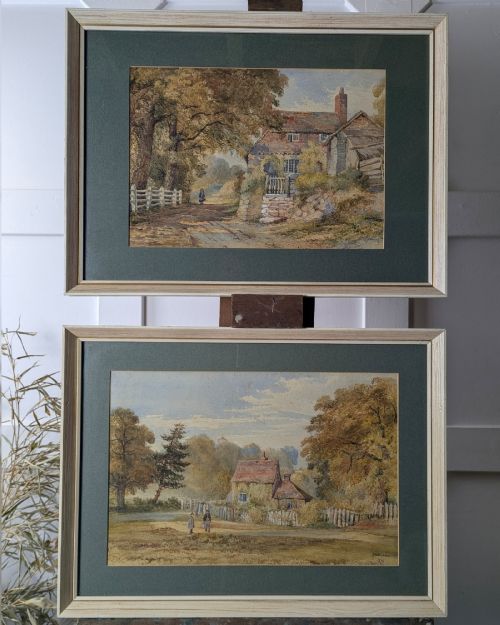
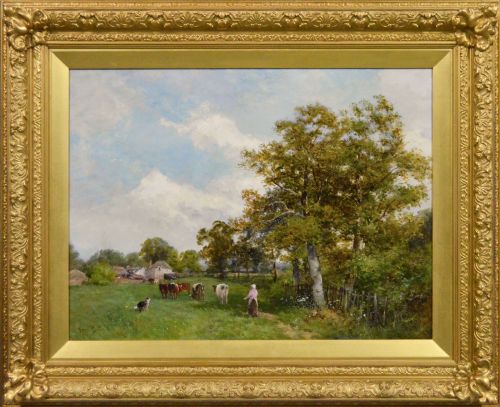
When you explore 19th century english landscape painting, you encounter framed watercolours and oil canvases depicting rural rivers, coastal harbours, and pastoral valleys.
19th Century English Landscape Painting
The 19th century english landscape painting selection comprises framed watercolours, oil paintings on canvas, and wood panel works created across the Victorian era. These pieces document rural views, river scenes, and coastal topography by named artists and the broader English School.
Buyers will encounter original watercolours on paper and oil paintings depicting harvest fields, pastoral woodlands, and coastal harbours. Many bear signatures or attribution to nineteenth-century practitioners of scenic art.
Subjects range from tranquil Thames views and Welsh mountain paths to Cornish fishing ports and Berkshire country lanes. The works capture the shifting natural light and rural occupations of the Victorian countryside.
How They Were Made
Artists utilised oil paint on stretched canvas, wooden boards, and mahogany panels to build textured surfaces and rich tones. Watercolours were applied to paper to capture delicate atmospheric effects in river and coastal scenes.
Completed works were housed in decorative giltwood and wood frames that complemented the pastoral or coastal subjects. Pigments and brushwork varied according to the individual technique of the painter or regional school.
Listings feature 19th century works spanning oil on canvas, wood panel, and watercolour on paper.
What Varies In Quality
Quality rests upon the confidence of the brushwork, the handling of natural light, and the compositional balance of the scene. Superior examples display accomplished draughtsmanship and atmospheric depth rather than formulaic execution.
The preservation of the pigment, the integrity of the canvas or paper support, and the presence of original framing contribute to the standing of an individual piece.
James Orrock·Alfred Young Nutt·Frederick Marriott·John Horace Hooper·John McDougal·William Banks Fortescue·David Bates·Benjamin Barker of Bath·Walter Heath Williams·Robert Thorne Waite·Thomas Sidney Cooper·Richard Redgrave·Charles Hunt·Henry H Parker·Miles Birkett Foster·David Cox·Thomas Cooper Moore·Philip Richard Morris·John Bedloe Goddard
The 19th Century English Landscape Painting Glossary
- Watercolour
- A painting method where fine pigment is mixed with water-soluble binders and applied to paper. This medium allows for transparent washes and luminous depictions of sky and water.
- Oil on Canvas
- A technique utilising pigments suspended in drying oils applied to a woven fabric support. This method permits rich colour blending and textured impasto surfaces.
- English School
- A designation for works produced by artists trained or working within England who shared stylistic approaches. It groups regional painters under a broad national tradition.
- Giltwood
- Wood carved and coated with a thin layer of gold leaf or gilt finish. These frames frequently surround period oil paintings and watercolours.
19th Century English Landscape Painting: Frequently Asked Questions
What subjects appear in these paintings?
The works depict rural river views, coastal harbours, pastoral valleys, and woodland paths across Britain. Scenes frequently include figures engaged in farming, fishing, or travelling through the countryside.
Artists recorded specific locations from the Thames and Welsh mountains to Cornish fishing ports and Yorkshire coasts. These compositions reflect a deep nineteenth-century interest in natural topography and rural life.
How do I care for a watercolour?
Watercolour paintings require protection from direct sunlight to prevent the fading of delicate pigments on paper. Displaying them away from moisture sources preserves the paper support and prevents foxing.
Framing under glass with acid-free mounts safeguards the surface from airborne pollutants and physical damage. Consistent indoor environments ensure the longevity of these paper-based works.
How are oil and watercolour distinguished?
Oil paintings feature heavier pigment layers applied to canvas, wood panels, or boards with visible brush texture and opacity. Watercolours present translucent washes on paper where the white of the ground shows through.
Oils are traditionally protected by varnish and displayed without glass, whereas watercolours require glazing to shield the paper surface. Examining the support backing and surface sheen clarifies the medium used.
Where were these artists active?
Painters worked throughout English counties, recording local landscapes in regions such as Berkshire, Dorset, Hampshire, and Yorkshire. Many exhibited their topographical and pastoral views in London and provincial galleries.
Colonies of artists also gathered around coastal sketching grounds in Cornwall and along major riverways like the Thames. Their travels shaped the diverse regional subjects found in nineteenth-century art.