




19th Century Dutch Style Painting
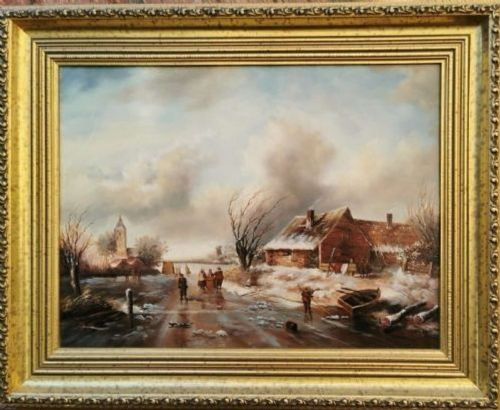
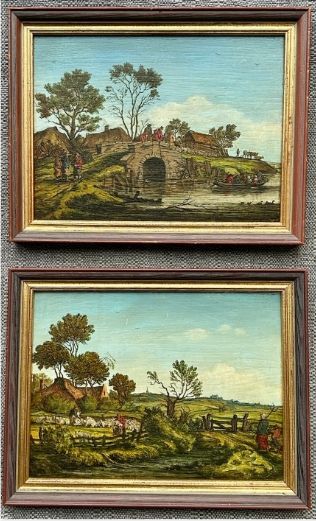
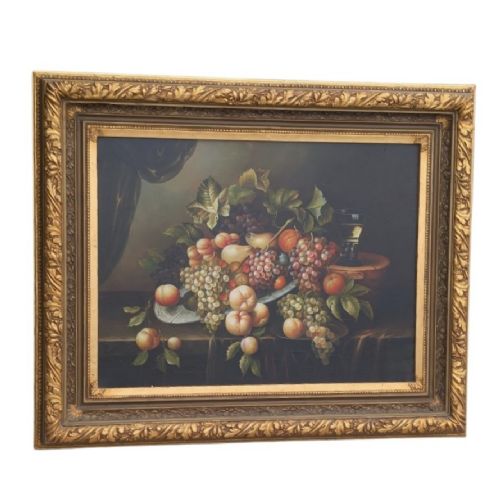
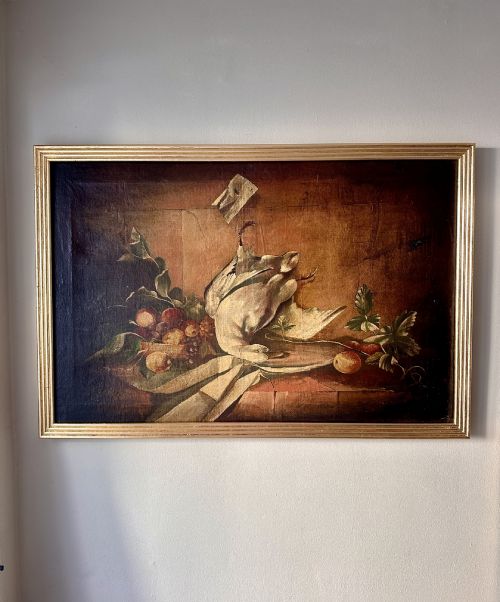
These 19th century dutch style painting works capture domestic scenes, winter landscapes, and still lifes rendered in oil.
19th Century Dutch Style Painting
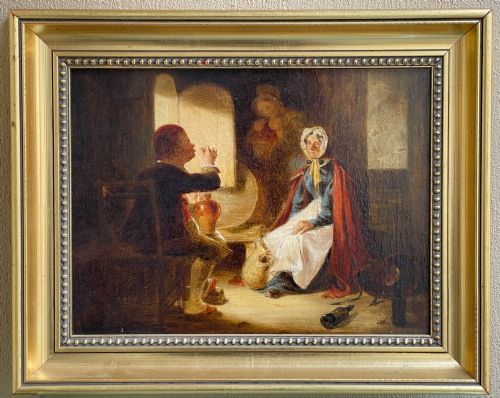
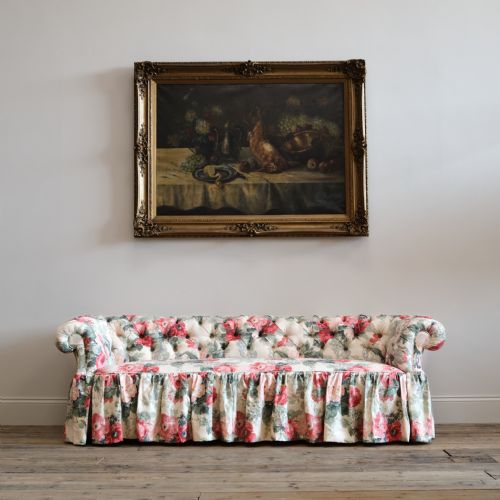
When you search for 19th century dutch style painting, you encounter canvases, wood panels, and copper plates depicting tavern interiors, canal windmills, and portraits. The subjects frequently echo the Golden Age through genre scenes and still lifes of game and fruit.
The works on this page span the 19th century alongside later interpretations and revivals reaching into the mid 20th century. Alongside fine art paintings, you also find related items such as bombe commodes and painted high chairs.
Many pieces reflect specific historical manners, ranging from the Flemish School to the style of Joachim Bueckelaer or Quirijn Van Brekelenkamp. They offer a direct window into traditional European subject matter executed with classical discipline.
What varies in quality
The strength of the composition and the confidence of the brushwork separate standard decorative works from finer artistic expressions. Superior pieces demonstrate a nuanced handling of light and shadow, particularly in interior hearth scenes and winter landscapes.
The condition of the paint layer and the authenticity of the supporting panel or canvas heavily influence the integrity of the piece. Well preserved surfaces retain their original tonal balance without excessive overpainting or structural compromise.
Listings feature oil paint on canvas, wood panel, copper, and tin, housed within traditional giltwood frames.
W Klombeck·James de Rijk·Pieter Cornelis Steenhouwer·Alexis De Leeuw·Willem Johannes Martens·Louis Smets·E Van Drielst
The 19th Century Dutch Style Painting Glossary
- Genre scene
- A painting that depicts aspects of everyday life by portraying ordinary people caught in common activities. These works form a major cornerstone of Dutch artistic tradition.
- Giltwood
- Wood that has been treated with a thin layer of gold leaf or gesso preparation. It provides the ornate metallic sheen seen on traditional picture frames.
- Oil on panel
- A technique where oil paint is applied directly to a flat wooden board rather than a woven canvas. This method was favoured by early masters for its smooth drawing surface.
- Still life
- An artwork focusing mostly on inanimate subject matter, such as game, fruit, or household objects. In these compositions, every element is arranged to study form and texture.
- Old Master
- A term generally describing a European painter of skill who worked before about eighteen hundred. Later 19th century works often consciously emulate their style.
19th Century Dutch Style Painting: Frequently Asked Questions
What is a 19th century dutch style painting?
These works are oil paintings on canvas, panel, or copper that imitate the subjects and techniques of earlier Dutch and Flemish masters. They typically feature winter landscapes, canal views, portraits, and domestic interiors.
The style draws heavily on the Golden Age tradition of realism, focusing on detailed lighting, narrative depth, and everyday human activity.
How should I care for an antique oil painting?
Keep the painting away from direct sunlight and dramatic fluctuations in temperature and humidity, which can cause the canvas or wood panel to warp and crack. Dust the surface very gently with a soft, dry brush.
Avoid using any water, chemical cleaners, or damp cloths on the paint layer or the giltwood frame. Professional conservation should be sought if the paint surface shows signs of flaking.
What subjects are most common in these paintings?
Winter landscapes with figures skating on frozen lakes and traditional tavern interiors dominate the typical subjects. You will also encounter still lifes featuring dead game and fruit, alongside intimate portraits.
These themes directly mirror the historic concerns of Dutch genre painting and the Northern Renaissance.