



19th Century Drawer Unit
A 19th century drawer unit brings practical storage and solid timber craftsmanship into a room, spanning modest pine chests to grand mahogany formats.
19th Century Drawer Unit
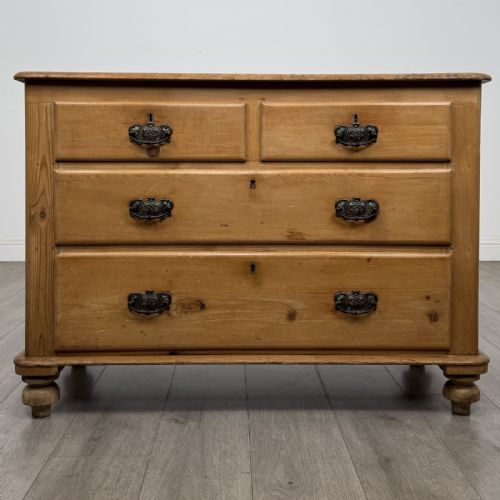
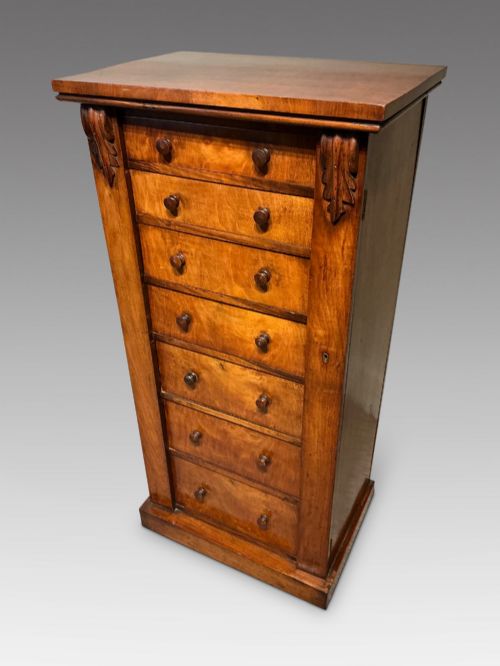
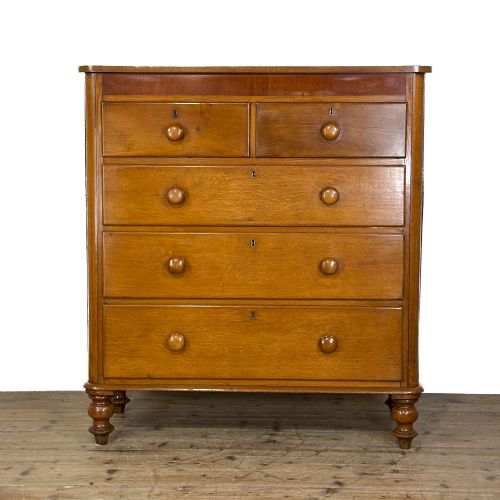
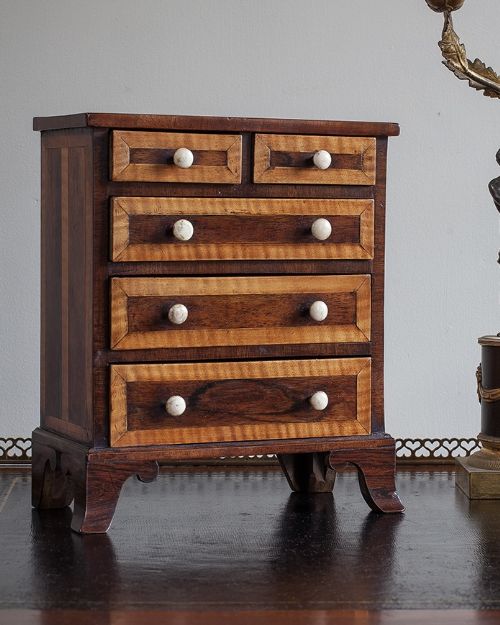
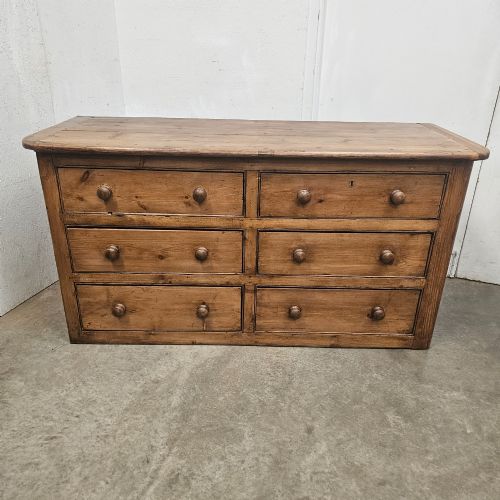
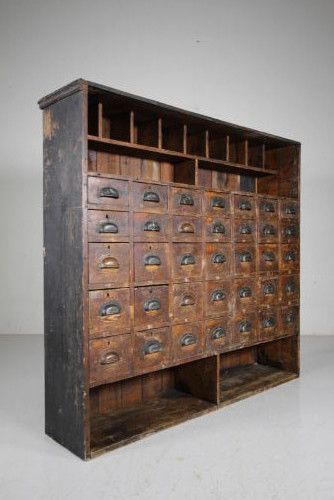
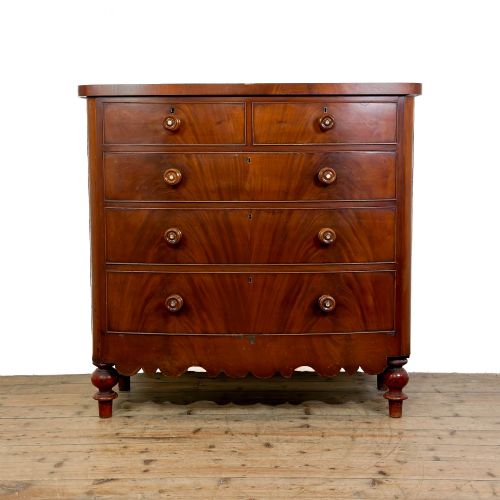
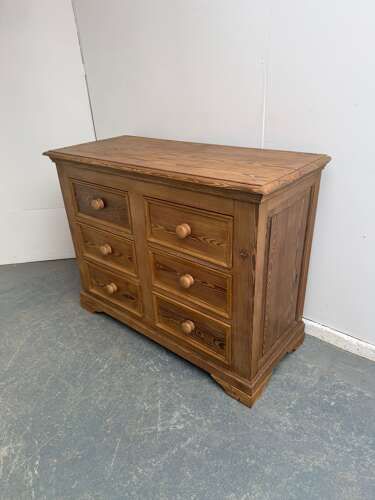
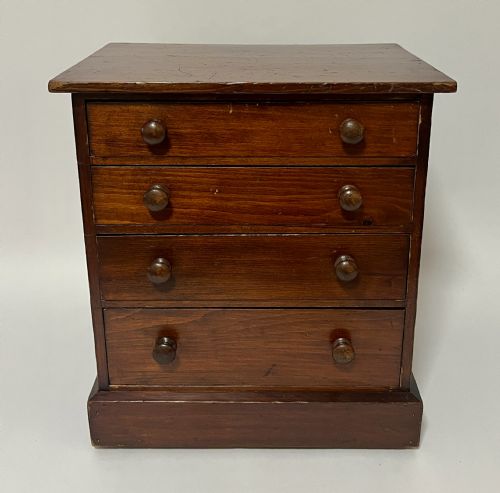
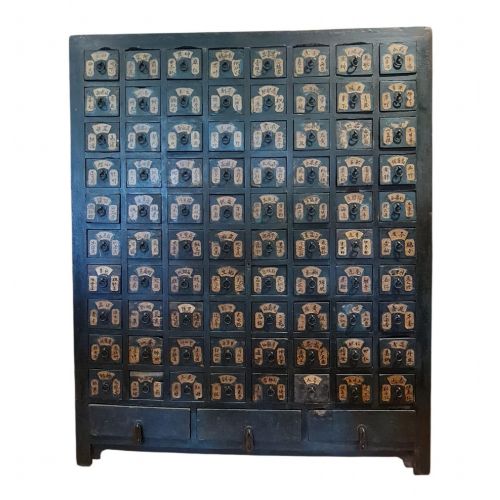
When you search for a 19th century drawer unit, you encounter a wide selection of storage forms rooted in the Victorian and Regency eras. The most frequent pieces are chests of drawers, alongside specialised storage such as banks of drawers, apothecary cabinets, and miniature apprentice pieces.
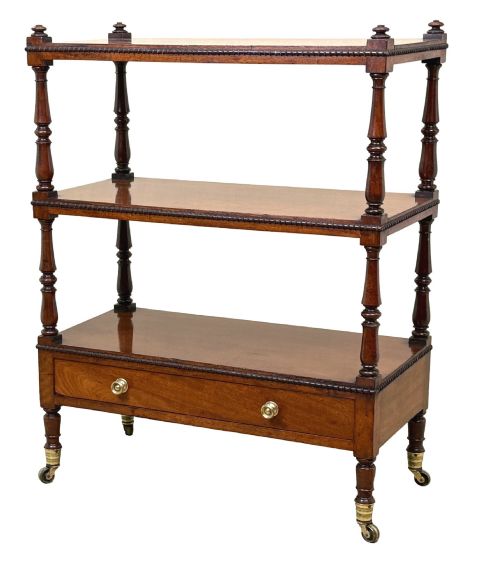
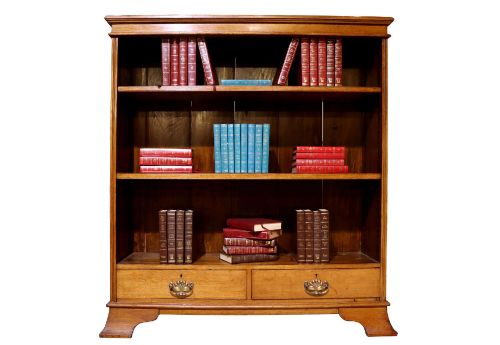
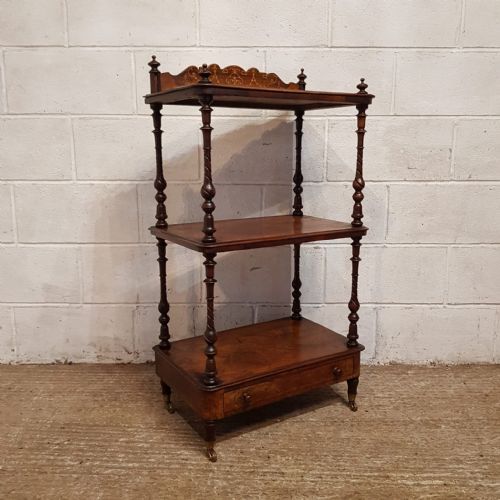
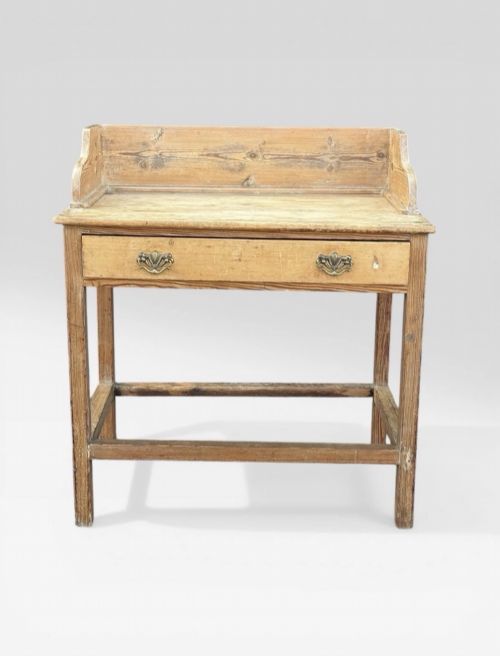
Beyond standard chests, the material evidence includes multi-tiered whatnots, open bookcases, commodes, and bedside cabinets. These units originate from diverse regional workshops across Britain, France, China, and Hungary.
The assortment ranges from large utilitarian bank units with numerous small compartments to domestic bedroom chests and refined parlour furniture. Each format serves a distinct storage purpose shaped by nineteenth-century domestic and commercial life.
Materials and Construction
Cabinet makers relied heavily on native and imported timbers, frequently utilising mahogany, pine, and walnut for primary structures. Decorative surfaces often display flame mahogany veneers, burr walnut figures, or applied paint and scumble finishes.
Hardware details typically incorporate cast brass handles and key escutcheons, occasionally paired with marble tops on finer commodes and dressing tables. Joinery techniques prioritize functional durability, utilising solid wood drawer boxes and dovetailed construction.
19th Century Drawer Unit Retail Price Guide 2026
Typical asking prices for 19th century drawer unit among the pieces listed under this phrase on Sellingantiques today, from the lower quarter to the upper quarter. They describe what is for sale here now, not the wider market.
Storage formats range from multi-drawer apothecary cabinets and tall bookcases to miniature apprentice chests.
Factors of Quality
The standard of a nineteenth-century storage unit rests upon the selection of timber and the precision of its construction. Pieces featuring matched flame veneers or carefully figured burr walnut stand apart from simpler painted or stained pine items.
Proportion and integrity dictate overall merit, separating utilitarian workshop furniture from sophisticated urban cabinet work. Original hardware, smooth drawer action, and intact secondary woods elevate the standing of any piece.
The 19th Century Drawer Unit Glossary
- Bank of drawers
- A large multi-drawer storage unit designed for commercial or institutional use. They contain numerous small compartments for organising items.
- Whatnot
- An open shelving unit with multiple tiers supported by slender upright columns. They often incorporate a single drawer at the base for small items.
- Commode
- A low cabinet or chest of drawers featuring doors or multiple tiers. French and Biedermeier examples often incorporate marble tops.
- Scumble
- A decorative paint technique applied to pine surfaces to imitate the grain of more expensive hardwoods. Artisans dragged combs or brushes through translucent glaze.
19th Century Drawer Unit: Frequently Asked Questions
How do I date a 19th century chest?
Examine the construction methods, drawer dovetails, and timber choices. Hand-cut joints and secondary woods like pine or oak help establish the period.
Stylistic markers such as Regency curves or Victorian proportions narrow down the specific decade of manufacture.
What is an apothecary chest?
An apothecary chest is a multi-drawer storage unit originally used by pharmacists or herbalists to store medicinal ingredients. These pieces feature dozens of small drawers, sometimes with painted labels.
Originating in various regions including Britain and China, they provide distinctive compartmentalized storage for modern homes.
Are apprentice chests real furniture?
Apprentice chests are fully functional miniature models made with the same joinery techniques as full-sized furniture. They served as masterworks for craftspeople or as decorative tabletop display pieces.
Collectors prize them for their meticulous scale and detailed cabinetwork.
How do I care for antique pine furniture?
Maintain waxed pine surfaces by applying natural beeswax periodically to nourish the wood and protect the finish. Avoid placing timber furniture near direct heat sources or strong sunlight.
Clean surfaces gently with a dry or slightly damp cloth without harsh chemical cleaners.