
19th Century Desk Accessory
A 19th century desk accessory brings order and craftsmanship to a workspace through practical objects built to last.
19th Century Desk Accessory
A 19th century desk accessory comprises utilitarian and decorative items designed to organise correspondence, writing materials, and desktop tasks. Buyers search this phrase to find functional period pieces that reflect the material culture of Victorian, Regency, and continental writing spaces.
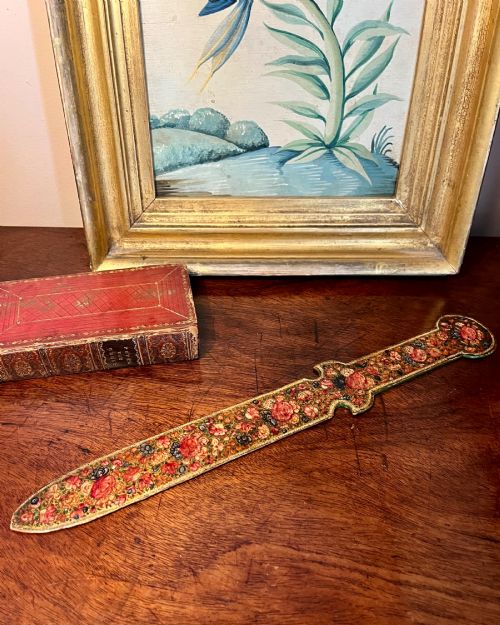
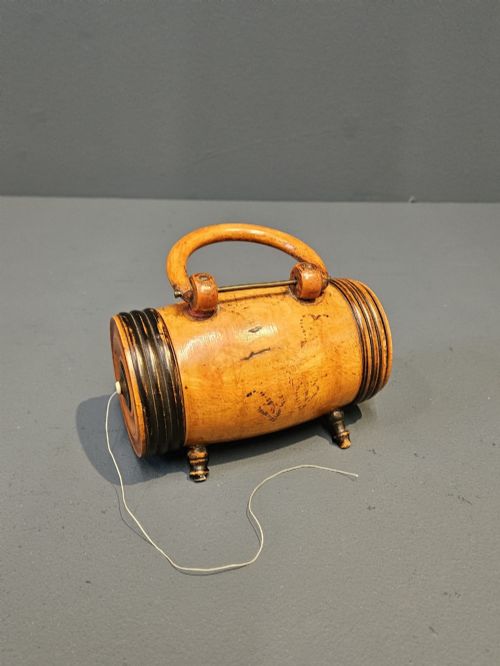
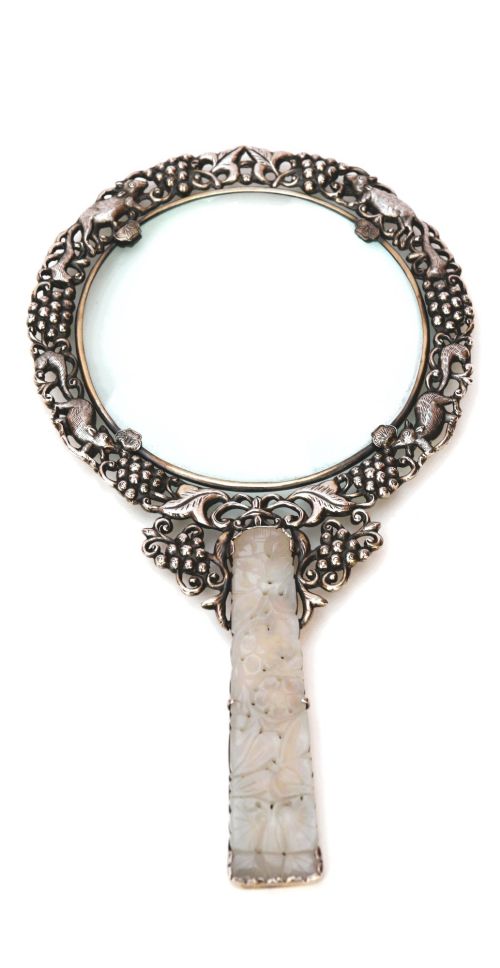
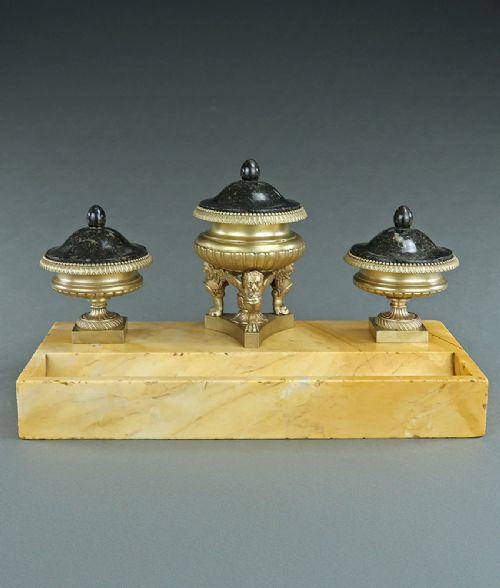
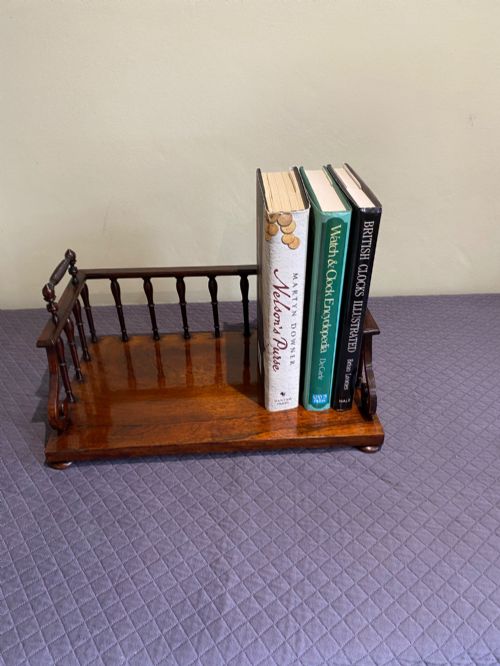
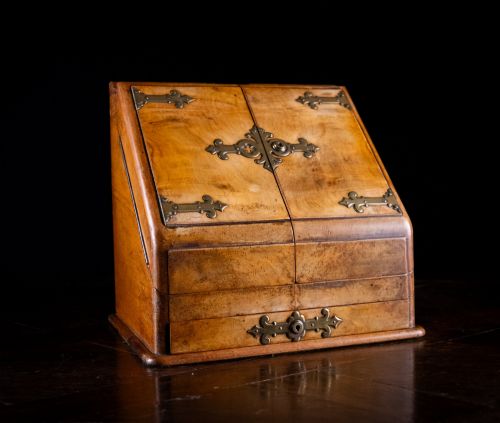
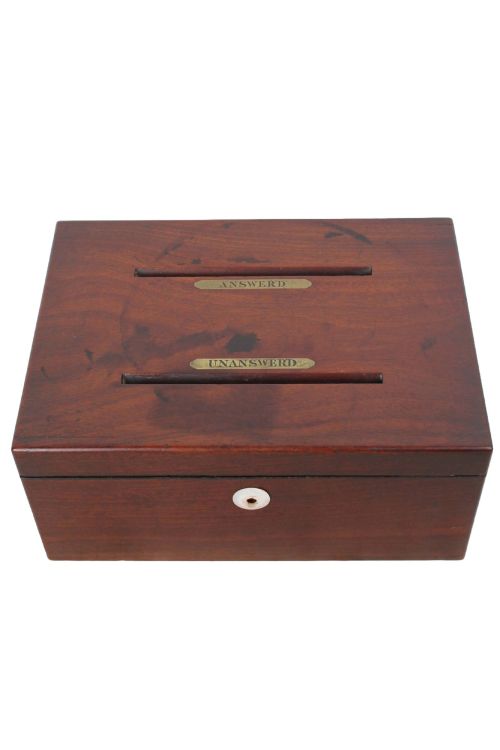
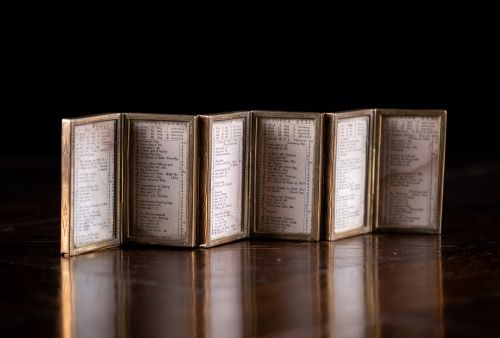
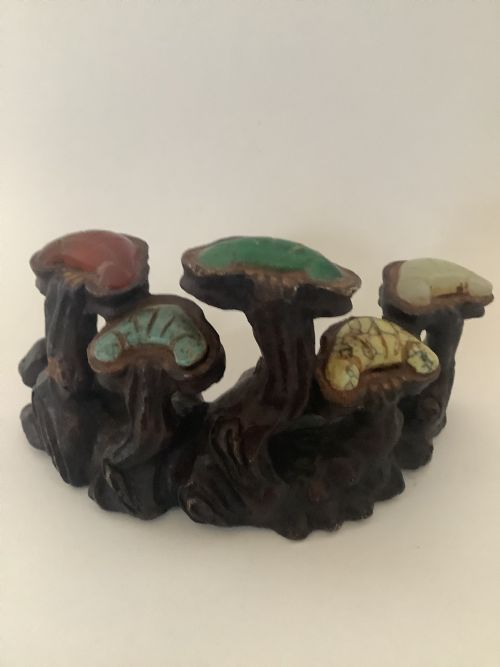
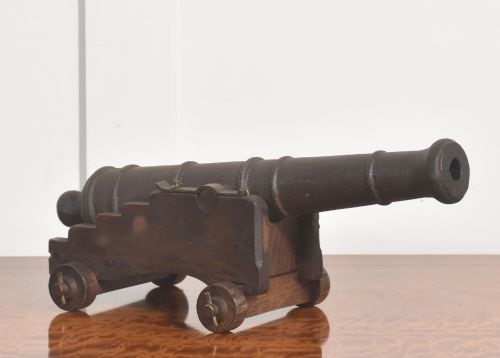
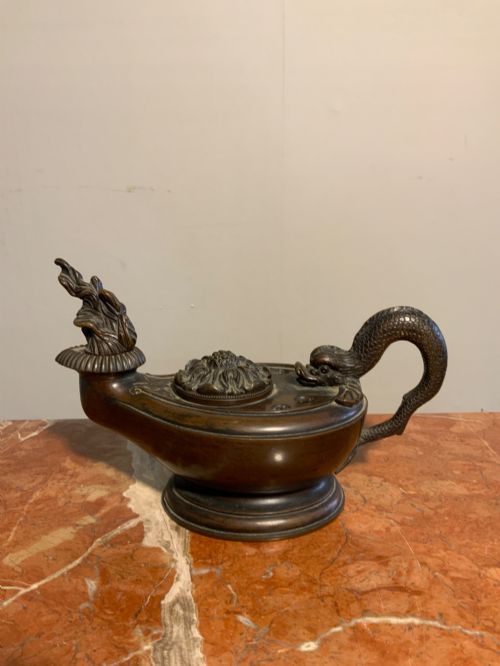
The most common forms encountered on this page include inkwells, inkstands, book stands, paperweights, and letter boxes. These items span domestic country house writing desks and formal grand tour souvenirs.
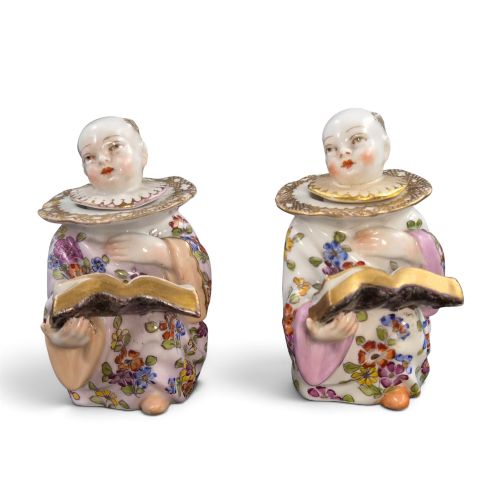
Origins range across English workshops, French empire studios, and Chinese export ateliers, utilising diverse regional aesthetics from Chinoiserie to Egyptian Revival.
Materials and construction methods
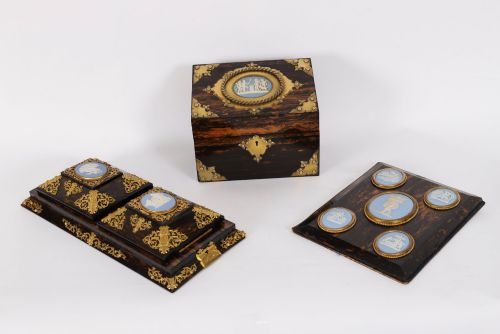
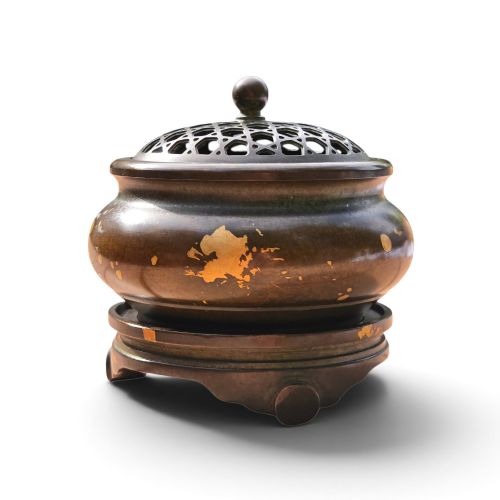
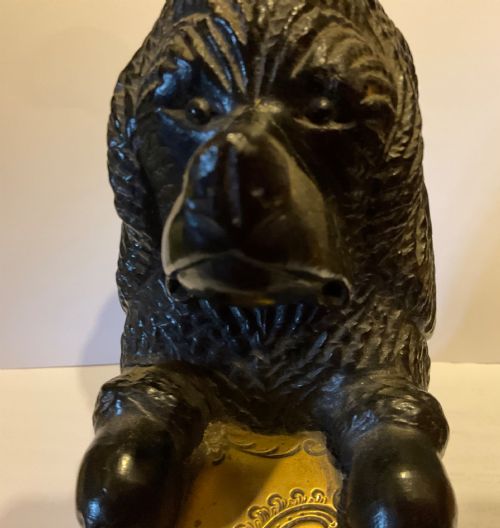
Metals such as brass, bronze, ormolu, and gilt bronze provide the structural weight for heavy inkstands, candlesticks, and calendars, frequently paired with cast or chased ornamentation.
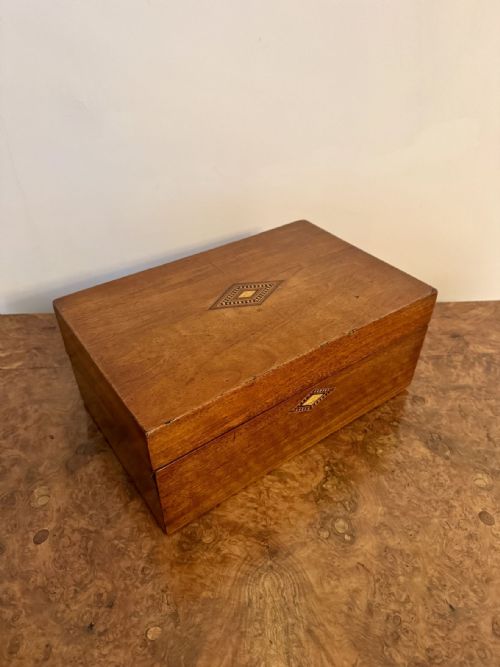
Timbers like walnut, mahogany, rosewood, and oak form the bodies of stationary cabinets, book racks, and writing slopes, often enhanced with brass inlay or carved details.
Decorative inserts combine natural substances including glass, crystal, marble, agate, tortoiseshell, and pietra dura to create tactile surfaces for daily writing tasks.
Factors of distinction
Superior examples demonstrate precision in metal casting, crispness in carved wood or stone, and the thoughtful integration of mixed materials like marble bases and ormolu mounts.
The distinction between standard utility items and finer pieces rests on the complexity of mechanical action, such as hinged lids on inkwells or the stability of expanding book racks.
Edmé Samson·Wilkinson & Co·William Tonks of Birmingham
The 19th Century Desk Accessory Glossary
- Ormolu
- Gilt bronze ornamentation applied to furniture, clocks, and desk wares. The technique involves coating metal in a mercury and gold amalgam before heating.
- Inkstand
- A fitted tray or stand holding inkwells, sanders, and pen holders for a desk. These often incorporate matching candlesticks or bell mounts.
- Pietra Dura
- The inlay technique using cut and fitted polished coloured stones to form pictorial images. It appears frequently on grand tour paperweights and plaques.
- Champlevé
- An enamelling technique where troughs are carved into a metal surface and filled with vitreous enamel before firing. It is typical of decorative 19th century French desk sets.
- Campaign
- Portable furniture and accessories built for travel with flush handles and protective brass corners. Pieces often dismantle or fold for transit.
19th Century Desk Accessory: Frequently Asked Questions
What is an inkstand?
An inkstand is a desk tray holding one or more inkwells along with compartments for pens, nibs, and blotting sand.
Victorian models range from simple wooden bases to elaborate gilt bronze and marble designs meant for display.
How do I date a desk accessory?
Dating relies on identifying period styles, such as Regency rosewood or Egyptian Revival brass, alongside material construction.
Makers' marks, registration stamps, and specific technological hints like screw threads also help narrow the decade.
Were these items used daily?
Most pieces served practical functions in correspondence before the widespread adoption of fountain pens and typewriters.
Inkwells held liquid ink, while letter boxes and book stands sorted incoming daily post and reference volumes.
What is a grand tour accessory?
Grand tour items were purchased by travellers visiting cultural sites in Italy and France during the 19th century.
They frequently feature classical architectural motifs executed in bronze, marble, and mosaic pietra dura.