

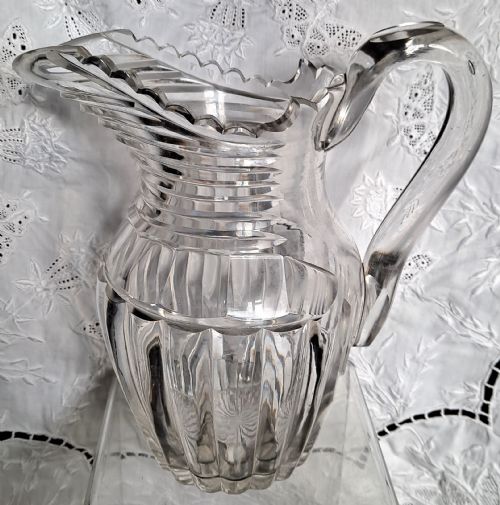


19th Century Crystal Jug
A 19th century crystal jug brings heavy brilliance and detailed wheel-engraving to the table, offering a tangible piece of Victorian hospitality.
19th Century Crystal Jug
When you search for a 19th century crystal jug, you encounter heavy serving vessels designed for wine, water, claret, or champagne. These vessels reflect the social habits of the period, ranging from formal dining tables to sideboard service.
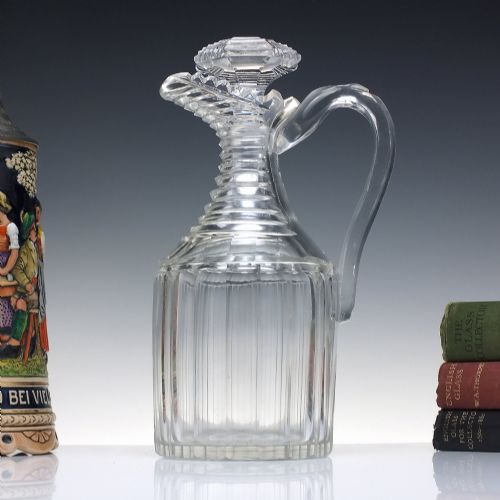
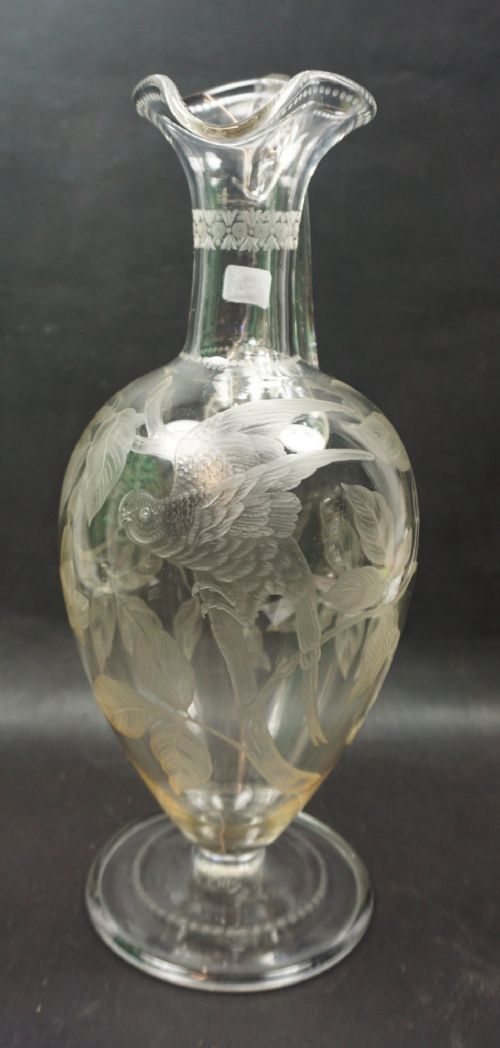
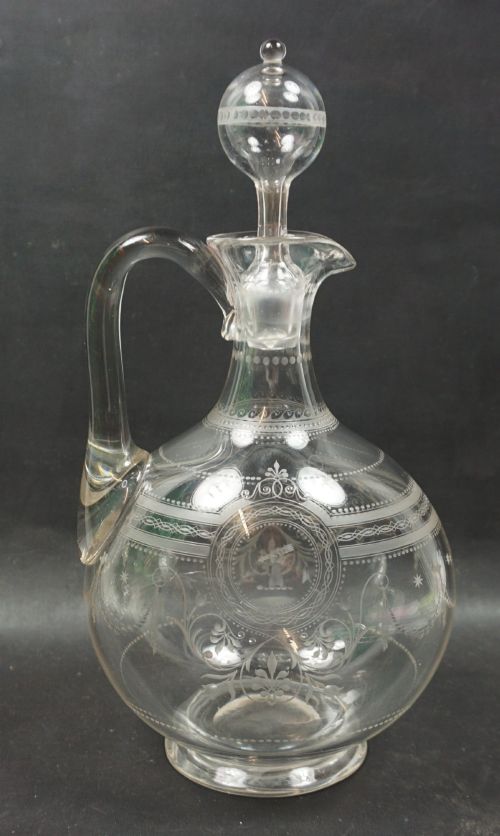
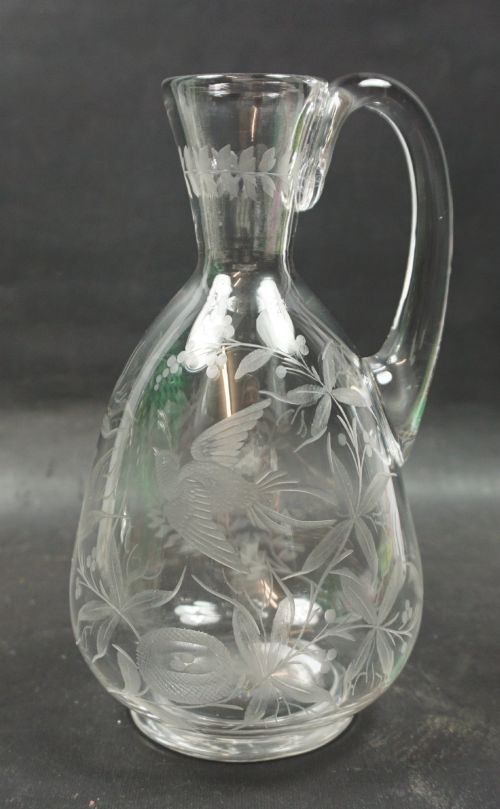
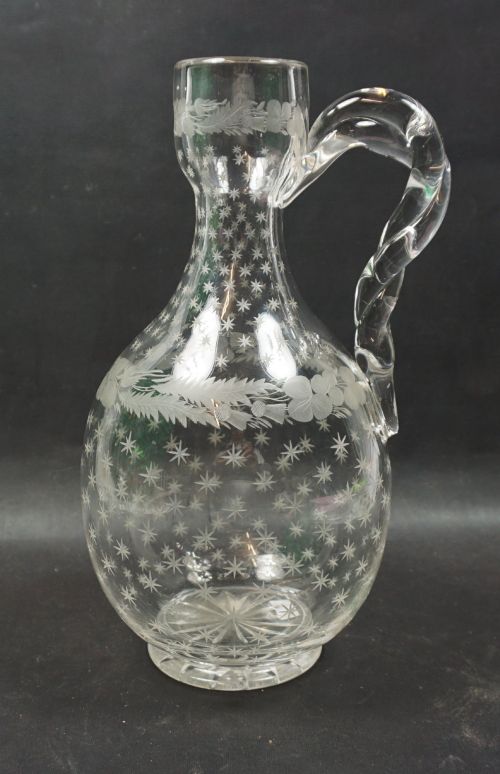
The versions most likely to meet you on this page are English and Continental pieces created in clear lead crystal or cut glass. They often feature intricate wheel-engraving showing crests, floral motifs, or fruiting vines.
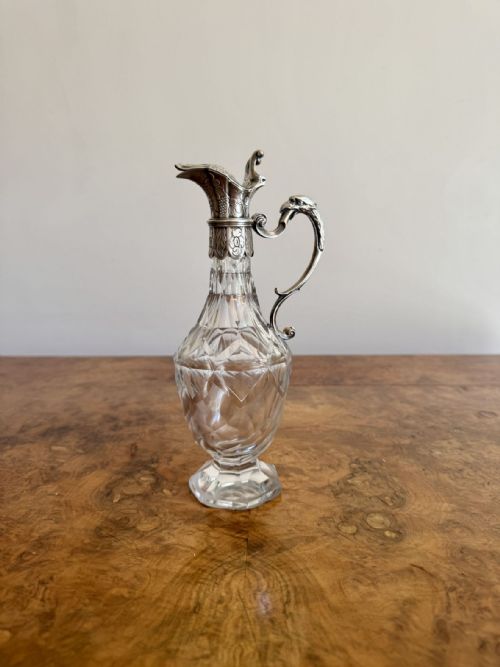
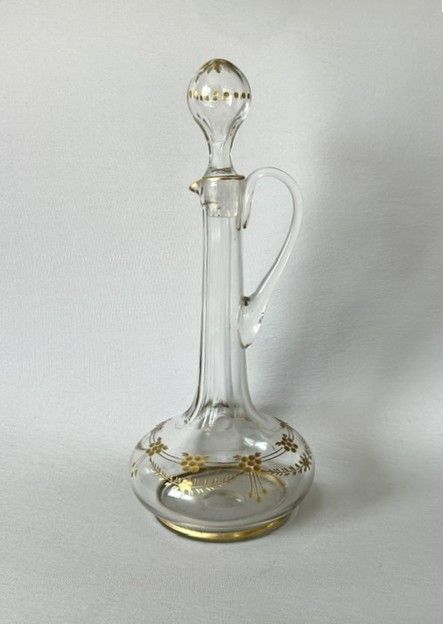
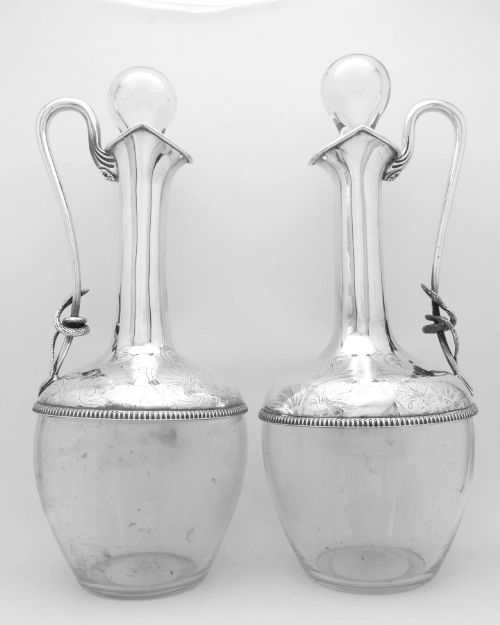
Makers and workshops employed distinct decorative techniques such as latticinio threads, gold gilding, and coloured glass overlays in red. Silver plate, solid silver, white metal, and ormolu mounts frequently complete the vessels as handles and rims.
What varies in quality
The clarity and weight of the lead crystal establish the foundational quality of the vessel, with purer metal producing a sharper ring and brighter refraction. Heavy, deep wheel-cutting requires immense skill, separating casually faceted pieces from deeply carved masterworks.
The refinement of the engraving dictates the upper tier of the range, seen in crisp depictions of crests and botanicals rather than shallow surface scratching. Furthermore, the integration of solid silver, ormolu, or finely cast serpent handles elevates the stature of the piece.
19th Century Crystal Jug Retail Price Guide 2026
Typical asking prices for 19th century crystal jug among the pieces listed under this phrase on Sellingantiques today, from the lower quarter to the upper quarter. They describe what is for sale here now, not the wider market.
Listings feature English and Continental pieces spanning from the 1850s through to 1900, incorporating lead crystal, cut glass, silver, and ormolu.
Baccarat·Stourbridge
The 19th Century Crystal Jug Glossary
- Lead crystal
- Glass containing lead oxide that increases density, weight, and light refraction. This material allows for deeper and sharper cutting without chipping.
- Latticinio
- A decorative glass technique using opaque white glass threads twisted within the clear body. It creates delicate ribbon patterns inside the walls of the vessel.
- Ormolu
- Gilded bronze used for mounts, handles, and collars on decorative ewers and jugs. French workshops frequently applied this metalwork during the period.
- Claret jug
- A specific serving pitcher intended for red wine at the Victorian dinner table. These frequently incorporate metal mounts and hinged lids.
- Wheel-engraving
- A cold-working technique using small rotating wheels of stone or copper applied to the glass with abrasive paste. It produces intricate pictorial scenes and crests.
19th Century Crystal Jug: Frequently Asked Questions
Can I serve wine from them today?
These vessels were originally manufactured to hold wine, claret, water, and champagne for the dining table. They remain fully functional for serving beverages at modern gatherings.
Inspect the interior for any stubborn staining before use, and avoid leaving acidic liquids sitting in the vessel for extended periods.
What metal is used for the mounts?
Mounts on these pieces vary according to the origin and workshop standard of the vessel. Common metals include solid silver, silver plate, white metal, and gilded bronze or ormolu.
These metals form structural elements like hinged lids, collars, and serpent handles that complement the heavy cut crystal bodies.
How do I date an antique glass jug?
Dating relies on observing the combination of manufacturing style, cutting depth, and mounting materials. Victorian and Regency pieces often display specific floral motifs, crests, or distinct wheel-engraving techniques.
Consider the pontil mark on the base, the weight of the lead crystal, and any maker stamps on the metal mounts to narrow the period.