



19th Century Cottage Painting
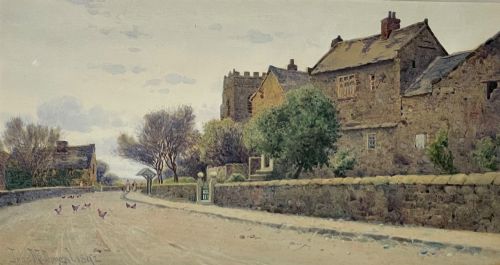
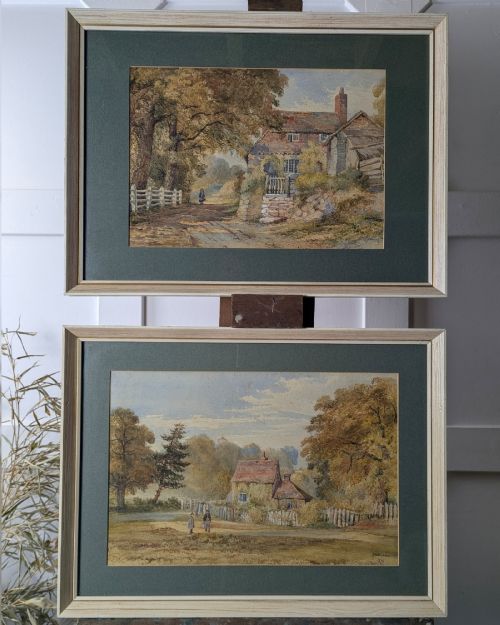
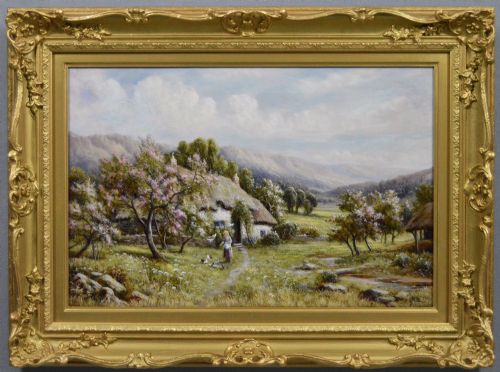
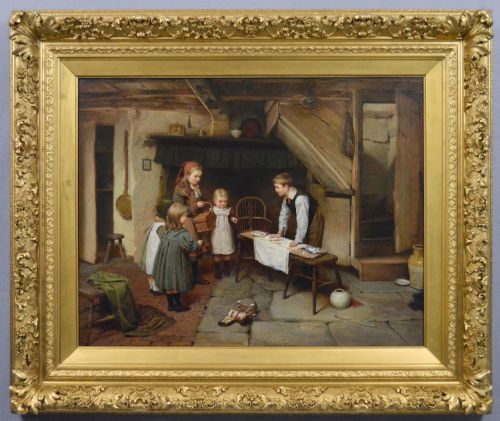
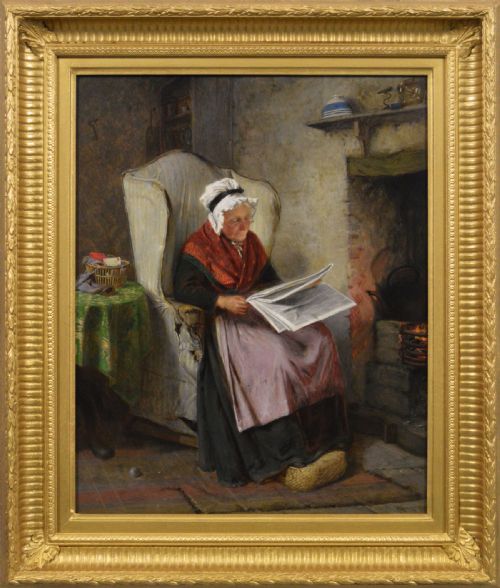
These 19th century cottage painting works capture rural domestic life and idyllic countryside scenes that bring historical warmth to any room.
19th Century Cottage Painting
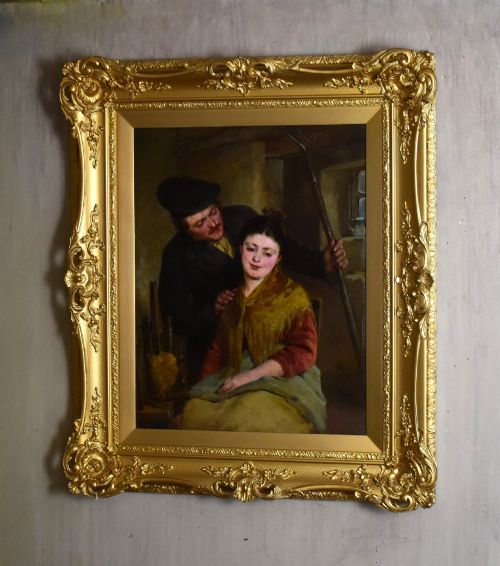
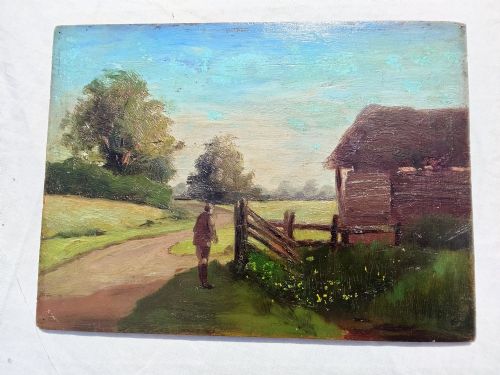
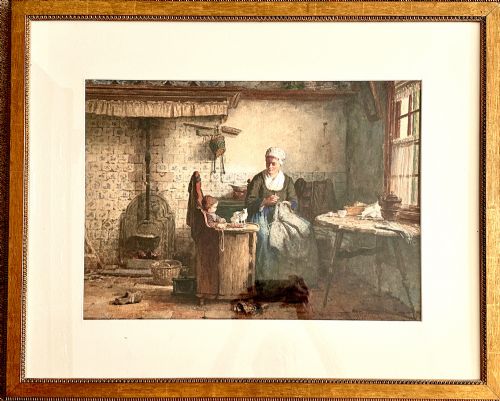
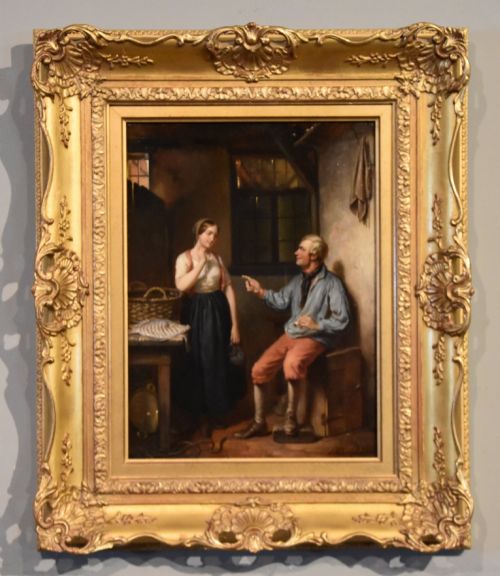
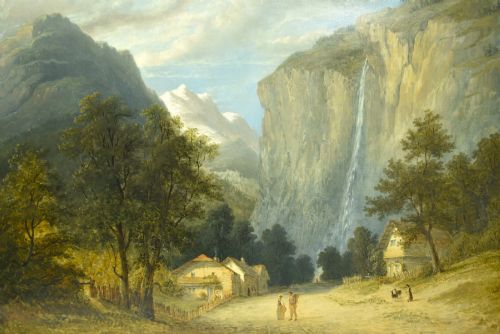
The aesthetic bridges Victorian landscape painting and British Impressionism, recording vernacular architecture before rapid industrialisation. Smaller watercolours sit alongside substantial oil paintings in gilt frames, representing both named professionals and the competent output of the English and continental schools.
How They Were Made
Artists of this era applied oil paint or watercolour onto prepared supports such as woven canvas, wooden panels, or heavy rag paper. Canvases were stretched over wooden frames and frequently coated with gesso grounds before receiving pigment, whilst watercolours relied on the luminosity of white paper showing through transparent washes.
Finished works found their homes inside decorative wooden frames, often gilded, which protected the edges and complemented the domestic nature of the subject matter.
Ducks, geese, and tethered ponies frequently wander into the foreground of these rural retreats.
What Varies in Quality
Quality rests upon the artist's handling of light, atmospheric perspective, and narrative detail within the cottage setting. Superior examples display confident brushwork and precise draughtsmanship that bring depth to figures and foliage, whereas lesser works rely on formulaic compositions and rigid lines.
The preservation of the original surface, stability of the panel or canvas, and the appropriateness of the period frame also dictate the standing of an individual piece.
John McDougal·Robert John Hammond·Howard Helmick·Harry Brooker·James Kyd·Arthur Tucker·George Smith·William Greaves·Charles Vickers·Robert Finley McIntyre·Helena Maguire·Linnie Watt·Ralph Hedley·Harry Sylvester Stannard·Henry Charles Fox·Will Anderson·John Falconar Slater·Abraham Hulk Junior·David Woodlock
The 19th Century Cottage Painting Glossary
- Watercolour
- A painting method where fine pigments are suspended in a water-soluble binder on paper. It allows for translucent washes of colour that capture subtle shifts in light and weather.
- Genre painting
- Artwork depicting scenes from everyday life, typically involving ordinary people engaged in common activities. In this context, it frequently shows families or labourers outside rural cottages.
- Gesso
- A traditional paint mixture consisting of a neutral binder mixed with chalk, gypsum, or pigment. It was applied to wood panels or canvas to create a smooth surface for oil painting.
- Oil on canvas
- Pigments bound in drying oils applied directly to stretched woven fabric. This medium permitted rich colour saturation and gradual blending of tones.
19th Century Cottage Painting: Frequently Asked Questions
What subjects appear in these paintings?
The artworks primarily depict rural cottages, farmsteads, and country landscapes populated by figures, children, or livestock. Scenes often capture daily domestic tasks such as feeding animals or working near rivers and streams.
Artists drew inspiration from specific regions across Britain, Ireland, and continental Europe, recording traditional architecture and rural communities during the nineteenth century.
How do I care for a watercolour?
Watercolours require protection from direct sunlight to prevent the pigments and paper from fading over time. Displaying them away from moisture sources keeps the paper stable and prevents foxing.
Glazing with appropriate glass and maintaining stable indoor humidity levels help preserve both the paper support and the surrounding period frame.
Are these works signed by the artists?
Many pieces feature visible signatures or monograms applied by the painter, whilst others remain attributed to specific schools based on style and technique. Signed examples often link directly to recorded exhibition histories and professional artists of the era.
Unsigned works are typically catalogued by their period and national school, reflecting the broad output of nineteenth-century painters.
How are oil paintings on panel different from canvas?
Wood panels provide a rigid and stable support that prevents the flexing and cracking sometimes found on older woven canvases. Painters working on panel could achieve smooth, detailed brushwork suitable for intimate interior and cottage scenes.
These wooden supports were commonly prepared with gesso grounds before receiving layers of oil paint.