


19th Century Copper Platter
These 19th century copper platter examples bring heavy metal work and enamel artistry straight to your table.
19th Century Copper Platter
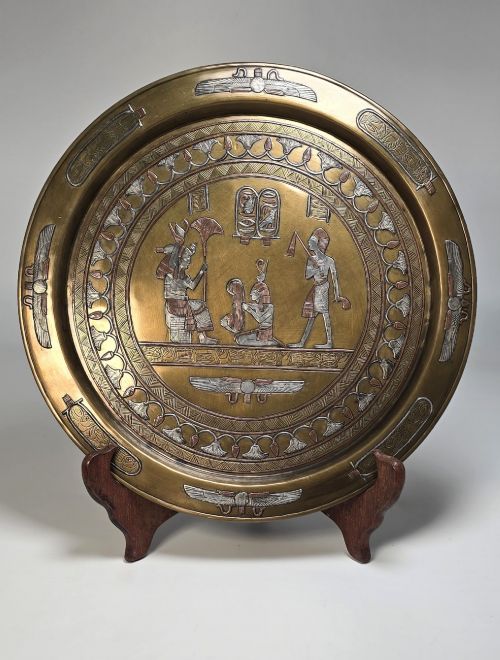
A 19th century copper platter covers everything from robust Victorian serving trays to intricate Japanese Meiji period decorative chargers. Buyers hunting for these pieces find a broad mix of utilitarian serving ware and highly ornate wall plaques designed purely for display. The selection spans distinct aesthetic movements, including Egyptian Revival, Neoclassical, and Renaissance Revival designs alongside Asian import wares.
Most items you encounter lean heavily towards decorative chargers, large trays, and wall plaques rather than plain kitchen plates. You will regularly find pieces incorporating brass, silver, and cloisonne enamel alongside the primary copper base. This creates a rich variety of textures and visual motifs that suit both traditional and eclectic interiors.
Materials and construction techniques
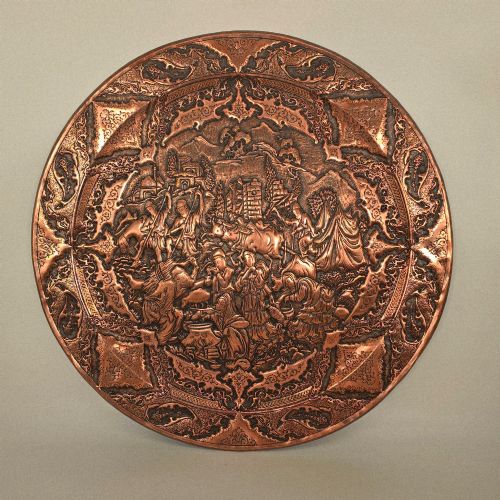
Makers built these pieces primarily from hammered or sheet copper, frequently augmenting the surface with repousse work, chasing, or applied silver and brass wire. Repousse techniques push the metal from the back to create raised relief patterns on the front, visible on pictorial plaques and ceremonial shields. Other pieces rely on heavy silver plating over a copper core, uniting durability with a polished finish.
Japanese export workshops applied vibrant vitreous and cloisonne enamels directly onto copper foundations, wiring complex scenes of dragons, koi, and phoenixes by hand. In European workshops, artisans utilised silver inlay and brass mounts to contrast against dark patinated copper surfaces. These varied methods ensure every surviving example displays distinct physical characteristics from its period.
Materials across the recorded pieces include copper, brass, cloisonne enamel, silver plate, and vitreous enamel.
Assessing quality in period metalwork
Quality depends heavily on the crispness of the chasing or repousse work and the precision of the applied wire in enamelled pieces. Finer examples display deep, controlled relief without excessive thinning of the metal plate, while inferior items show shallow or muddy stamping. Signed pieces and those retaining intricate multi-coloured enamel work or complex silver inlay naturally stand apart.
The integrity of the underlying metal and the finish of any applied plating or patination dictate the overall standard of the object. Heavier gauges of copper resist warping and hold structural details better over decades of handling. Surviving original surface treatments without heavy modern intervention separate superior survivals from compromised items.
The 19th Century Copper Platter Glossary
- Repousse
- A metalworking technique where the artisan hammers the metal from the reverse side to form a raised design in relief on the front. This method creates tactile depth on decorative chargers and shields.
- Cloisonne Enamel
- A decorative process using thin metal wires soldered to a copper base to create cells, which are then filled with coloured enamel paste and fired. Japanese Meiji period examples showcase extreme mastery of this craft.
- Grand Tour
- A cultural journey undertaken by wealthy Europeans in the 19th century, resulting in souvenirs such as Egyptian Revival Cairo ware inlaid metalwork. These items reflect a fascination with classical and exotic civilisations.
- Old Sheffield Plate
- A composite material made by fusing a thin sheet of silver to a thicker copper ingot, rolled together under heat. This predates modern electroplating and appears on early 19th century serving trays.
- Charger
- A large decorative plate or platter used primarily for display on walls or sideboards rather than for serving food. Many 19th century copper and enamel examples fall into this category.
19th Century Copper Platter: Frequently Asked Questions
How do I clean a copper platter?
Historic copper surfaces generally benefit from minimal intervention to preserve their age-related patina and any original protective layers. Avoid harsh abrasive cleaners that strip away historical surface character.
Dust gently with a soft dry cloth and consult a specialist if tarnish removal is strictly necessary. Aggressive polishing can ruin silver plating or damage fragile enamel and inlay work.
Can I use these for food service?
Most antique pieces function best as decorative objects, wall displays, or dry service trays rather than everyday tableware. Many period metal items lack food-safe modern linings or contain base metals that react with acidic foods.
Examine the surface for old silver plating wear, exposed base metals, or enamel repairs before considering any culinary use. Displaying them on walls or tables keeps the physical structure safe.
What is Cairo Ware?
Cairo Ware refers to metalwork produced in Egypt during the 19th century, often associated with the European Grand Tour market. These pieces typically feature contrasting silver and copper inlay in geometric or Islamic revival patterns.
They represent a specific cross-cultural exchange popular among Victorian collectors. Their distinct fabrication sets them apart from domestic British copper items.
How do I date a copper tray?
Dating relies on stylistic clues, manufacturing marks, and the specific material combinations used by period workshops. Victorian pieces often lean towards heavy cast mounts and classical revival motifs, while later decades saw Japanese export enamels.
Signatures, stamps, and construction seams also provide reliable chronological markers. Comparing the piece to documented examples helps narrow down the decade of production.