


19th Century Condiment Set
A 19th century condiment set brings the charm of the Victorian dining table to life with silver, glass, and wood.
19th Century Condiment Set
When you search for a 19th century condiment set, you are looking at cruet sets, condiment stands, and mustard pots designed to hold table seasonings. These pieces come in various forms, including turn-of-the-century silver plate, sterling silver, cut glass, and turned wood.
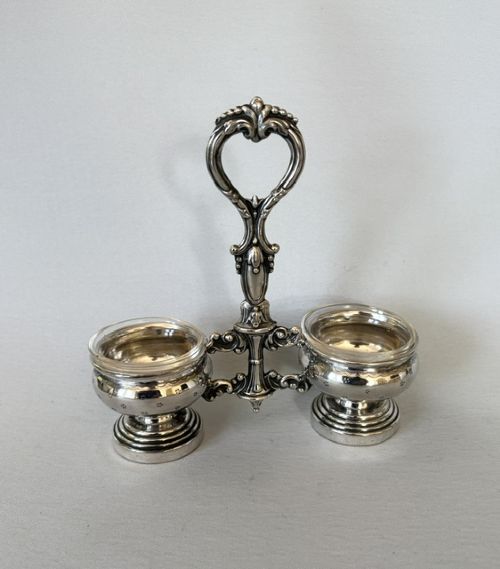
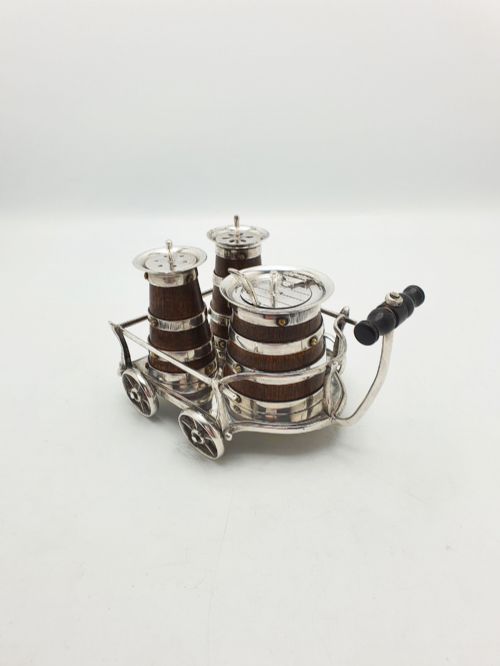
The versions you are most likely to meet on this page span the Victorian era, ranging from French silver double condiment stands to oak barrel cruet sets. Makers utilised materials like sterling silver, silver plate, glass, and oak to create both formal table cruets and playful novelty items.
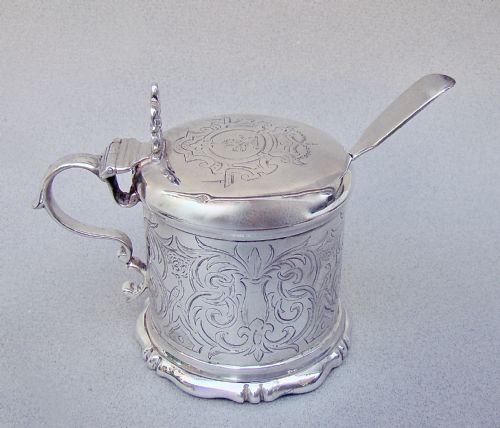
Objects vary from traditional six-bottle silver plated cruet sets to individual mustard pots, spice towers, and figural novelties. The collection includes diverse styles such as French Rococo, Victorian Novelty, Black Forest, and Regency.
How They Were Made
Silversmiths and manufacturers shaped sterling silver and silver plate into frames and mounts, frequently pairing them with cut glass bottles and jars. Metalwork techniques involved casting, plating, and detailed chasing, particularly visible on pieces from London silversmiths.
Woodworkers turned oak and other timbers to produce treen items like four-tier spice towers and Black Forest bear condiment figures. Glassmakers blew and cut cruet bottles to fit securely into metal stands and frames.
Listings feature materials spanning sterling silver, silver plate, cut glass, oak, and turned wood across the Victorian period.
What Varies in Quality
Quality in a 19th century condiment set depends on the weight and purity of the metal, alongside the clarity and condition of the cut glass inserts. Pieces by documented makers exhibit superior crispness in their chased decoration and robust construction of handles and frames.
The integrity of wooden elements, such as turned oak barrels and treen spice towers, separates standard production from finer craftsmanship. Complete sets retaining their original matching bottles command greater interest than those assembled later with mismatched glass.
Charles & George Fox·Mappin Brothers·Wade Wingfield Wilkins·Coalport Porcelain
The 19th Century Condiment Set Glossary
- Cruet Set
- A stand holding glass bottles or cruets for oil, vinegar, mustard, and other condiments at the dining table. These sets typically feature a central carrying handle.
- Treen
- Small handmade wooden objects created by turning on a lathe, such as spice towers and small containers. This term derives from the old English word for tree.
- Silver Plate
- A base metal, often copper or white metal, coated with a thin layer of silver through electroplating or older processes. This technique allowed makers to achieve the look of solid silver at a lower cost.
- Novelty
- An object shaped into an amusing or unusual form, such as a bear or baby peppers, designed to entertain guests. These functional items combine utility with whimsical design.
- Spirits
- Liquid containers or condiment bottles fitted with stoppers, often housed within a larger stand.
19th Century Condiment Set: Frequently Asked Questions
What is a bachelor cruet set?
A bachelor cruet set is a smaller version of a standard dining table cruet, designed for single households or smaller dining spaces. These compact pieces typically hold fewer bottles than larger family sets.
They offer the same silver plate or sterling silver quality in a more portable format, making them popular with collectors today.
How do I date a silver plated cruet?
Dating a silver plated piece relies on hallmarks, registration marks, and stylistic clues from the Victorian era. Manufacturers often stamped registry numbers that indicate the exact year a design was patented.
Design styles also shift from Regency influences through to heavy Victorian Rococo and novelty pieces by the end of the century.
Are novelty condiment pots rare?
Novelty condiment pots shaped as animals or figures were produced in smaller quantities than standard bottles and stands. Their whimsical nature made them subject to heavier use and potential loss of parts over time.
Finding them intact with original lids or spoons adds to their appeal for collectors of Victorian curiosities.
Can I use antique glass bottles?
Antique glass bottles can still be utilised for serving oils, vinegars, and condiments provided they are cleaned thoroughly. Care should be taken with hand-washing to preserve the cut glass and any silver collars.
Many collectors prefer to display these sets as decorative objects rather than for daily dining use.