
19th Century Colonial Table
When you search for a 19th century colonial table, you encounter heavy hardwoods and intricate regional carving shaped by European tastes meeting overseas craftsmanship.
19th Century Colonial Table
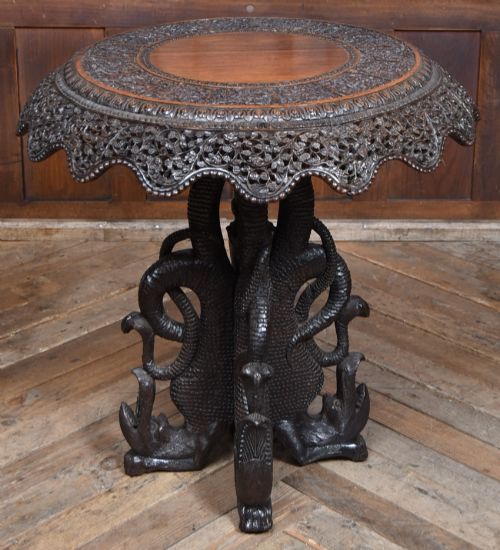
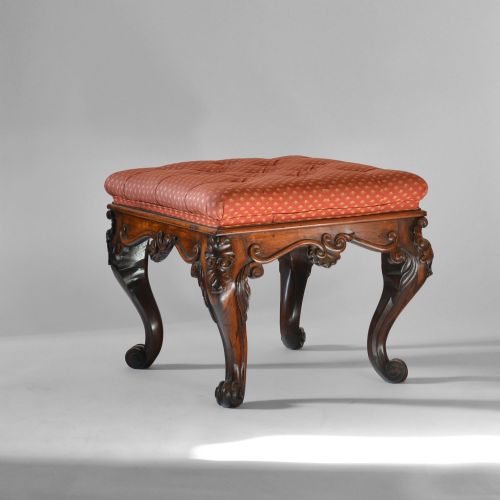
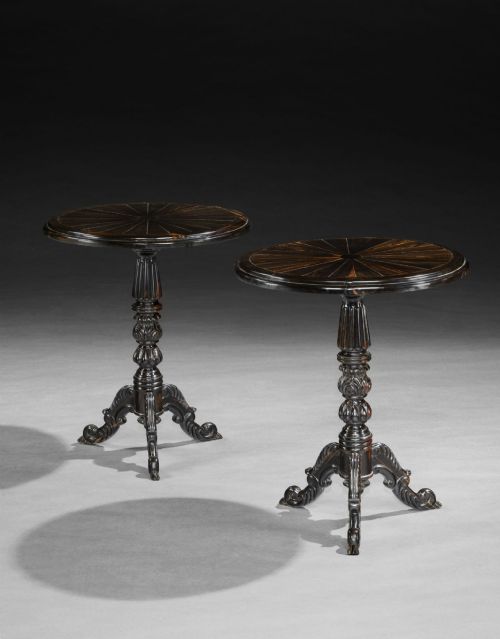
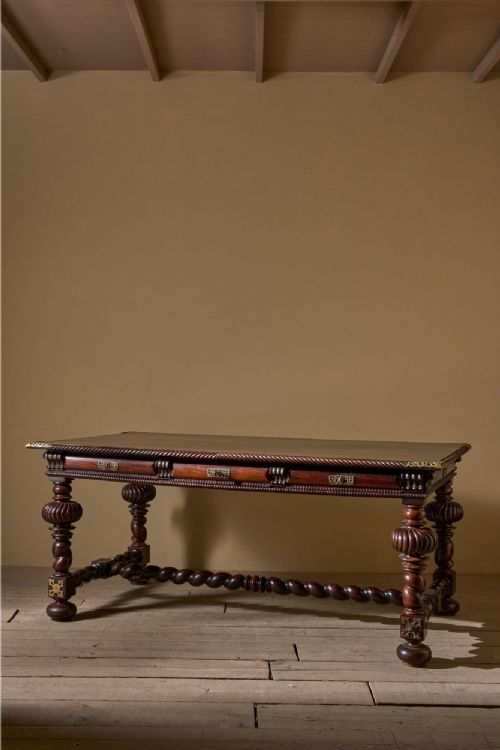
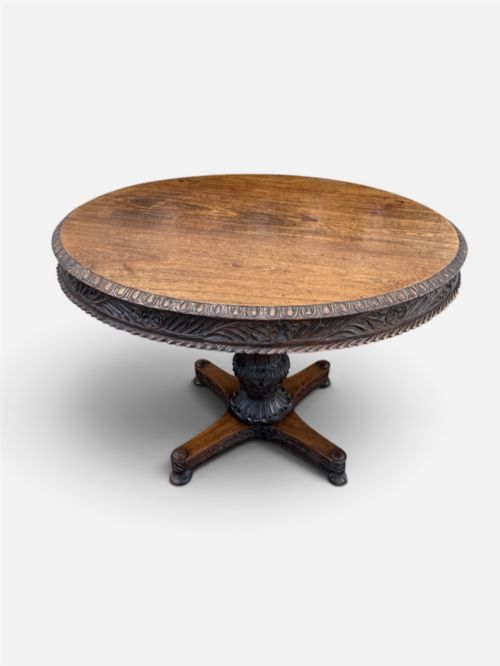
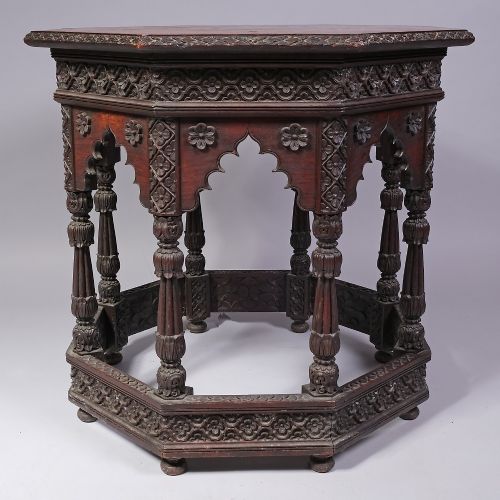
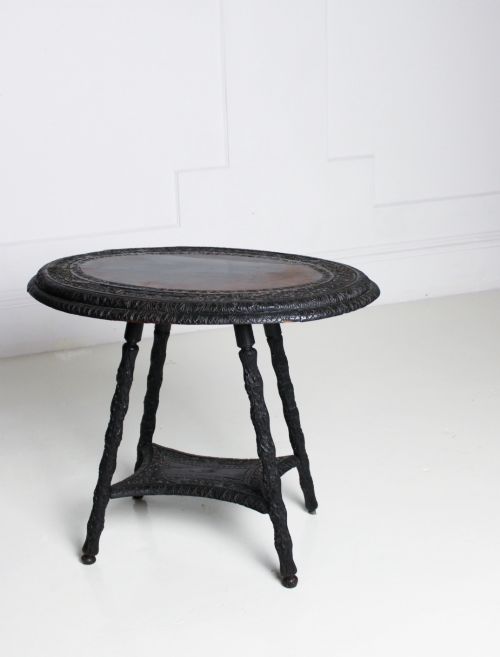
A 19th century colonial table spans functional forms such as side tables, occasional tables, desks, centre tables, and console tables created across various British, Portuguese, and Spanish territories. The most frequent examples appearing here are Anglo-Indian occasional and centre tables, alongside Burmese and Ceylonese productions from the Victorian era.
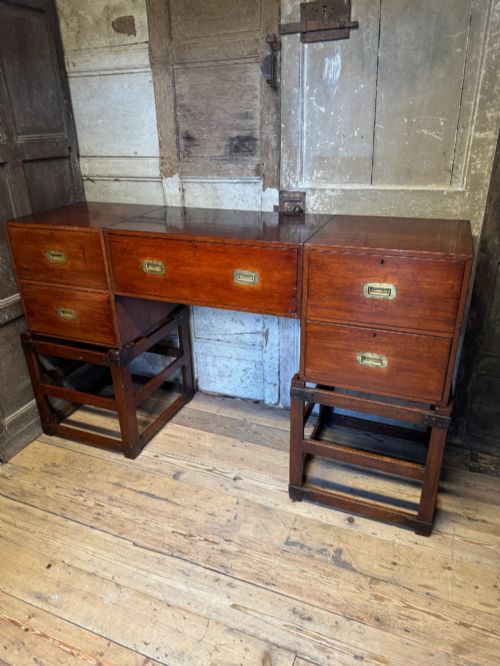
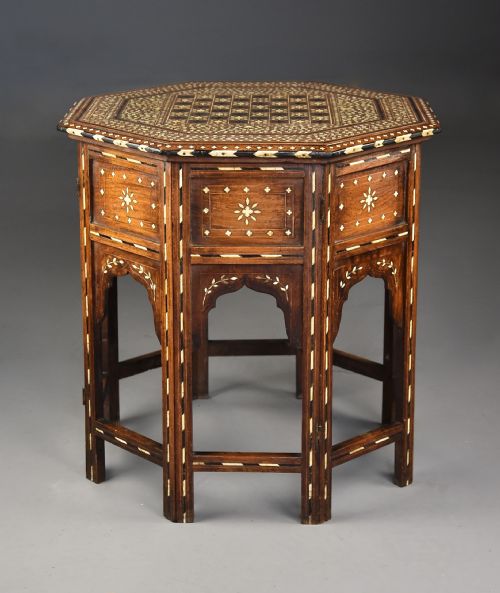
Makers adapted traditional domestic furniture types to tropical timbers and colonial requirements, resulting in distinctive regional sub-styles like Hoshiarpur inlaid pieces, Bombay presidency elephant tables, and campaign furniture designed for portability.
Materials and Construction
These items are constructed from dense tropical hardwoods including teak, rosewood, padouk, ebony, and camphor wood, frequently paired with secondary timbers. Construction methods range from rigid pegged joints to collapsible campaign frameworks designed to withstand long voyages.
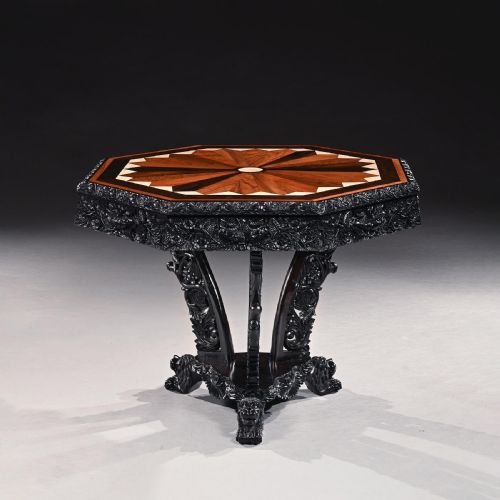
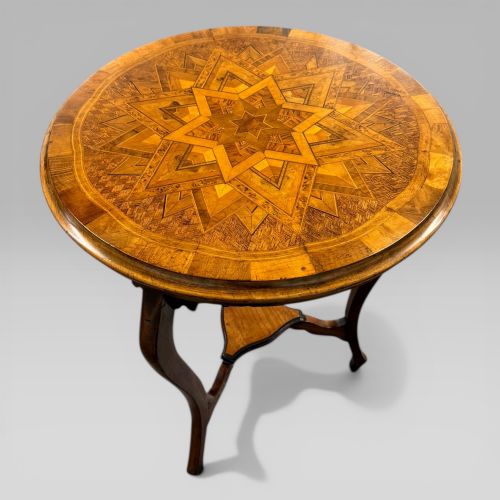
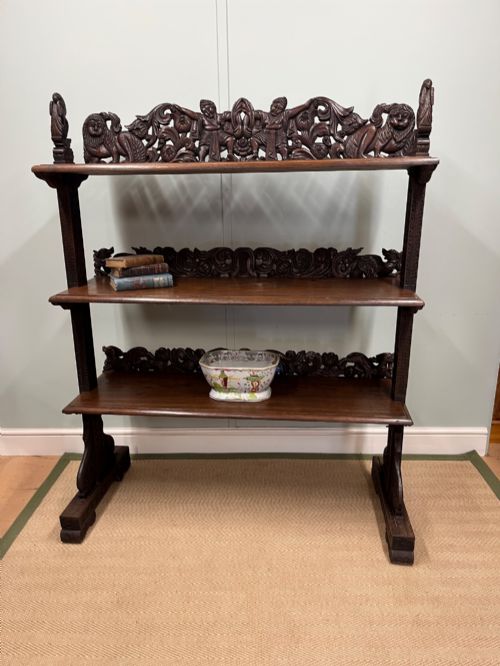
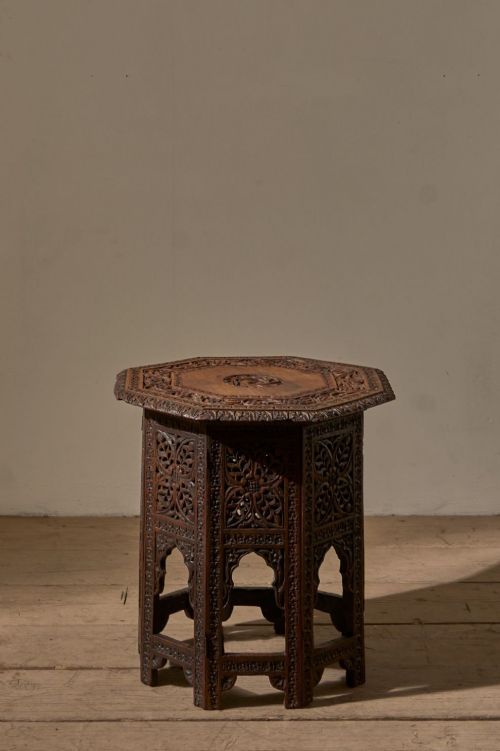
Surface ornamentation relies heavily on deep relief carving depicting foliage and figures, alongside bone, ivory, and mother-of-pearl inlay, as well as multi-wood specimen marquetry.
Listings feature teak, rosewood, padouk, ebony, and camphor wood across various occasional, centre, and console table forms.
Standard and Execution
Quality separates by the crispness of the hand-carved detail and the stability of the timber selection. Pieces displaying deep, sharply defined foliage and animal motifs without distortion represent superior craftsmanship.
The precision of geometric bone inlay or multi-wood specimen marquetry determines the distinction between standard utilitarian items and masterworks produced in specialist regional workshops.
Anton Seuffert
The 19th Century Colonial Table Glossary
- Campaign furniture
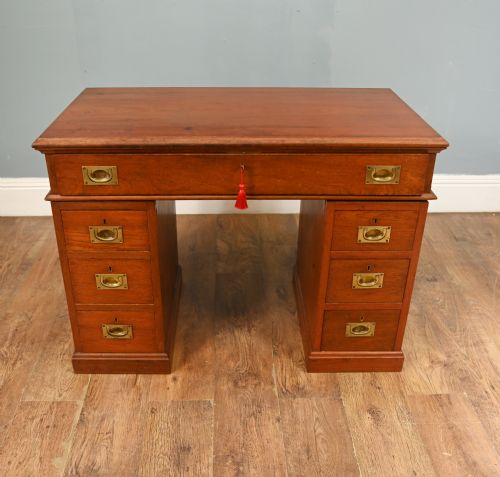
- Portable pieces made for military officers and travellers, typically featuring brass corners, recessed handles, and folding or dismantling structures.
- Marquetry
- Decorative veneer work arranged in geometrical or pictorial patterns using various coloured woods.
- Specimen wood
- Furniture constructed from a multitude of different native and exotic timber samples, often collected and catalogued in colonial regions.
- Tilt top
- A table top hinged on a central pedestal allowing it to tilt vertically into a space-saving position when not in use.
- Teapoy
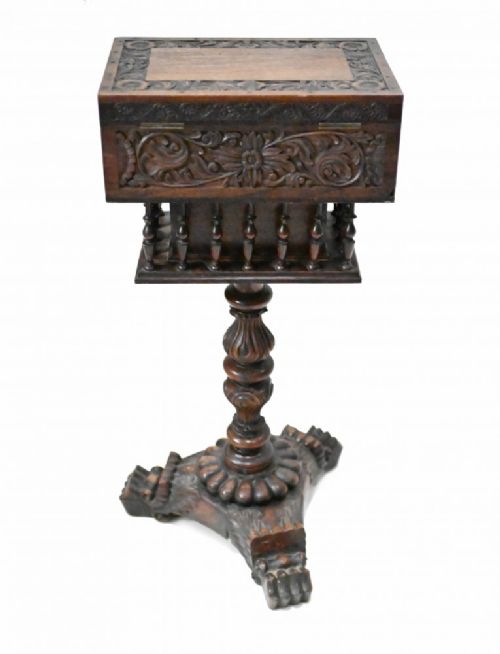
- A small occasional table or tea caddy stand originating from India, often featuring a fitted interior for storing tea containers.
19th Century Colonial Table: Frequently Asked Questions
What is a colonial table?
A colonial table is a piece of furniture made during the nineteenth century in European overseas territories, combining European furniture forms with local timbers and craftsmanship.
These pieces reflect the exchange of design ideas between Britain, Portugal, Spain, and regions such as India, Ceylon, Burma, and New Zealand.
How do I identify Anglo-Indian furniture?
Anglo-Indian furniture is identified by its use of dense tropical hardwoods like padouk, rosewood, and teak, combined with deep relief carving.
Common motifs include dense foliage, scrolling vines, and animal figures such as elephants, often applied to occasional tables, desks, and console tables.
Were these tables meant for travel?
Some nineteenth-century colonial tables were specifically designed for travel, categorised as campaign furniture with folding bases or detachable components.
Other forms, such as heavy centre tables, console tables, and large sideboards, were stationary items built for permanent colonial residences.
How should I care for a hardwood table?
Hardwood tables require stable indoor humidity levels to prevent the dense timbers from splitting or the intricate carved elements from drying out.
Regular dusting with a dry cloth and occasional application of appropriate furniture wax preserves the natural grain of rosewood, teak, and padouk.