


19th Century Cloisonne Urn
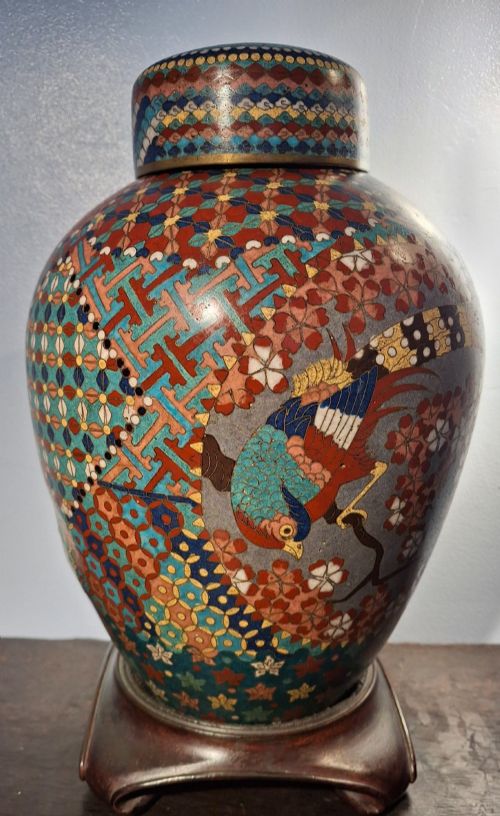
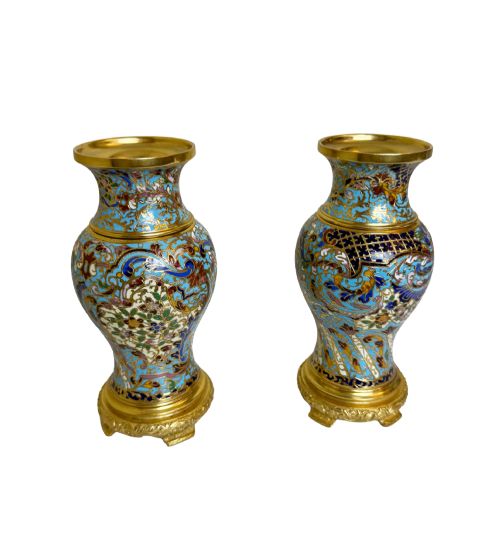
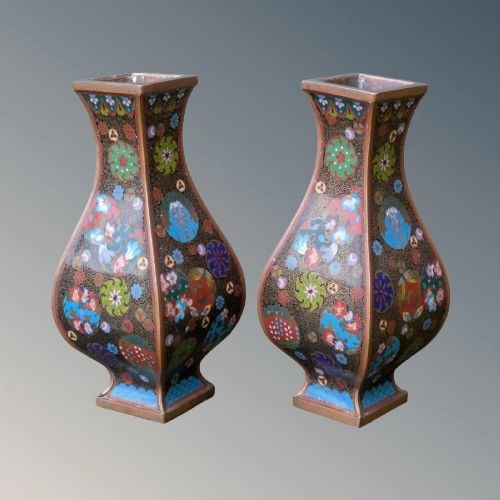
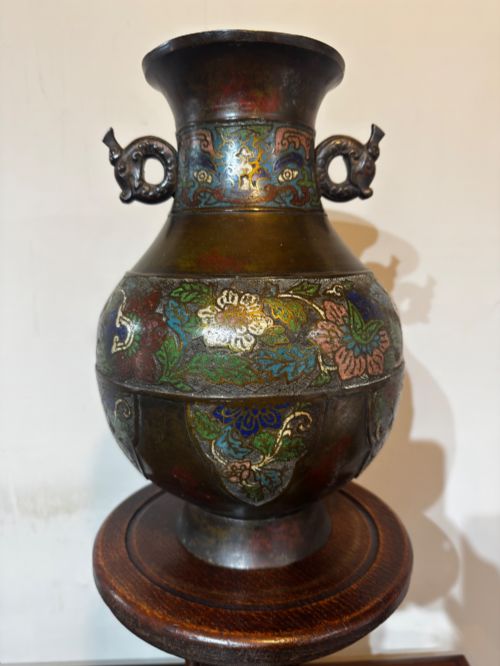
A 19th century cloisonne urn combines intricate metal wirework and vibrant enamel, offering an imposing decorative focal point for any interior.
19th Century Cloisonne Urn
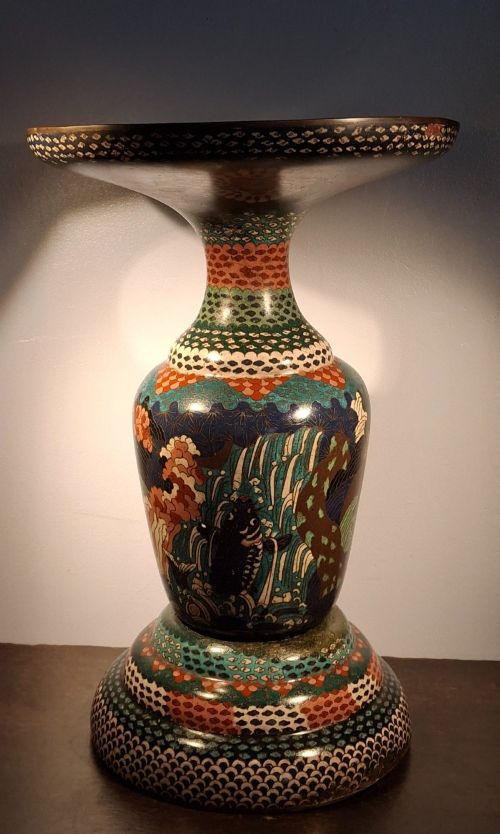
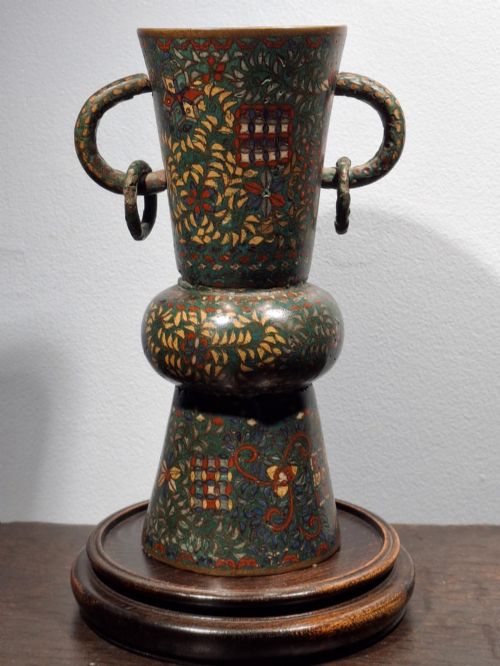
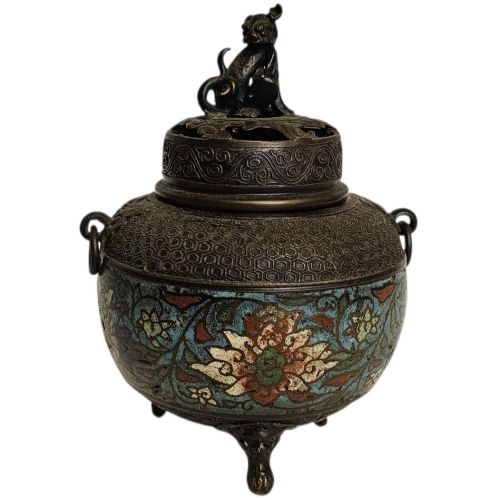
A 19th century cloisonne urn encompasses large palace vases, temple water dispensers, jars, censers, and jardinieres originating from Japanese Meiji, Edo, and Chinese Qing contexts. These vessels arrive in forms ranging from monumental palace vases to miniature ritual vessels, displaying elaborate motifs of koi, dragons, and phoenixes.
Japanese Meiji and Edo examples frequently employ delicate wire techniques on copper or bronze bodies, whereas Chinese Qing output tends toward robust bronze tripod censers and heavy bowls. French interpretations also appear, demonstrating the global reach of enamelling traditions during this century.
Buyers meet varied vessel types, with decorative vases and covered jars dominating the selection alongside occasional table lamps and sugar bowls. The scale stretches from intimate cabinet pieces to towering temple containers exceeding ninety centimetres.
How they were made
Craftsmen soldered thin metal wires of copper, brass, or bronze onto metal bases to form raised cellular compartments known as cloisons. These individual cells were subsequently packed with coloured enamel paste before being fired in a kiln.
Once fired and cooled, the surface underwent meticulous grinding and polishing to level the enamel with the metal wire framework. Gilt bronze mounts and feet were often added to finished bodies to complete the decorative structure.
Objects recorded span Japanese Meiji and Edo periods alongside Chinese Qing dynasty aesthetics and French enamelling traditions.
What varies in quality
Quality rests upon the precision of the wirework and the density of the enamel fill within each compartment. Finer examples display microscopic cell division forming complex pictorial scenes of birds, koi, and foliage without distortion.
The weight and finish of the underlying metal body, whether bronze, copper, or brass, dictate the structural integrity and tactile presence of the vessel. Superior pieces maintain uniform polish across the entire surface, harmonising the metal outlines with the surrounding enamel hues.
The 19th Century Cloisonne Urn Glossary
- Cloisonne enamel
- A decorative metalwork technique where flat metal wire is soldered to a base to create cells filled with enamel paste. These cells form intricate patterns and pictorial designs across the vessel body.
- Champleve
- An enamelling method where troughs or hollows are gouged directly into a thick metal surface to receive the enamel. This technique differs from wire-based cloisonne by carving the design into the metal plate.
- Totai Shippo
- A Japanese translucent cloisonne variant where the enamel is applied without a solid metal backing, creating a translucent wire mesh effect similar to stained glass. This method requires exceptional control during the firing process.
- Censer
- A ritual vessel designed for burning incense, typically featuring a tripod base and a perforated cover. These objects hold a central place in domestic and temple settings.
- Jardiniere
- A large ornamental pot or bowl used to house plants or floral arrangements. They frequently match the scale and decorative themes of palace vases.
19th Century Cloisonne Urn: Frequently Asked Questions
How do I clean a cloisonne urn?
Dust the surface gently with a soft, dry microfibre cloth to remove accumulated particles without abrading the delicate wire boundaries. Avoid chemical cleaning agents and water immersion, as moisture can penetrate hairline fractures in the enamel or corrode the underlying metal base.
Keep the vessel away from direct sunlight and fluctuating humidity to preserve the stability of the enamel paste and the lustre of the gilt bronze mounts. Professional conservation is advised if structural cleaning becomes necessary.
How are Japanese and Chinese pieces told apart?
Japanese Meiji and Edo pieces often favour naturalistic subjects like koi fish, birds, and intricate floral mosaics executed with extraordinarily fine wirework. Chinese Qing items generally utilise heavier bronze foundations, featuring archaic motifs, qilin lions, and robust tripod forms.
The colour palettes also offer clues, with Japanese workshops frequently employing muted or shaded enamels to create pictorial depth, while Chinese production often leans towards vibrant turquoise and deep blue grounds.
Were these urns used outdoors?
Most surviving large vessels and temple dispensers served interior ceremonial or decorative functions within palaces, temples, and wealthy residences. Jardinieres were manufactured to hold potted plants indoors rather than garden soil.
Exposing these delicate enamel and wire surfaces to outdoor weather conditions would rapidly degrade the metal foundations and discolour the vitreous pastes.