



19th Century Church Panel
These pieces of 19th century church panel bring architectural character and historical depth into domestic interiors.
19th Century Church Panel
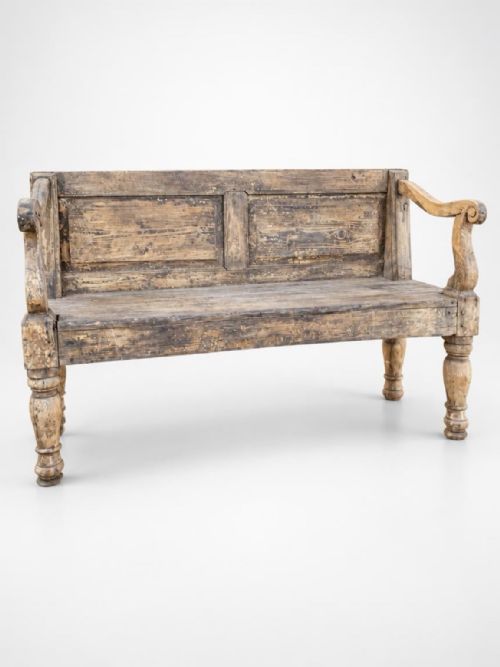
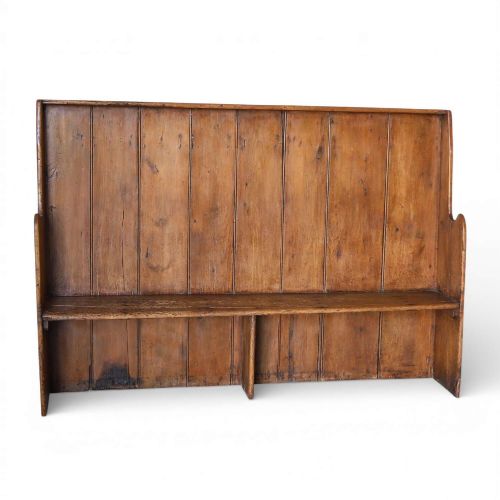
A 19th century church panel encompasses architectural salvage and furnishings removed from religious buildings during renovations or demolition. The pieces on this page typically take the form of carved oak pew ends, tracery panels, ceiling bosses, and decorative wall sections.
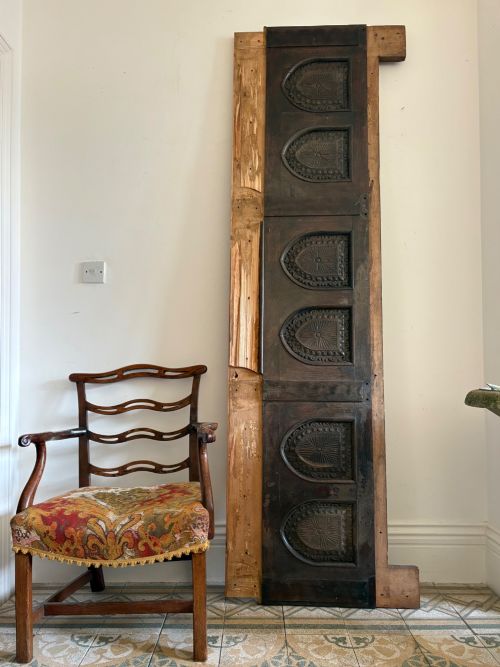
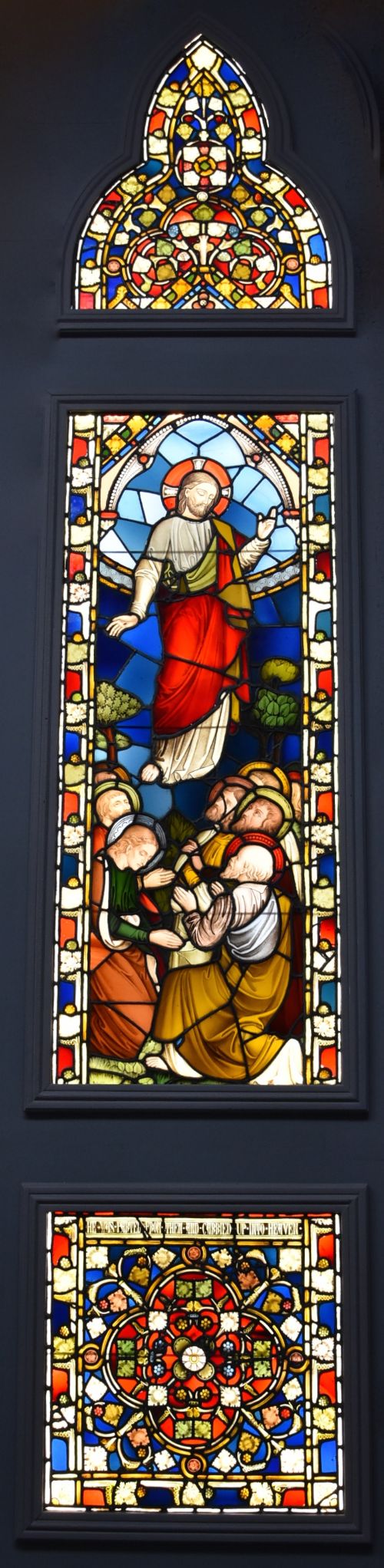
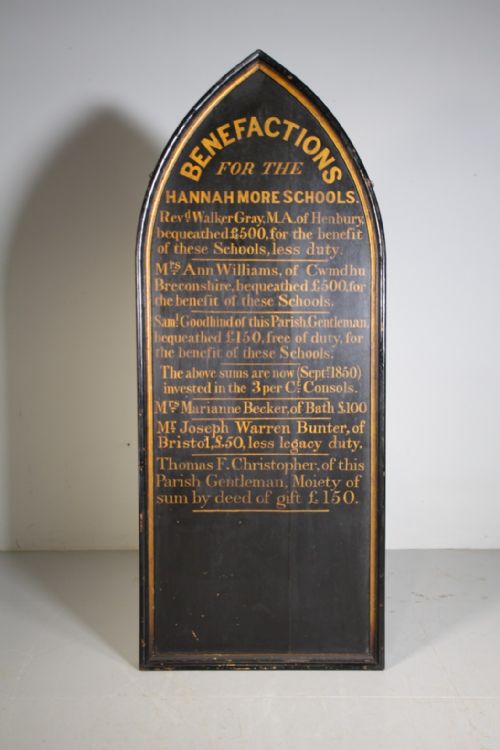
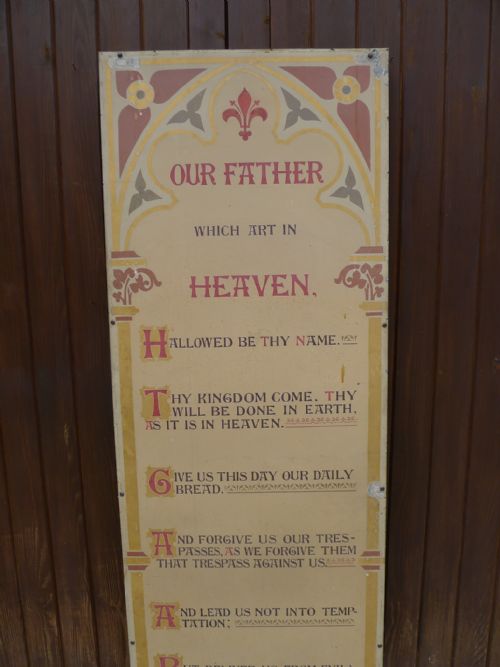
Most examples originate from the Victorian period and display Gothic Revival styles. Common variations include pierced carvings of Tudor roses, poppy heads, and sacred hearts, alongside stained glass and painted wood signage.
Buyers select these items to anchor a room with ecclesiastical presence or to repurpose functional woodwork as architectural wall art. The selection bridges utilitarian church furnishings and ornamental woodwork.
Materials and construction methods
Makers predominantly utilised solid oak and pine as the structural foundation for these architectural elements. Woodworkers shaped the material through hand carving, piercing, and joining techniques suited to heavy ecclesiastical use.
Surface decoration frequently incorporated gold leaf, egg tempera, and painted details applied directly to the wood or integrated with stained glass and lead. These traditional finishes highlight the grain and accentuate intricate tracery patterns.
19th Century Church Panel Retail Price Guide 2026
Typical asking prices for 19th century church panel among the pieces listed under this phrase on Sellingantiques today, from the lower quarter to the upper quarter. They describe what is for sale here now, not the wider market.
Listings feature oak and pine items from the Victorian period alongside Gothic Revival and English Country styles.
Distinctions in craftsmanship and preservation
Quality rests upon the depth and precision of the hand carving, particularly in complex motifs such as tracery, mythical beasts, and religious iconography. Superior examples maintain crisp edges and original surface patination without excessive modern intervention.
The integrity of the timber and the retention of original gilding, paint, or stained glass distinguish higher tier pieces. Structural completeness in elements like pew ends or ceiling bosses determines the historical fidelity of the item.
The 19th Century Church Panel Glossary
- Tracery
- Openwork ornamentation in stone or wood, typically consisting of intersecting ribwork. This technique characterises the upper sections of Gothic windows and panels.
- Poppy head
- An ornamental finial carved on the top of a bench end or pew end in a church. It often takes a leaf or floral shape.
- Ceiling boss
- A decorative knob or projection placed at the intersection of vaulting ribs. These architectural elements frequently appear as carved wooden panels in this category.
- Pew end
- The visible side panel of a church bench, often carved with tracery or religious symbols. These pieces formed the structural termination of congregational seating.
19th Century Church Panel: Frequently Asked Questions
How were church panels used originally?
These elements served structural and decorative roles within religious architecture, forming parts of pews, screens, ceilings, and altars. They defined sacred spaces and provided durable furnishings for congregations.
Craftsmen designed them to withstand heavy communal use while displaying theological narratives and architectural styles of the period.
How do I hang a heavy wooden panel?
Securing these substantial pieces requires fastening directly into wall studs or masonry using appropriate weight bearing brackets. Professional installation ensures the woodwork remains stable without sustaining damage.
Consulting a specialist helps determine the safest mounting method based on the dimensions and weight of the specific item.
Can I install stained glass panels in a home window?
Stained glass sections adapt well to interior placement where backlighting can pass through the coloured glass and lead work. They function effectively as decorative wall hangings or fitted architectural inserts.
Protecting the glass from exterior environmental pressures preserves the lead came and fragile painted details.
How do I care for antique painted wood?
Maintaining painted wood surfaces involves dusting gently with a dry, soft cloth and avoiding chemical cleaners or excessive moisture. Stable indoor humidity prevents the paint and underlying timber from cracking or flaking.
Preserving the original patina requires minimal intervention and protection from direct sunlight.
What is a tin tabernacle?
A tin tabernacle is a prefabricated corrugated iron church constructed during the nineteenth century to serve rapidly growing communities. These buildings often contained simpler furnishings and illuminated religious texts.
Salvage from these structures preserves a specific aspect of Victorian ecclesiastical history.