
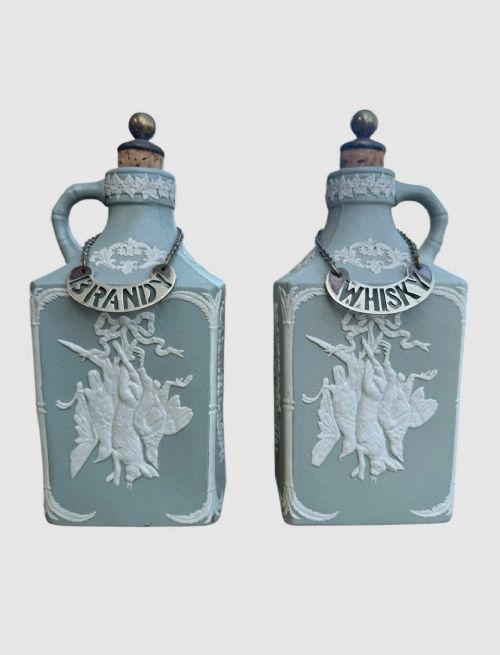


19th Century Ceramic Bottle
A 19th century ceramic bottle encompasses a diverse array of small containers, scent flasks, and utilitarian vessels shaped by distinct period aesthetics.
19th Century Ceramic Bottle
When you search for a 19th century ceramic bottle, you encounter a varied selection spanning utilitarian stoneware flasks, delicate porcelain snuff bottles, and decorative vases from European and Asian workshops.
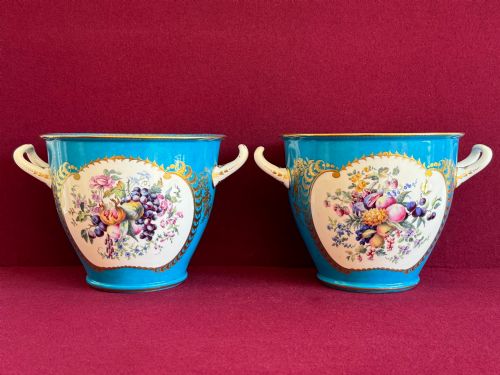
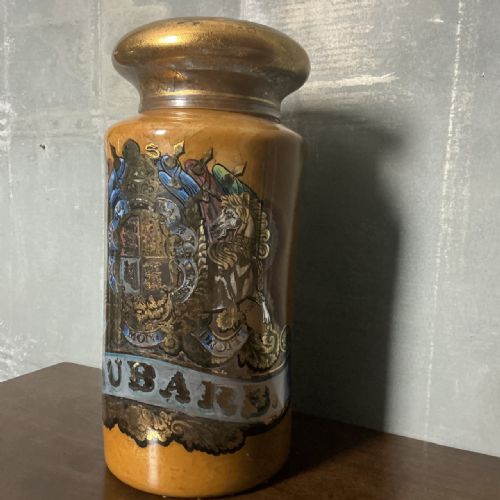
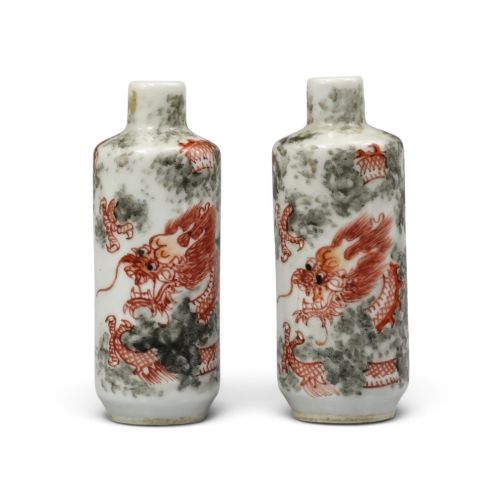
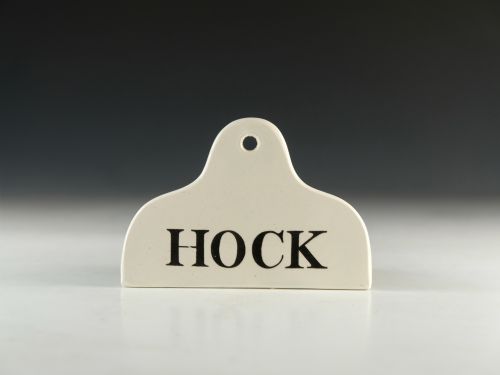
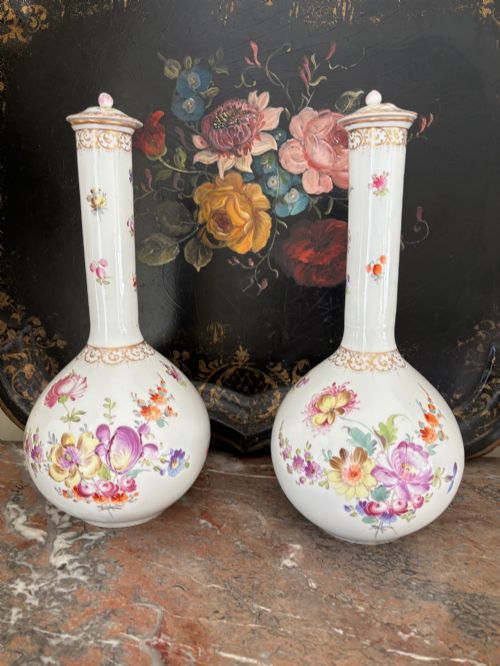
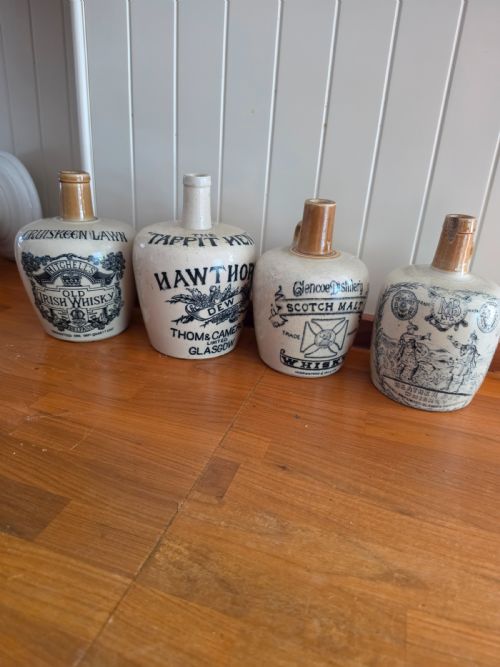
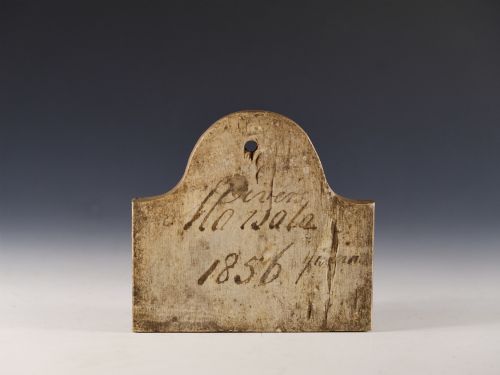
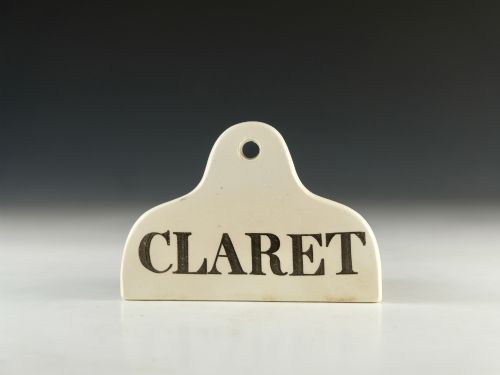
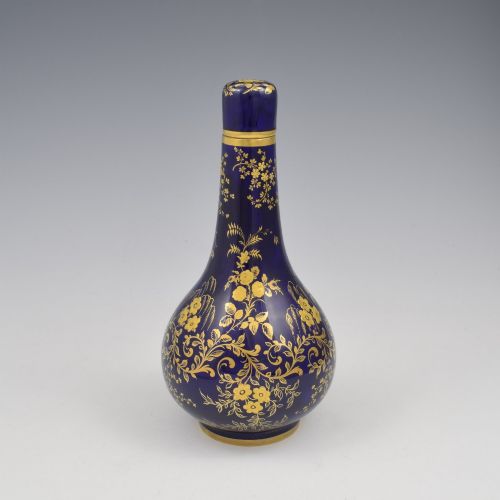
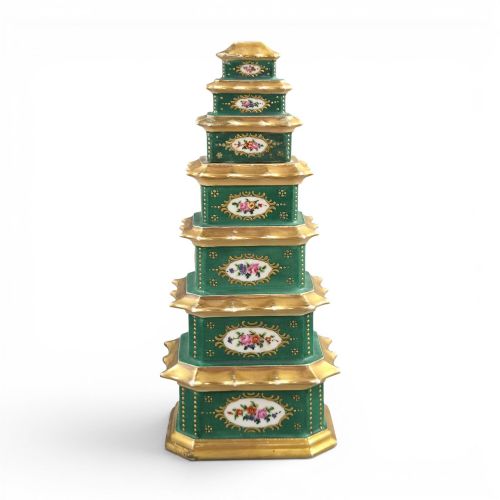
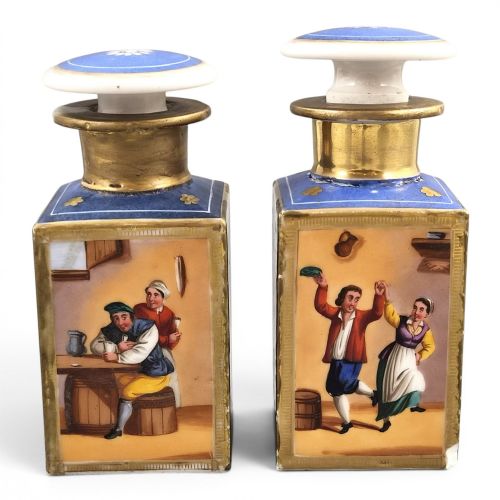
The pieces appearing on this page range from English advertising flagons and wine cellar bin labels to French porcelain perfume bottles and Chinese Qing Dynasty celadon or famille rose vessels.
Victorian examples sit alongside Regency creations, showing how potters across different regions shaped ceramic materials into both practical containers and ornamental objects.
How they were made
Makers utilised traditional ceramic bodies including stoneware, earthenware, and fine porcelain, often finished with coloured glaze, tin glaze, or enamel layers.
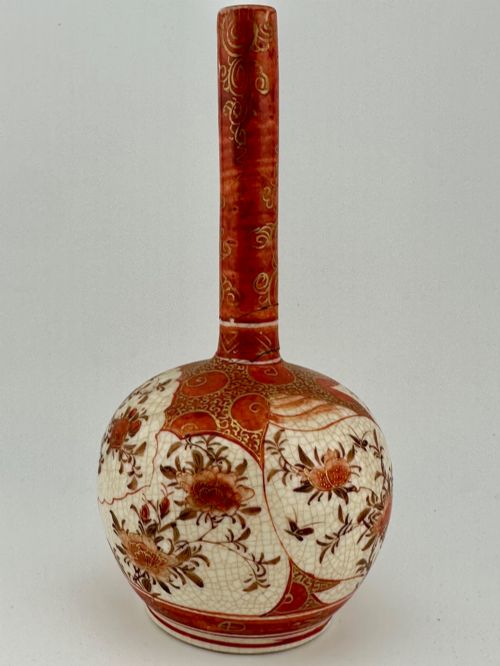
Decoration involved hand-painted floral motifs, gilt accents using gold leaf, and applied encrustations, alongside specialised techniques like transfer printing or iron-red detailing.
One unexpected ceramic bottle carries a dedicated golfing motif on a brown glazed whisky flask.
What varies in quality
The standard of a piece rests upon the precision of the hand-painted decoration, the crispness of moulded details such as figural scenes or floral encrustations, and the preservation of original stoppers or gilt highlights.
Provenance and attribution to documented factories or periods, from Jacob Petit to Worcester or the Qing Dynasty, distinguish standard utilitarian items from finer cabinet pieces.
Sitzendorf·Jacob Petit·Royal Doulton·Flight Barr And Barr·Royal Worcester·Minton·Adams
The 19th Century Ceramic Bottle Glossary
- Stoneware
- A robust, vitrified ceramic pottery fired at high temperatures, frequently utilised for nineteenth-century whisky flasks and spirit containers.
- Famille rose
- A Chinese ceramic palette characterised by opaque pink enamels, prominent on nineteenth-century porcelain vases and snuff bottles.
- Gilt
- A thin layer of gold applied to the surface of porcelain or ceramic pieces for decorative accentuation.
- Celadon
- A pale green jade-like glaze originating in East Asia, seen on fluted bottle vases from the period.
- Bin label
- A small ceramic or porcelain marker hung in wine cellars to identify vintages such as hock, claret, or marsala.
19th Century Ceramic Bottle: Frequently Asked Questions
What were ceramic bottles used for?
These vessels served diverse functions ranging from holding perfumes, rose water, and snuff to storing whisky, wine, and spirits in domestic cellars.
Utilitarian stoneware flasks and bin labels met practical daily needs, while porcelain scent bottles and decorative vases functioned primarily as ornamental display pieces.
How do I identify the period?
Dating relies on stylistic markers, factory marks, and specific decorative movements such as Regency neo-classicism, Victorian revivalism, or Qing Dynasty imperial periods.
Material composition also guides attribution, distinguishing English stoneware advertising flasks from French painted porcelain perfume containers.
Are stoppers usually original?
Original stoppers remain present on selected scent and perfume bottles, though many surviving nineteenth-century examples have lost them over time.
Listings specify when a stopper or original caddy accompanies the ceramic bottle or carafe.
Where were these pieces made?
The inventory includes works from English potteries, French porcelain studios in Paris, German factories, and Chinese imperial kilns.
Regional traditions dictate the specific form, whether Japanese Imari-influenced vases or English salt-glazed spirit flagons.