


19th Century Carved Vessel
A 19th century carved vessel brings tactile historical depth to a room through traditional handcraft and enduring materials.
19th Century Carved Vessel
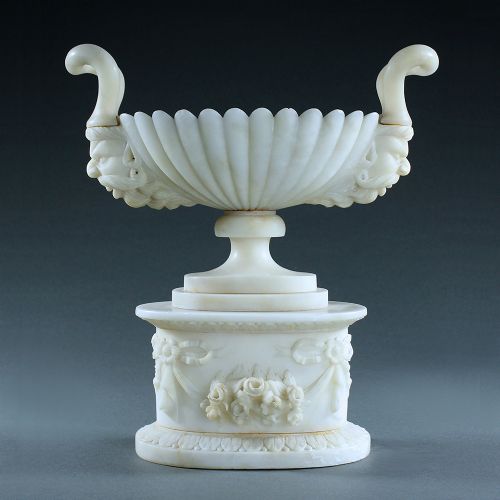
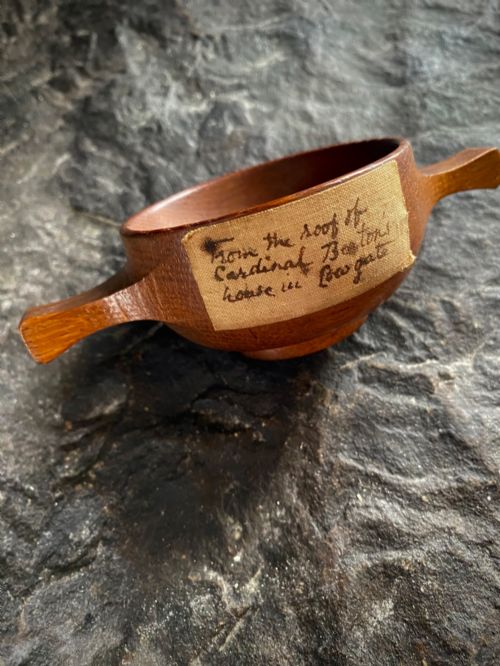
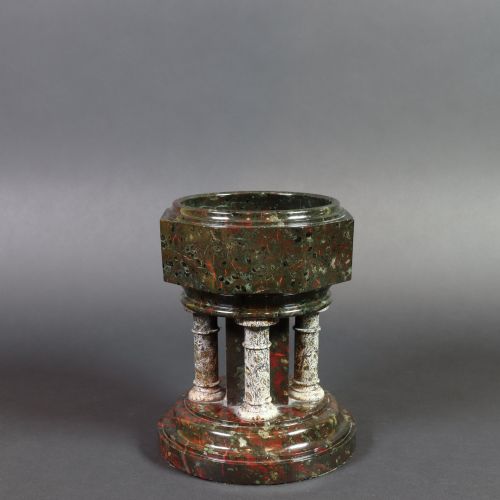
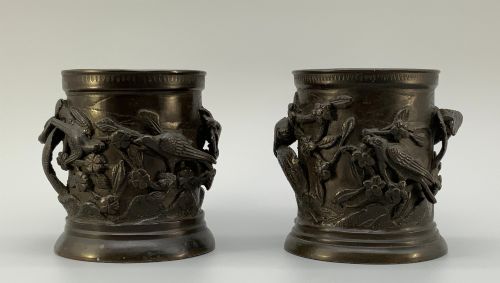
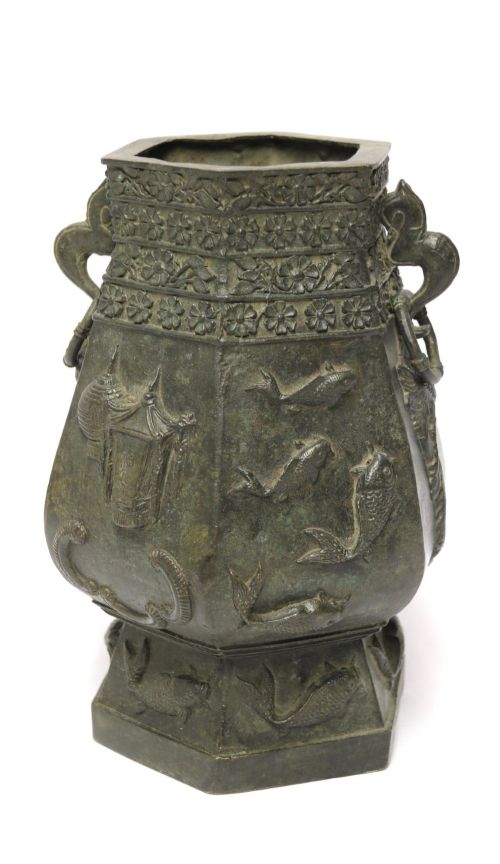
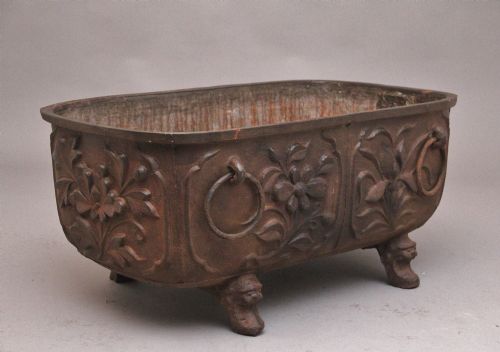
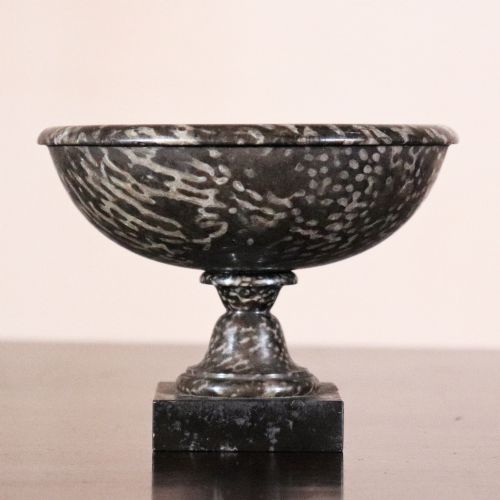
A 19th century carved vessel encompasses a diverse group of objects designed for holding, serving, or display, originating from various global traditions during the eighteen-hundreds. Buyers encounter categories ranging from Asian bronzes and cinnabar lacquer to European treen bowls, chalices, and marble tazzas.
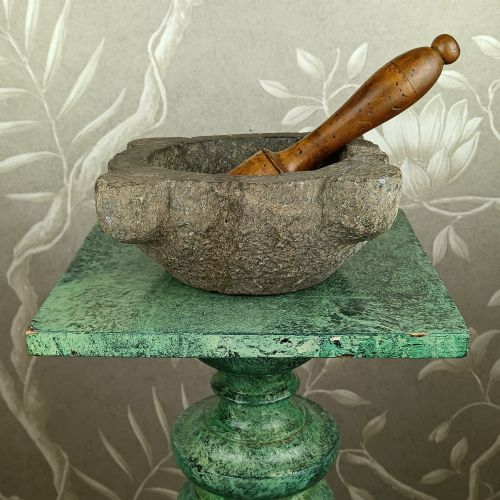
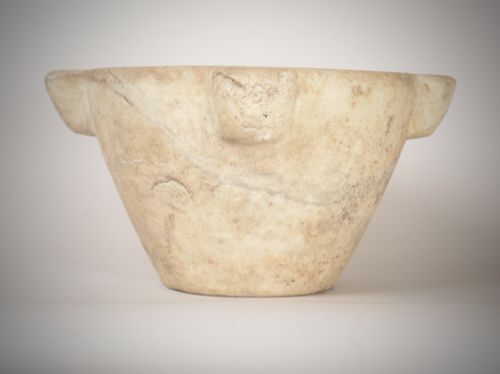
The selection frequently includes items shaped by regional utilities and decorative arts, such as dairy bowls, mortars, and ceremonial pieces. These items bridge domestic function and ornamental craftsmanship, reflecting the material culture of their respective periods.
Materials and Techniques
Artisans utilised organic and inorganic materials, shaping metals through casting and chasing while carving dense timbers like walnut, sycamore, and fruitwood. Bronze and copper-alloy pieces often display intricate high-relief work or patinated finishes developed through specialised foundry processes.
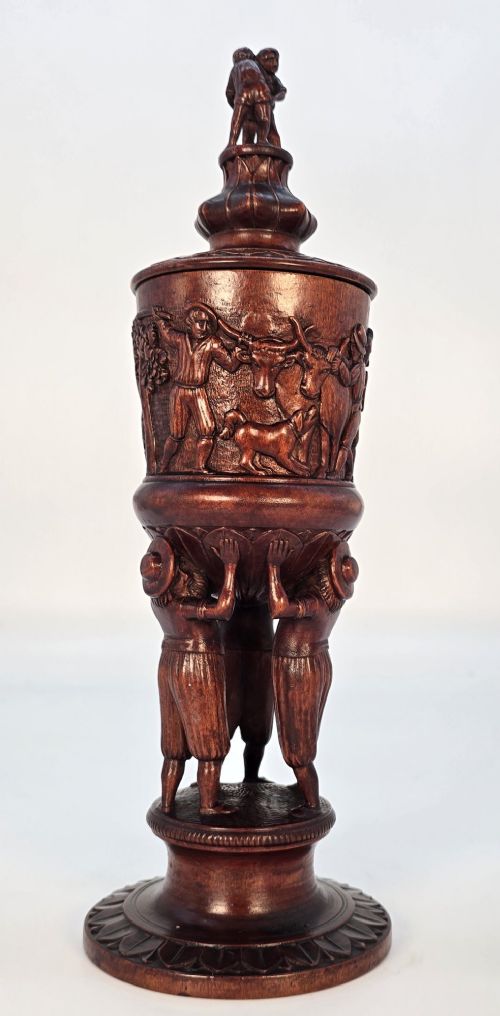
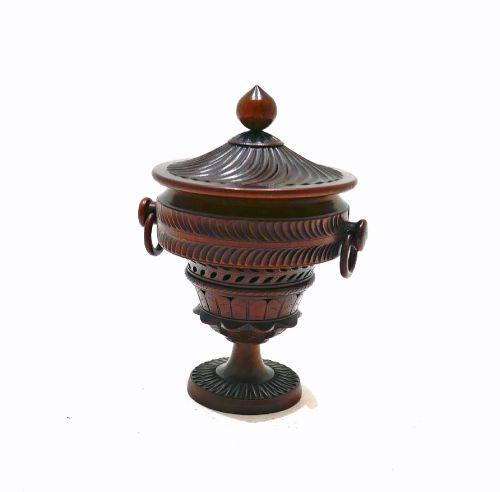
Organic mediums such as coconut shell, bone, and jade receive meticulous hand-carving that exploits the natural grain and colour variations of the substrate. Woodworkers employed turning lathes for vessels like goblets and butter barrels, combining structural staves with brass binding.
19th Century Carved Vessel Retail Price Guide 2026
Typical asking prices for 19th century carved vessel among the pieces listed under this phrase on Sellingantiques today, from the lower quarter to the upper quarter. They describe what is for sale here now, not the wider market.
Several vessels are carved from humble coconut shells, transforming simple tropical fruit husks into detailed decorative flasks.
Craftsmanship and Detail
Quality separates through the crispness of the chisel work, the symmetry of the turned form, and the integrity of the material itself. Superior examples maintain deep, deliberate relief without losing structural proportion or surface detail.
The sophistication of the finishing work, such as the depth of a bronze patina or the precision of inlaid elements, dictates the standing of an individual piece within its genre.
Benedetto Boschetti
The 19th Century Carved Vessel Glossary
- Treen
- Small domestic wooden objects made by turning or carving. These items include kitchenware, cups, and bowls formed from timbers like sycamore and fruitwood.
- Cinnabar lacquer
- Layers of red lacquer carved into intricate patterns. This technique originates in Asian decorative arts, frequently applied to vases and boxes.
- Tazza
- A shallow ornamental vase or bowl set on a pedestal and foot. Grand Tour examples often utilise marble or alabaster.
- Patinated bronze
- Metalwork treated to produce a distinct surface coloration or sheen over time. This finish results from chemical processes or environmental exposure.
19th Century Carved Vessel: Frequently Asked Questions
What materials make up these vessels?
The listings comprise metals like bronze, brass, and copper alongside organic substances including wood, coconut shell, bone, and marble. Each medium reflects the specific geographical region and functional intent of its maker.
Artisans selected these materials for durability and their capacity to hold intricate hand-carved or cast decoration.
How do I identify the period?
Dating relies on stylistic markers associated with specific nineteenth-century movements, such as Japanese Meiji production, Chinese Qing dynasty motifs, or European Grand Tour items. Material analysis and tool marks further clarify the era of manufacture.
Comparing the object against documented regional typologies assists in confirming the century of origin.
Where were these items produced?
Geographical origins span European workshops, British domestic trades, and Asian centres including China and Japan. Anglo-Indian and Raj period pieces also contribute to the global distribution.
Each region utilised local timbers, metals, and stone alongside distinct carving traditions.
How were these vessels used originally?
Functional roles ranged from domestic food preparation, such as dairy bowls and mortars, to ceremonial and decorative display. Tazzas, urns, and bronze censers served aesthetic purposes in domestic interiors.
Other items, like butter barrels and treen cups, fulfilled daily utilitarian tasks in kitchens and dairies.