



19th Century Cane Rack
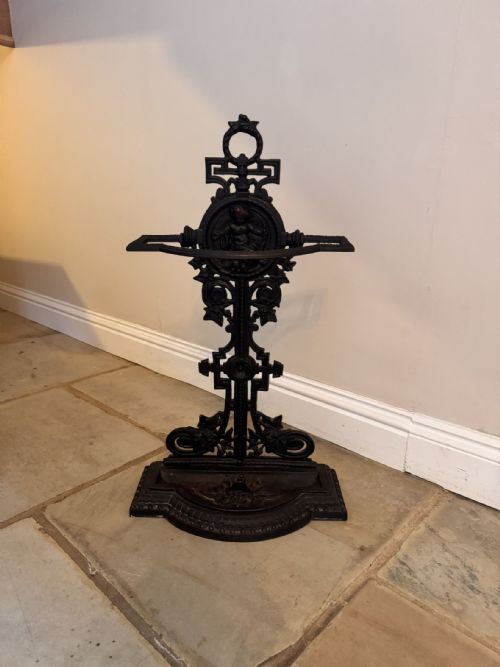
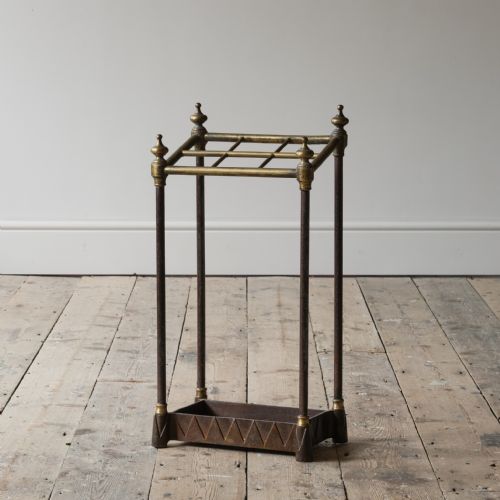
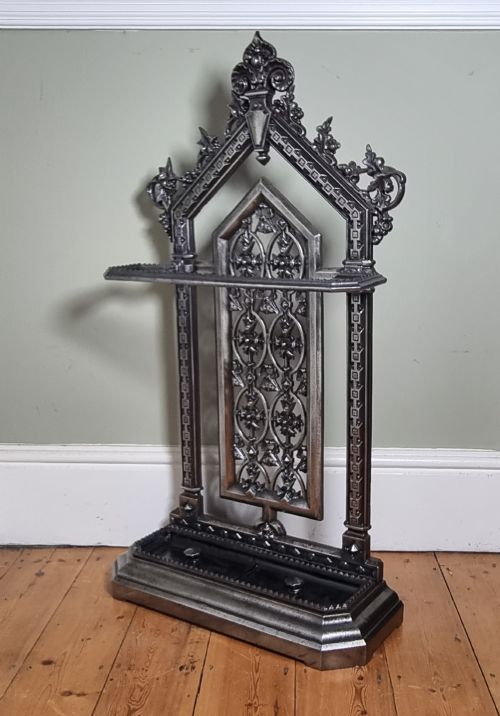
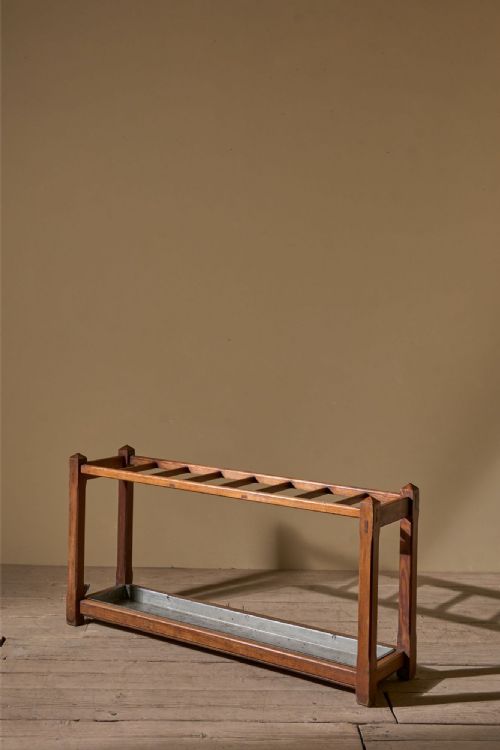
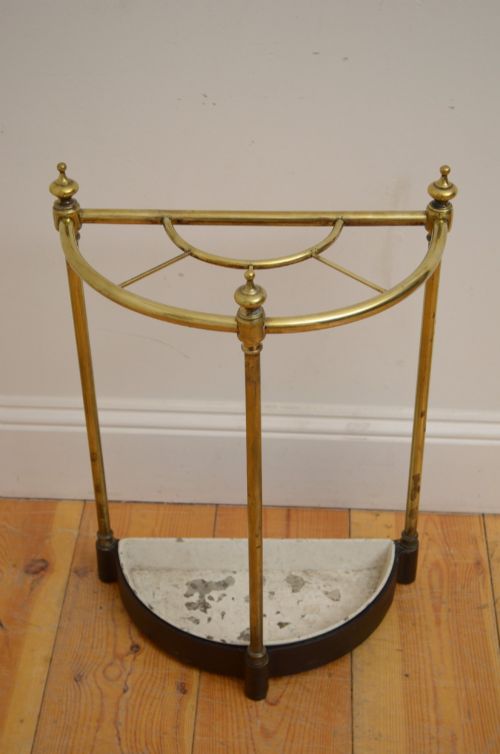
These 19th century cane rack designs, commonly catalogued as umbrella and stick stands, organise hallway walking aids through heavy cast metal, polished brass and carved timbers.
19th Century Cane Rack
A 19th century cane rack serves as an organised hallway receptacle for walking sticks, umbrellas and parasols, keeping wet outdoor gear contained near the entrance. The items grouped under this search phrase encompass umbrella stands, stick stands and combined umbrella and stick stands.
The pieces appearing on this page span the 19th century and the Victorian period, including specific dates such as 1870, 1880, and 1869. Styles range from plain Victorian Country pine and oak to decorative Aesthetic Movement cast iron, Gothic Revival metalwork and carved Black Forest timber.
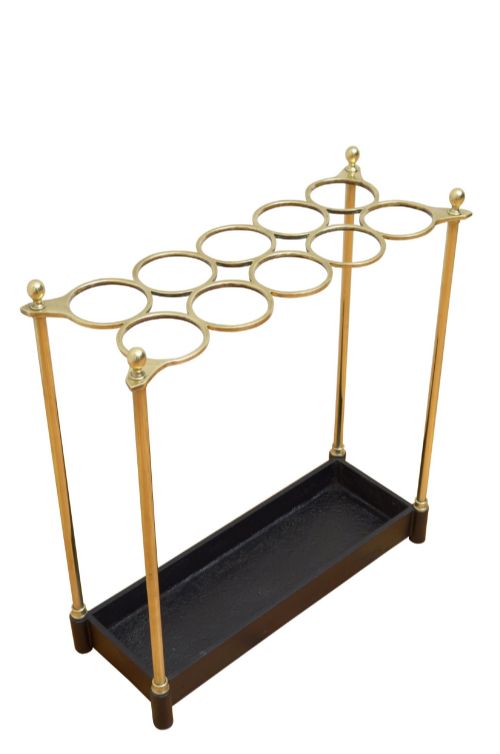
Most examples originate from English workshops and country houses, alongside continental pieces such as 19th century Italian carved walnut stands and Black Forest bear carvings. Forms vary from half-moon designs and rectangular shapes with four sections to large twelve-division brass frames.
How They Were Made
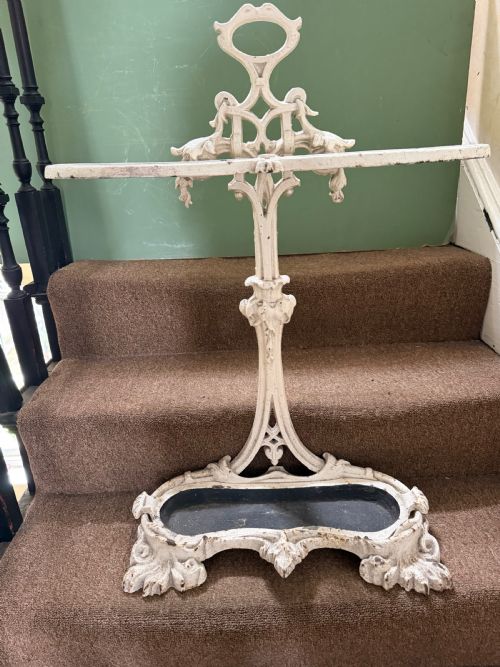
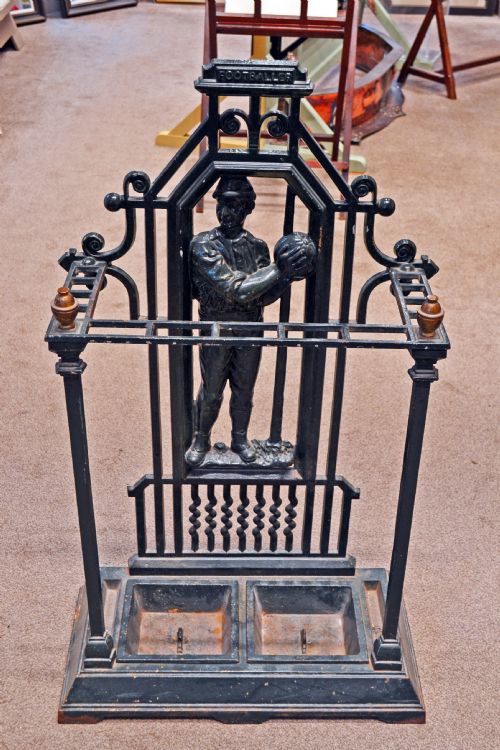
Foundry workers utilised cast iron, brass and standard metal to construct durable frames, often incorporating decorative ball finials or cast figures like a footballer and Jack and the Beanstalk. Painted cast iron surfaces provided colour and rust protection in busy hallways.
Cabinetmakers and woodworkers shaped hardwoods and softwoods including walnut, mahogany, oak, pitch pine, lindenwood and standard pine. Detailed carving defined regional specialisms, such as the sculptural bear figures associated with Black Forest production.
Materials range from heavy cast iron and polished brass to pitch pine, walnut, mahogany and Lindenwood.
What Varies in Quality
The refinement of the casting and carving sets apart standard utility hallway items from ambitious artistic pieces. Crisp detailing on cast iron figures or deep, expressive carving on Black Forest woodwork indicates superior workshop output.
The choice of materials and structural integrity determine overall standard, particularly the presence of robust drop trays and solid brass mounts. Retained original painted surfaces or polished brass finishes also elevate the standing of a piece.
Falkirk Ironworks·Christopher Dresser
The 19th Century Cane Rack Glossary
- Cast iron
- A strong, heavy alloy poured into moulds to create rigid frames and decorative figures. It allowed makers to produce intricate pierced patterns and sculptural umbrella stands.
- Drop tray
- A removable metal pan placed at the base of a stand to catch rainwater from wet umbrellas. It protects wooden or tiled floors from moisture damage.
- Black Forest
- A style of wood carving originating from the mountainous region of central Europe, famous for realistic animal sculptures. Bears holding card trays or stick stands are typical examples.
- Aesthetic Movement
- A late 19th century design philosophy emphasising visual beauty over narrative function. Metalwork from this school often shows stylized botanical or geometric forms.
- Finial
- A decorative terminal ornament finishing the top of a post or upright member. Brass umbrella stands frequently feature decorative ball finials.
19th Century Cane Rack: Frequently Asked Questions
Where were these stands placed in a Victorian home?
Homeowners positioned these receptacles in the entrance hall, vestibule or boot room to catch drips from walking gear immediately upon entry.
Their substantial weight, particularly with cast iron and brass models, kept them stable when loaded with heavy hazel or malacca canes.
How do I distinguish iron from brass stands?
Iron stands are heavier, often magnetic, and typically finished with dark paint or left as a matte metal surface to form utilitarian frames.
Brass examples display a golden metallic lustre, resist rust, and usually feature bright polished finishes or decorative cast components.
What is a Black Forest stick stand?
A Black Forest stand is a carved wooden hallway piece featuring realistic animal figures, most notably bears holding receptacles for walking sticks.
These continental carvings utilise lindenwood or walnut and demonstrate detailed hand-tool work characteristic of European mountain workshops.
Did these stands include drip pans?
Many surviving examples incorporate a metal drop tray at the base to catch water running off wet umbrellas and parasols.
These trays protected wooden floorboards and carpets from pooling moisture in busy entranceways.