

Wooden Umbrella Rack Drip Tray
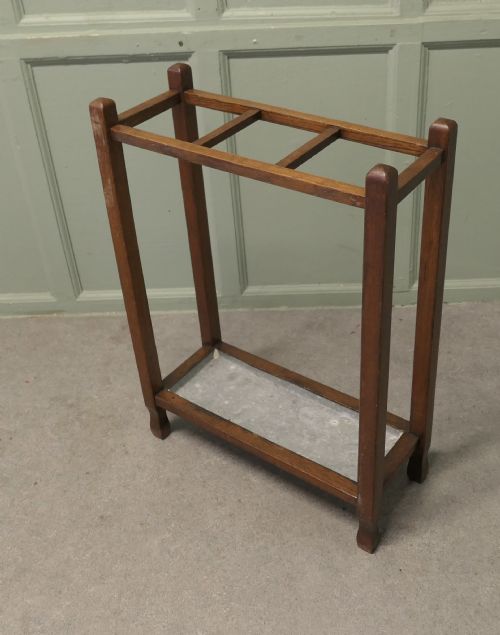
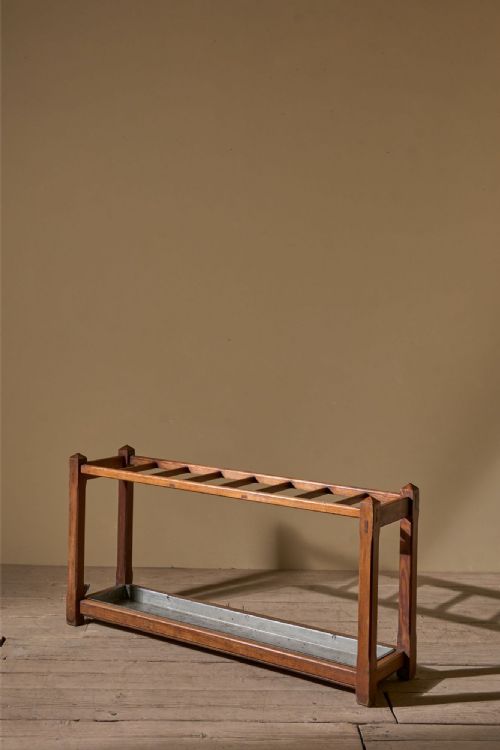
A wooden umbrella rack drip tray keeps damp walking gear contained in a hallway while showing the grain of oak or mahogany.
Wooden Umbrella Rack Drip Tray
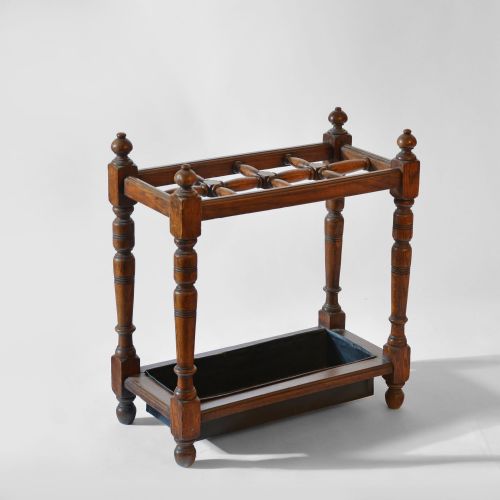
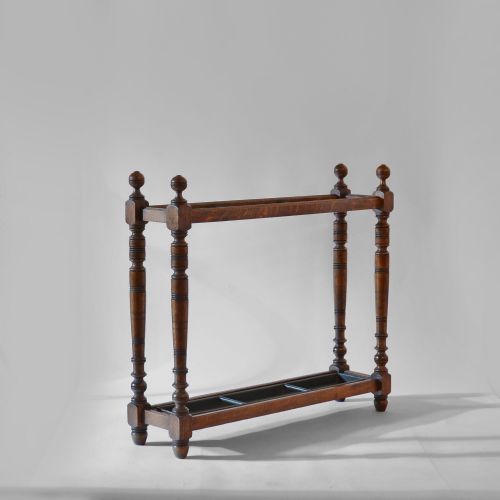
A wooden umbrella rack drip tray is designed to hold walking sticks and wet umbrellas in an entrance hall without dampening the floor. When you search for a wooden umbrella rack drip tray, you encounter hall stands, coat stands, and dedicated stick stands made across the nineteenth and twentieth centuries.
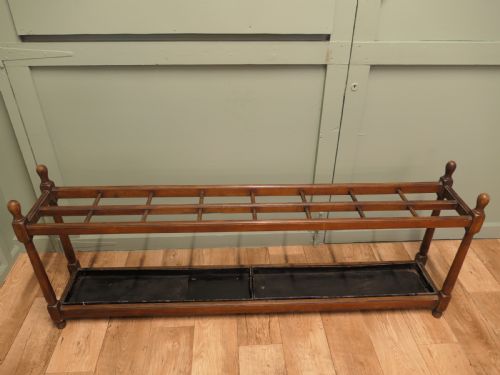
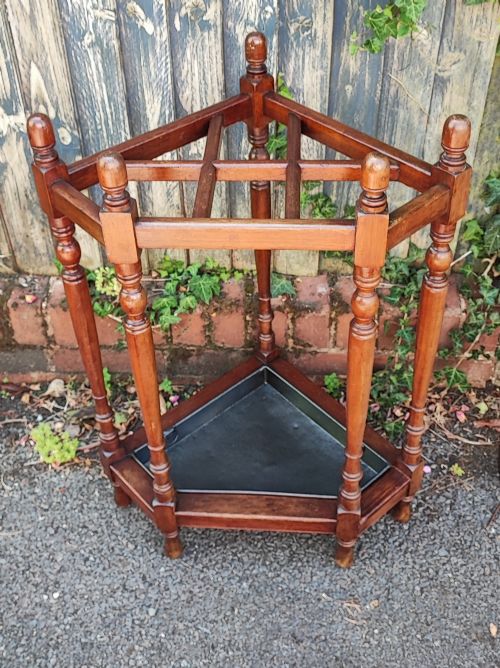
The majority of pieces available on this page are constructed from oak and mahogany, often dating from the Victorian and Edwardian periods. Makers incorporated metal or zinc pans at the base to catch water from wet handles and ferrules.
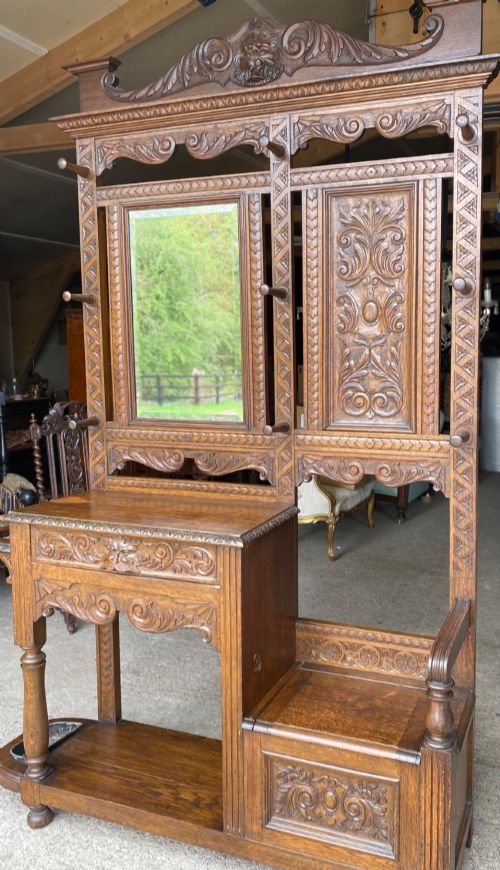
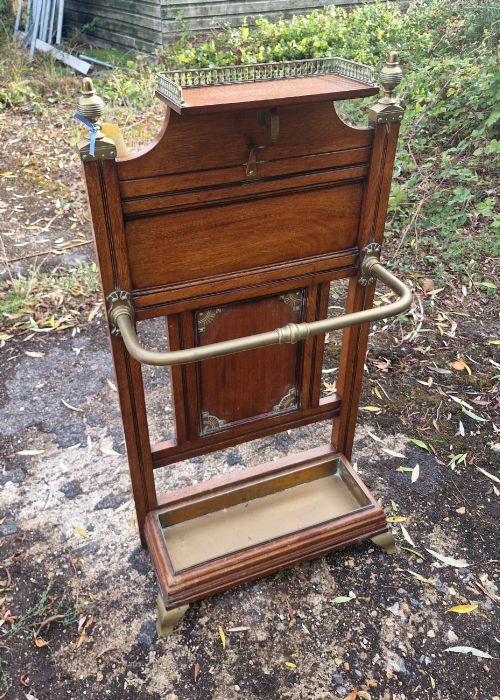
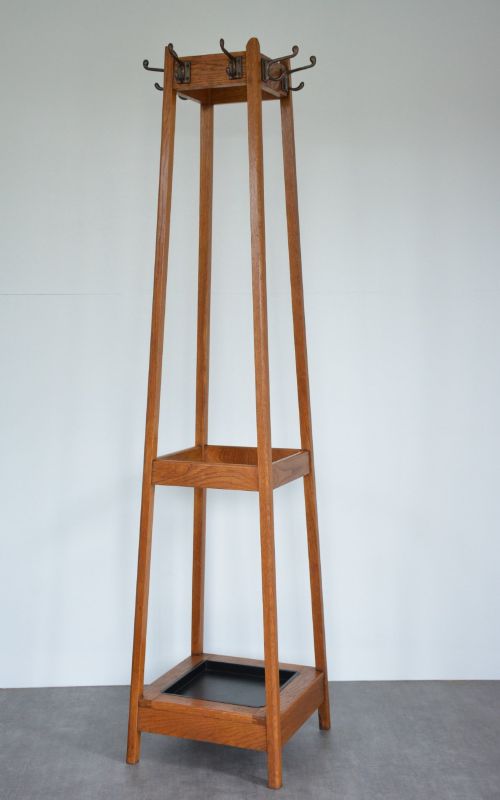
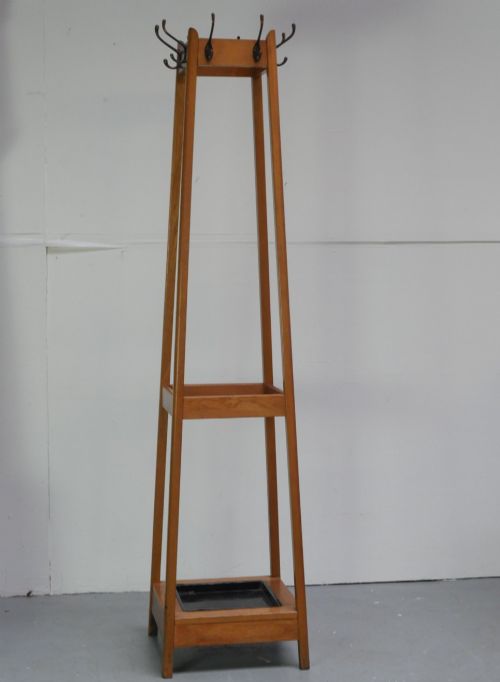
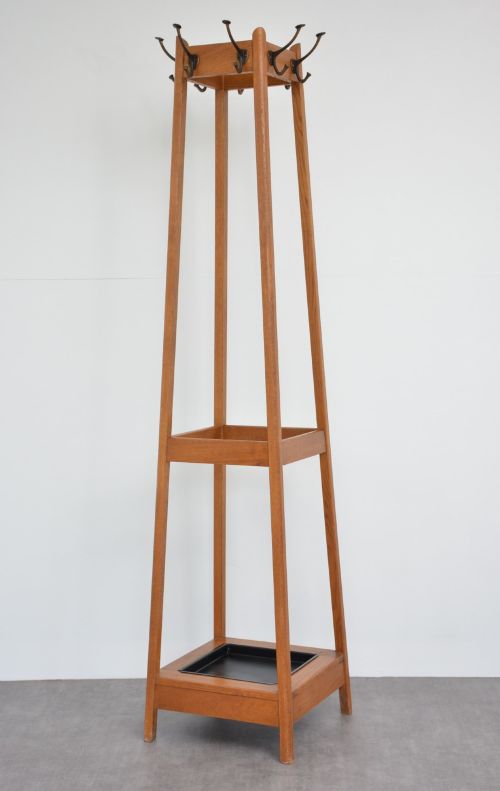
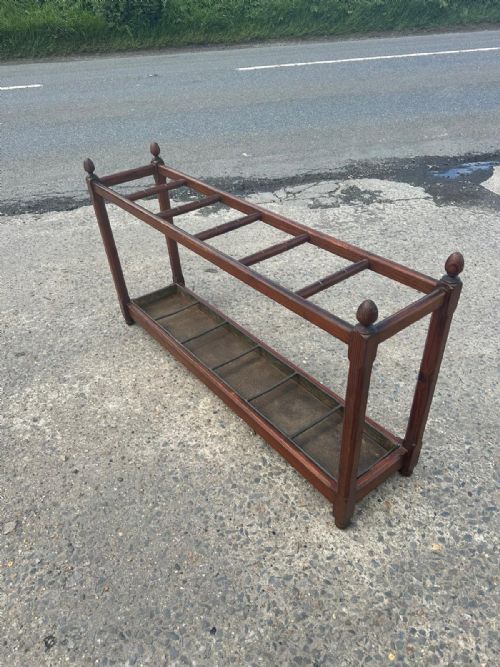
Formats range from simple corner stands to large country house hall stands with integrated coat hooks and mirror panels. Some pieces accommodate multiple divisions for dozens of sticks in a single frame.
Materials and Construction
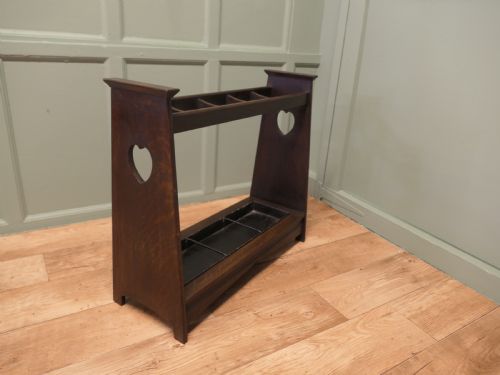
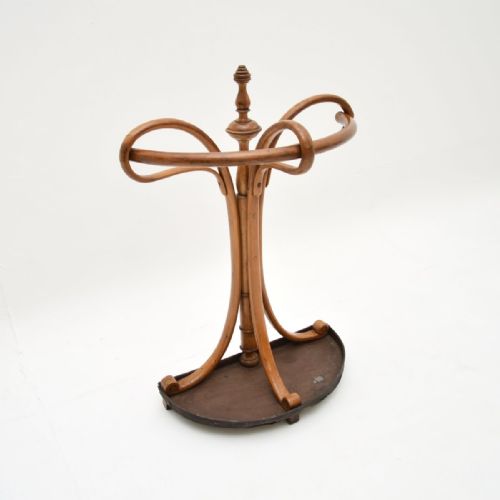
Carpenters utilised solid timber such as oak, mahogany, pitch pine, and bentwood to build the structural frames. Golden oak appears frequently in pieces from the Arts and Crafts and Aesthetic Movement periods.
Metal components including brass, cast iron, and zinc form the removable drip trays and divider rings. These corrosion-resistant metals protect the wood from standing water collected by wet umbrellas.
Some nineteenth-century halls required a twenty-four division stand for an entire household's walking gear.
Assessing Quality
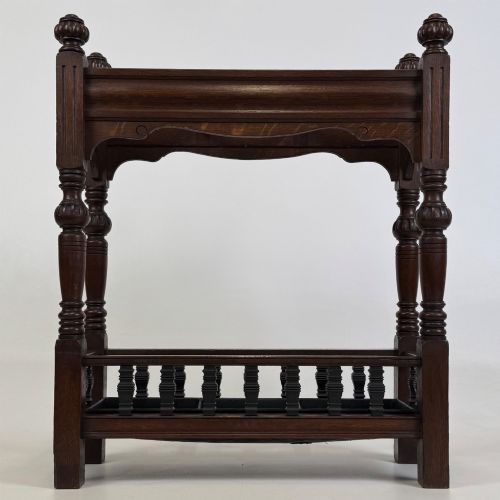
Quality rests upon the selection of timber and the joinery used to withstand heavy, wet items. Pieces displaying thoughtful craftsmanship in turned wooden spindles, bentwood curves, or integrated brass rails stand apart from utility items.
The presence of the original metal drip tray preserves the integrity of the stand. Superior examples feature robust internal metal liners that prevent moisture from rotting the surrounding wood.
Thonet·Heals of London·GW Evans London·Shoolbred
The Wooden Umbrella Rack Drip Tray Glossary
- Drip tray
- A shallow metal pan placed at the base of a stand to catch water running off wet umbrellas. These are commonly made from zinc, brass, or painted iron.
- Hall stand
- A piece of hall furniture combining umbrella racks with coat hooks, hat storage, and sometimes a mirror or small glove drawer. They were central to Victorian and Edwardian entrance hallways.
- Bentwood
- Wood heated with steam and bent into curved shapes, utilised by makers such as Thonet to create light and resilient umbrella stands. This technique removes the need for traditional joints in curved sections.
- Arts and Crafts
- A design movement prioritising traditional craftsmanship, visible grain, and honest construction without excessive ornamentation. Oak umbrella stands from this period often display plain surfaces and pegged joints.
- Demi lune
- A half-moon shape allowing a hall stand to sit flush against a wall in narrow corridors. Scottish and English makers used this footprint to save floor space.
Wooden Umbrella Rack Drip Tray: Frequently Asked Questions
How do I stop the tray from rusting?
Zinc and brass trays resist corrosion well, but you should empty standing water regularly. Wipe the metal dry after heavy rain to protect the surface.
Applying a light coat of oil to iron trays helps preserve the material without damaging the surrounding timber base.
Where should I place a hall stand?
An entrance hallway or boot room provides the ideal environment for these pieces. Their original purpose was receiving coats and wet umbrellas upon entering the house.
Ensure the room maintains stable humidity so the wood and metal components do not warp or oxidise prematurely.
How do I identify an Arts and Crafts piece?
Arts and Crafts umbrella stands display exposed construction details, unadorned golden oak, and simple geometric forms. They reject excessive Victorian ornamentation in favour of honest utility.
Look for pegged mortise and tenon joints and metal fittings made from brass or copper.
Can these stands hold walking sticks too?
Most umbrella racks feature multiple divisions specifically sized for walking sticks as well as umbrellas. The evidence groups them together as stick and umbrella stands.
Narrower divisions at the base keep slimmer walking canes upright alongside larger umbrella handles.