



19th Century Bucket
A 19th century bucket brings tactile warmth to modern interiors through centuries of skilled metalworking and timber coopering.
19th Century Bucket
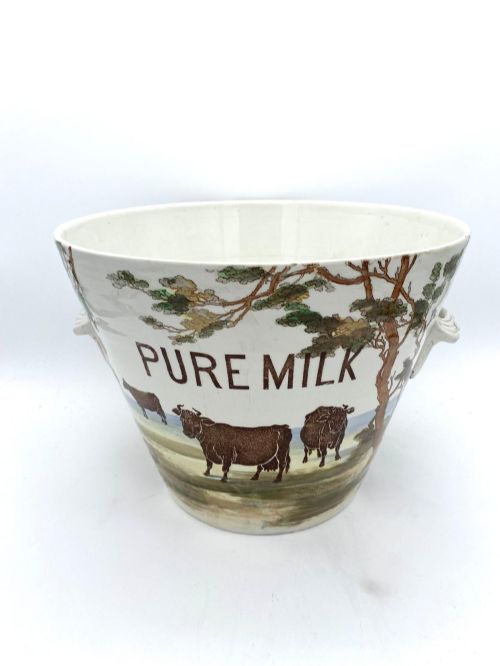
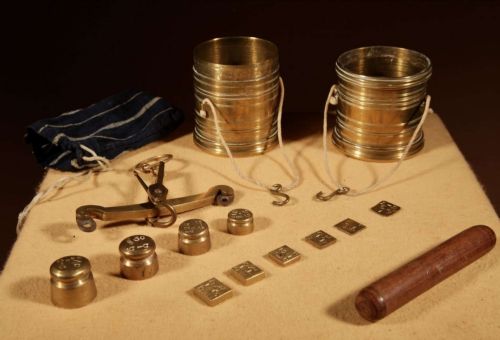
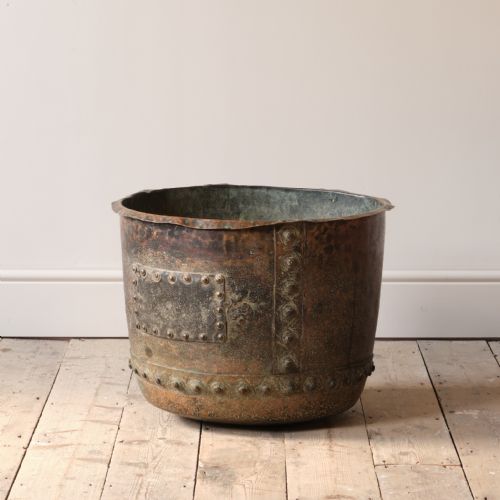
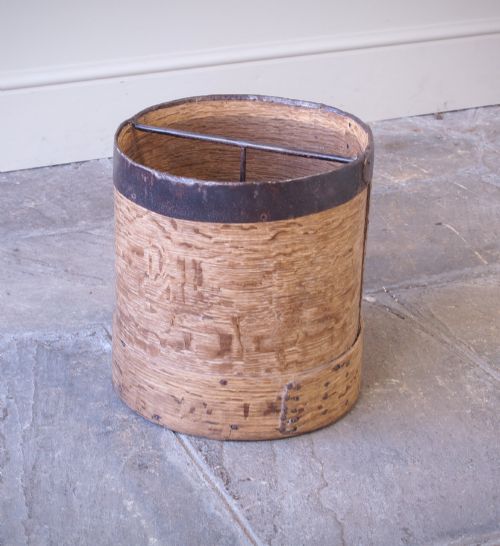
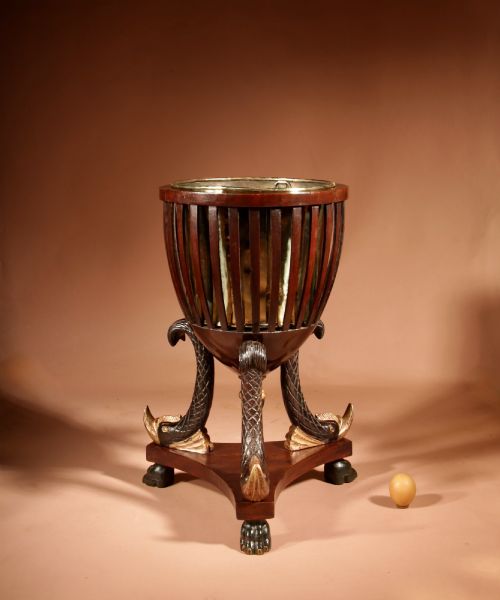
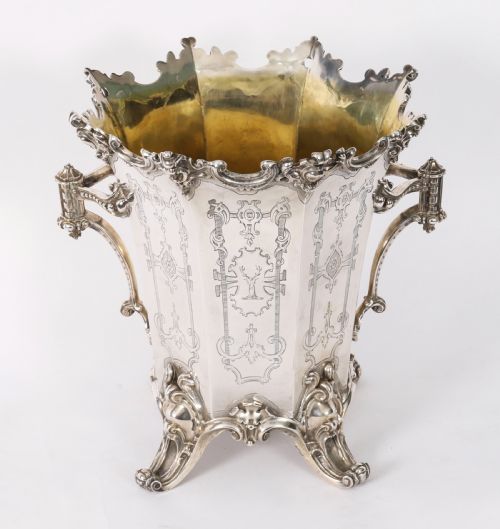
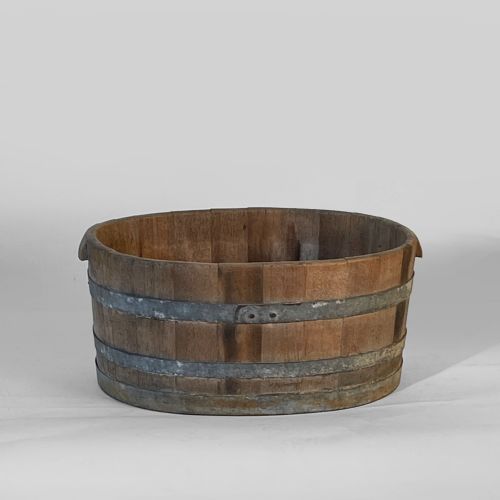
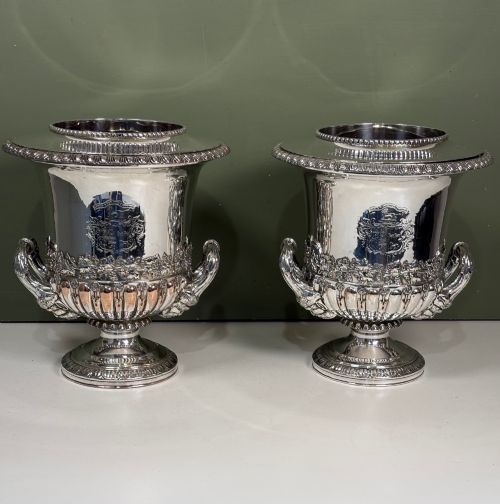
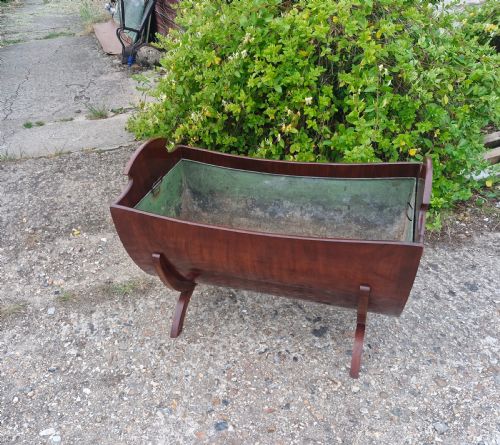
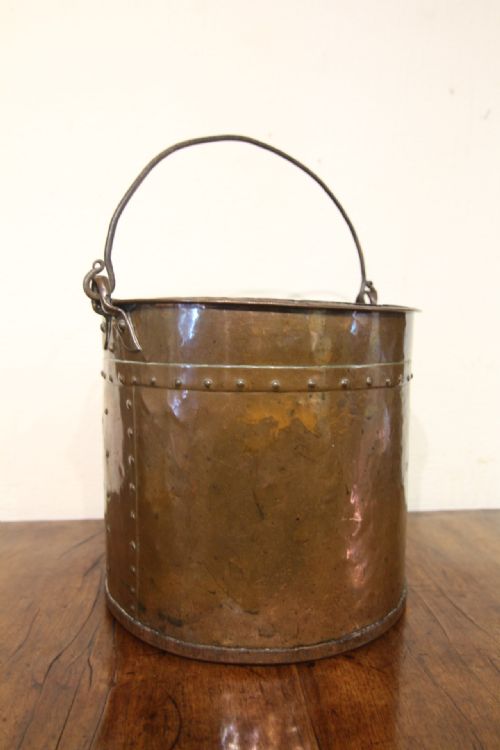
A 19th century bucket encompasses utilitarian vessels repurposed for the home, including copper log bins, mahogany wine coolers, and coopered oak or pine grain measures. Buyers searching for a 19th century bucket typically encounter heavy metal vessels alongside traditional wooden containers.
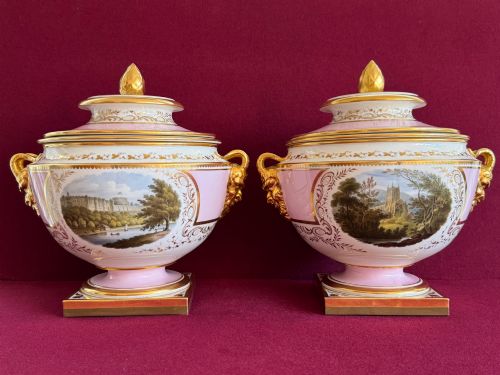
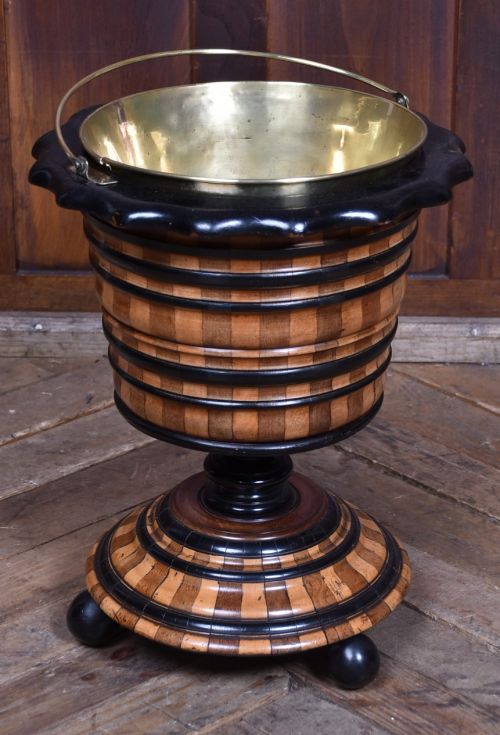
The inventory on this page spans Georgian, Regency, and Victorian periods, drawing on French, Dutch, and Scandinavian country traditions. Forms range from simple riveted copper cauldrons to refined mahogany jardinières and silver-plated ice pails.
Domestic applications varied widely across these origins, moving from fireside storage to dining room service. Many items originally served agricultural or industrial roles before becoming decorative interior accessories.
Materials and Construction
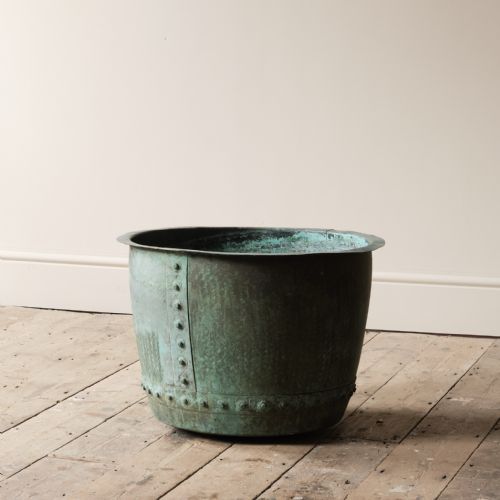
Makers formed metal vessels from heavy gauge copper and brass, joining plates with visible hand-riveting and attaching sturdy wrought iron swing handles. Silver plating on copper and standalone silver plate also appear among dining room wine coolers.
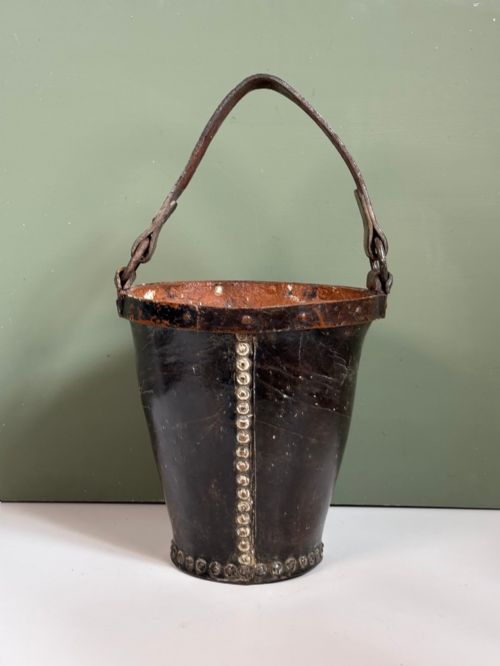
Wooden examples rely on traditional coopering techniques, uniting staves of mahogany, oak, pine, or hardwood with tight brass bands or iron hoops. Leather versions utilise boiled or soft hides over rigid frames, sometimes paired with ceramic or glass components.
19th Century Bucket Retail Price Guide 2026
Typical asking prices for 19th century bucket among the pieces listed under this phrase on Sellingantiques today, from the lower quarter to the upper quarter. They describe what is for sale here now, not the wider market.
Listings feature copper, brass, iron, and silver plate alongside traditional timbers including mahogany, oak, pine, and elm.
Assessing the Pieces
Quality rests upon the integrity of construction, seen in the regularity of hand-cut dovetails, secure riveting, and the tight fit of wooden staves. Weight and gauge of metal dictate durability, with heavier copper and cast brass fittings holding higher status.
Surface patina and originality define visual success, distinguishing genuine age from later alterations. Pieces retaining original brass liners, authentic handles, and unpolished surfaces demonstrate superior historical preservation.
Flight, Barr & Barr·Elkington, Mason & Co
The 19th Century Bucket Glossary
- Coopered
- Built from curved wooden staves bound tightly by metal hoops or bands. This technique ensures watertight integrity in vessels like buckets and tubs.
- Riveted
- Joined together using short metal pins hammered flat to secure overlapping plates. This method provides robust structural strength for heavy copper vessels.
- Jardiniere
- An ornamental pot or stand designed to hold growing plants or flowers. These often feature decorative brass liners and fine wood veneers.
- Boiled leather
- Material hardened by immersion in hot water or wax to create rigid, durable containers. It appears frequently in historical fire buckets.
- Grape hod
- A deep carrying vessel traditionally used during the harvest. These pieces show distinctive shaped frames adapted for back carriage.
19th Century Bucket: Frequently Asked Questions
What were these buckets originally used for?
These vessels served diverse practical tasks ranging from carrying water and grain to holding fireplace logs and chilling wine.
Many utilitarian items transitioned into domestic interiors as coal holders or planters as central heating altered household needs.
How do I clean an antique copper bucket?
Copper requires minimal intervention to preserve its historical surface and warm metallic tones. Gentle washing with warm soapy water removes dust without disturbing the underlying patina.
Avoid harsh chemical polishes that strip away age and flatten the distinct texture of hand-hammered metal.
Can I use a wooden bucket for water?
Coopered wooden vessels rely on moisture to keep their staves swollen and tight. Modern central heating can dry out the wood, causing joints to shrink and leak.
Displaying them dry as decorative storage or planters is safer than attempting regular use with liquids.
How do I distinguish Regency from Victorian examples?
Regency pieces often display classical proportions, fine mahogany veneers, and restrained brass mounts inspired by antiquity. Victorian items frequently embrace heavier proportions, robust riveted copper, and bolder surface ornamentation.
Examining construction methods and material choices helps clarify the manufacturing decade.