




19th Century Bronze Icon
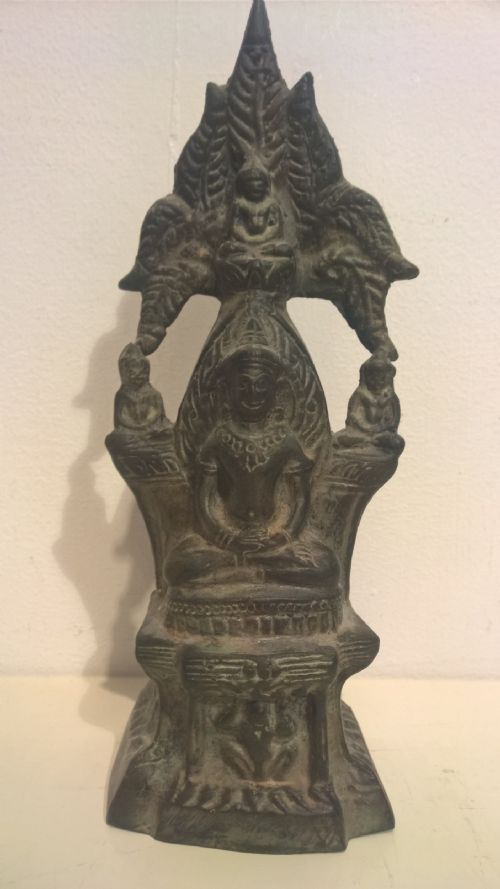
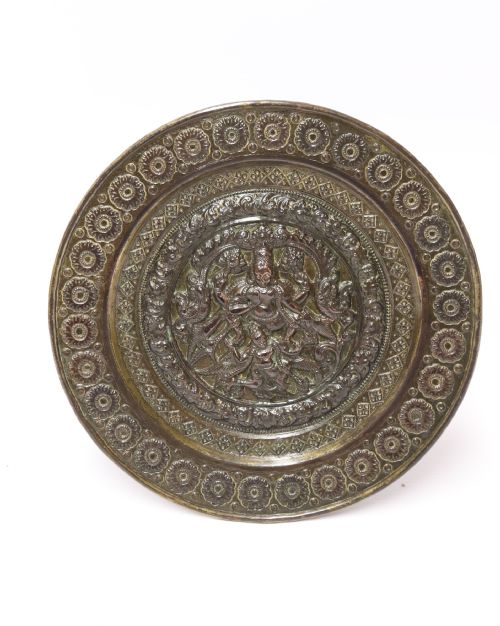
These pieces of a 19th century bronze icon bring centuries of devotion into the room, cast in heavy metal and finished with enamel.
19th Century Bronze Icon
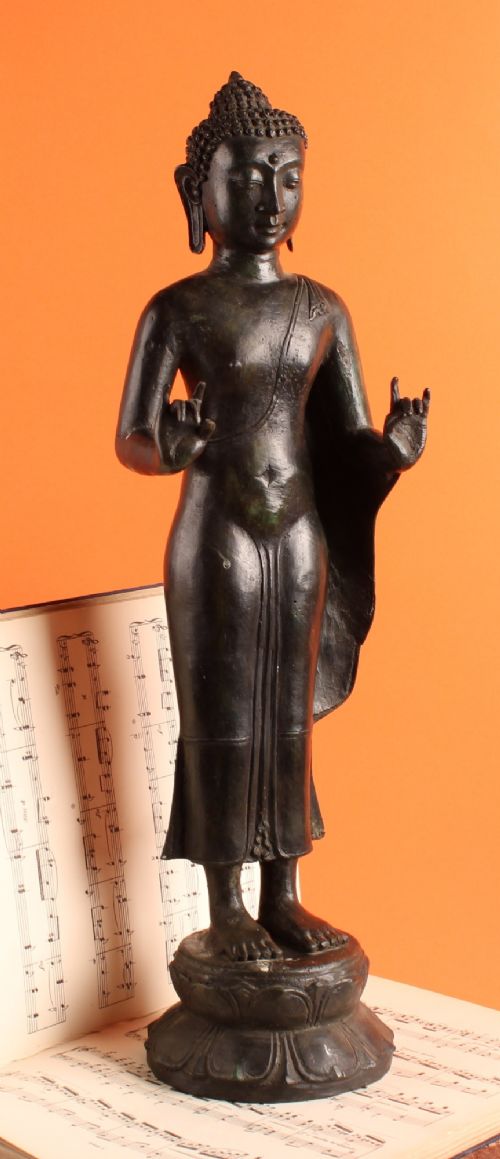
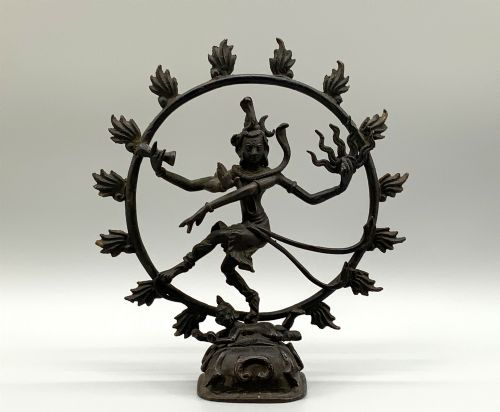
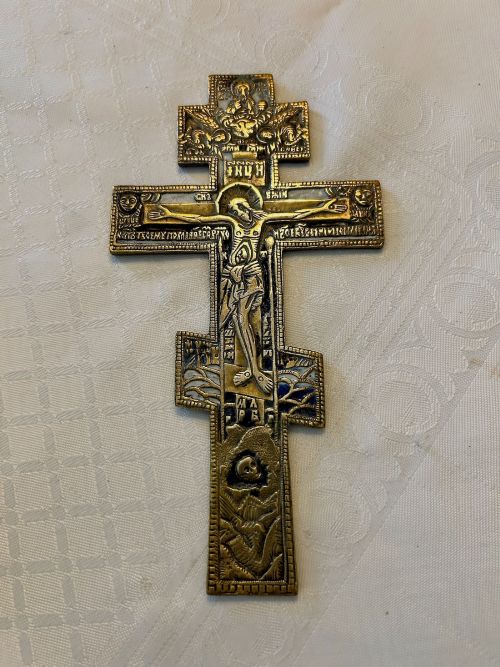
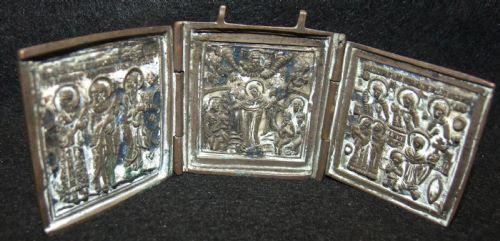
A 19th century bronze icon spans sacred portable art from Russian Orthodox crosses and folding triptychs to Southeast Asian and Indian figures of Buddha, Shiva, and Tara. You will most frequently meet cast bronze and brass pieces designed for travel, domestic shrines, or altar use, often incorporating blue enamel highlights.
The regional diversity within these items reflects varied spiritual traditions, ranging from Imperial Russian folding panels to Burmese Mandalay and Rattanakosin seated or standing Buddhas. Each object serves as a tangible link to devotional practices, combining metalworking skill with religious iconography.
Materials and casting methods
The majority of these objects rely on cast bronze, brass, and copper alloy, sometimes mounted on wood panels for stability. Metal is poured into moulds to create detailed figures of deities and saints, capturing intricate robes, mudras, and facial expressions.
Enamel work frequently enhances the metal surfaces, particularly in Russian Orthodox pieces where vibrant blue enamel fills recessed details on crosses and triptychs. Patination ranges from dark brown surfaces to gilded highlights, showing the natural ageing of the alloy over time.
Several folding travel icons effectively served as pocket-sized portable cathedrals for merchants on the move.
Distinctions in quality and execution
The presence and preservation of coloured enamel work add distinct value, particularly when the glass paste remains intact within the metal channels of crosses and folding travel icons. Structural integrity also matters, such as whether hinges on triptychs operate smoothly and wooden mounts remain secure.
The 19th Century Bronze Icon Glossary
- Icon
- A religious work of art, most commonly depicting saints, Christ, or deities, intended for veneration. These objects take the form of panels, plaques, or cast figures.
- Mudra
- A symbolic or ritual gesture in Hinduism and Buddhism performed with the hands and fingers. Different mudras convey specific teachings or states of being.
- Triptych
- A picture or relief carving on three panels, hinged together side by side and folded in on the middle. In this category, they serve as portable folding shrines.
- Enamel
- Glass powder melted onto metal at high temperatures to create a smooth, coloured surface. It is often used to highlight specific areas of crosses and plaques.
- Patination
- The surface appearance produced by age, wear, and oxidation on metal. A stable patina preserves the underlying bronze or copper alloy.
19th Century Bronze Icon: Frequently Asked Questions
How do I clean a bronze icon?
Dust the surface gently with a soft, dry brush to remove particles without disturbing the metal or any remaining enamel.
Avoid using chemical polishes, water, or abrasive cloths, as these treatments strip away historical patination and damage fragile areas.
Why do some pieces have enamel?
Enamel added colour and visual emphasis to metal surfaces, distinguishing sacred geometry and garments on Russian Orthodox pieces.
The glass paste was fused into recessed channels within the bronze or brass framework during the manufacturing process.
How can I tell regions apart?
Stylistic markers point directly to origin, such as the distinct robes and mudras of Thai, Burmese, and Indian Buddhist figures.
Orthodox Christian crosses and folding panels utilise specific ecclesiastical symbols, Cyrillic lettering, and enamel work native to Eastern European traditions.