



19th Century Brass Pot
These pieces combine utility and display, offering heavy brass construction and decorative forms that ground a room.
19th Century Brass Pot
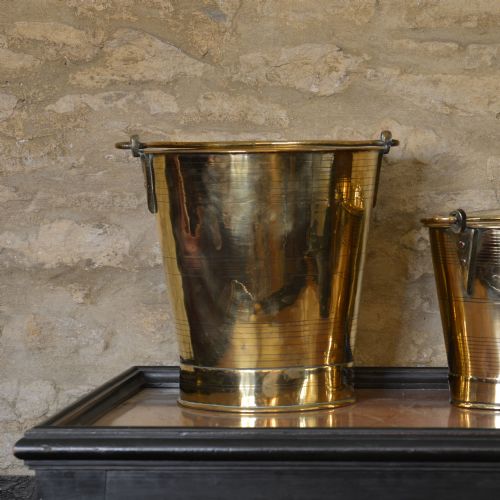
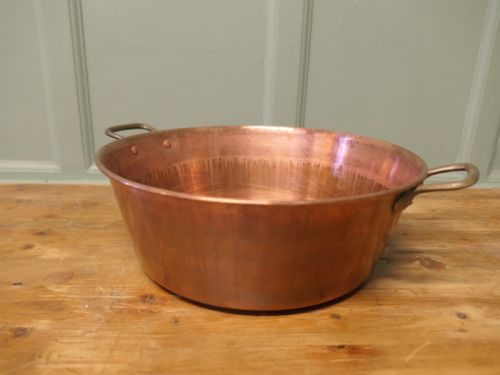
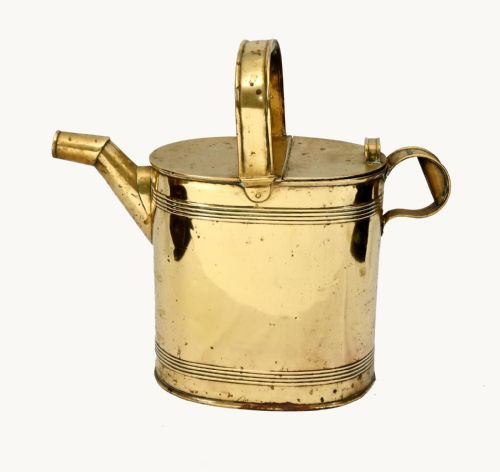
A 19th century brass pot covers practical kitchen vessels, large planters, and decorative cachepots made during the Victorian and Georgian eras. You will frequently encounter heavy jardinières, copper-bottomed pans, and cast or beaten vessels originating from Britain, India, and the Netherlands.
Makers utilised these durable metal containers for horticulture, boiling water, and hearthside cooking before they transitioned into decorative display items in country houses and town residences. The forms range from plain riveted kitchen pans to elaborate, hand-engraved pieces meant for reception rooms.
The selection leans heavily toward garden planters, kettles, and ceremonial bowls made from brass and copper, often carrying the marks of hand-hammered construction. Buyers choose these objects to introduce warm metallic tones and historical utility into contemporary interiors.
Materials and construction
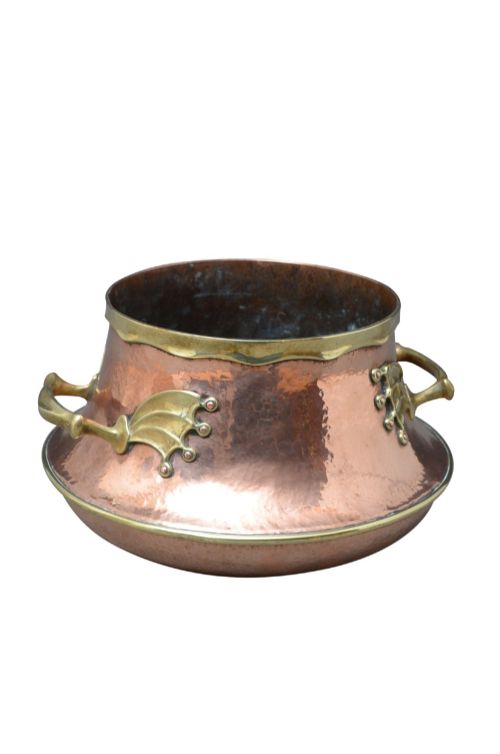
The primary metals are brass and copper, frequently joined by hand-hammering, riveting, or dovetailed joints rather than modern machine welding. Artisans shaped the sheet metal over blocks or cast heavier components like handles and feet separately before attaching them.
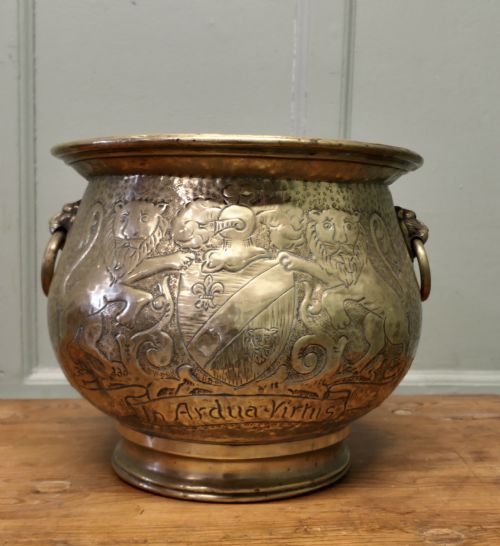
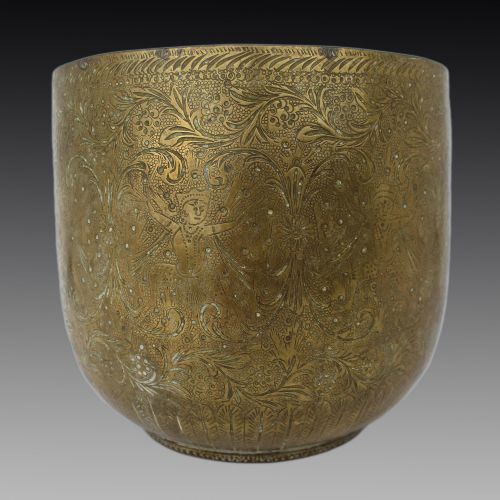
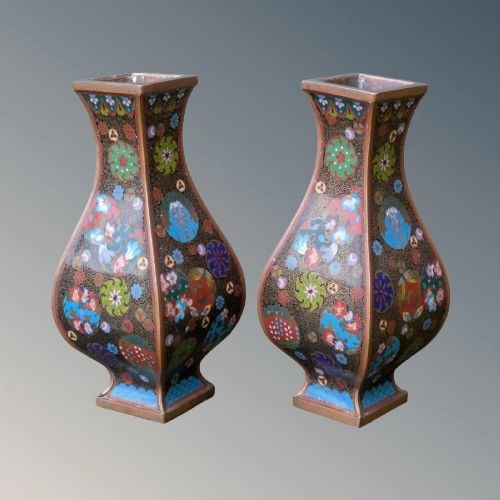
Surface decoration relies on hand-chasing, embossing, and deep engraving, particularly on pieces originating from the Indian Raj or Middle Eastern workshops. Structural supports often incorporate iron handles, copper rivets, and occasionally wooden mounts or brass bands.
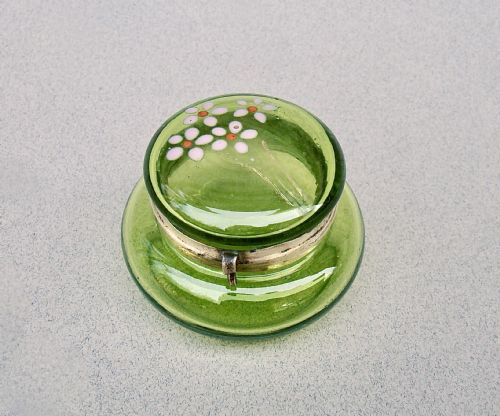
Listings feature brass, copper, and bronze vessels alongside mahogany, marble, and glass elements across Victorian and Georgian periods.
Distinctions in quality
Quality rests on the thickness of the metal sheet, the crispness of the hand-chased decoration, and the integrity of the original joints. Thicker brass resists denting and holds a deeper, richer tone as it ages.
The refinement of the casting in handles and decorative shields separates utilitarian kitchenware from high-status decorative vessels designed for the drawing room. Clean, hand-dovetailed seams and well-fitted brass bands indicate superior workshop practice.
The 19th Century Brass Pot Glossary
- Jardiniere
- An ornamental pot or stand designed to hold a plant or floral arrangement. These vessels often feature decorative embossing or repoussé work.
- Cachepot
- An ornamental container used to hide an ordinary flowerpot. The term translates from French as hiding pot.
- Chasing
- A metalsmithing technique where designs are hammered into the front surface of the metal without removing material. This creates raised relief patterns.
- Riveting
- A method of joining metal sheets by inserting pins through overlapping edges and hammering the ends flat. This technique provides durable mechanical fastening before modern welding.
- Repoussé
- Metalworking where a design is hammered into relief from the reverse side. It is frequently combined with chasing on decorative vessels.
19th Century Brass Pot: Frequently Asked Questions
How do I clean a brass pot?
Wash the surface gently with warm soapy water and a soft cloth to remove surface dirt without stripping the historic patina.
Avoid harsh commercial abrasives that remove the aged character accumulated over generations of use.
Were these pots used for cooking?
Many examples, particularly those with iron handles or thick copper bodies, served practical functions in nineteenth-century kitchens for boiling water or preserving food.
Lighter vessels with elaborate engraving were intended exclusively as decorative cachepots or planters for the interior.
How do I date a brass pot?
Examine the construction methods, such as hand-dovetailed joints, heavy casting, and the presence of hand-beaten hammer marks rather than uniform machine rolling.
Stylistic cues like Gothic revival shields or specific engraving motifs help narrow the period to the Victorian or Georgian eras.
Can I use these pots for live plants?
Most antique metal vessels lack drainage holes, so they function best as cachepots holding a separate potted plant inside.
Placing a plastic liner inside protects the historic interior metal from prolonged moisture exposure.