


19th Century Brass Pendant
A 19th century brass pendant brings period weight and warm metal tones to a ceiling, offering functional illumination through historical forms.
19th Century Brass Pendant
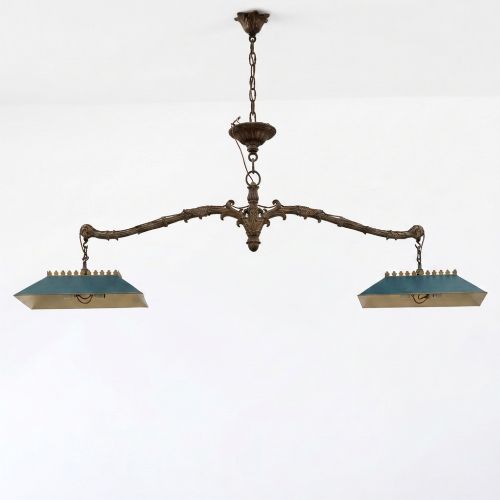
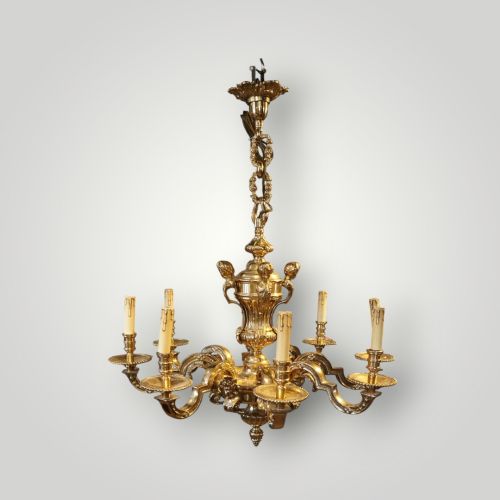
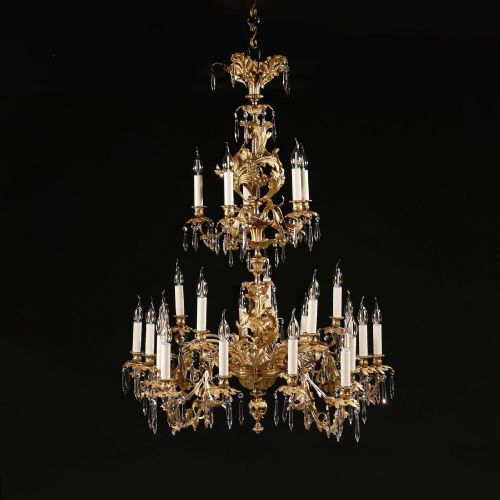
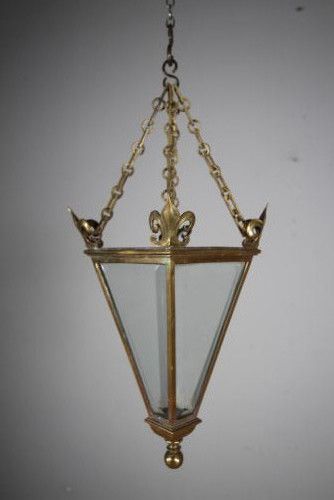
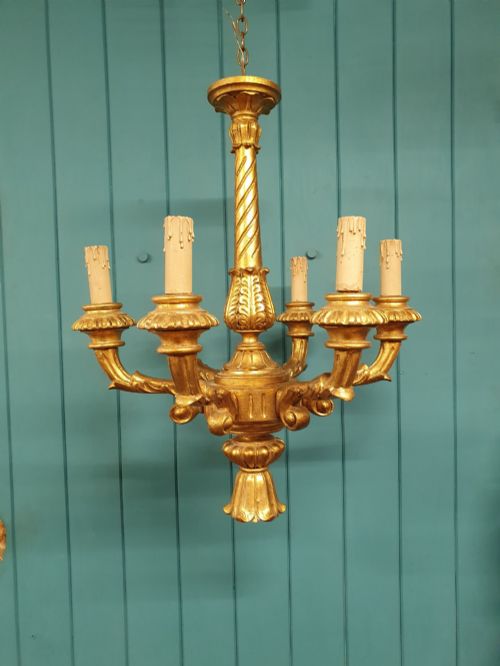
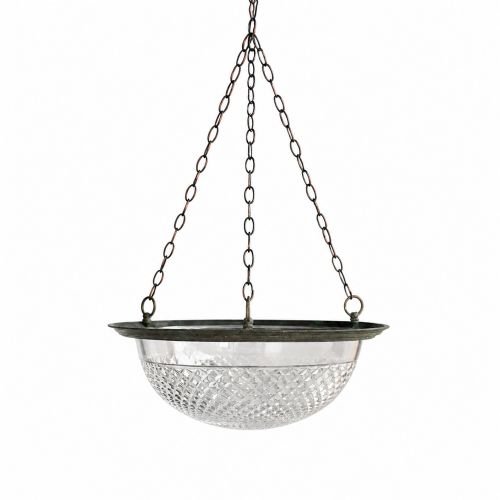
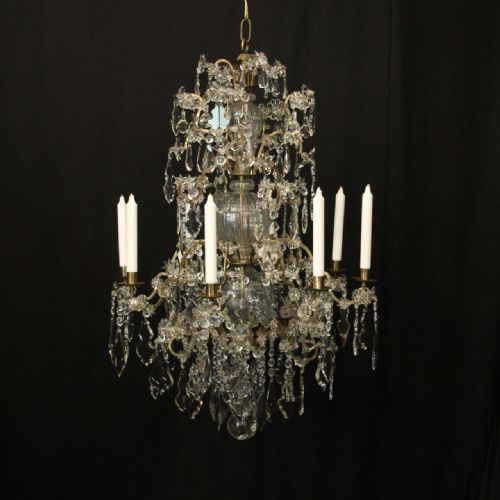
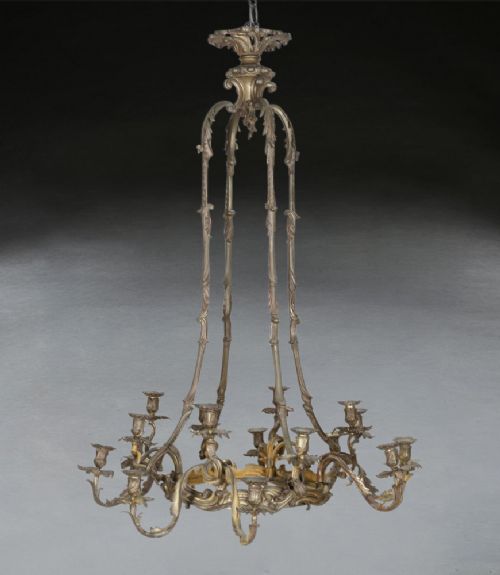
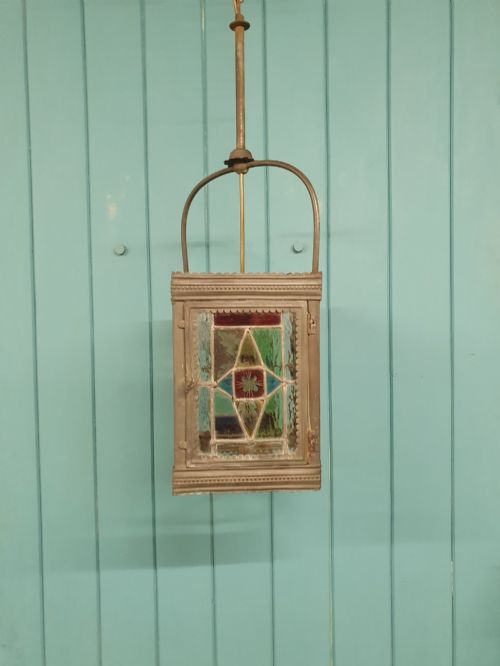
When you search for a 19th century brass pendant, you encounter hanging light fixtures designed for ceiling placement, spanning forms from simple lanterns to multi-arm chandeliers. The selection includes examples styled in Victorian, Regency, and various French revival aesthetics, alongside specialised hanging lights like billiard lights and hall lanterns.
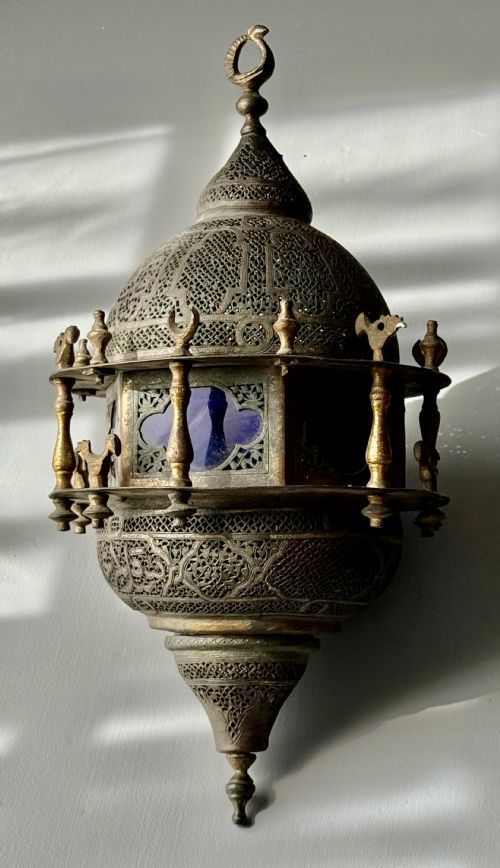
The materials paired with the metal include cut glass, crystal, and glass panels, appearing in periods ranging through the Victorian era into the early decades of the twentieth century. Lantern formats often take hexagonal or pierced shapes, while larger formats incorporate multiple candle or gas-derived branches.
How They Were Made
Construction relies heavily on cast and worked brass, often complemented by gilt bronze, ormolu, and gilded metal frameworks to achieve ornate surface finishes. Glass elements such as cut crystal drops, leaded panels, and blown shades integrate directly into the metal armature.
Assembly techniques involve mechanical joining, piercing, and framing methods typical of Victorian and French manufacturing workshops, supporting complex multi-light configurations and decorative glass integrations.
Listings feature materials spanning brass, cut glass, gilt bronze, ormolu, and crystal across Victorian and Edwardian periods.
What Varies in Quality
The refinement of the casting and the crispness of chased details separate standard production items from superior works, particularly in French gilt bronze and ormolu mounts. The integration and quality of the cut glass or crystal elements also dictate the upper tier of execution.
Proportion and structural integrity define the distinction between simpler domestic fittings and grander salon pieces, where elaborate frameworks demand precise metalwork to support numerous light branches.
Joseph Wilmotte Liege
The 19th Century Brass Pendant Glossary
- Ormolu
- A gilded bronze technique applied to furniture and lighting mounts, using a finely ground gold-mercury amalgam fired onto brass or bronze. This process yields a deep, matte golden finish characteristic of French decorative arts.
- Gasolier
- A ceiling-mounted lighting fixture designed specifically to burn coal gas before the widespread adoption of electric lighting. Many such pieces undergo conversion to electricity for modern interior use.
- Plafonnier
- A shallow or flush-mounted ceiling light fixture designed to sit close to the plasterwork. These pieces diffuse light downwards through glass panels or bowls held in a metal frame.
- Hall Lantern
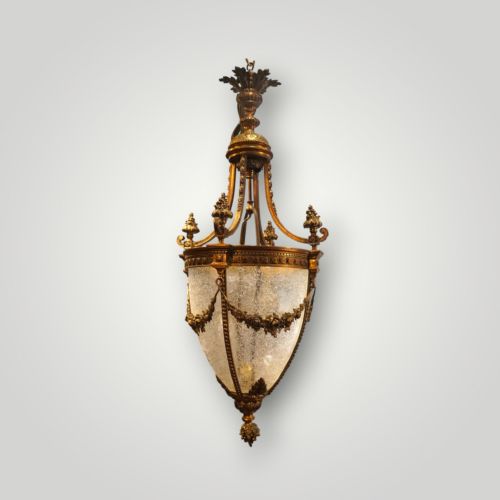
- An enclosed hanging light fixture traditionally placed in entrance halls and vestibules. They frequently employ glazed sides in brass or bronze frames to protect the internal flame from draughts.
- Cut Glass
- Glass shaped and patterned by abrasive wheels, creating faceted surfaces that refract light. It appears extensively in pendants and chandeliers to enhance brilliance.
19th Century Brass Pendant: Frequently Asked Questions
How do I hang a heavy pendant?
These fixtures require secure anchorage into ceiling joists or structural nogging due to the substantial weight of cast brass, bronze, and crystal components. Professional installation ensures the electrical supply and suspension weight are safely managed.
Lowering the fixture to a height appropriate for the room volume prevents visual crowding while maintaining adequate clearance beneath the lowest glass or metal drop.
Can I convert gasoliers to electricity?
Many surviving gasoliers and early candle fittings are adapted for modern electrical wiring by running internal cables through the original brass or bronze gas paths. This allows historical fixtures to function safely with contemporary power sources.
Specialist rewiring preserves the exterior aesthetic while updating internal components to meet current safety standards for domestic lighting.
How do I clean brass and crystal?
Dusting metal frames with a soft cloth prevents grime accumulation without disturbing the patination of the brass or gilt bronze surfaces. Harsh chemical polishes should be avoided to protect antique finishes.
Crystal drops and glass panels benefit from gentle washing with mild soapy water while detached, ensuring complete drying before reattachment to the fixture.
What rooms suit a large chandelier?
High ceilings and generous floor spaces best accommodate multi-arm chandeliers and large hall lanterns, allowing the scale of the metalwork and glass to register properly. Placing them centrally or over large furniture pieces anchors the room's composition.
Lower ceiling heights pair more effectively with flush-mounted plafonniers or compact hanging lanterns that avoid obstructing movement.
How do I identify French styles?
French revival lighting typically displays distinct decorative vocabulary from periods such as Louis XV, Empire, or Baroque, featuring cast motifs like cherubs, acanthus leaves, and rococo scrolls. Gilt bronze and crystal cage constructions are frequent indicators of these origins.
Comparing the chased details and overall symmetry against documented period designs helps differentiate continental output from domestic British production.