
19th Century Botanical
These 19th century botanical pieces bring the natural world indoors through delicate watercolours and painted porcelain.
19th Century Botanical
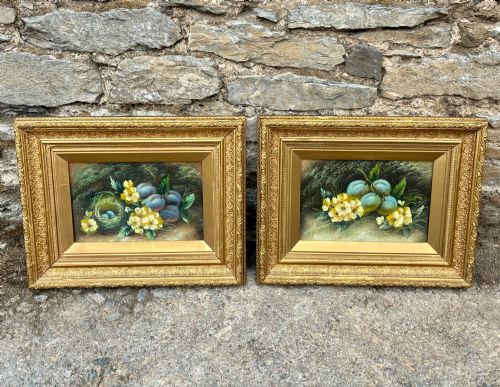
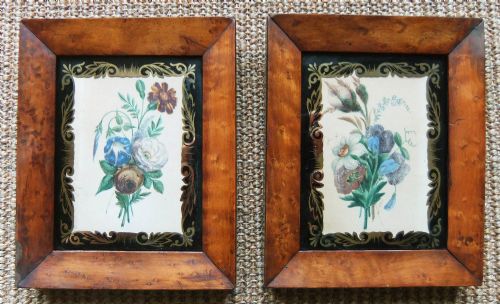
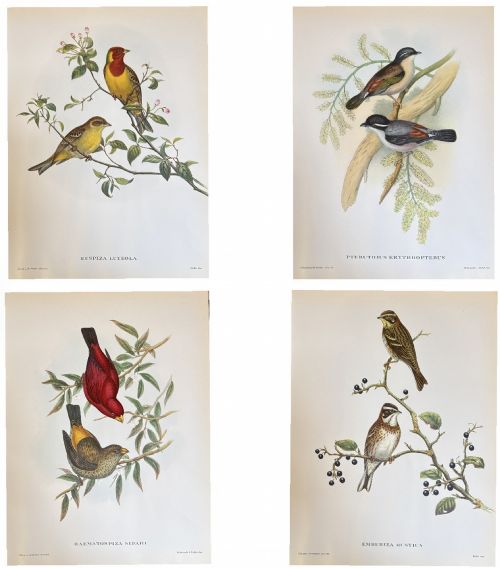
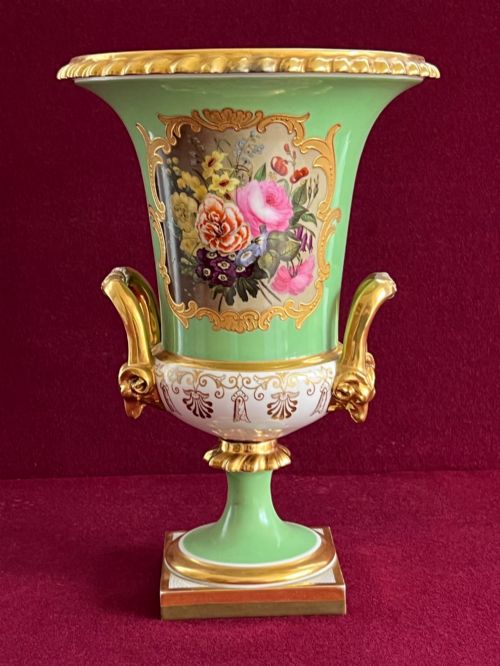
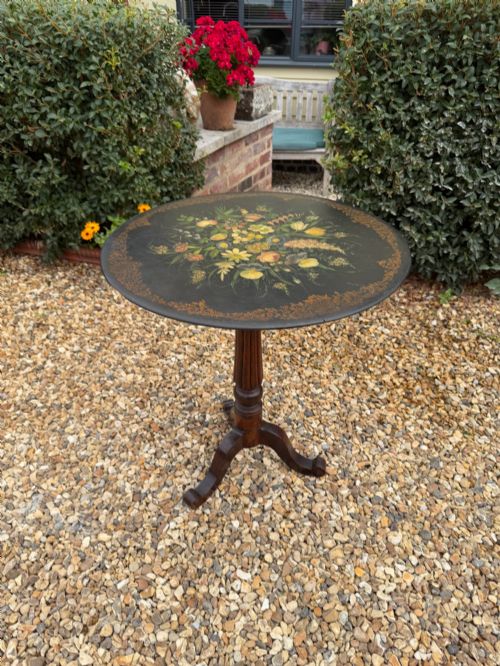
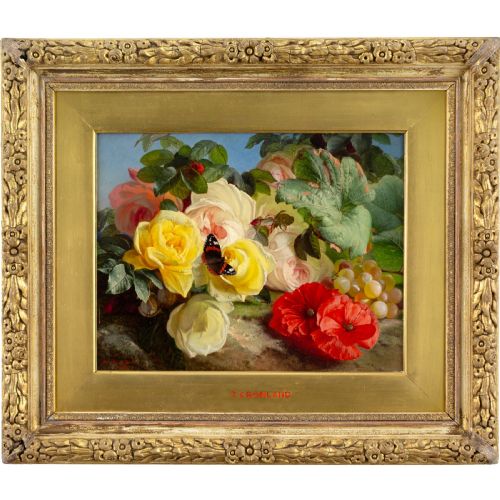
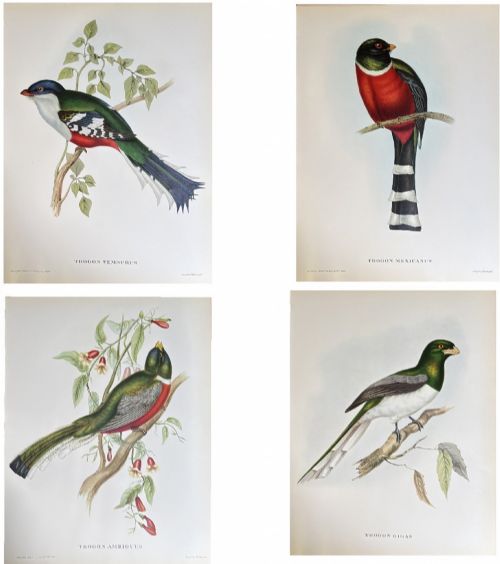
When searching for 19th century botanical works, collectors encounter a diverse range of artistic interpretations capturing flora and fauna. These pieces encompass delicate watercolours on paper, hand-painted porcelain plates, and framed prints from the Victorian and Regency periods.
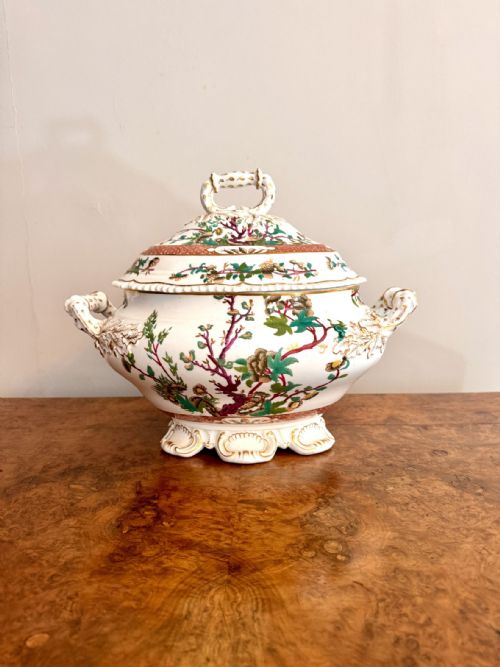
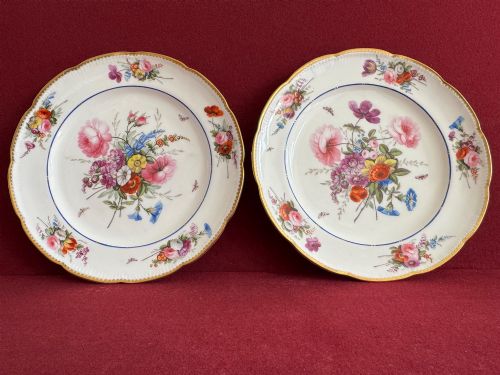
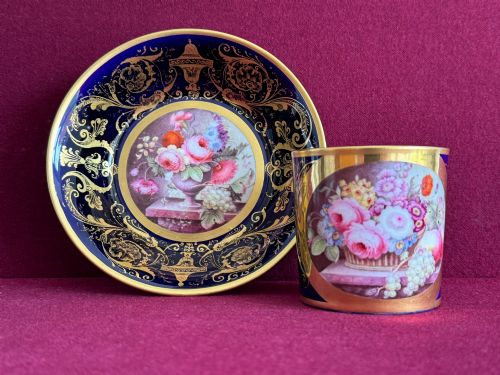
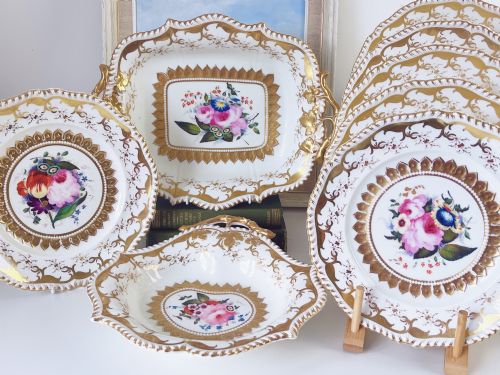
The selections span functional items such as dessert services and tureens alongside pure wall art and oil paintings. Works by named artists sit alongside unattributed English school watercolours, offering varied scales for domestic display.
How They Were Made
Makers utilised fine porcelain bodies, high-grade paper, and oil pigments to achieve durable and vivid depictions of plants and birds. Artisans applied meticulous brushwork by hand, often incorporating gold leaf and gilding to accentuate porcelain tableware.
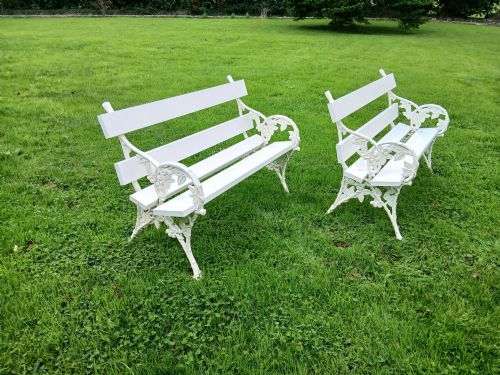
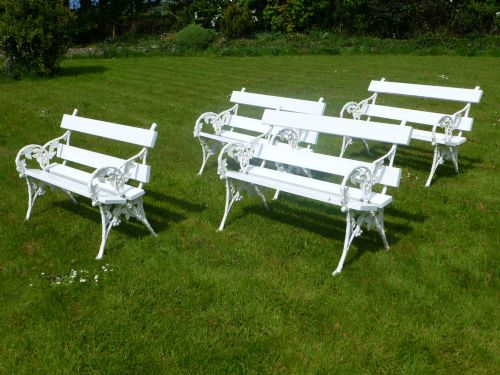
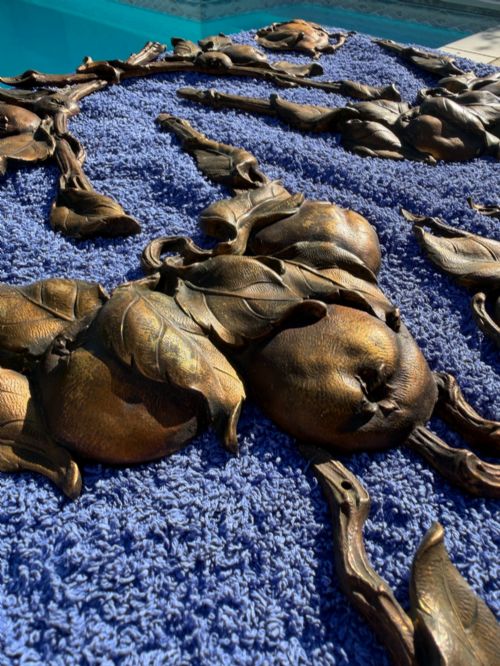
Framed watercolours frequently feature rosewood or gilt frames, while cast iron versions employ detailed foundry casting for outdoor seating. Each medium relies on specific firing or pigment techniques native to the period.
The available artworks encompass framed prints, botanical watercolours, oil paintings, and painted ceramic dessert services.
What Varies in Quality
Quality rests primarily in the precision of the hand-painted botanical detail and the fidelity of the natural rendering. Superior pieces demonstrate confident brushwork and botanical accuracy by recognised hands rather than generic factory production.
The preservation of the underlying paper or porcelain body also dictates overall standing. Intact gilding, minimal fading in watercolours, and crisp porcelain forms distinguish finer examples from standard decorative items.
Flight Barr And Barr·Grainger Lee And Co·Falkirk Carron Foundry·Meissen·Minton
The 19th Century Botanical Glossary
- Watercolour
- A painting method where fine pigment is suspended in a water-based solution. This technique creates transparent washes favoured for botanical studies.
- Porcelain
- A ceramic material made by heating raw ingredients to high temperatures. It provides a smooth white surface ideal for detailed floral decoration.
- Gilding
- The application of a very thin layer of gold leaf to surfaces such as porcelain or wood. It adds metallic lustre to frames and ceramic borders.
- Dessert Service
- A matched set of ceramic plates and dishes used for serving fruit or sweets after dinner. These often feature hand-painted botanical motifs.
19th Century Botanical: Frequently Asked Questions
How do I display these watercolours safely?
Keep framed pieces away from direct sunlight to prevent the pigments from fading over time. Maintain stable room humidity to protect both the paper and the original frames.
Position them at eye level in spaces with indirect lighting. This approach highlights the fine brushwork without exposing the fragile paper to environmental stress.
Were these porcelain plates used daily?
Most decorated porcelain services served special dining occasions rather than everyday meals. Their intricate hand-painted floral motifs made them display pieces for wealthy households.
Owners typically stored them in cabinets between feasts. This careful handling preserved the enamel colours and delicate gilding for subsequent generations.
How do I identify a Regency period piece?
Look for neoclassical design influences combined with vibrant natural history motifs. Regency items often date between eighteen-ten and eighteen-thirty, showing clean lines and refined proportions.
Porcelain from this era frequently bears specific factory marks or handwritten pattern numbers beneath the glaze. Watercolours tend to use soft, clear palettes characteristic of early nineteenth-century illustration.
Can cast iron garden benches stay outside?
Heavy cast iron seating is built to withstand outdoor garden conditions year-round. The durable metal tolerates weather changes while providing stable garden seating.
Periodic inspection for surface wear helps maintain the original finish. Placing them on paved surfaces prevents ground moisture from affecting the base.