


19th Century Bookcase Cabinet
A 19th century bookcase cabinet brings architectural presence and versatile display space to a room, uniting functional library storage with refined cabinetry.
19th Century Bookcase Cabinet
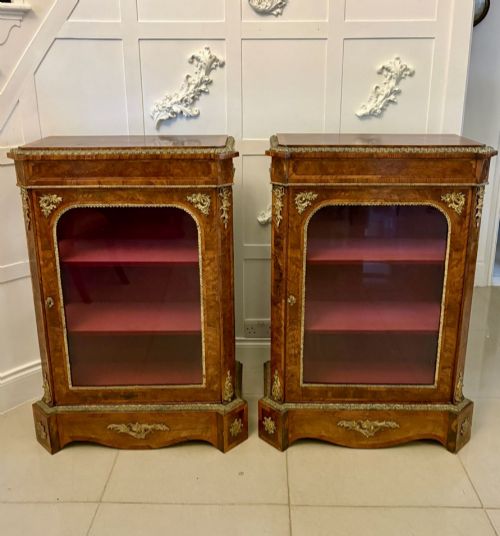
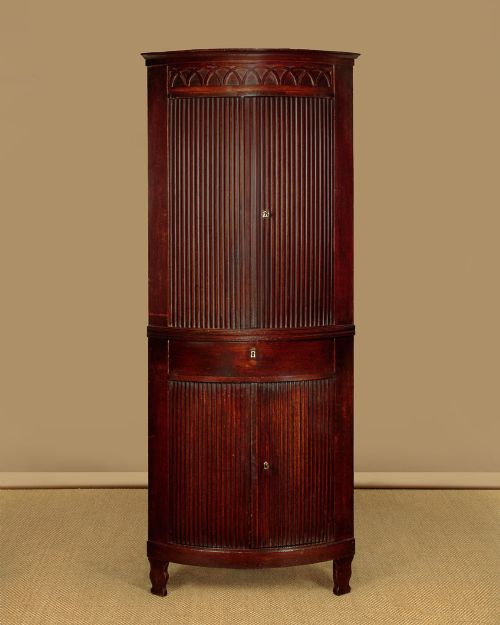
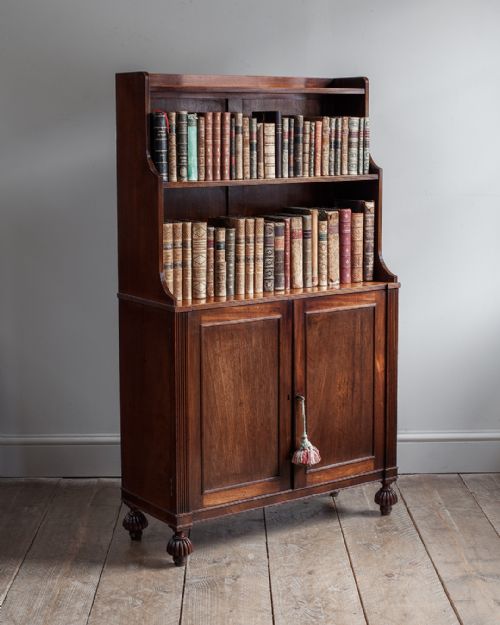
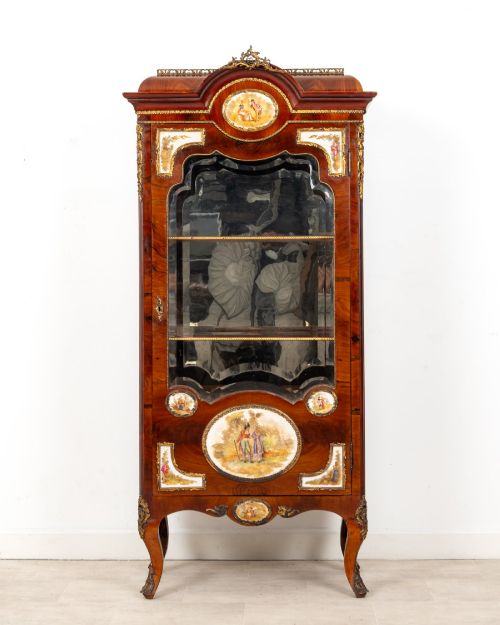
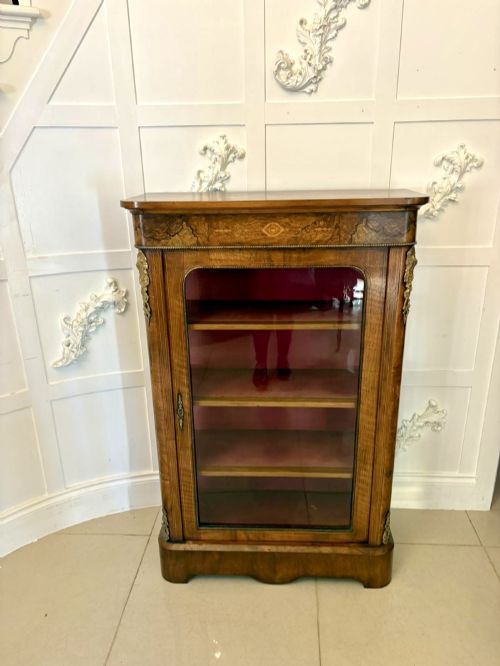
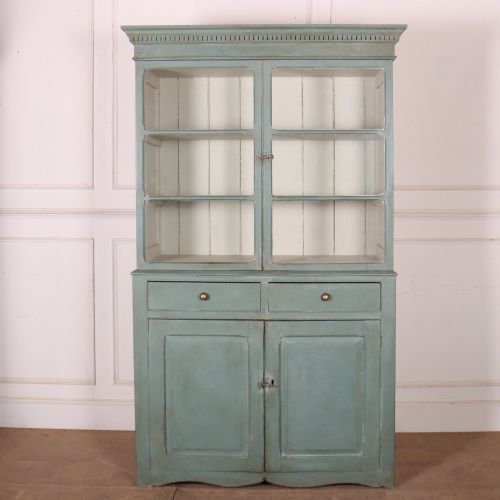
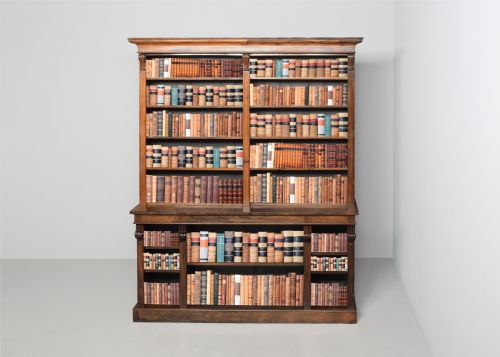
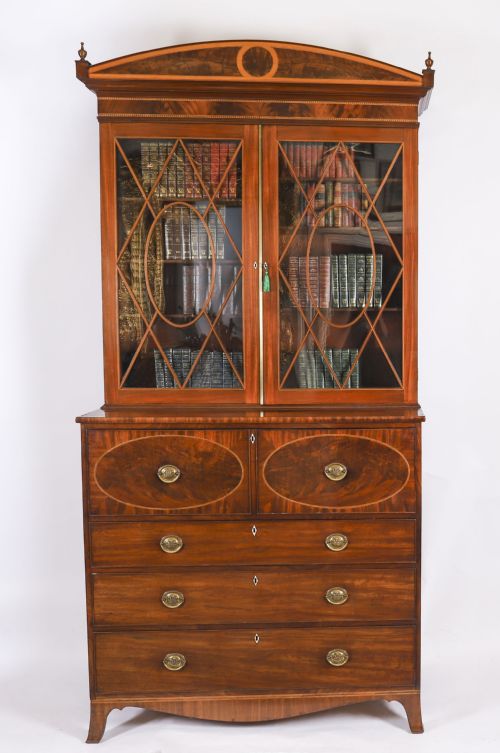
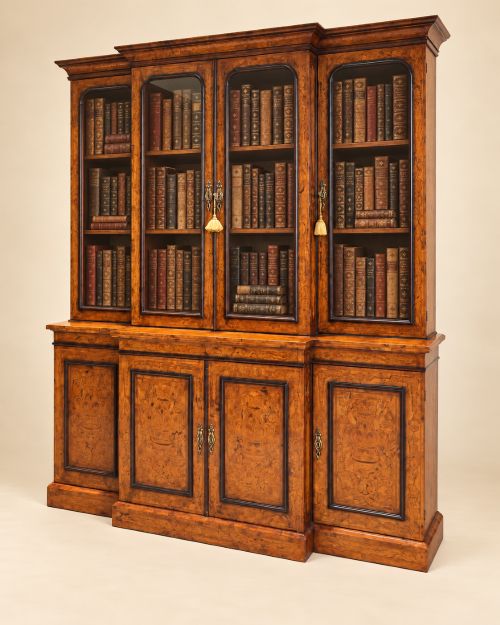
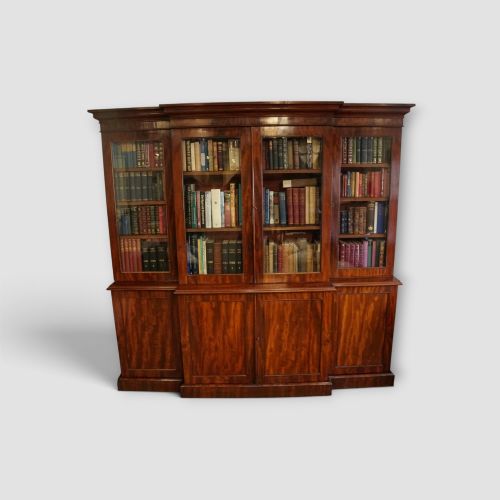
When searching for a 19th century bookcase cabinet, buyers encounter a diverse selection of furniture types spanning the Victorian, Regency, and William IV eras. The category encompasses tall breakfront libraries, glazed display vitrines, and compact secretaire bookcases featuring fitted writing interiors.
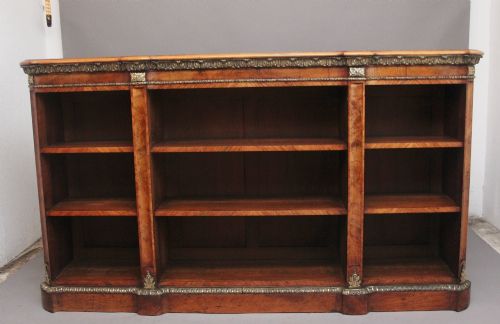
Most pieces combine shelved upper compartments for books with enclosed lower cupboards or drawer units, though open configurations and dedicated pier cabinets also appear. Originating from English, French, and Scottish workshops, these items reflect the evolving domestic needs of the 1800s through various stylistic revivals.
Materials and Construction
Cabinetmakers predominantly utilised solid and veneered timbers, with rich mahogany, figured walnut, and exotic rosewood dominating high-end production alongside durable oak and pine. Flame mahogany and burr walnut veneers added decorative grain patterns to flat surfaces and door panels.
Detailing often incorporated brass inlay, bronze or ormolu mounts, and hand-carved mouldings. Glazed doors utilised individual wooden glazing bars to house panes of glass securely within the upper shelving sections.
Listings feature woods including mahogany, walnut, rosewood, oak, flame mahogany, thuya wood, and burr maple.
Evaluating the Pieces
Superior examples distinguish themselves through the selection of timber figures, such as symmetrical burr walnut or highly figured flame mahogany veneers. The precision of inlaid brass work, carved ornamentation, and the integration of fitted interior drawers also dictate the standing of a piece.
Construction methods reveal craftsmanship standards through the use of solid secondary woods, hand-cut dovetails in the drawer construction, and original glass panes. Well-executed proportions and intact architectural cornices separate standard utility furniture from exceptional cabinet work.
Gabriel Viardot·Johnstone and Jeanes·Jas Shoolbred
The 19th Century Bookcase Cabinet Glossary
- Secretaire
- A cabinet or desk featuring a pull-down writing flap that conceals a fitted interior of small drawers and pigeonholes. This hybrid form allows a bookcase to function as a compact bureau.
- Breakfront
- A large piece of furniture where the central section projects forward from the flanking outer wings. This architectural arrangement creates depth and visual balance in large library bookcases.
- Ormolu
- Gilded bronze mounts applied to furniture for decorative effect, frequently seen on French-influenced cabinets. The technique enhances the visual richness of walnut and mahogany surfaces.
- Pier cabinet
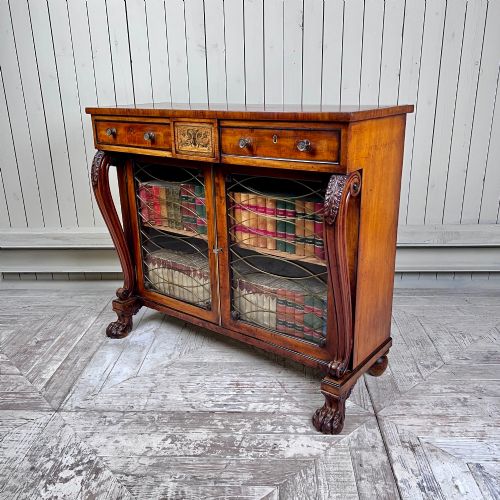
- A low, freestanding display cabinet designed specifically to fit against the narrow wall space between windows. These pieces often feature glazed doors and elaborate wood inlay.
- Vitrine
- A glass-sided display cabinet intended for showcasing porcelain, curiosities, or fine books. The extensive glazing maximises visibility from multiple angles.
19th Century Bookcase Cabinet: Frequently Asked Questions
What is a secretaire bookcase?
A secretaire bookcase incorporates a pull-down drawer front or flap that opens to reveal a writing surface and small interior compartments. This design merges upper book storage with a concealed desk.
Cabinetmakers built these pieces during the Regency and Victorian periods to save space in domestic libraries and studies.
How do I style a large breakfront bookcase?
Large breakfront bookcases require substantial wall space and high ceilings to balance their architectural proportions. They serve as focal points in formal living rooms or home libraries.
Organise the shelving with a mix of vertical book arrangements and decorative objects to break up the visual weight of the timber.
What is the difference between an open bookcase and a cabinet?
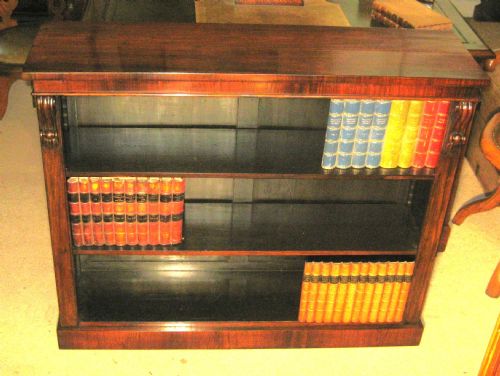
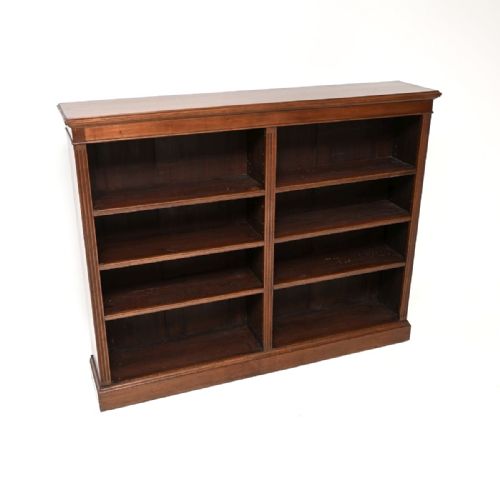
Open bookcases provide direct access to shelves without doors, whereas cabinets enclose the storage area behind timber or glazed panels. Glazed variants protect volumes from dust while maintaining visibility.
Many 19th-century examples combine both formats by placing open upper shelves above enclosed lower cupboards.
Which woods were commonly used?
Mahogany remained the primary timber throughout the century, accompanied by walnut, rosewood, and oak. Cabinetmakers also applied veneers like flame mahogany and burr walnut to create decorative grain patterns.
Secondary woods such as pine and oak typically appear on interior drawer linings and backboards.