

19th Century Book Stand
A 19th century book stand brings architectural timber and steady purpose to a desk or floor, holding open heavy volumes with quiet authority.
19th Century Book Stand
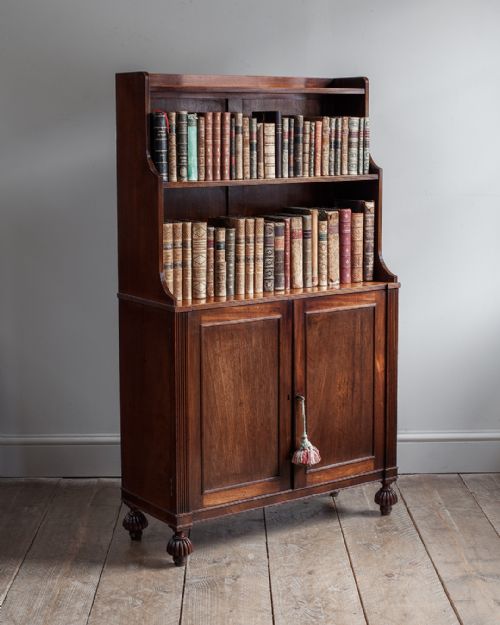
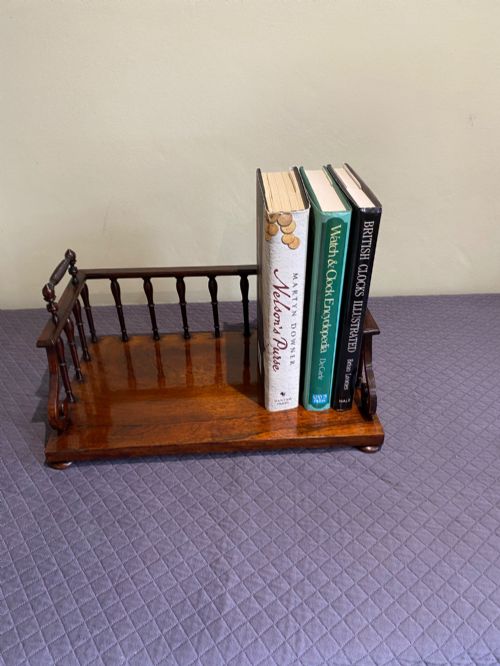
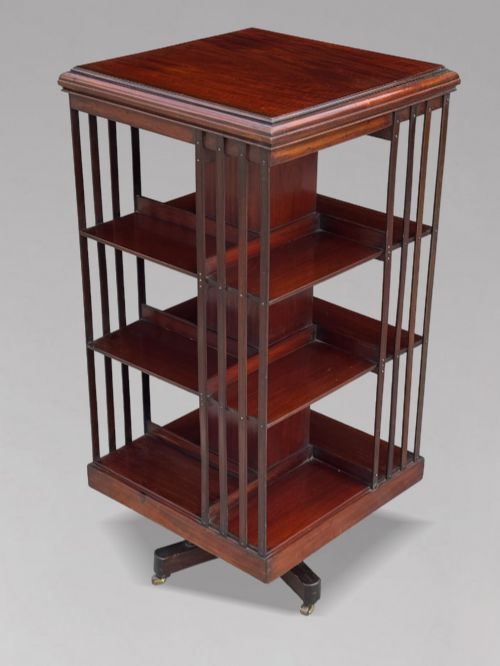
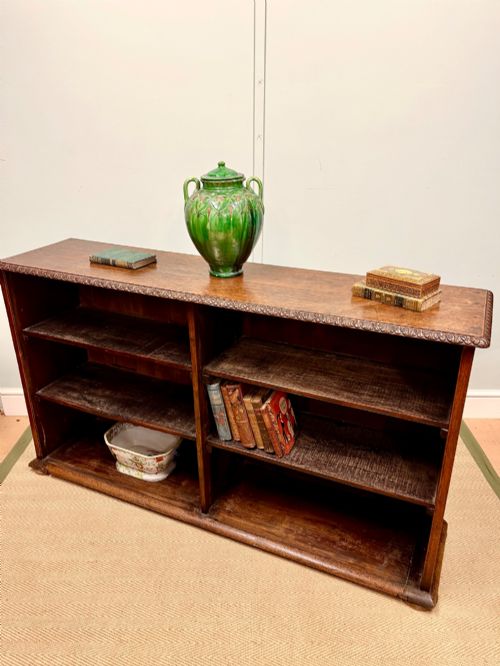
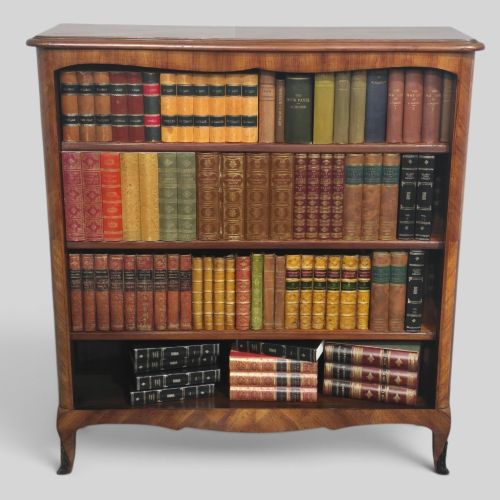
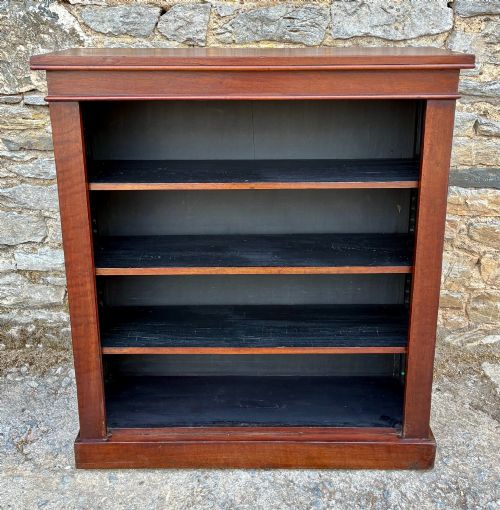
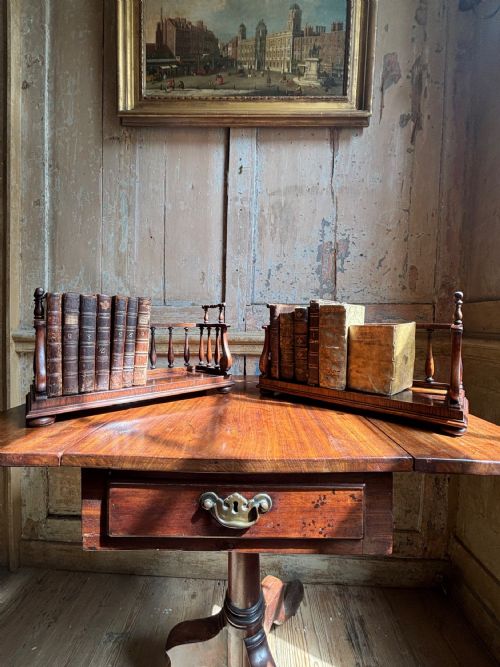
A 19th century book stand encompasses portable table-top rests, revolving desk models, and freestanding floor structures designed to display volumes securely. The pieces meeting this search phrase range from compact rosewood book racks and adjustable mahogany reading tables to multi-tiered oak bookcases and revolving bookstands.
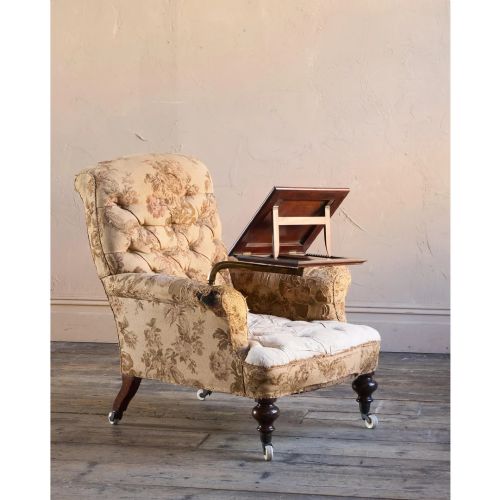
Makers of the period adapted these stands for specific domestic and institutional settings, producing folding lecterns, library armchairs with attached stands, and rotating table designs. These formats reflect the Victorian and Regency appetite for functional library furniture tailored to private studies and grand drawing rooms.
Materials and construction methods
Cabinet makers utilised dense hardwoods such as mahogany, rosewood, walnut, and oak to build structures capable of supporting heavy bindings without warping. Many pieces incorporate turned columns, fretwork, brass brackets, and castors to ensure both mobility and stability.
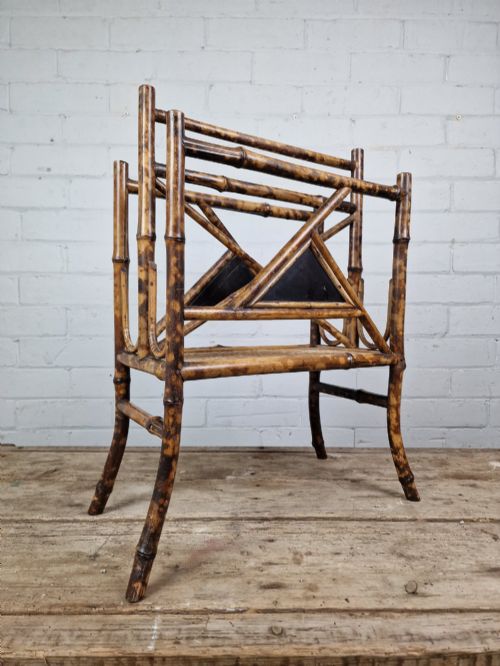
Surfaces frequently display fine grain patterns enhanced by French polish, alongside carved details, inlay, and bamboo elements seen in later Aesthetic period examples. Brass fittings appear on adjustable ratchets and reading ledges, marrying mechanical utility with traditional joinery.
Factors determining quality
Superior examples demonstrate precision in the movement of adjustable ratchets and smooth rotation in revolving models, avoiding any wobble in the central spindle. The choice of timber also dictates standing value, with figured burr walnut, rich rosewood, and well-matched mahogany distinguishing finer library pieces from standard utilitarian items.
The crispness of carved mouldings, the integrity of dovetailed joints, and the retention of original brass or cast-iron hardware separate workshop pieces of high ambition from simpler production. Subtle details like fretwork panels and secondary timbers show the care invested by the maker.
The 19th Century Book Stand Glossary
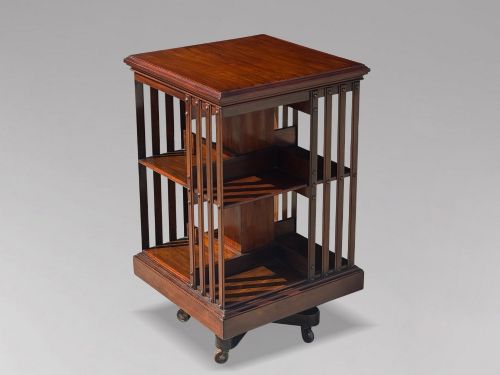
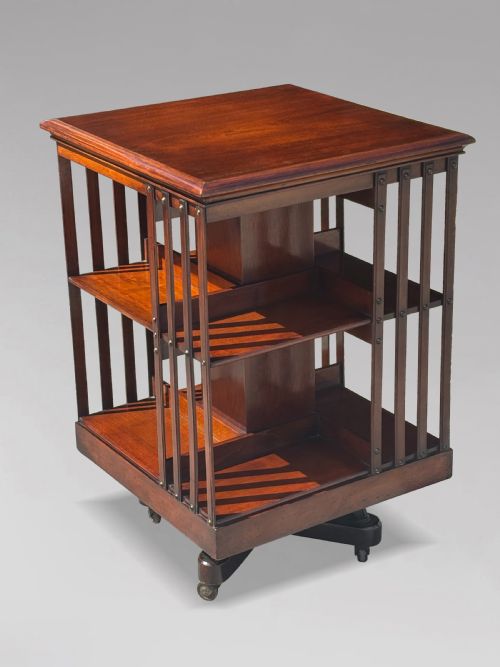
- Revolving bookcase
- A low, rotating floor-standing unit designed to provide easy access to a collection of reference books from a seated position.
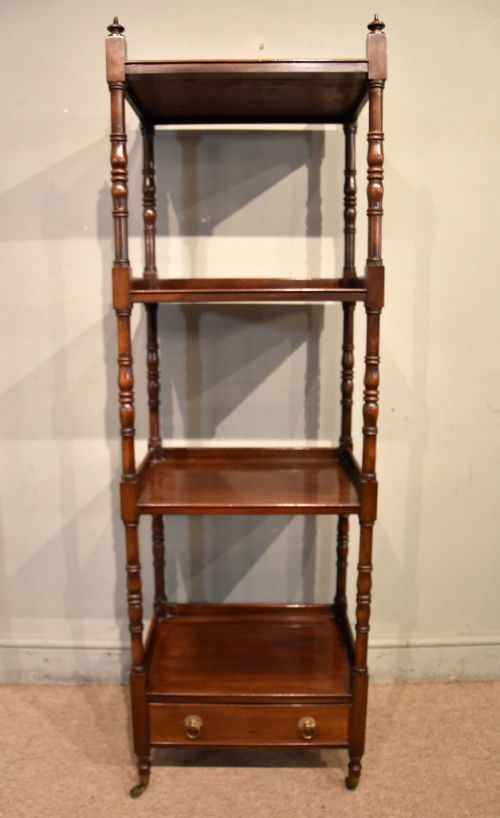
- Whatnot
- A multi-tiered open shelving unit used for displaying or storing books and decorative objects in nineteenth-century interiors.
- Lectern
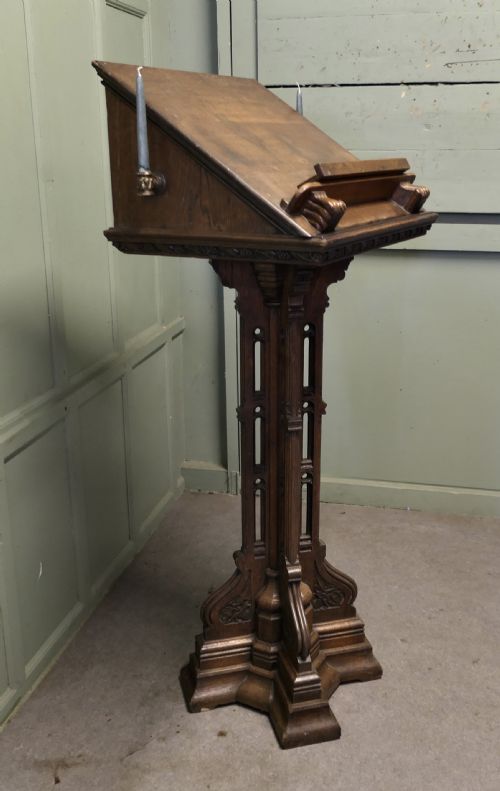
- A slanted reading stand designed to hold books or papers at an ergonomic angle for a standing or seated reader.
- Waterfall bookcase
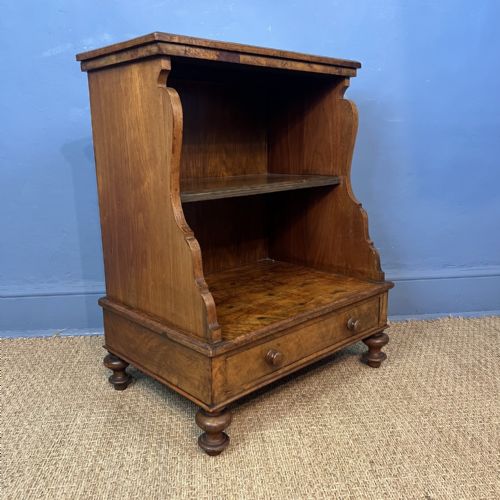
- A graduated shelving unit where each tier is set back from the one below, creating a stepped profile reminiscent of cascading water.
19th Century Book Stand: Frequently Asked Questions
Where were these book stands used?
These stands found places primarily in libraries, studies, and drawing rooms where books required organised access or display. Portable table models sat on desks, whilst larger revolving and floor-standing pieces occupied corners of private reading rooms.
Institutional spaces such as churches and offices also utilised heavy lecterns and reading tables for everyday reference and public presentation.
How do I maintain the timber surface?
Polished hardwoods require occasional gentle dusting with a soft, dry cloth to prevent particulate buildup on carved details and joints. Avoid placing them near direct heat sources or strong sunlight, which can dry out rosewood and mahogany.
Application of traditional wax polish helps nourish the grain and maintain the natural lustre of the nineteenth-century finish without sealing the wood.
Can adjustable stands still move freely?
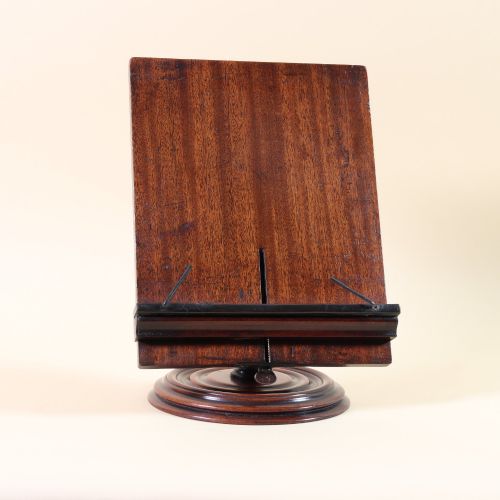
Most surviving adjustable reading stands retain working brass ratchets and pivoting mechanisms that allow the desk surface to tilt at various angles. Careful handling ensures that the original wooden teeth and metal supports continue to function properly.
Lubricating metal components is rarely necessary if the mechanism operates smoothly through its designed range of motion.
How do I identify a Regency period piece?
Regency stands often feature classical restraint, clean architectural lines, and dark mahogany or rosewood timbers accented with brass inlay. They frequently date from the early nineteenth century and display disciplined joinery.
Later Victorian interpretations tend to incorporate heavier carved decoration, Gothic revival motifs, or revolving designs that differ from earlier portable table racks.