
19th Century Bedroom Seating
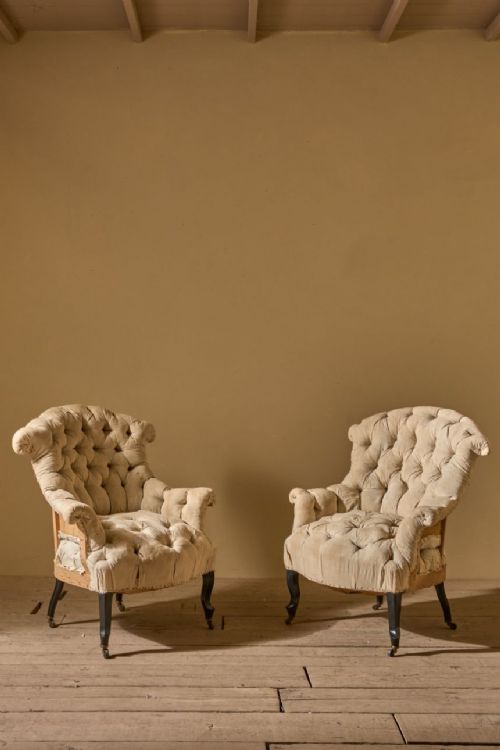
These pieces of 19th century bedroom seating offer domestic comfort through low profiles, sprung upholstery and carved timber frames.
19th Century Bedroom Seating
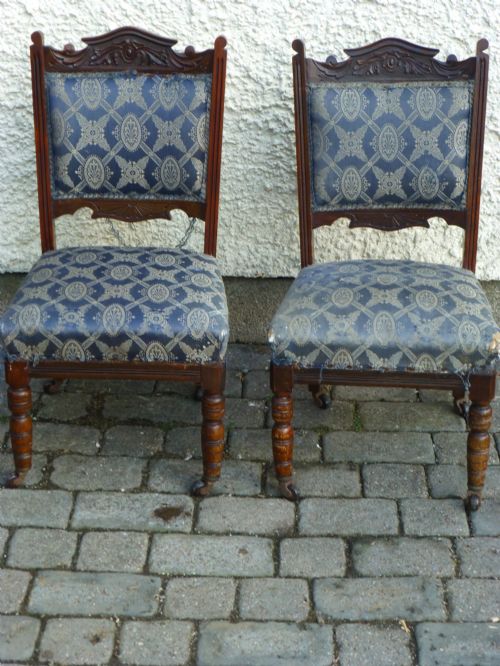
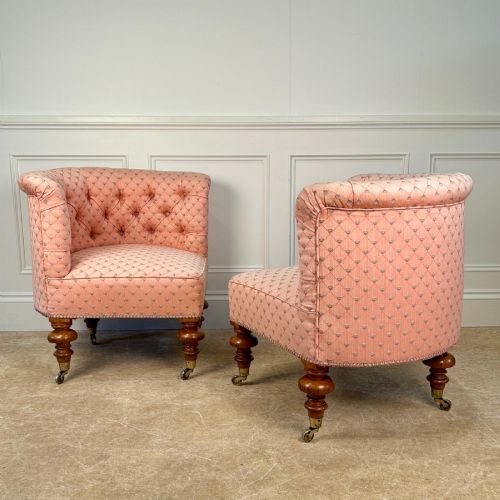
When you search for 19th century bedroom seating, you encounter a variety of intimate furniture forms designed specifically for dressing rooms, boudoirs and sleeping quarters. The selection on this page centres on nursing chairs, slipper chairs, dressing table stools, occasional chairs and low window seats from the Victorian and Regency periods.
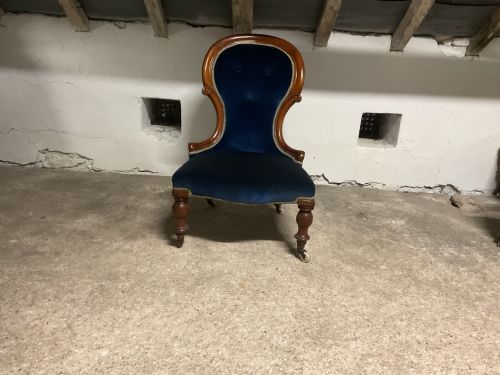
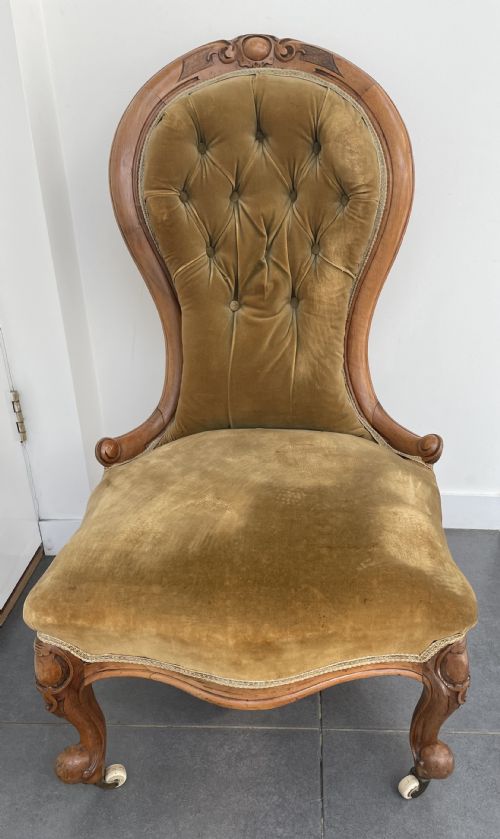
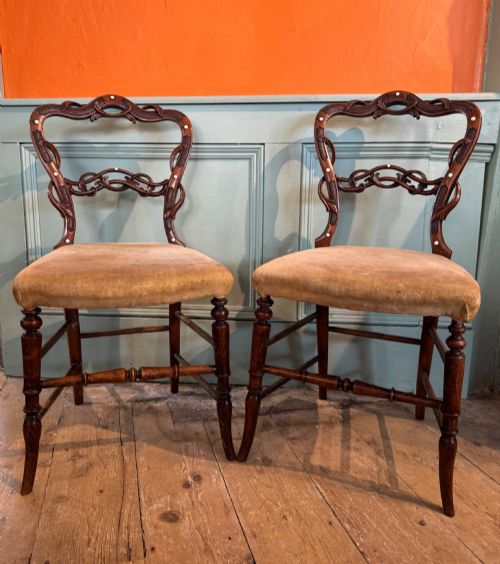
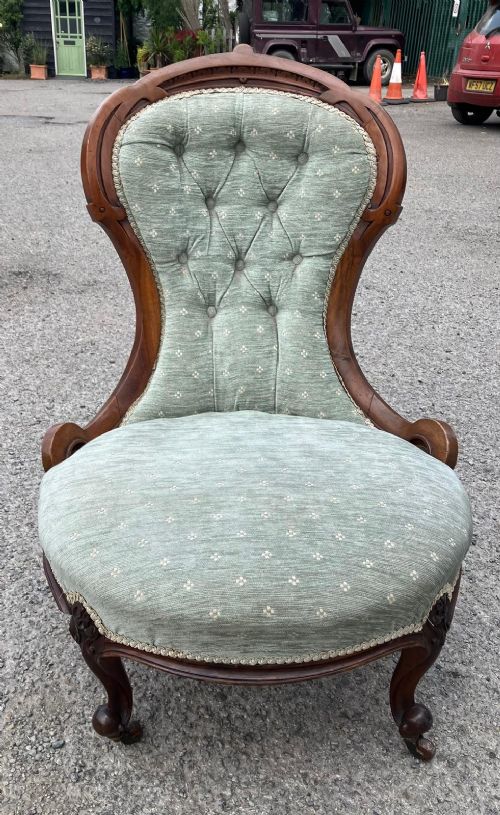
Nursing chairs dominate the offerings, characterised by their low seats which allowed mothers to nurse infants comfortably. Slipper chairs appear frequently, constructed without arms to accommodate the bulky crinolines and petticoats of the period while remaining close to the hearth.
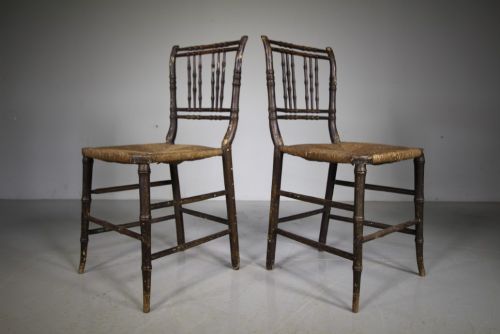
Occasional chairs and window seats provide complementary seating in mahogany, walnut, rosewood and painted pine. These forms date across the nineteenth century, spanning from early Regency designs to later Victorian interpretations.
Materials and construction methods
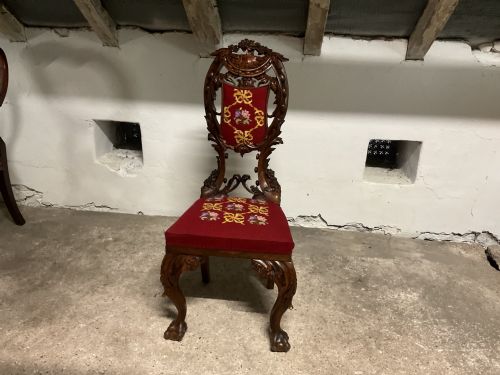
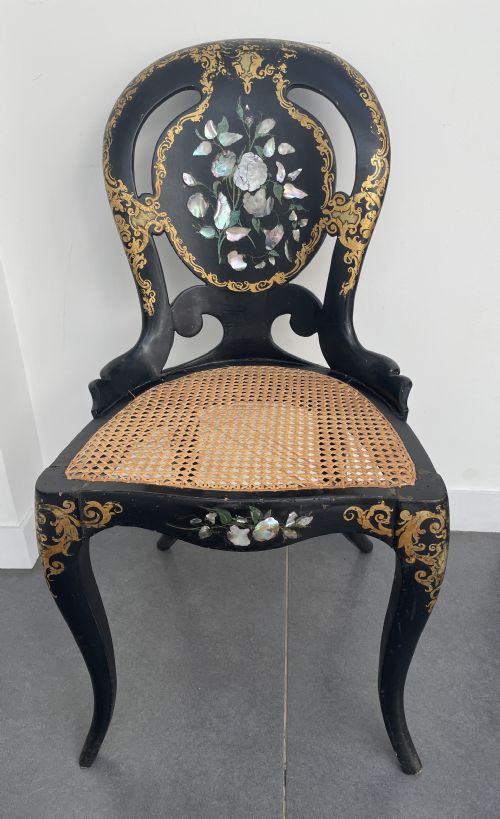
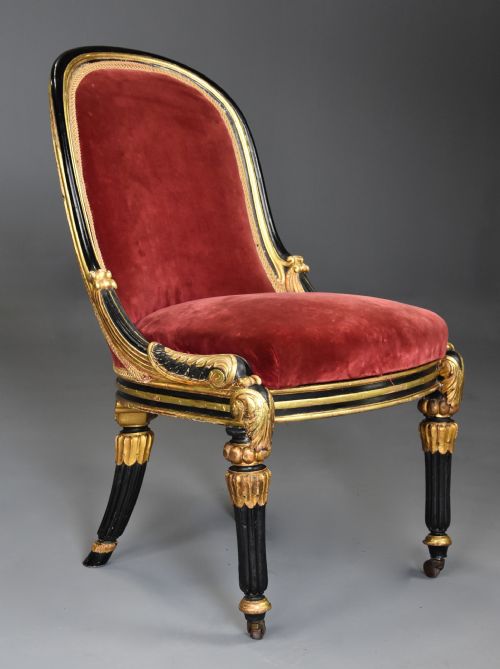
Cabinetmakers utilised dense hardwoods such as mahogany, walnut and rosewood for structural frames, alongside painted pine, satin birch and giltwood for decorative impact. Brass elements, mother of pearl inlay and ebonised finishes appear as deliberate stylistic enhancements on specific chairs.
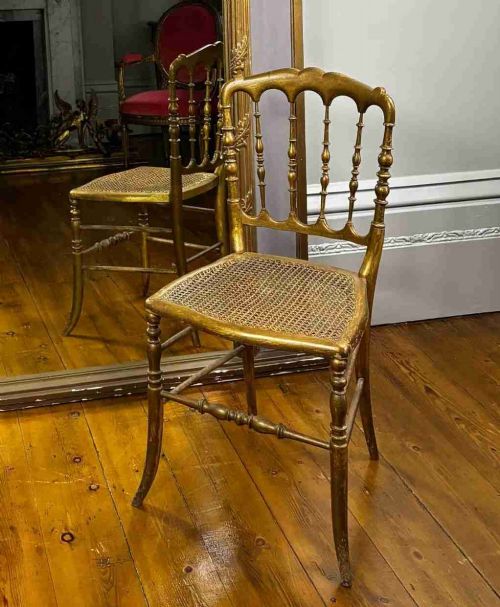
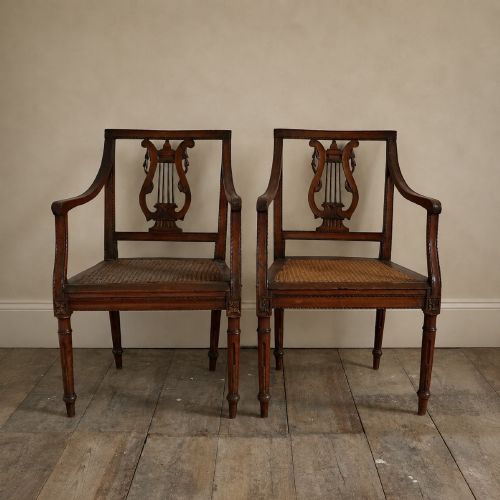
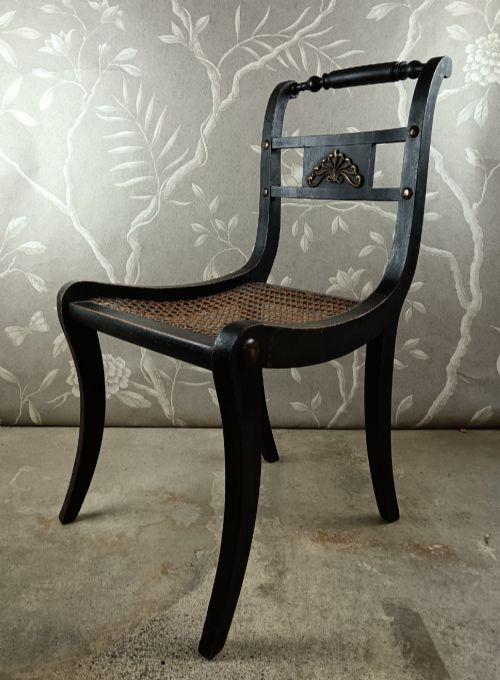
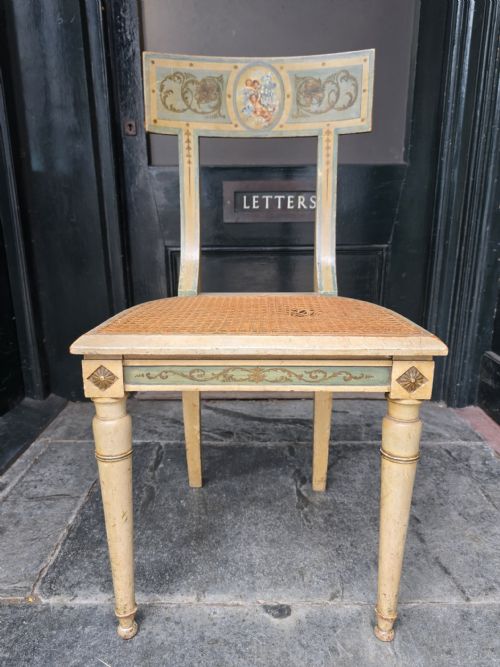
Upholstery techniques involved traditional stuffing applied to sprung or webbed bases, covered in fabrics including velvet, needlepoint and original textiles. Cane work formed alternative seat panels, particularly on Regency side chairs and French salon pieces.
Listings feature frames constructed from mahogany, walnut, rosewood, satin birch, oak and pine, alongside decorative applications of brass and mother of pearl.
Distinctions in quality
The standard of 19th century bedroom seating relies on the integrity of the timber framing and the refinement of hand carving. Pieces featuring crisp scroll work, detailed mother of pearl inlay or sound cabriole legs demonstrate superior craftsmanship compared to plain or heavily worn alternatives.
Originality of surface finish and component parts dictates the upper tier of the range. Chairs retaining uncompromised painted finishes, early ebonisation or untouched cane work hold greater authenticity than those altered by later interventions.
Gillows
The 19th Century Bedroom Seating Glossary
- Nursing chair
- A low-seated chair designed in the nineteenth century to assist mothers with infant care. These pieces typically feature padded backs and short legs.
- Slipper chair
- An armless chair positioned close to the floor, traditionally used in bedrooms for changing shoes and garments. The open sides accommodated voluminous nineteenth century skirts.
- Cabriole leg
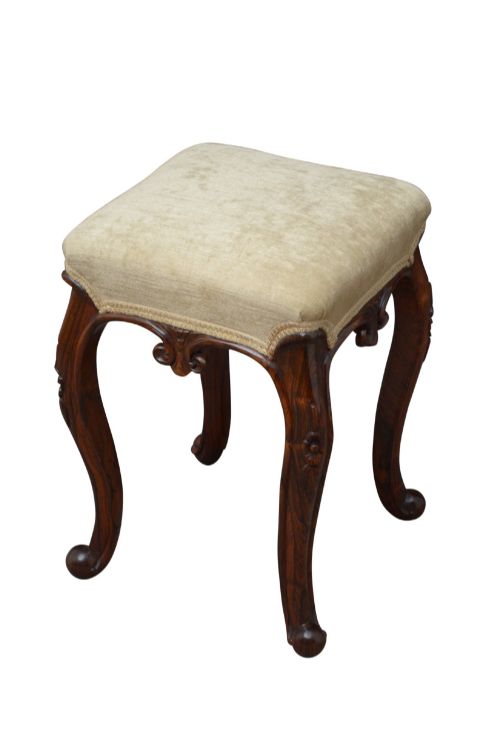
- A furniture leg that curves outward at the knee and tapers inward toward the ankle, emulating an animal's leg. This shape frequently terminates in a plain foot.
- Caned seat
- A seating surface woven from peeled rattan strips in a cellular pattern. This technique provides lightweight resilience to open-frame chairs.
- Ebonised
- Wood stained or painted black to imitate expensive ebony. Makers utilised this finish on nineteenth century seating to achieve a dramatic, contrasting appearance.
- Balloon back
- A rounded, oval chair back shaped like a party balloon. This profile gained widespread popularity during the Victorian era.
19th Century Bedroom Seating: Frequently Asked Questions
What distinguishes a nursing chair from a regular side chair?
Nursing chairs sit noticeably lower to the ground than standard dining or side chairs. This reduced height made them suitable for domestic tasks performed in bedrooms.
They also frequently incorporate padded upholstery and supportive high backs designed for extended periods of sitting.
How do I care for antique wood and fabric seating?
Keep wooden frames away from direct heat sources and strong sunlight to prevent the mahogany, walnut or rosewood from drying out. Dust regularly with a soft cloth and avoid modern chemical polishes.
Vacuum upholstered surfaces gently using a low suction brush attachment to protect delicate textiles and velvets.
Are these low chairs comfortable for daily use?
Their compact dimensions and low seat heights reflect nineteenth century ergonomics rather than modern lounge chair proportions. They suit sitting upright while reading or dressing.
Many examples feature sprung seats that retain considerable give, though structural support depends on the condition of the internal webbing.
Can I use a bedroom chair in a living room?
These decorative forms adapt easily to modern reception rooms, hallways and studies as accent pieces. Their modest scale allows them to fit into tight corners where standard armchairs fail.
Pairing a low stool or slipper chair with a larger sofa introduces textural variety and period character to contemporary interiors.